
The Ultimate Guide to Stress-Free Italy Travel Planning with Expert Advice
Planning a trip to Italy can feel overwhelming, especially when you’re trying to squeeze centuries of art, culture, and culinary delights into a limited timeframe. Trust me, I’ve been there – staring at countless travel websites, wondering whether to prioritize Rome’s ancient wonders or Florence’s Renaissance masterpieces. After helping hundreds of travelers craft their perfect Italian adventures, I’ve learned that the secret to stress-free Italy travel planning lies in smart preparation and insider knowledge.
Whether you’re dreaming of gondola rides in Venice, wine tastings in Tuscany, or exploring the dramatic Amalfi Coast, this comprehensive guide will walk you through every step of planning your Italian getaway. From timing your visit perfectly to navigating transportation like a local, you’ll discover expert strategies that transform travel planning from a chore into an exciting preview of your upcoming adventure.
When to Visit Italy: Timing Your Perfect Trip
The timing of your Italian vacation can make or break your experience. Each season offers distinct advantages, and understanding these nuances is crucial for stress-free travel planning.
Spring (April to June) emerges as the sweet spot for most travelers. The weather is pleasantly mild, tourist crowds remain manageable, and you’ll witness Italy awakening from winter with blooming flowers and outdoor café culture returning to life. I particularly recommend May for first-time visitors – the days are long, temperatures hover around a comfortable 70°F, and you’ll avoid both the summer heat and winter closures.
Summer brings peak season energy but also significant challenges. July and August see temperatures soaring above 85°F in cities like Rome and Florence, while coastal destinations become packed with European vacationers. However, summer offers the longest days, warmest sea temperatures, and vibrant festival seasons. If summer is your only option, book accommodations early and plan indoor activities during midday heat.
Fall (September to November) provides another excellent window, especially early fall. September often delivers some of the year’s best weather – warm but not oppressive, with harvest season bringing wine festivals and truffle hunting opportunities. October offers stunning autumn colors in northern regions and comfortable sightseeing conditions throughout the country.
Winter travel suits budget-conscious travelers and those seeking authentic local experiences. While some coastal attractions close, cities like Rome, Florence, and Venice maintain their charm with fewer crowds and lower prices. Christmas markets and seasonal festivities add special magic to winter visits.
Creating Your Italy Itinerary: Regional Focus vs. Multi-City Tours
One of the biggest mistakes I see travelers make is trying to cover too much ground. Italy rewards slow travel – the kind where you can savor morning espresso without rushing, discover hidden neighborhood gems, and truly absorb each destination’s unique character.
For first-time visitors with 7-10 days, I recommend the classic triangle: Rome, Florence, and Venice. This combination offers ancient history, Renaissance art, and unique Venetian culture. Spend 3-4 days in Rome exploring the Colosseum, Vatican City, and charming Trastevere neighborhood. Dedicate 2-3 days to Florence for world-class museums and day trips to Tuscan hill towns. Conclude with 2-3 days in Venice, allowing time for both major sights and peaceful canal-side wandering.
Travelers with two weeks can expand their horizons significantly. Consider adding the Amalfi Coast for dramatic coastal scenery, the Cinque Terre for picturesque hiking, or Sicily for incredible food and Greek ruins. Northern Italy offers the Italian Lakes region and sophisticated Milan, while southern Italy provides authentic experiences in Puglia or Naples.
Regional focus trips often prove more rewarding than country-wide tours. Spending a week in Tuscany allows for wine estate visits, cooking classes, and exploring medieval towns like Siena and San Gimignano at a relaxed pace. Similarly, a Sicilian adventure offers time to appreciate the island’s complex history, from Greek temples to Norman cathedrals, plus some of Italy’s most innovative cuisine.
Transportation Mastery: Trains, Cars, and Local Travel
Italy’s transportation network can seem complex, but understanding your options eliminates significant travel stress. The key is matching transportation methods to your itinerary and travel style.
Train travel forms the backbone of efficient Italian travel. High-speed trains connect major cities with impressive speed and comfort – Rome to Florence takes just 1.5 hours, while Rome to Venice requires only 3.5 hours. Book high-speed trains (Frecciarossa, Frecciargento, Frecciabianca) in advance for better prices and guaranteed seats. Regional trains serve smaller towns and don’t require reservations, offering flexibility for spontaneous exploration.
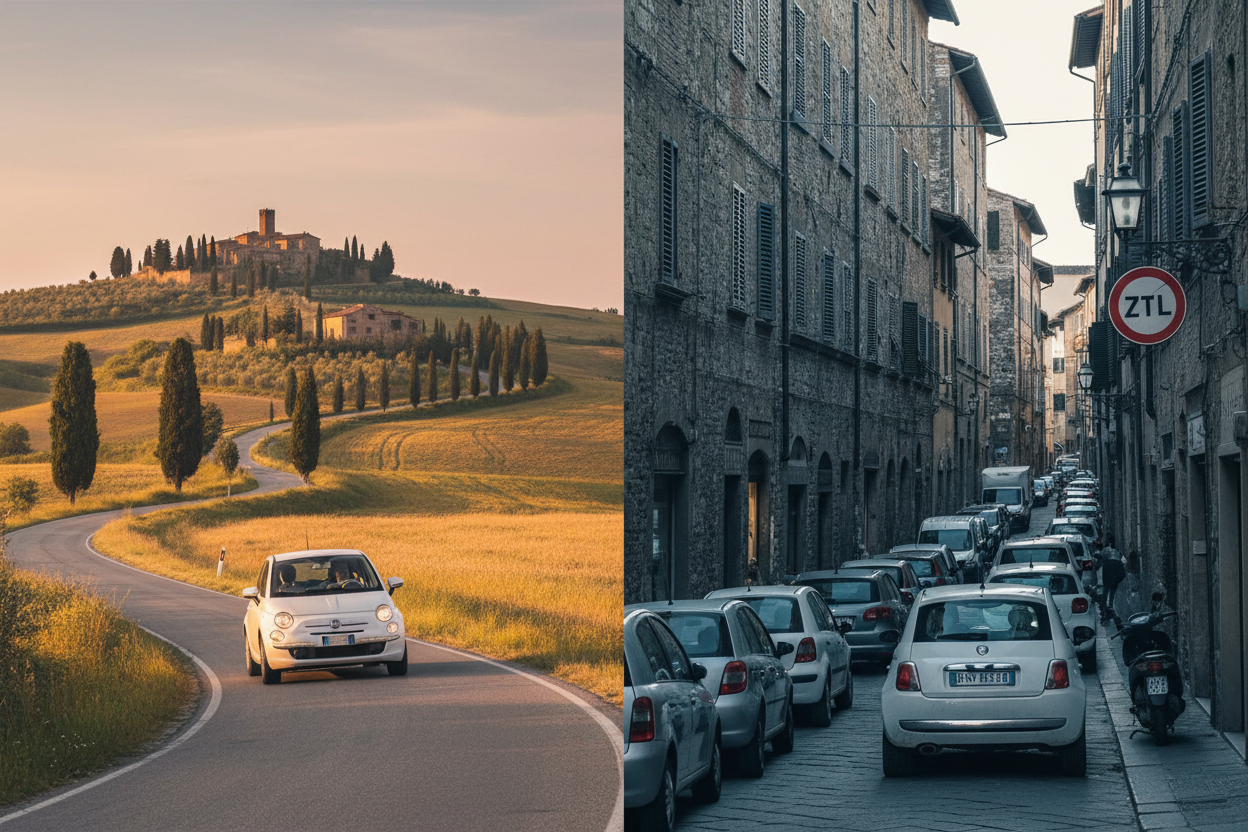
Renting a car opens up rural Italy but requires careful consideration. Tuscany, Umbria, and the Amalfi Coast reward car travel with scenic drives and access to small villages unreachable by train. However, avoid driving in major cities – parking is expensive and limited, while traffic can be chaotic. Many city centers restrict car access through ZTL (limited traffic zones), where unauthorized entry results in hefty fines.
Urban transportation varies by city but generally favors walking and public transit. Rome’s metro system covers major tourist areas, while buses fill the gaps. Florence is compact enough for walking, though buses serve outlying areas like Piazzale Michelangelo. Venice relies on water buses (vaporetti) and walking – embrace the unique experience of navigating by foot and boat.
For airport transfers, research options in advance. Rome’s Leonardo Express train provides fast, direct service to Termini Station. Florence and Venice offer bus connections to city centers, while taxis provide door-to-door convenience at higher costs. Many hotels arrange airport transfers – often worthwhile for the stress reduction alone.
Accommodation Strategies: From Historic Hotels to Local Stays
Your accommodation choice significantly impacts both your travel experience and budget. Italy offers incredible diversity, from converted palazzos to family-run bed and breakfasts, each providing different advantages for stress-free travel.
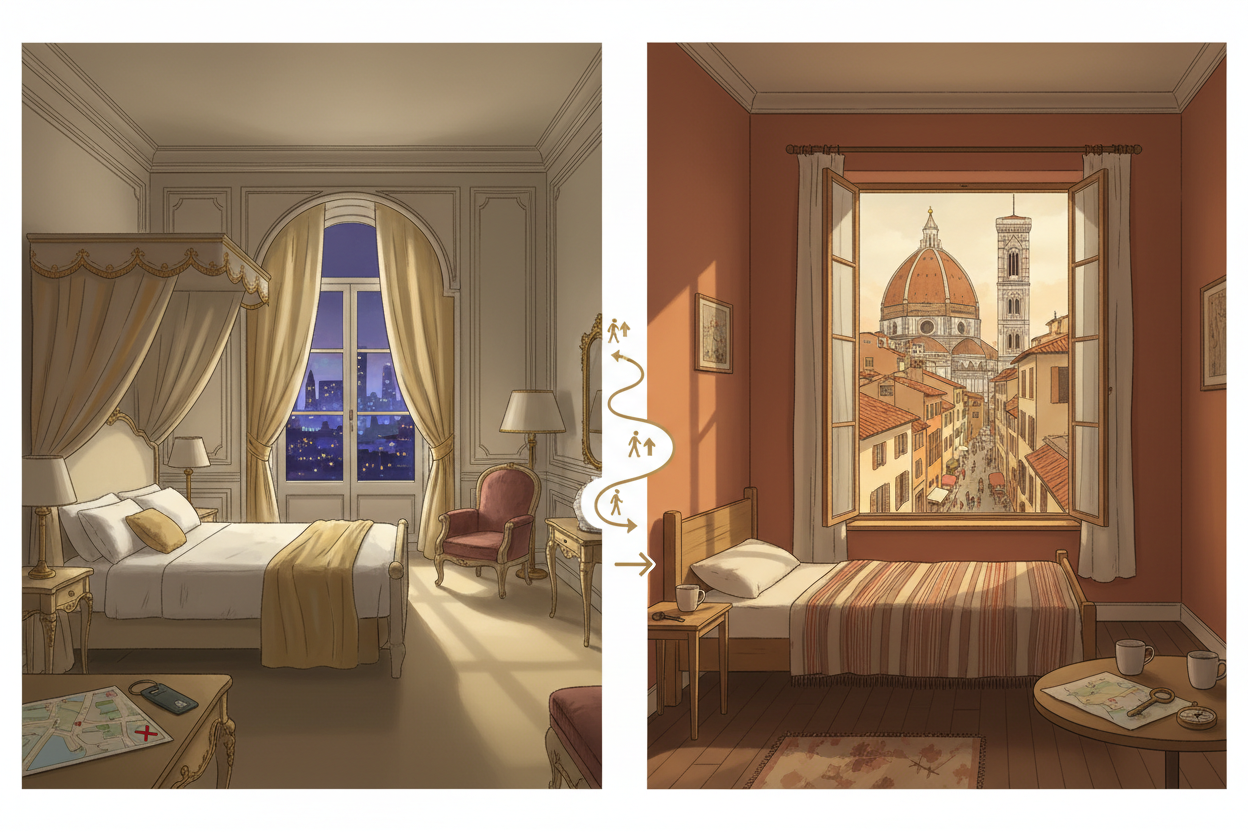
Location trumps luxury for most travelers. Staying within walking distance of major attractions eliminates transportation hassles and allows for flexible scheduling. In Rome, neighborhoods like Trastevere or near the Pantheon offer authentic atmosphere with easy access to sights. Florence’s historic center puts you steps from the Duomo and Uffizi Gallery. Venice’s San Marco area provides convenience, while Dorsoduro offers a more residential feel.
Historic hotels provide immersive experiences but require realistic expectations. That 15th-century palazzo might feature original frescoes but also smaller rooms and older plumbing. Research recent reviews focusing on practical concerns like air conditioning, Wi-Fi quality, and bathroom facilities. Many historic properties have been beautifully renovated while maintaining their character.
Vacation rentals excel for longer stays or travelers seeking local experiences. Apartments in residential neighborhoods offer insights into daily Italian life, plus kitchen facilities for market shopping and home cooking. However, ensure properties are legally registered and have reliable check-in procedures – nothing creates stress like arriving to a locked door with no host in sight.
Agriturismo accommodations combine lodging with authentic rural experiences. These working farms offer everything from wine production tours to cooking classes, providing immersive Tuscan or Umbrian experiences. Most require car transportation but reward guests with peaceful settings and exceptional local cuisine.
Essential Bookings and Reservations
Strategic advance booking eliminates travel day stress while ensuring access to must-see attractions. However, over-scheduling can reduce spontaneity – finding the right balance is key to stress-free travel.
Priority reservations include Vatican Museums and Sistine Chapel, where skip-the-line tickets are essential during peak season. The Uffizi Gallery in Florence requires advance booking year-round, while Accademia Gallery (home to Michelangelo’s David) fills quickly during busy periods. Venice’s Doge’s Palace offers timed entry tickets that prevent long waits.
Restaurant reservations deserve attention, especially for highly recommended establishments or special occasion dinners. Many excellent restaurants don’t take reservations, operating on first-come, first-served basis – having backup options prevents disappointment. Popular spots in tourist areas often book weeks in advance during peak season.
Transportation bookings depend on your travel style. High-speed train tickets offer significant savings when purchased early, while regional trains don’t require advance booking. Rental cars need early reservation during peak season, particularly for specific vehicle types or automatic transmissions.
Consider booking one special experience in advance – perhaps a cooking class in Bologna, wine tasting in Chianti, or guided tour of underground Rome. These unique experiences often require reservations and create trip highlights worth planning around.
Budget Planning and Money-Saving Tips
Italy can accommodate various budgets with smart planning and local knowledge. Understanding cost patterns helps you allocate funds effectively while avoiding common tourist traps.
Accommodation typically represents the largest expense, with significant seasonal and location variations. Summer rates in popular destinations can double winter prices, while staying slightly outside city centers often provides substantial savings with minimal inconvenience. Consider splitting time between splurge accommodations and budget-friendly options to balance comfort and cost.
Dining costs vary dramatically based on location and approach. Tourist-area restaurants charge premium prices for mediocre food, while neighborhood trattorias offer authentic cuisine at reasonable costs. Embrace Italian dining culture – cappuccino costs less at the bar than at tables, lunch menus provide better value than dinner, and aperitivo hour often includes complimentary snacks.
Transportation expenses add up quickly without planning. City passes often include public transportation plus museum entries, providing convenience and savings. Walking remains free and often faster than driving in historic centers. Regional trains cost significantly less than high-speed options for shorter distances.
Free attractions abound throughout Italy. Rome’s Pantheon, Trevi Fountain, and Spanish Steps cost nothing to visit. Florence offers free church visits with incredible art, while Venice’s St. Mark’s Square provides endless people-watching entertainment. Many museums offer free entry on specific days – research local schedules for potential savings.
Cultural Etiquette and Local Customs
Understanding Italian customs enhances your travel experience while showing respect for local culture. These insights help you navigate social situations confidently and avoid unintentional faux pas.
Dining etiquette follows specific patterns that locals appreciate when visitors observe. Cappuccino is morning-only – ordering it after lunch marks you as a tourist. Pasta serves as a first course, not a main dish when dining traditionally. Tipping isn’t expected but small amounts for good service are appreciated. Many restaurants charge coperto (cover charge) for bread and table service – this is normal, not a tourist surcharge.
Dress codes matter, particularly for religious sites. Shoulders and knees must be covered for church visits – carry a light scarf for easy compliance. Italian fashion tends toward elegant simplicity rather than flashy displays. Comfortable walking shoes are essential, but athletic wear outside of gyms or sports activities looks out of place.
Shopping customs include afternoon closures (riposo) when many businesses close from 1-4 PM. Sunday shopping is limited, with most stores closed except in tourist areas. Markets operate early morning hours – arrive by 10 AM for best selection. Bargaining is acceptable at outdoor markets but not in established shops.
Social interactions follow relaxed but respectful patterns. Italians appreciate attempts to speak basic Italian phrases, even imperfectly. Personal space tends to be smaller than Northern European or American norms – don’t be surprised by closer conversations or more physical greetings among friends.
Packing Essentials for Italian Adventures
Smart packing reduces travel stress while ensuring you’re prepared for Italy’s diverse experiences and climates. Focus on versatile pieces that transition from sightseeing to dining to cultural events.
Footwear deserves primary attention given Italy’s extensive walking requirements. Comfortable, broken-in walking shoes are non-negotiable – cobblestone streets and marble floors in museums demand proper support. Pack dressier shoes for evening dining and a pair of sandals for warm weather or beach destinations. Avoid brand-new shoes that might cause blisters during extensive sightseeing.
Clothing should emphasize layers and versatility. Italian weather can change quickly, particularly in shoulder seasons. Lightweight, wrinkle-resistant fabrics work best for extended travel. Include one dressier outfit for special dinners or cultural events. A light jacket or cardigan handles air conditioning and evening cooling, while a compact umbrella prepares for unexpected showers.
Technology essentials include universal power adapters for European outlets and portable phone chargers for extensive photo-taking days. Download offline maps and translation apps before departure – Wi-Fi isn’t always available when you need directions most. Consider a small power bank for long sightseeing days when charging opportunities are limited.
Practical items often overlooked include small day packs for sightseeing, reusable water bottles for fountain refills, and basic first aid supplies. Sunscreen and sunglasses are essential, particularly for summer travel or coastal destinations. A small flashlight helps navigate dimly lit churches and archaeological sites.
Conclusion: Your Stress-Free Italian Journey Awaits
Planning your Italian adventure doesn’t have to be overwhelming when you approach it systematically with insider knowledge. By choosing the right timing, focusing your itinerary, understanding transportation options, and preparing thoughtfully, you’re setting the foundation for an incredible experience.
Remember that the best Italian trips balance must-see attractions with spontaneous discoveries. Leave room in your schedule for lingering over exceptional meals, exploring charming side streets, and embracing the Italian art of living well. The stress-free travel planning strategies outlined here provide the framework, but your personal interests and travel style will shape the details.
Italy has been enchanting travelers for centuries, and with proper planning, your journey will join the ranks of unforgettable adventures. From your first morning espresso overlooking the Roman Forum to your final sunset aperitivo on the Amalfi Coast, every moment becomes more enjoyable when you’ve eliminated unnecessary stress through smart preparation.
Start planning today, but remember – the goal isn’t perfect planning but confident preparation. With these expert strategies in hand, you’re ready to create your own Italian story filled with incredible memories, authentic experiences, and the kind of magical moments that make travel truly transformative.
Leave a Comment