
Common European Travel Mistakes Every Tourist Makes (Plus Expert Solutions)
Planning your dream European vacation? You’re not alone. Millions of travelers flock to Europe each year, drawn by its rich history, stunning architecture, and diverse cultures. However, even the most well-intentioned tourists often fall into predictable traps that can turn their perfect getaway into a stressful experience.
After speaking with seasoned travel professionals and analyzing countless traveler experiences, we’ve identified the most frequent European travel mistakes that can drain your wallet, waste your time, and leave you feeling frustrated. More importantly, we’ll share practical solutions to help you navigate Europe like a pro.
Overpacking and Bringing the Wrong Luggage
One of the biggest mistakes first-time European travelers make is packing as if they’re moving permanently. European cities are built for walking, with cobblestone streets, narrow staircases, and limited elevator access in older buildings. That massive suitcase you thought was practical becomes your worst enemy when you’re dragging it up three flights of stairs to your Parisian apartment rental.
The solution is surprisingly simple: pack light and smart. Choose a wheeled carry-on suitcase with four wheels that can roll upright beside you. This type of luggage navigates European streets much better than two-wheeled bags that you have to tilt and drag behind you. Stick to versatile clothing pieces that can be mixed and matched, and remember that you can buy essentials like toiletries and basic clothing items in Europe if needed.
Consider packing cubes to maximize space efficiency, and always leave room in your luggage for souvenirs. Trust me, you’ll want that extra space when you discover the amazing local markets and boutique shops throughout Europe.
Poor Transportation Planning and Expensive Mistakes
Transportation confusion ranks among the top European travel mistakes, and it’s costly in both time and money. Many tourists make the error of buying individual train or metro tickets for each journey, missing out on significant savings from day passes or multi-day transportation cards.
Before arriving in any European city, research the local transportation system online. Most major cities offer tourist transportation passes that include unlimited rides on buses, trams, and metro systems. For example, London’s Oyster Card, Paris’s Navigo pass, or Rome’s Roma Pass can save you substantial money while providing convenient access to public transportation.
Another common mistake is not validating tickets where required. In many European cities, you must validate your ticket before boarding or risk hefty fines. The validation machines are usually located near station entrances or on the platforms themselves.
For intercity travel, book train tickets in advance online to secure better prices and seat reservations. High-speed trains like the TGV in France or AVE in Spain can sell out, especially during peak travel seasons.
Ignoring Local Dining Customs and Etiquette
Food is one of Europe’s greatest pleasures, but dining mistakes can lead to awkward situations and inflated bills. The most expensive error tourists make is eating in restaurants located directly on major tourist squares or near famous landmarks. These establishments often charge premium prices for mediocre food, banking on their prime location rather than quality.
Instead, venture just two or three blocks away from major attractions to find authentic restaurants where locals actually dine. Look for places with menus written in the local language, smaller portions that focus on quality over quantity, and restaurants that aren’t trying to accommodate every possible dietary preference with an enormous menu.
Understanding local dining schedules prevents frustration and ensures better experiences. In Spain, lunch typically starts at 2 PM and dinner begins around 9 PM. In Italy, many restaurants close between lunch and dinner service. Germans often eat their main meal at midday, while the French take their time with multi-course dinners.
Tipping customs vary significantly across Europe. While Americans are accustomed to leaving 18-20% tips, most European countries include service charges in the bill. A small tip of 5-10% is appreciated for good service, but excessive tipping marks you as a tourist and can be seen as patronizing.
Inadequate Research on Local Customs and Laws
Cultural misunderstandings can quickly turn pleasant interactions sour. Each European country has distinct social norms, and what’s acceptable in one place might be offensive in another. Germans value punctuality and directness, while Italians prioritize relationship-building and may seem less time-conscious to visitors from other cultures.
Some practical examples: In many European churches, shorts and tank tops are not permitted, regardless of the weather. Switzerland has strict noise ordinances, and you can be fined for doing laundry on Sundays. In some German cities, quiet hours are enforced, meaning no loud activities between 10 PM and 6 AM.
Research basic phrases in the local language, even if most people speak English. A simple “hello,” “please,” “thank you,” and “excuse me” in the local language shows respect and often results in friendlier interactions. Europeans generally appreciate when visitors make an effort to use their language, even imperfectly.
Money Management and Payment Blunders
Financial mistakes can quickly drain your travel budget. Many tourists rely too heavily on credit cards without understanding foreign transaction fees, dynamic currency conversion charges, or the fact that some European establishments still prefer cash, especially smaller businesses, local markets, and family-run restaurants.
Notify your bank before traveling to prevent your cards from being blocked for suspicious activity. Research which ATMs charge the lowest fees, and withdraw larger amounts less frequently to minimize transaction costs. Avoid currency exchange booths in airports and tourist areas, which typically offer poor exchange rates.
When paying by card, always choose to be charged in the local currency rather than your home currency. This avoids dynamic currency conversion fees, which can add 3-5% to your purchase cost. The conversion rate offered at the point of sale is almost always worse than what your bank will provide.
Keep some cash on hand for small purchases, tips, and emergencies. Many European cities still have businesses that don’t accept cards, particularly older establishments or markets.
Unrealistic Itinerary Planning
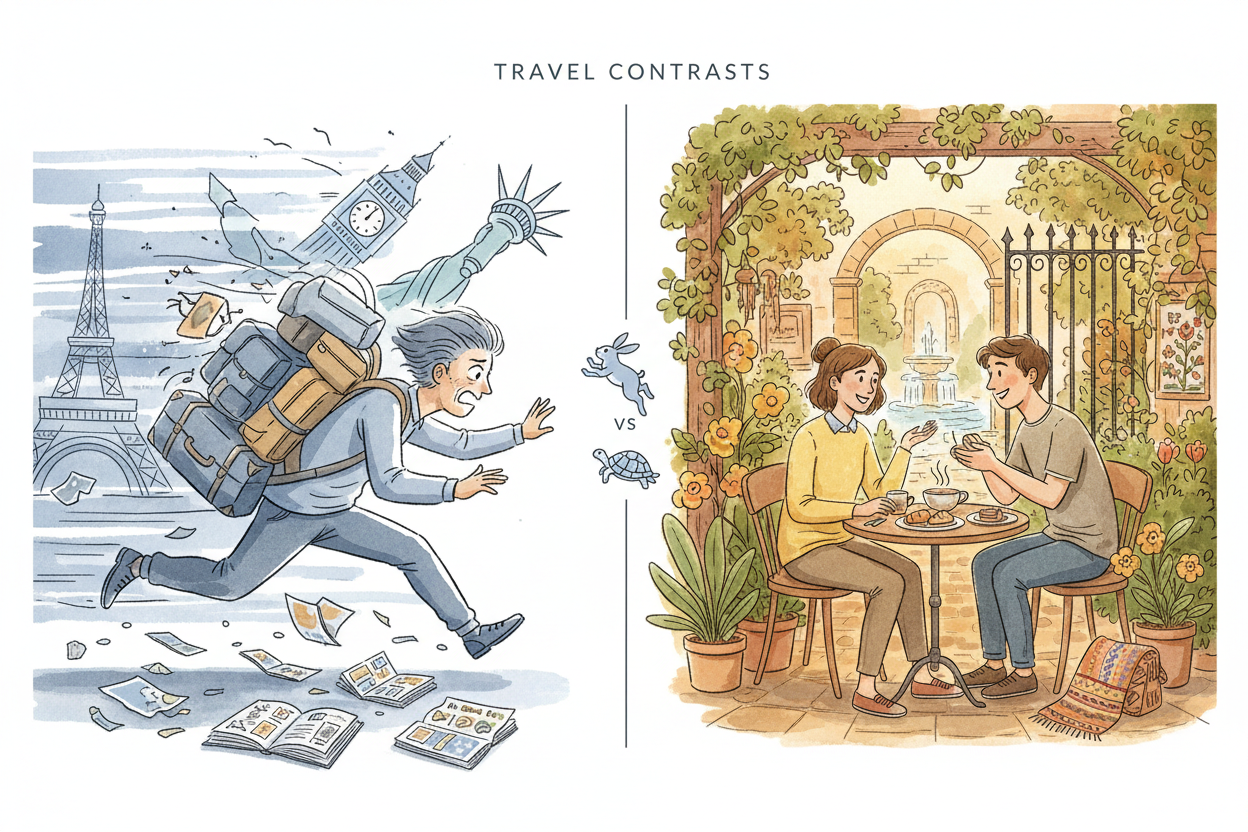
The “if it’s Tuesday, this must be Belgium” approach to European travel leaves tourists exhausted and prevents them from truly experiencing any destination. Trying to visit seven countries in ten days might sound impressive, but you’ll spend more time in transit than actually exploring.
Instead of rushing through multiple destinations, choose fewer places and explore them more thoroughly. This approach allows you to understand local culture, discover hidden gems that aren’t in guidebooks, and actually relax during your vacation. A good rule of thumb is to spend at least three days in major cities and two days in smaller towns.
Build buffer time into your schedule for unexpected discoveries. Some of the best travel experiences happen when you stumble upon a local festival, meet interesting people, or find a charming neighborhood that wasn’t on your original itinerary.
Consider the logistics of your route. Flying from London to Rome, then to Amsterdam, then back to Barcelona creates unnecessary travel time and expense. Plan geographically logical routes that minimize backtracking.
Accommodation Booking Errors
Location matters more than luxury when choosing European accommodations. Many tourists book hotels based solely on price or amenities without considering proximity to public transportation or major attractions. A slightly more expensive hotel in a central location often saves money on transportation and time commuting.
Read recent reviews carefully, paying attention to comments about noise levels, cleanliness, and neighborhood safety. European city centers can be lively late into the night, which might be exciting or disruptive depending on your preferences.
Book accommodations well in advance, especially during peak season (June through August) or during major events and festivals. Popular destinations like Barcelona, Amsterdam, or Prague can be completely booked months ahead during busy periods.
Consider alternative accommodations like vacation rentals, which can provide more space and kitchen facilities for longer stays. However, ensure these rentals are legal and properly registered, as some European cities have strict regulations on short-term rentals.
Technology and Communication Oversights
Staying connected while traveling is essential, but many tourists make expensive mistakes with international roaming charges or unreliable internet access. Check with your mobile provider about international plans before departure, but don’t assume their international package is your best option.
European SIM cards or eSIM options often provide better value for extended trips. Most European countries are part of the EU roaming agreement, meaning you can use data across multiple countries without additional charges when using a European mobile plan.
Download offline maps and translation apps before traveling. Google Maps allows you to download city maps for offline use, which is invaluable when you don’t have reliable internet access. Translation apps like Google Translate can work offline and even translate text through your camera, making restaurant menus and signs much easier to understand.
Safety and Security Negligence
While Europe is generally very safe for tourists, certain precautions prevent common problems. Pickpocketing remains an issue in crowded tourist areas, public transportation, and busy markets. The solution isn’t paranoia but awareness and preparation.
Use bags that zip closed and wear them in front of your body in crowded areas. Keep valuables in hotel safes rather than carrying everything with you. Make copies of important documents like passports and store them separately from the originals.
Be aware of common scams targeting tourists, such as the “gold ring” scam in Paris, fake petition signers in Rome, or overly friendly strangers offering to take your photo near major attractions. These scenarios often involve distraction while accomplices pick your pockets.
Research emergency numbers for each country you visit. While 112 works as an emergency number throughout the EU, knowing local police and medical emergency procedures can be helpful.
Conclusion
European travel doesn’t have to be complicated or stressful. By avoiding these common mistakes and implementing the expert solutions we’ve shared, you’ll save money, reduce frustration, and create more meaningful travel experiences. Remember that the best European adventures often happen when you’re prepared enough to be spontaneous.
The key to successful European travel lies in balancing thorough preparation with flexibility. Research local customs and practical details, but leave room for unexpected discoveries and genuine cultural exchanges. Europe’s greatest treasures aren’t always found in guidebooks – they’re discovered when you’re confident enough in your planning to wander off the beaten path.
Your European adventure awaits, and now you’re equipped with the knowledge to make it truly memorable for all the right reasons.
Book Now!
Call to action to book now.
Leave a Comment