River Cruise vs Ocean Cruise: A Specialist’s Complete Comparison
Standing at the crossroads of cruise vacation planning, you’re likely wondering whether to choose the intimate charm of river cruising or the grand adventure of ocean voyaging. As someone who’s spent over a decade helping travelers navigate these waters, I’ve witnessed countless clients grapple with this very decision. The truth is, both options offer extraordinary experiences, but they cater to vastly different travel personalities and preferences.
The cruise industry has exploded in recent years, with river cruising experiencing particularly dramatic growth. While ocean cruises have long dominated the market, river cruises have carved out their own devoted following among discerning travelers seeking a more refined, culturally immersive experience. Understanding the fundamental differences between these two cruise styles will help you make an informed decision that aligns perfectly with your travel dreams and expectations.
Ship Size and Capacity: Intimate vs Grand Scale
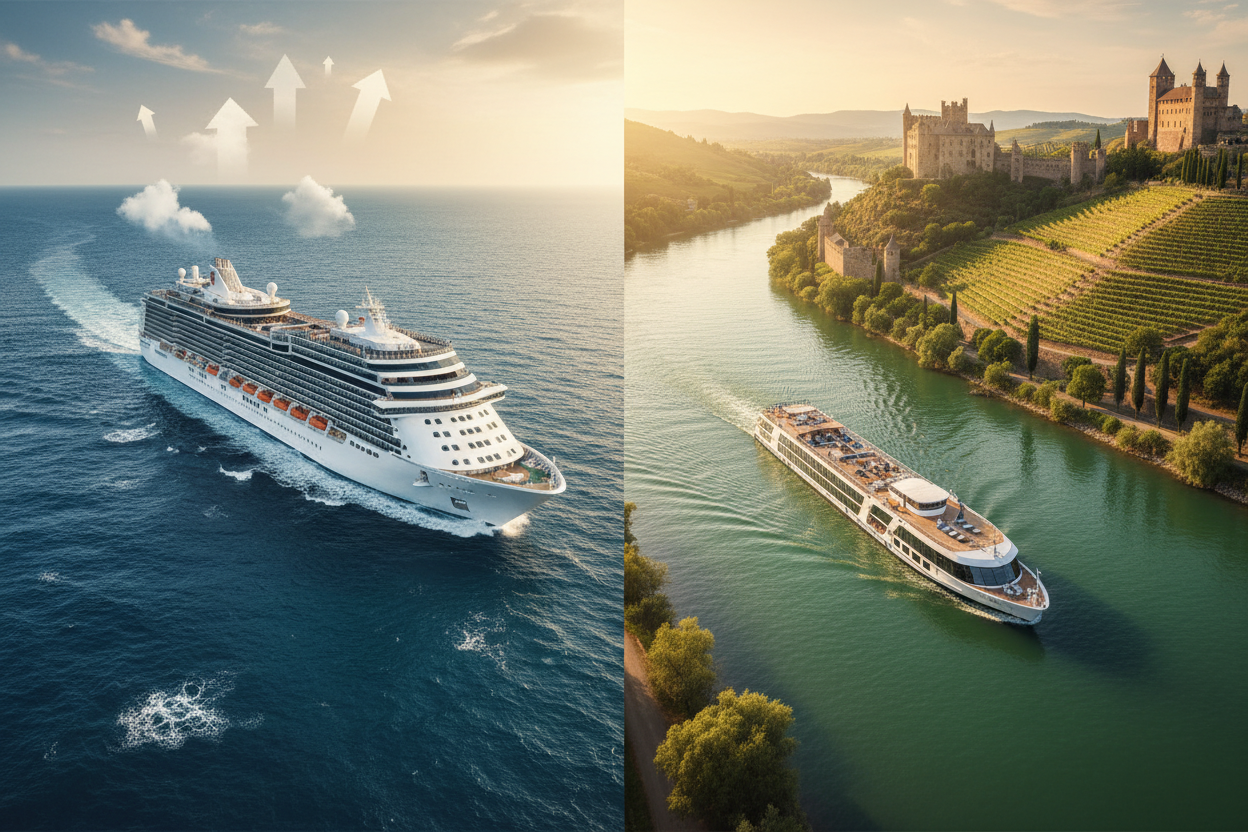
The most immediately noticeable difference between river and ocean cruises lies in the sheer scale of the vessels. River cruise ships are engineering marvels of efficiency and elegance, typically accommodating between 100 to 200 passengers. These sleek, elongated vessels are designed to navigate narrow waterways and pass under low bridges, creating an intimate atmosphere where you’ll quickly recognize fellow travelers and crew members.
Ocean cruise ships, on the other hand, are floating cities that can house anywhere from 1,000 to over 6,000 passengers. These massive vessels offer multiple decks, numerous dining venues, theaters, shopping promenades, and recreational facilities that rival land-based resorts. The choice between intimate and grand scale often comes down to personal preference: do you thrive in smaller, close-knit communities, or do you prefer the energy and anonymity that comes with larger crowds?
From a practical standpoint, smaller river ships mean shorter lines for dining and activities, more personalized service, and easier navigation around the vessel. However, ocean ships provide more variety in entertainment options, dining choices, and the ability to find quiet spaces even when the ship is at capacity.
Destinations and Itineraries: Cultural Immersion vs Diverse Landscapes
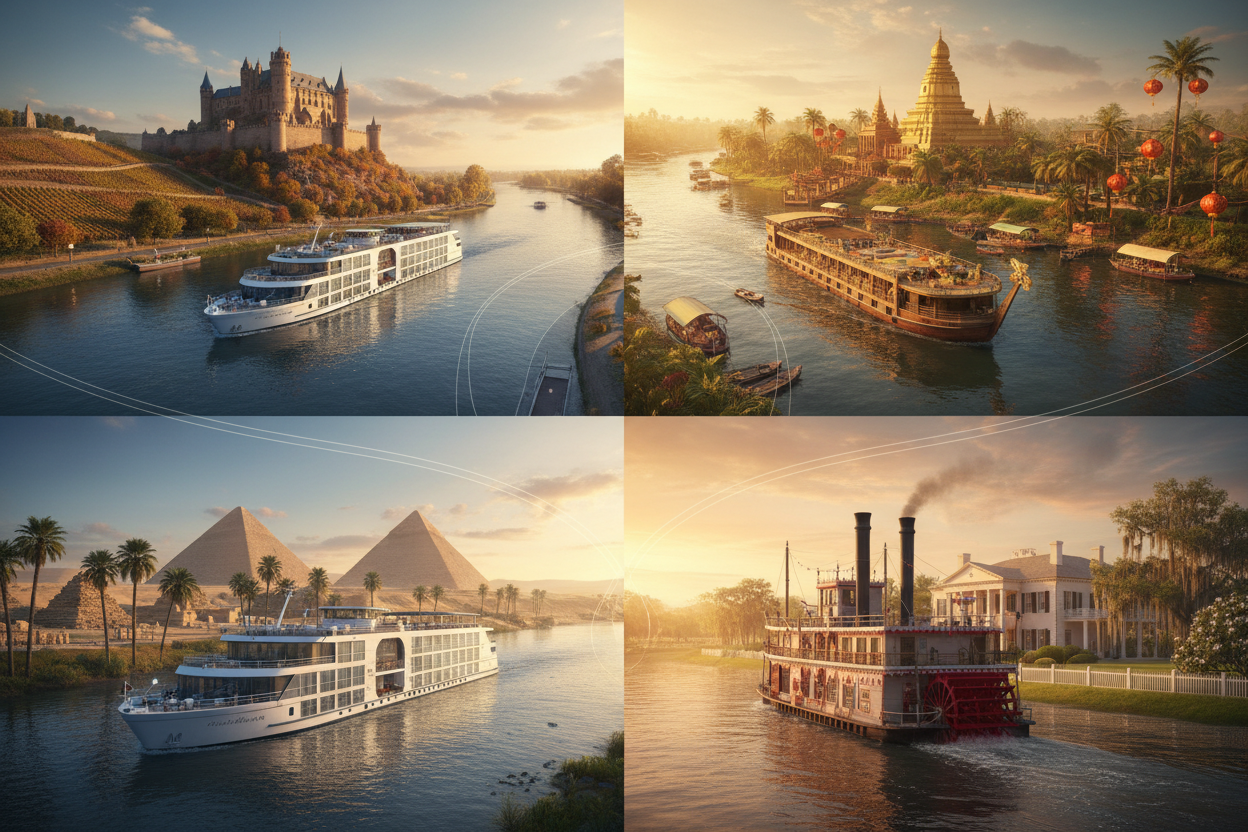
River cruises excel in delivering deep cultural immersion and historical exploration. These voyages typically focus on specific regions, allowing passengers to explore the heart of continents through their waterways. Popular river cruise destinations include the Rhine and Danube rivers in Europe, the Mekong in Southeast Asia, the Nile in Egypt, and the Mississippi in the United States. Each itinerary is carefully crafted to showcase local culture, history, and traditions.
Ocean cruises offer incredible geographic diversity, from tropical Caribbean islands to the dramatic fjords of Norway, the ancient Mediterranean coastlines, or the pristine wilderness of Alaska. These voyages often combine multiple countries or regions in a single trip, providing a broader but sometimes less in-depth exploration of destinations.
River cruise itineraries tend to be more port-intensive, with daily stops and sometimes overnight stays in significant cities. This approach allows for more comprehensive exploration of each destination. Ocean cruises typically feature longer sea days, which some passengers love for relaxation and ship-based activities, while others prefer constant destination exploration.
Onboard Amenities and Entertainment: Refined Elegance vs Resort-Style Fun
The amenities and entertainment options available onboard reflect the fundamental philosophy differences between river and ocean cruising. River cruise ships prioritize refined elegance and cultural enrichment. You’ll find sophisticated lounges, libraries, small fitness areas, and often a sun deck for scenic viewing. Entertainment typically consists of local cultural performances, educational lectures, and intimate piano bars.
Ocean cruise ships are entertainment powerhouses, featuring Broadway-style shows, multiple pools and water slides, rock climbing walls, ice skating rinks, casinos, nightclubs, and extensive spa facilities. These ships cater to diverse age groups and interests, offering something for everyone from toddlers to grandparents.
Dining on river cruises emphasizes local cuisine and regional specialties, often featuring ingredients sourced from ports of call. Most river ships have one main restaurant with open seating, creating a more communal dining experience. Ocean ships typically offer multiple specialty restaurants, casual dining options, room service, and various dietary accommodations, providing greater flexibility but sometimes at additional cost.
Cabin Accommodations: Panoramic Views vs Varied Options
River cruise cabins are designed to maximize the scenic experience, with most featuring floor-to-ceiling windows or French balconies that open to provide fresh air and unobstructed views. While these cabins are generally smaller than their ocean counterparts, they’re efficiently designed and offer surprising comfort. The key advantage is that virtually every cabin provides excellent views since river ships don’t have interior cabins.
Ocean cruise cabins range from interior staterooms with no windows to elaborate suites with private balconies and butler service. This variety allows for different budget points and preferences. However, interior and oceanview cabins may have limited or no natural light, which can feel confining during longer voyages.
Storage space tends to be more limited on river ships due to size constraints, so packing efficiently becomes more important. Ocean ship cabins generally offer more storage and living space, particularly in higher category accommodations.
Demographics and Atmosphere: Mature Sophistication vs Multi-Generational Energy
River cruises typically attract a more mature, well-traveled demographic, with most passengers being 50 years and older. This creates a sophisticated, quieter atmosphere focused on learning, cultural appreciation, and meaningful conversations. The pace is generally more relaxed, with emphasis on scenic cruising and cultural exploration rather than high-energy activities.
Ocean cruises attract a broader age range, from young families to retirees, creating a more diverse and energetic atmosphere. This multi-generational appeal means more varied activities, louder environments, and a wider range of interests and energy levels among passengers.
The social dynamics differ significantly as well. River cruises foster closer relationships among passengers due to the smaller numbers and repeated interactions. Ocean cruises offer more anonymity and the ability to find your preferred social circle among thousands of fellow travelers.
Cost Considerations: All-Inclusive Luxury vs Variable Pricing
River cruises typically operate on a more all-inclusive model, with shore excursions, Wi-Fi, beverages, and gratuities often included in the base price. While the upfront cost may seem higher, the actual total expense can be more predictable and sometimes more economical when all factors are considered.
Ocean cruises often advertise lower base prices, but additional costs for specialty dining, beverages, internet, shore excursions, and gratuities can add up quickly. However, the variety of cabin categories and the ability to choose which extras to purchase can make ocean cruises more budget-flexible.
Both cruise types offer seasonal pricing variations, with shoulder seasons often providing excellent value. River cruises tend to have more dramatic seasonal differences due to weather and water level considerations.
Weather and Seasonal Considerations: Natural Rhythms vs Year-Round Options
River cruises are more susceptible to seasonal variations and weather conditions. European river cruises typically operate from March through December, with summer being peak season. Water levels can affect itineraries, particularly during drought conditions or spring flooding. However, each season offers unique advantages, from spring blooms to autumn foliage to charming Christmas markets.
Ocean cruises generally offer more year-round options, though specific regions have optimal seasons. Caribbean cruises operate year-round but avoid hurricane season peaks, while Alaska cruises are limited to summer months. The larger size and advanced stabilization systems of ocean ships handle rough weather better than river vessels.
Making Your Decision: Which Cruise Style Suits You Best?
Choosing between river and ocean cruising ultimately depends on your travel personality, interests, and priorities. River cruises are ideal if you value cultural immersion, prefer smaller crowds, enjoy learning about history and local traditions, and appreciate a more refined, intimate atmosphere. They’re perfect for travelers who want to unpack once while exploring multiple destinations in depth.
Ocean cruises suit those who enjoy variety in entertainment and dining, prefer resort-style amenities, travel with multi-generational groups, or want the flexibility to customize their experience through various add-on options. They’re excellent for first-time cruisers, families, and those who enjoy the energy of larger crowds.
Consider your mobility needs as well. River ships often require more walking and stair climbing during shore excursions, while ocean ships typically offer more accessible options and elevator access throughout the vessel.
Both cruise styles offer incredible value and unforgettable experiences, just in different ways. Many seasoned travelers eventually try both, discovering that each serves different moods and travel goals. Whether you choose the intimate cultural journey of river cruising or the grand adventure of ocean voyaging, you’re embarking on a vacation style that has created countless cherished memories for millions of travelers worldwide.
Leave a Comment