Travel Tips That Actually Work: Advice from 50 Countries in 5 Years
After five years of wandering through 50 countries across six continents, I’ve learned that most travel advice you find online is either outdated, impractical, or written by someone who’s never actually left their hometown. The real gems come from experience – from missed flights in Mumbai, food poisoning in Morocco, and those magical moments when everything goes perfectly right in places you never expected.
This isn’t another generic list of “pack light and bring hand sanitizer.” These are the battle-tested strategies that have saved my sanity, my wallet, and sometimes even my life during half a decade of constant movement. Every tip here has been earned through trial and error, cultural mishaps, and countless conversations with locals who became unexpected teachers.
Money Matters: Financial Strategies That Actually Save You Cash
Let’s start with the elephant in the room – money. I’ve watched travelers burn through their budgets in spectacular fashion, and I’ve also discovered ways to stretch every dollar further than I thought possible.
The Tuesday flight booking myth? Complete nonsense. After tracking flight prices across dozens of routes, I found that the best deals come from booking exactly 54 days before domestic flights and 70 days before international ones. But here’s the real secret: clear your browser cookies before booking, or better yet, use incognito mode. Airlines track your searches and raise prices if they see you’re interested.
Credit cards are your best friend for international travel, but not for the reasons most people think. Yes, you avoid foreign transaction fees with the right card, but the real value is in the emergency backup they provide. In rural Vietnam, my debit card was skimmed, and my account was frozen. Having three different credit cards from different banks meant I could keep traveling while sorting out the mess.
Cash is still king in most of the world, despite what digital nomads on Instagram might tell you. In 30 of the 50 countries I visited, cash was not just preferred but required for everything from street food to taxi rides. Always carry small bills – a $100 note might as well be Monopoly money in a Guatemalan market.
Accommodation Hacks: Where to Sleep Without Breaking the Bank
Booking platforms have revolutionized travel, but they’ve also created new problems. The photos lie, the locations are often wrong, and the hidden fees can double your costs. After staying in everything from luxury resorts to monastery dormitories, I’ve developed a system that works.
Book your first night in advance, but leave the rest flexible. This strategy saved me countless times when the “beachfront” hotel turned out to be next to a construction site, or when I discovered a hidden gem that wasn’t online at all. That extra flexibility is worth the slight premium you might pay for last-minute bookings.
Airbnb isn’t always cheaper, especially once you factor in cleaning fees and service charges. But it becomes invaluable for stays longer than four days. The real advantage isn’t the kitchen or the local neighborhood feel – it’s having a local host who can give you insider information that no guidebook contains.
Hostels aren’t just for backpackers in their twenties. Some of the most interesting conversations I had were with retired teachers in Japanese hostels and business executives in Berlin dorms. The key is reading reviews carefully and looking for mentions of cleanliness, noise levels, and whether the staff speaks English if you need it.
Transportation Tactics: Getting Around Like a Local
Transportation can make or break your travel experience, and it’s where cultural differences become most apparent. What works in Switzerland will get you stranded in rural Thailand.
Download offline maps before you arrive anywhere. Google Maps works in most places, but Maps.me saved my life in countries where Google is blocked or unreliable. Having offline navigation means you can walk confidently through unfamiliar cities without looking like a lost tourist with your phone out.
Learn the local transport etiquette before using public systems. In Japan, talking on trains is considered rude. In India, women-only train cars exist for good reason. In Mexico City, rush hour metro rides are an extreme sport. A little research prevents cultural faux pas and keeps you safe.
Ride-sharing apps vary wildly by country. Uber dominates in some places but is banned in others. Grab rules Southeast Asia, Didi is essential in China, and in many African countries, local taxi apps work better than international ones. Download the local favorite before you need it.
Cultural Navigation: Avoiding Mistakes That Mark You as a Tourist
Cultural sensitivity isn’t just about being polite – it’s about safety, getting better prices, and having authentic experiences. Every country has unwritten rules that can dramatically impact your visit.
Dress codes matter more than Western travelers often realize. In conservative countries, covering up isn’t just respectful – it’s practical. I watched tourists get turned away from temples, restaurants, and even public transportation for inappropriate clothing. Pack one outfit that covers everything, even if you never plan to use it.
Tipping customs are incredibly specific and often counterintuitive. In Japan, tipping can be insulting. In the United States, not tipping is theft. In many European countries, rounding up is sufficient. Research this before you go, because getting it wrong can create awkward situations or even offense.
Body language speaks louder than words. The thumbs-up sign is offensive in parts of the Middle East. Showing the soles of your feet is rude in Thailand. Pointing with your index finger is considered aggressive in many African countries. These small details can completely change how locals perceive and treat you.
Health and Safety: Staying Well Without Paranoia
Travel health advice tends to be either overly cautious or dangerously casual. The reality is somewhere in the middle, and it varies dramatically by destination and personal risk tolerance.
Travel insurance isn’t optional, but the cheap policies are often worthless. I learned this the hard way when a basic policy wouldn’t cover a motorcycle accident in Thailand because it was considered an “extreme sport.” Read the fine print, especially the exclusions, and consider what activities you might actually do.
Water safety is more nuanced than “don’t drink the tap water.” In many developed countries, tap water is perfectly safe. In others, even locals drink bottled water. The key is understanding local infrastructure, not following blanket rules. When in doubt, stick to sealed bottles, but don’t assume all tap water will make you sick.
Vaccinations are essential for certain regions, but over-vaccination is expensive and unnecessary. Consult a travel medicine clinic, not just your regular doctor. They have current information about disease outbreaks and can recommend vaccines based on your specific itinerary, not generic country requirements.
Communication Strategies: Breaking Down Language Barriers
You don’t need to be fluent to communicate effectively, but you do need strategy. Technology helps, but human connection often works better.
Learn five essential phrases in the local language: hello, thank you, excuse me, how much, and where is the bathroom. These basics show respect and often lead to friendlier interactions. Locals appreciate the effort, even if your pronunciation is terrible.
Translation apps are miraculous but not foolproof. Google Translate’s camera function can read signs and menus, but it sometimes produces hilariously wrong results. Use it as a starting point, not gospel truth. For important communications, try to verify translations with multiple sources.
Non-verbal communication is universal. Smiling, pointing, drawing pictures, and using hand gestures can convey surprising amounts of information. I’ve had entire conversations with shopkeepers who spoke no English, using nothing but gestures and facial expressions.
Food Adventures: Eating Well While Staying Healthy
Food is often the highlight of travel, but it’s also the most common source of problems. Finding the balance between adventure and safety takes practice and common sense.
The “eat where locals eat” advice is mostly good, but it needs refinement. Eat where locals eat regularly, not just where they grab quick snacks. A restaurant full of local families during dinner time is probably safe. A street cart with no customers might be cheap, but it’s risky.
Street food can be incredibly safe if you know what to look for. High turnover means fresh ingredients. Visible cooking means you can see hygiene practices. Hot food is generally safer than cold. Some of my best meals came from street vendors, but I was selective about which ones.
Dietary restrictions are challenging but manageable with preparation. Learn how to explain your restrictions in the local language, research traditional dishes that naturally fit your diet, and always carry backup snacks. Vegetarianism is understood in most places, but specific allergies or religious restrictions might need more explanation.
Technology and Connectivity: Staying Connected Without Overspending
Staying connected while traveling is essential for navigation, communication, and emergencies, but roaming charges can destroy your budget faster than any other single expense.
International phone plans from your home carrier are usually overpriced. Local SIM cards are almost always cheaper for stays longer than a week, but they require an unlocked phone and some technical knowledge. Research the major carriers in each country before you arrive.
WiFi is ubiquitous but not always reliable or secure. Download important information offline before you need it. Maps, translation apps, and travel documents should all be accessible without internet. Public WiFi is convenient but dangerous for sensitive activities like banking.
Power adapters are more complex than most people realize. It’s not just about the plug shape – voltage and frequency matter too. A universal adapter handles plugs, but you might need a voltage converter for certain devices. Research the electrical standards of your destination.
Lessons Learned: The Wisdom of 50 Countries
After five years of constant travel, the most important lesson I’ve learned is that flexibility trumps planning every time. The best experiences came from saying yes to unexpected opportunities, not from following rigid itineraries.
Every country taught me something different. Japan showed me the value of punctuality and respect. India taught me patience and adaptability. Morocco demonstrated the importance of negotiation skills. These weren’t just travel lessons – they were life lessons that changed how I approach challenges at home.
The world is simultaneously smaller and larger than you think. Globalization means you’ll find familiar brands and experiences almost everywhere, but local cultures remain beautifully distinct. The key is appreciating both the similarities and differences without judgment.
Travel isn’t always Instagram-worthy, and that’s perfectly fine. Some of my most valuable experiences were difficult, uncomfortable, or even scary at the time. Getting food poisoning in rural Bolivia wasn’t fun, but it taught me resilience and led to unexpected kindness from strangers who helped me recover.
These tips work because they’re based on real experience, not theoretical knowledge. They’ve been tested in monsoons and heat waves, during political upheavals and natural disasters, in luxury resorts and budget hostels. Most importantly, they’ve been refined through conversations with fellow travelers who shared their own hard-won wisdom.
Travel changes you, but only if you let it. The countries you visit will challenge your assumptions, expand your perspective, and teach you things about yourself you never knew. The practical tips in this post will help you navigate the logistics, but the real journey happens in your mind and heart. Pack light, stay flexible, and remember that the best stories always come from the unexpected detours.
Your Stress-Free Journey Begins Here”
Planning a vacation doesn’t have to be overwhelming.
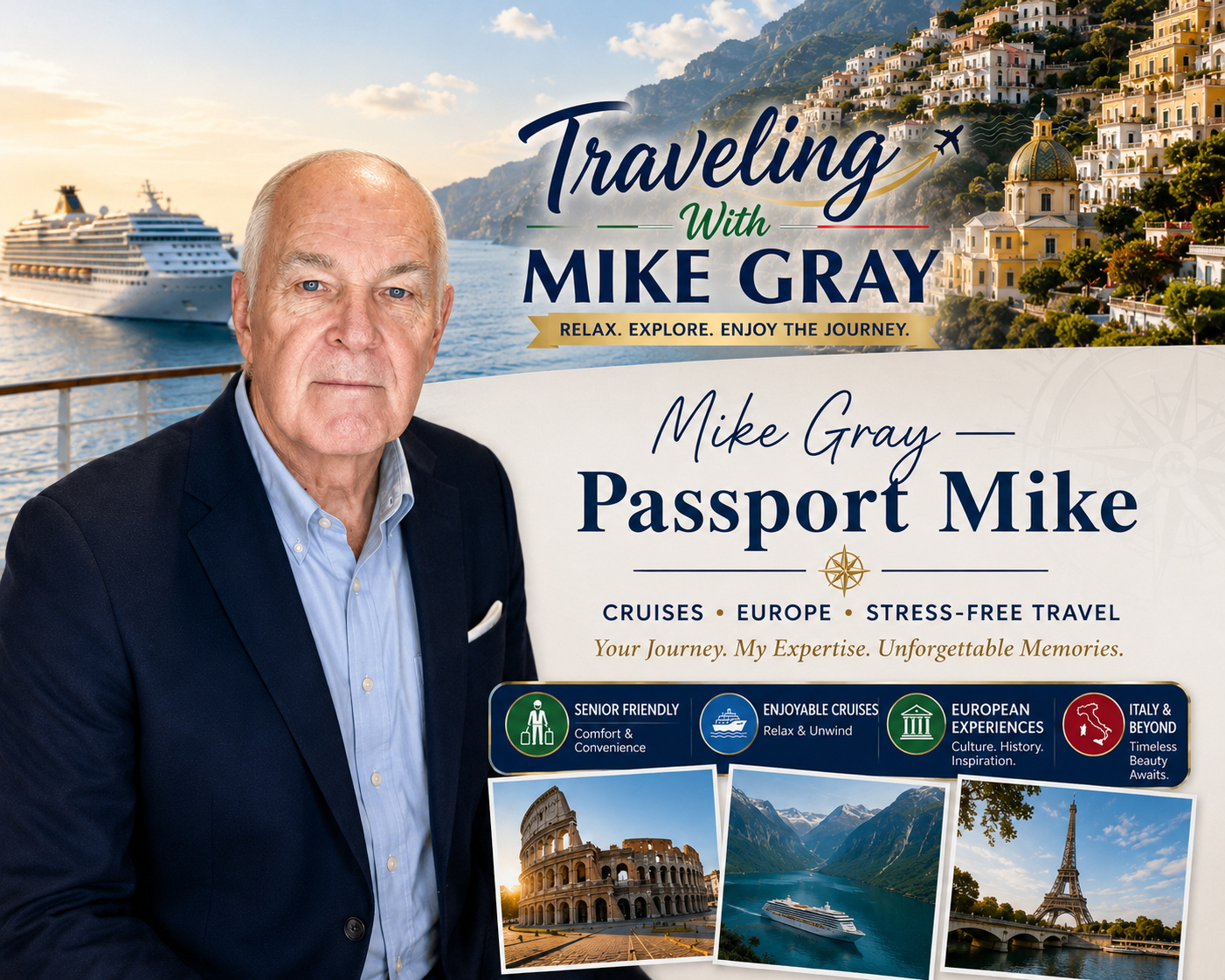
I help travelers save time, avoid common mistakes, and enjoy stress-free vacations. Whether you’re planning a cruise, a European tour, or your next bucket-list trip, I’d love to help.
Visit www.//mikegray.cruisebrothers.com/cb to learn more, or contact me today to start planning your next adventure. Your stress-free journey begins here.
Leave a Comment