
Travel Agent vs DIY Planning: The Real Cost Comparison That Will Surprise You
Planning your dream vacation can feel overwhelming. With endless options at your fingertips and the promise of saving money by doing it yourself, many travelers assume that booking everything independently is always the cheaper route. But what if I told you that this common belief might be costing you more than you think?
After years of helping travelers navigate their vacation planning decisions, I’ve discovered something that consistently surprises people: the true cost comparison between using a travel agent and DIY planning isn’t as straightforward as most assume. In fact, the results might completely change how you approach your next trip.

Let’s dive deep into the real numbers, hidden costs, and surprising benefits that will help you make the smartest decision for your travel budget and peace of mind.
The Hidden Costs of DIY Travel Planning
When you decide to plan your own trip, the initial appeal is obvious – you’re cutting out the middleman and their fees. However, the reality of DIY planning comes with several hidden costs that most travelers don’t factor into their budget calculations.
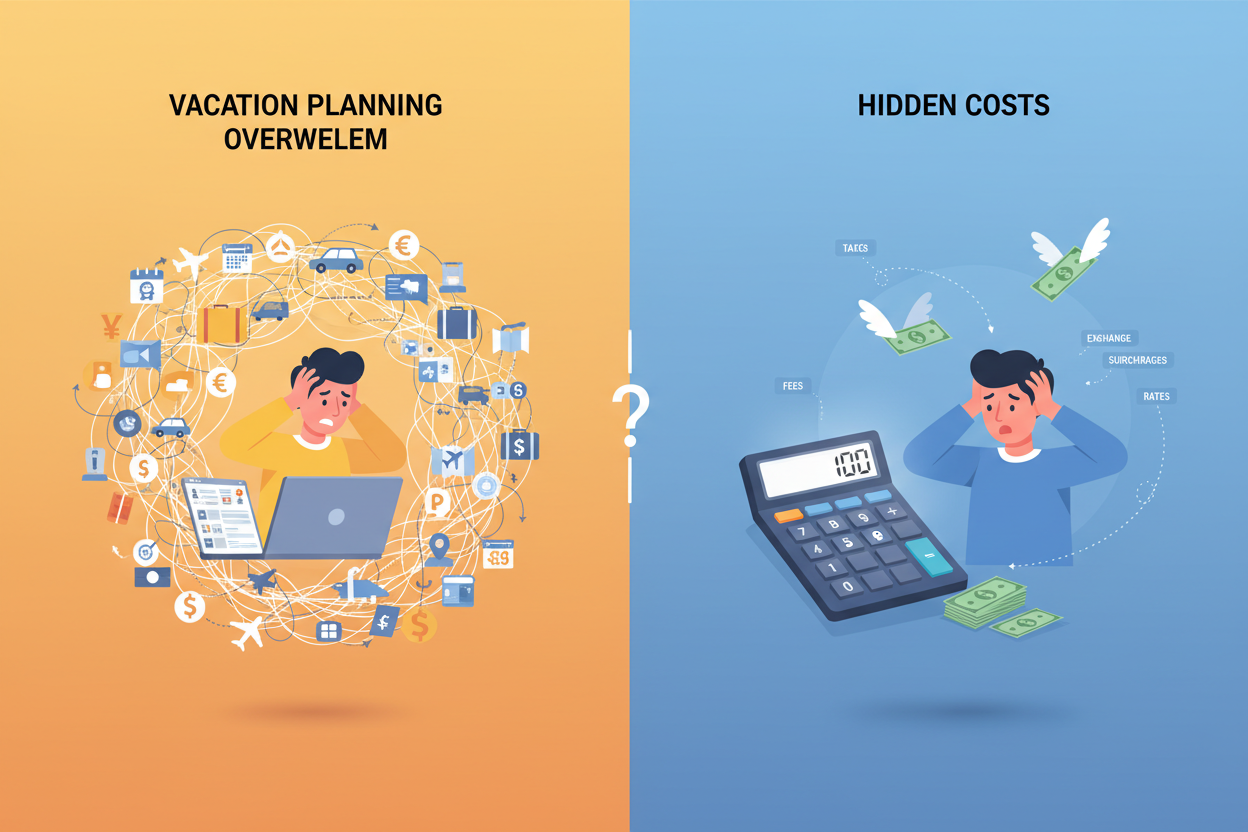
Time is perhaps the biggest hidden expense. The average person spends 40-60 hours researching and booking a week-long vacation. If you value your time at even minimum wage, that’s $300-450 in opportunity cost. For professionals earning higher hourly rates, this number can easily exceed $1,000.
Then there’s the learning curve tax. Without industry knowledge, DIY planners often miss out on the best deals, book non-refundable rates without understanding the implications, or choose accommodations that look great online but disappoint in reality. These mistakes can add hundreds or even thousands to your trip cost.
Price monitoring is another challenge. While you might spend hours finding what seems like a great deal, prices fluctuate constantly. Travel agents have access to real-time pricing tools and can monitor rates professionally, often securing better deals than individual travelers can find on their own.
What Travel Agents Actually Cost (And What You Get)
The biggest misconception about travel agents is that they’re expensive luxury services. In reality, most travel agents earn their income through supplier commissions, meaning their services often cost you nothing extra. When agents do charge planning fees, they typically range from $50-150 for domestic trips and $150-500 for international travel.
But here’s where it gets interesting: experienced travel agents often save clients more money than their fees cost. They have access to wholesale rates, group discounts, and industry connections that aren’t available to the general public. Many agents can secure room upgrades, resort credits, or package deals that more than offset their fees.
Travel agents also provide insurance against costly mistakes. If your flight gets cancelled or your hotel loses your reservation, agents handle the rebooking process and often have emergency contacts that can resolve issues faster than you could on your own. The value of this service becomes crystal clear when travel disruptions occur.
Consider the expertise factor as well. A good travel agent brings years of experience and destination knowledge to your planning process. They know which cruise cabins to avoid, which hotels have recent renovation issues, and which tour companies provide the best value. This insider knowledge can save you from expensive disappointments.
Breaking Down Real-World Cost Scenarios
Let’s examine three common travel scenarios to see how the costs actually compare in practice.
For a family Caribbean vacation, DIY planning might initially seem cheaper. You find flights for $1,200 per person and a resort at $300 per night. However, you book during regular rates without realizing a promotion starts the following week. A travel agent with industry relationships might secure the same trip with 20% off resort rates plus free airport transfers, saving the family $800-1,200 overall.
European honeymoon planning presents another interesting case study. DIY planners often book city by city, paying individual hotel rates and separate transportation costs. Travel agents can access honeymoon packages that include romantic upgrades, champagne services, and bundled pricing that individual travelers can’t obtain. The agent’s commission-based fee structure means these perks come at no additional cost to the couple.
Business travel showcases perhaps the starkest difference. While a DIY business traveler might book the cheapest available options, a travel agent understands the importance of flexible tickets, preferred airline status, and hotel loyalty programs. The agent’s expertise in corporate travel policies and expense management often results in both cost savings and improved travel experiences.
When DIY Planning Makes Financial Sense
DIY planning isn’t always the more expensive option. Certain types of trips genuinely benefit from the self-service approach, both financially and experientially.
Simple domestic trips often fall into this category. If you’re planning a weekend getaway to a familiar destination with straightforward logistics, the time investment is minimal and the potential savings are real. You know the area, understand your preferences, and can make quick decisions without extensive research.
Budget backpacking and adventure travel also favor DIY planning. These trips often involve last-minute decisions, spontaneous route changes, and accommodation types that travel agents might not specialize in. The flexibility to book hostels, change plans on the fly, and embrace uncertainty is part of the adventure travel experience.
Frequent travelers with established preferences and loyalty program status might also find DIY planning more cost-effective. If you already know which airlines and hotels you prefer, have elite status benefits, and enjoy the planning process, you might achieve better results on your own.
The Technology Factor: How Apps and Websites Change the Game
Modern travel technology has significantly impacted the agent versus DIY debate. Booking platforms, price comparison sites, and travel apps have made it easier for individual travelers to access deals and manage their trips.
However, technology cuts both ways. While consumers now have access to more information, they also face information overload. The sheer number of options can lead to decision paralysis and poor choices. Travel agents use professional-grade technology tools that filter options more effectively than consumer-facing websites.
Price comparison sites, while helpful, don’t always show the complete picture. They might display base rates without taxes, fees, or restrictions clearly outlined. Travel agents understand the fine print and can explain the true total cost of different options.
Mobile apps have made travel management easier, but they can’t replace human expertise when problems arise. When your flight is delayed and you’re missing connections, having a travel agent who can immediately start rebooking alternatives while you’re still in transit is invaluable.
Making the Smart Choice for Your Next Trip
The decision between using a travel agent or planning yourself shouldn’t be based solely on upfront costs. Consider the total value equation, including your time, stress levels, expertise needs, and risk tolerance.
Choose a travel agent when you’re planning complex itineraries, traveling to unfamiliar destinations, organizing group trips, or booking high-stakes travel like honeymoons or milestone celebrations. The expertise and support they provide often delivers better value than the apparent savings of DIY planning.
Opt for DIY planning when you’re comfortable with the destination, enjoy the research process, have flexible travel dates, and are planning relatively simple trips. Your time investment will be reasonable, and you’ll have full control over every decision.
Consider a hybrid approach for many situations. Use a travel agent for complex portions of your trip while handling simple elements yourself. For example, let an agent book your international flights and accommodations while you arrange local activities and transportation independently.
The Bottom Line: Value Beyond Dollars
The real surprise in comparing travel agent costs versus DIY planning isn’t just about money – it’s about recognizing that the cheapest option isn’t always the best value. While DIY planning can save money in certain situations, travel agents often provide superior value through their expertise, connections, and support services.
The key is matching your choice to your specific situation, travel style, and priorities. Sometimes paying a little more upfront results in significant savings and better experiences overall. Other times, the DIY approach perfectly suits your needs and budget.
Before your next trip, take time to honestly assess the complexity of your plans, the value of your time, and your comfort level with travel logistics. You might be surprised to discover that the option you assumed was more expensive actually offers the better deal when you consider the complete picture.
Remember, the best travel investment is the one that gets you to your destination safely, comfortably, and within budget – whether that’s through professional assistance or your own careful planning.
Your Stress-Free Journey Begins Here”
Planning a vacation doesn’t have to be overwhelming.
I help travelers save time, avoid common mistakes, and enjoy stress-free vacations. Whether you’re planning a cruise, a European tour, or your next bucket-list trip, I’d love to help.
Visit www.//mikegray.cruisebrothers.com/cb to learn more, or contact me today to start planning your next adventure. Your stress-free journey begins here.
Helpful information as I haven’t taken a trip in awhile.
I’d be happy to assist you in making plans. There’s no time like the present. Thanks.