The Complete Guide to European River Cruises for First-Timers
Picture yourself gliding through the heart of Europe, watching medieval castles drift past your window while you sip morning coffee. European river cruises offer an enchanting way to explore multiple countries without the hassle of constant packing and unpacking. If you’ve been dreaming of this unique travel experience but feel overwhelmed by the options, you’re in the right place. This comprehensive guide will walk you through everything you need to know about European river cruising, from choosing the perfect itinerary to packing like a pro.
Why Choose European River Cruises Over Ocean Cruises
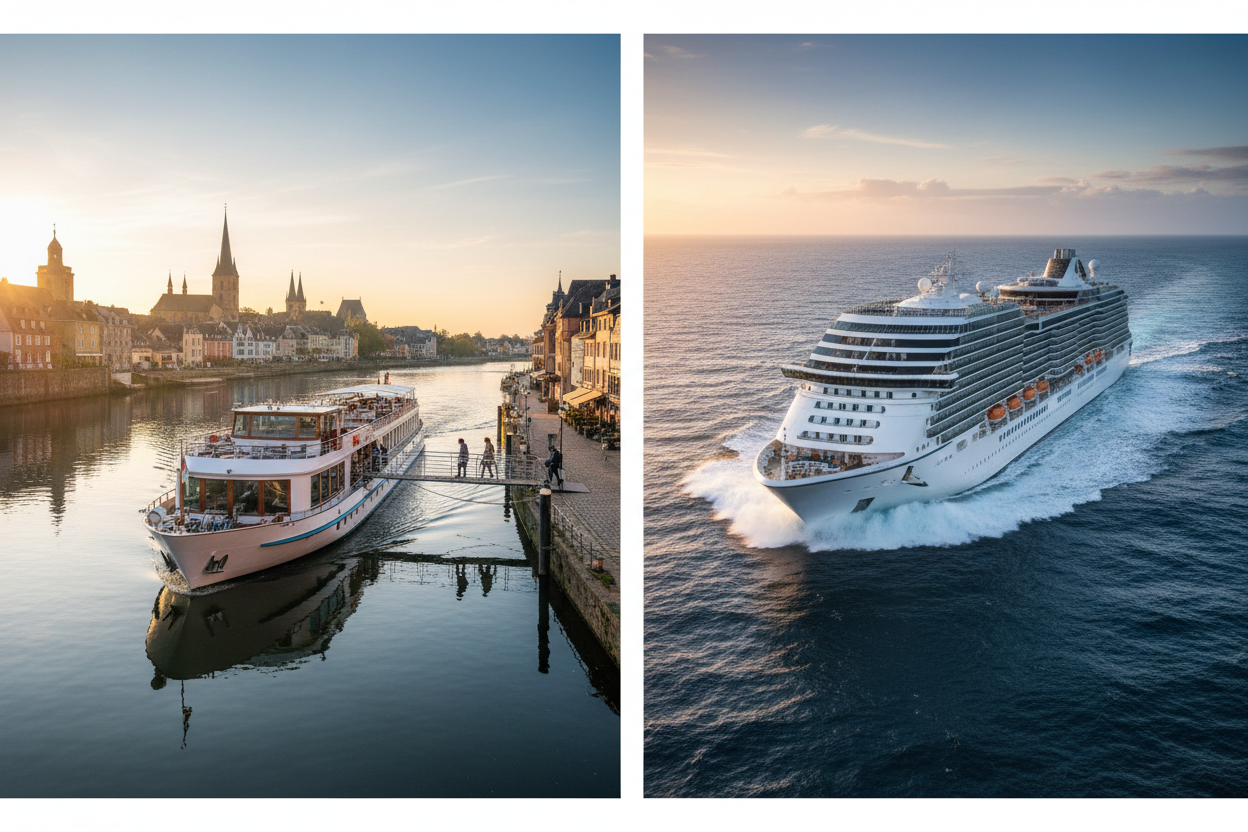
European river cruises provide an intimate travel experience that’s worlds apart from massive ocean vessels. With ships typically accommodating 100-200 passengers rather than thousands, you’ll enjoy personalized service and a more relaxed atmosphere. The smaller size also means you can dock right in city centers, often within walking distance of major attractions.
Unlike ocean cruises where you might spend entire days at sea, river cruises offer daily opportunities to explore new destinations. You’ll wake up in a different city almost every morning, maximizing your sightseeing time. The calm waters of European rivers also mean virtually no seasickness – a major advantage for those prone to motion sensitivity.
The cultural immersion is deeper too. Many river cruise lines employ local guides who share insider knowledge about regional history, cuisine, and traditions. You’re not just visiting Europe; you’re experiencing it through the eyes of locals who call these places home.
Most Popular European River Cruise Routes
The Rhine River remains the most popular choice for first-time river cruisers, and for good reason. This iconic waterway flows through Switzerland, France, Germany, and the Netherlands, offering stunning scenery from the Swiss Alps to the Dutch tulip fields. You’ll sail past fairy-tale castles, terraced vineyards, and charming medieval towns that seem frozen in time.
The Danube River provides equally spectacular experiences, connecting ten countries from Germany’s Black Forest to Romania’s Black Sea. Popular segments include the romantic stretch through Austria’s Wachau Valley and Hungary’s dramatic Danube Bend. This route showcases imperial capitals like Vienna and Budapest alongside hidden gems like Dürnstein and Melk.
For wine enthusiasts, the Douro River in Portugal offers an unforgettable journey through the world’s oldest demarcated wine region. The terraced vineyards of the Douro Valley create a breathtaking backdrop as you sample port wines and explore quintas (wine estates).
The Seine River cruise from Paris to Normandy appeals to history buffs and art lovers alike. You’ll visit Monet’s garden in Giverny, explore the D-Day beaches, and discover charming Norman villages while using Paris as your starting point.
Best Time to Book Your European River Cruise
Timing can make or break your river cruise experience. The peak season runs from April through October, with each period offering distinct advantages. Spring cruises (April-May) showcase blooming landscapes and mild weather, though you might encounter occasional rain showers.
Summer months (June-August) provide the warmest weather and longest daylight hours, perfect for extensive sightseeing. However, this is also peak tourist season, meaning crowded attractions and higher prices. The upside? You’ll have the best weather for outdoor activities and al fresco dining.
Fall cruises (September-October) offer many travelers’ favorite combination of pleasant weather, fewer crowds, and stunning autumn foliage. The harvest season also means wine tastings are at their peak, and local festivals celebrate the bounty of the season.
Winter cruises, while limited, provide a magical Christmas market experience along the Rhine and Danube. The festive atmosphere, twinkling lights, and traditional crafts create an enchanting holiday experience, though weather can be unpredictable.
Choosing the Right River Cruise Line
European river cruise lines cater to different preferences and budgets, so selecting the right one is crucial for your enjoyment. Luxury lines like AmaWaterways and Viking River Cruises offer spacious staterooms, gourmet dining, and extensive included excursions. These companies typically attract well-traveled passengers seeking refined experiences.
Mid-range options such as Avalon Waterways and Uniworld provide excellent value with comfortable accommodations and quality service. Avalon’s panorama suites feature wall-to-wall windows that transform into open-air balconies, while Uniworld focuses on boutique-style ships with unique décor.
Budget-conscious travelers might consider Emerald Waterways or CroisiEurope, which offer solid experiences at lower price points. While amenities might be more basic, you’ll still enjoy the core river cruise experience of daily destinations and scenic sailing.
Consider factors like ship size, dining options, included excursions, and onboard amenities when making your choice. Some lines cater to specific interests – Tauck focuses on guided touring, while Scenic emphasizes all-inclusive luxury with butler service and complimentary beverages.
What to Expect Onboard Your River Cruise Ship
River cruise ships are floating boutique hotels designed for comfort and efficiency. Most feature three or four decks with a sun deck on top for scenic viewing. Staterooms are typically smaller than ocean cruise cabins but cleverly designed to maximize space and comfort.
The main restaurant usually offers open seating with regionally-inspired menus that change based on your location. Many ships feature floor-to-ceiling windows in dining areas, allowing you to enjoy meals while watching the scenery pass by. Some vessels also include specialty restaurants or casual bistros.
Common areas typically include a lounge with panoramic views, a small fitness area, and sometimes a spa or pool. The atmosphere is relaxed and sophisticated, with most passengers dressing casually during the day and slightly more formally for dinner.
Entertainment tends to be low-key compared to ocean cruises – think local musicians, cultural presentations, and educational lectures rather than Vegas-style shows. This creates opportunities for meaningful conversations with fellow passengers and crew members.
Essential Packing Tips for River Cruises
Packing for a European river cruise requires strategic thinking since stateroom storage is limited. Focus on versatile pieces that can be mixed, matched, and layered. Comfortable walking shoes are absolutely essential – you’ll do significant walking during daily excursions.
Pack layers for varying weather conditions and temperatures. A light rain jacket or umbrella is crucial, as European weather can be unpredictable. Include at least one dressier outfit for the captain’s dinner or special evening events.
Don’t forget practical items like a small day pack for excursions, universal power adapters, and any necessary medications. Many ships provide hair dryers and basic toiletries, so check with your cruise line to avoid overpacking.
Consider packing cubes to maximize suitcase space and keep items organized in small staterooms. A small crossbody bag is perfect for carrying essentials during walking tours while keeping your hands free for photos.
Making the Most of Shore Excursions
Shore excursions are the heart of river cruising, offering expertly guided tours that bring destinations to life. Most cruise lines include at least one excursion per port, typically walking tours of city centers or visits to major attractions. These tours are designed for various activity levels, from gentle strolls to more active adventures.
Consider upgrading to special interest tours that align with your passions. Wine tastings, culinary experiences, and historical deep-dives provide more focused exploration. Some lines offer bike tours for active travelers who want to cover more ground.
Don’t feel obligated to join every group tour. River cruise ships dock in city centers, making independent exploration easy and safe. Grab a map from the ship’s reception desk and venture out on your own to discover local cafes, markets, and hidden gems.
Take advantage of the ship’s local guides and crew members – they’re fountains of knowledge about regional culture, history, and insider tips. Many are happy to recommend restaurants, shops, or attractions that aren’t on the standard tourist trail.
Dining and Culinary Experiences
European river cruises excel at showcasing regional cuisine as you travel through different countries and cultures. Menus change regularly to reflect local specialties – you might enjoy wiener schnitzel in Austria, coq au vin in France, and goulash in Hungary, all within the same week.
Most ships accommodate dietary restrictions and preferences with advance notice. Vegetarian options are standard, and many lines can handle gluten-free, kosher, or other special dietary needs with proper communication.
Take advantage of culinary shore excursions like cooking classes, market tours, and wine tastings. These experiences provide deeper cultural understanding while satisfying your taste buds. Local food and wine pairings often highlight regional specialties you might never encounter otherwise.
Don’t miss opportunities to dine ashore in local restaurants. Your ship’s concierge or local guides can recommend authentic establishments where you can experience genuine regional cuisine away from tourist areas.
Final Tips for First-Time River Cruisers
European river cruises offer an unparalleled way to experience multiple destinations with ease and comfort. The intimate atmosphere, cultural immersion, and scenic beauty create memories that last a lifetime. Remember that river cruising is about the journey as much as the destinations – embrace the slower pace and savor each moment.
Book early for the best stateroom selection and pricing, especially if you’re traveling during peak season or have specific cabin preferences. Consider travel insurance to protect your investment, and don’t forget to notify your bank of international travel plans.
Most importantly, approach your first river cruise with an open mind and adventurous spirit. Whether you’re marveling at Rhine Valley castles, exploring Danube capitals, or sampling Douro wines, you’re about to embark on a uniquely European adventure that will leave you planning your next river cruise before you’ve even returned home.
Leave a Comment