The Complete Guide to European Cruise Ports and Shore Excursions
Picture yourself standing on the deck of a magnificent cruise ship as it glides into the azure waters of the Mediterranean, or perhaps watching the dramatic fjords of Norway unfold before your eyes. European cruising offers an unparalleled opportunity to explore multiple countries and cultures in a single journey, making it one of the most popular vacation choices for travelers worldwide. With over 300 cruise ports scattered across Europe’s coastlines, from the sun-drenched Greek islands to the rugged Scottish Highlands, each destination promises unique experiences and unforgettable memories.
Whether you’re a first-time cruiser or a seasoned traveler looking to maximize your European adventure, understanding the intricacies of cruise ports and shore excursions can make the difference between a good trip and an extraordinary one. This comprehensive guide will navigate you through Europe’s most captivating cruise destinations, helping you make informed decisions about which ports to prioritize and which shore excursions will create lasting memories.
Top Mediterranean Cruise Ports You Can’t Miss
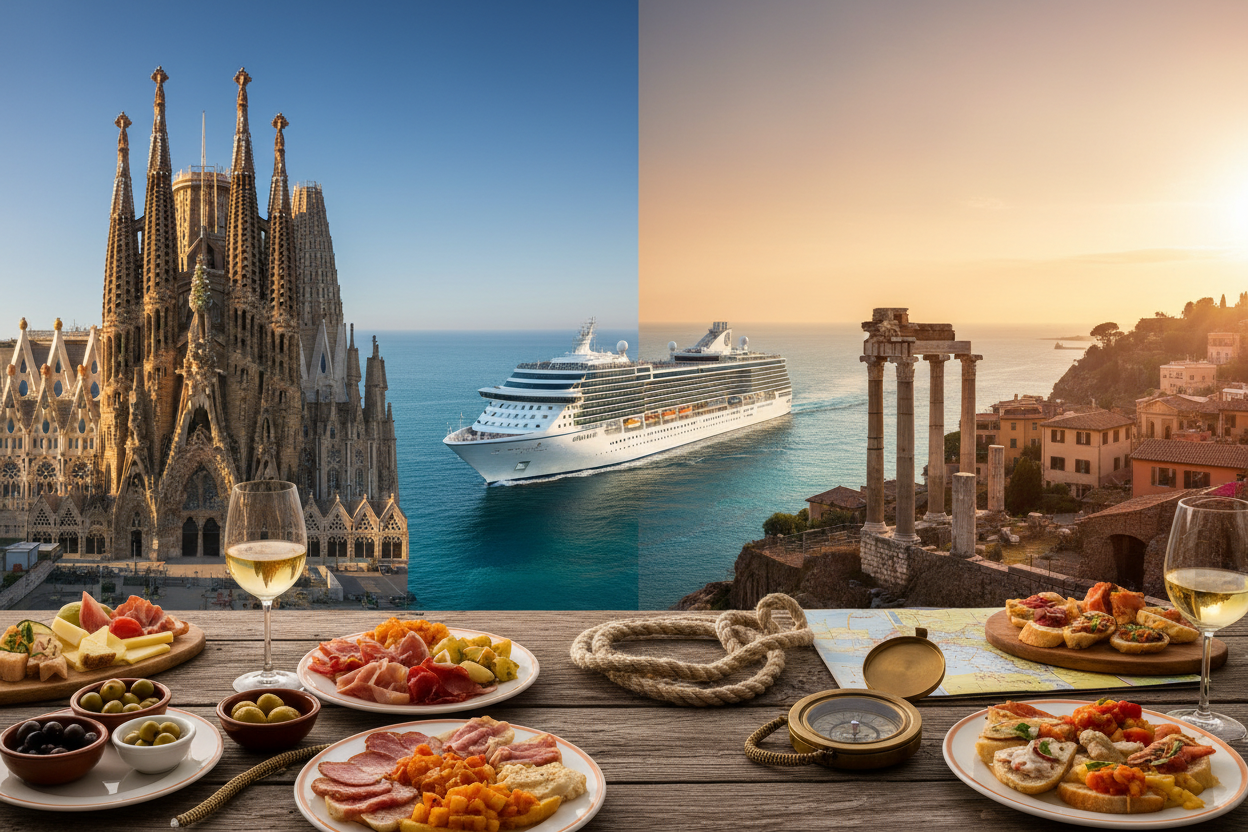
The Mediterranean remains the crown jewel of European cruising, offering a perfect blend of ancient history, stunning architecture, and culinary delights. Barcelona, Spain, serves as one of the most popular embarkation ports, where Gaudi’s architectural masterpieces like the Sagrada Familia and Park Güell provide a spectacular start to any Mediterranean journey.
Rome’s port of Civitavecchia opens doors to the Eternal City, where the Colosseum, Vatican City, and Trevi Fountain await exploration. Many cruise lines offer full-day excursions that efficiently combine these must-see attractions, though independent travelers might prefer the flexibility of exploring at their own pace.
The Greek islands present perhaps the most picturesque Mediterranean experience. Santorini’s white-washed buildings perched on volcanic cliffs create Instagram-worthy moments, while Mykonos offers vibrant nightlife and charming windmills. Rhodes combines medieval history with beautiful beaches, making it ideal for both culture enthusiasts and sun-seekers.
French Riviera ports like Monaco and Cannes epitomize glamour and sophistication. Monaco’s Monte Carlo Casino and Prince’s Palace provide glimpses into royal luxury, while Cannes offers the perfect opportunity to stroll along the famous Croisette boulevard where the annual film festival takes place.
Northern Europe and Baltic Sea Adventures
Northern European cruising presents a completely different but equally captivating experience. Norway’s fjords create some of the most breathtaking natural scenery on Earth. Geiranger and Flam offer dramatic waterfalls and steep mountain walls that seem to touch the sky, while Bergen’s colorful wooden houses and fish market provide authentic Norwegian culture.
The Baltic Sea cruise circuit typically includes Stockholm, Copenhagen, Helsinki, and St. Petersburg. Stockholm’s Gamla Stan (Old Town) showcases medieval architecture and royal palaces, while Copenhagen’s Tivoli Gardens and Little Mermaid statue represent Danish charm at its finest. St. Petersburg, Russia, houses world-class museums like the Hermitage and stunning palaces such as Catherine Palace with its famous Amber Room.
Scottish ports like Edinburgh and the Shetland Islands offer rugged beauty and rich history. Edinburgh Castle dominates the city skyline, while the Scottish Highlands provide opportunities to explore ancient castles and perhaps catch a glimpse of the legendary Loch Ness Monster.
Essential Shore Excursion Planning Tips
Planning shore excursions requires careful consideration of your interests, physical abilities, and time constraints. Cruise line excursions offer convenience and peace of mind, with guaranteed return to the ship and knowledgeable local guides. However, they often come at premium prices and may feel rushed due to large group sizes.
Independent exploration provides more flexibility and potentially significant cost savings. Research port locations relative to city centers, as some ports require shuttle services or taxi rides to reach main attractions. Always factor in travel time when planning independent activities, leaving generous buffers to ensure you don’t miss the ship’s departure.
Consider purchasing city tourism cards in major destinations, which often include public transportation and museum entries at discounted rates. Many European cities offer hop-on-hop-off bus tours that provide excellent overviews of major attractions while allowing flexibility to explore areas that interest you most.
Weather considerations play crucial roles in Northern European cruising. Pack layers and waterproof clothing for Norwegian fjords and Baltic destinations, as weather can change rapidly. Mediterranean cruising generally offers more predictable weather, but shoulder seasons may require light jackets for evening activities.
Budget-Friendly Port Strategies
Maximizing your cruise port experience doesn’t require breaking the bank. Many European ports offer free walking areas with significant attractions within reasonable distances from the ship. Barcelona’s Las Ramblas, Rome’s Trastevere neighborhood, and Stockholm’s Gamla Stan provide hours of exploration without admission fees.
Public transportation in European cities is typically efficient and affordable. Purchase day passes for unlimited travel on buses, metros, and trams. Many cities offer tourist-specific transportation cards that include discounts at museums and restaurants.
Food markets represent excellent opportunities to experience local culture while controlling costs. Barcelona’s La Boqueria market, Rome’s Campo de’ Fiori, and Bergen’s fish market offer authentic local specialties at reasonable prices. Pack small snacks and water bottles for longer excursions to avoid tourist-trap pricing near major attractions.
Free walking tours, available in most major European cruise ports, provide excellent introductions to cities while operating on tip-based systems. These tours often reveal hidden gems and local insights that paid excursions might overlook.
Cultural Immersion and Local Experiences
The true magic of European cruising lies in cultural immersion opportunities. Learning basic phrases in local languages enhances interactions with residents and demonstrates respect for local customs. Simple greetings, “please,” “thank you,” and “excuse me” open doors to more authentic experiences.
Seek out local festivals and events that might coincide with your port visits. Mediterranean ports often feature outdoor concerts, art exhibitions, and food festivals during cruise season. Northern European destinations may offer traditional music performances, craft demonstrations, or seasonal celebrations.
Consider timing your meals to experience local dining customs. Mediterranean cultures embrace leisurely lunches and late dinners, while Northern European countries might offer traditional afternoon tea or coffee culture experiences. Avoiding tourist-heavy restaurant areas near ports often leads to more authentic and affordable dining experiences.
Art and history enthusiasts should prioritize world-class museums that European ports offer. The Louvre in Paris, Prado in Madrid, and Hermitage in St. Petersburg house irreplaceable collections. Many museums offer timed entry tickets that can be purchased in advance, avoiding long queues that eat into precious port time.
Safety and Practical Considerations
European cruise ports generally maintain high safety standards, but basic precautions ensure worry-free exploration. Keep copies of important documents separate from originals, and consider leaving valuable jewelry on the ship. Most European ports accept major credit cards, but carrying small amounts of local currency proves useful for public transportation, market purchases, and tips.
Phone connectivity varies across European countries, so research international roaming charges or consider purchasing local SIM cards for longer stays. Many ports offer free WiFi in tourist areas, cafes, and public spaces, providing cost-effective communication options.
Medical facilities in European ports typically meet high standards, but travel insurance remains essential. Keep prescription medications in original containers and carry basic first aid supplies for minor issues during shore excursions.
Understanding local customs and dress codes prevents uncomfortable situations. Many European churches and religious sites require modest clothing, while some upscale restaurants maintain dress standards. Researching these requirements beforehand ensures smooth experiences at desired destinations.
Making the Most of Limited Port Time
Cruise port visits typically range from 8-12 hours, requiring strategic planning to maximize experiences. Prioritize must-see attractions based on personal interests rather than trying to check off every tourist site. Quality experiences often prove more memorable than rushed visits to multiple locations.
Early arrival at popular attractions helps avoid crowds and provides better photo opportunities. Many European museums and historical sites open early, allowing dedicated visitors to experience them with fewer people. Late afternoon visits to outdoor attractions can offer beautiful lighting for photography while avoiding midday heat in Mediterranean ports.
Consider splitting up with travel companions to cover more ground if interests differ significantly. Meet at designated times and locations to share experiences and ensure everyone returns to the ship safely. This strategy works particularly well in large ports with diverse attraction options.
Keep track of ship departure times and factor in security procedures for re-boarding. Most cruise lines recommend returning at least 30 minutes before departure, but allow extra time for unexpected delays in transportation or customs procedures in certain ports.
Conclusion
European cruise ports offer an incredible diversity of experiences, from the sun-soaked beaches of the Mediterranean to the dramatic landscapes of Norway’s fjords. Success in maximizing these opportunities lies in thoughtful planning, cultural sensitivity, and realistic expectations about what can be accomplished during limited port stays.
Remember that each port visit provides just a taste of what these incredible destinations offer. Use cruise experiences as scouting trips for future land-based vacations, noting places that particularly capture your imagination for deeper exploration later. The beauty of European cruising lies not just in the destinations themselves, but in the anticipation of discovery that each new port brings.
Whether you choose organized shore excursions or independent exploration, approach each port with curiosity and openness to unexpected experiences. Some of the most memorable cruise moments often come from unplanned encounters with local culture, spontaneous discoveries in hidden neighborhoods, or simply watching daily life unfold in European coastal towns. Your European cruise adventure awaits – make it extraordinary through thoughtful preparation and enthusiastic exploration.
Leave a Comment