
The Best Time to Book Your Italy Vacation According to Travel Experts
Planning a trip to Italy can feel overwhelming, especially when you’re trying to figure out the perfect timing for booking your dream vacation. Should you book months in advance or wait for last-minute deals? What about seasonal considerations and crowd levels? After consulting with seasoned travel experts and analyzing years of booking data, we’ve compiled the ultimate guide to help you secure the best deals and experiences for your Italian adventure.
The timing of your Italy vacation booking can make or break your travel budget and overall experience. From the sun-soaked Amalfi Coast to the romantic canals of Venice, knowing when to book can save you hundreds of dollars while ensuring you get the accommodations and flights you actually want. Let’s dive into the expert recommendations that will transform your Italy travel planning process.
The Sweet Spot: 2-3 Months in Advance
Travel industry veterans consistently recommend booking your Italy vacation 2-3 months ahead of your planned departure date. This timeframe strikes the perfect balance between securing reasonable prices and maintaining flexibility in your travel plans. Airlines typically release their best deals during this window, and hotels haven’t yet jacked up prices for peak season demand.
Sarah Martinez, a travel consultant with over 15 years of experience specializing in European destinations, explains that this booking window allows travelers to access promotional rates while still having decent availability. “I’ve seen clients save 20-30% on their total trip costs simply by booking within this sweet spot rather than waiting until the last minute or booking too far in advance,” she notes.
During this period, you’ll also have better selection when it comes to accommodations. Those charming boutique hotels in Florence’s historic center or that perfect apartment rental overlooking the Roman Forum are more likely to be available when you’re not competing with procrastinating travelers or overeager early birds who booked a year ahead.
Seasonal Considerations for Italy Travel Booking
Italy’s distinct seasons dramatically impact both pricing and booking strategies. Understanding these seasonal patterns is crucial for timing your reservation perfectly.
Spring travel to Italy, particularly April through early June, represents one of the best value propositions according to travel experts. The weather is pleasant, crowds are manageable, and prices haven’t reached their summer peaks. For spring travel, booking 6-8 weeks in advance typically yields the best results.
Summer bookings require a different approach entirely. If you’re set on visiting Italy during July or August, travel experts recommend booking 3-4 months in advance. Peak summer season means higher demand, limited availability, and premium pricing. The earlier booking window becomes essential for securing reasonable rates and your preferred accommodations.
Fall travel, especially September and October, offers another sweet spot for Italy vacations. The weather remains warm, harvest season brings unique experiences, and summer crowds begin to thin out. For autumn trips, the standard 2-3 month booking window works perfectly.
Winter bookings can be more flexible, with some experts suggesting you can book as little as 4-6 weeks in advance. However, if you’re planning to visit during Christmas markets or New Year celebrations, earlier booking becomes crucial due to holiday demand.
Flight Booking Strategies for Italy
When it comes to flights to Italy, timing becomes even more critical. Aviation industry experts have identified specific patterns that can save travelers significant money on transatlantic flights.
Tuesday and Wednesday bookings often yield better prices than weekend bookings, according to airline pricing algorithms. Additionally, flights departing on Tuesdays and Wednesdays typically cost less than weekend departures. This pricing strategy reflects business travel patterns and can result in savings of $100-300 per ticket.
For flights to major Italian cities like Rome, Milan, or Venice, booking 6-8 weeks in advance generally provides the best balance of price and availability. However, shoulder season flights can sometimes be booked closer to departure without significant price penalties.
Travel expert Michael Chen, who tracks airline pricing trends, suggests setting up price alerts 3-4 months before your intended travel date. “This allows you to monitor price fluctuations and strike when prices drop into that optimal range,” he explains. “I’ve seen prices swing by $400-500 on the same route depending on booking timing.”
Accommodation Booking Timeline
Hotel and vacation rental booking strategies for Italy vary significantly based on your destination and travel style. Popular tourist areas like the Cinque Terre, Positano, or central Rome require earlier booking to secure quality accommodations at reasonable prices.
For luxury hotels and high-end resorts, booking 2-4 months in advance often provides access to early booking discounts and package deals. Many premium properties offer 10-15% discounts for advance bookings, plus additional perks like room upgrades or complimentary breakfast.
Vacation rental properties, particularly in sought-after locations, benefit from earlier booking timelines. Unique properties with character and prime locations get snapped up quickly, especially for summer travel. Travel experts recommend booking vacation rentals 3-4 months in advance for peak season travel.
Budget accommodations and hostels offer more flexibility, but booking 4-6 weeks ahead still ensures better selection and rates. Last-minute bookings might save money occasionally, but you’ll likely sacrifice location quality or amenities.
Peak Season vs. Off-Season Booking Strategies
Understanding Italy’s peak and off-season patterns dramatically impacts your booking strategy and overall travel costs. Peak season, generally considered June through August, requires the most advance planning and comes with the highest prices.
During peak season, popular destinations like the Amalfi Coast or Tuscany can see accommodation prices increase by 50-100% compared to off-season rates. Travel experts unanimously recommend booking peak season Italy trips 3-4 months in advance to secure reasonable pricing and availability.
Off-season travel, particularly November through March (excluding holidays), offers the most booking flexibility and lowest prices. You can often book quality accommodations just 4-6 weeks in advance and still secure excellent deals. However, keep in mind that some attractions and restaurants may have limited hours or close entirely during the winter months.
Shoulder seasons, April-May and September-October, provide the best compromise between weather, crowds, and pricing. These periods allow for the standard 2-3 month booking window while offering pleasant weather and reasonable crowds.
Last-Minute Booking: When It Works and When It Doesn’t
While travel experts generally discourage last-minute booking for Italy vacations, certain circumstances can make this strategy viable or even advantageous.
Last-minute deals occasionally emerge for off-season travel or when hotels need to fill unexpected cancellations. Business hotels in cities like Milan sometimes offer significant last-minute discounts during weekends when business travel drops off.
However, last-minute booking for Italy comes with significant risks. Popular attractions may be sold out, quality accommodations fully booked, and flight prices inflated. Travel expert Lisa Thompson warns, “I’ve seen travelers pay double for flights and end up in subpar accommodations simply because they waited too long to book their Italy trip.”
If you’re flexible with dates and destinations within Italy, last-minute booking might work for off-season travel. But for specific experiences like cooking classes in Tuscany or guided tours of the Vatican, advance booking becomes essential regardless of when you book your flights and hotels.
Special Events and Festival Considerations
Italy’s rich calendar of festivals, events, and cultural celebrations significantly impacts booking timelines and pricing. Major events like Venice Carnival, the Palio in Siena, or various food festivals can cause accommodation prices to skyrocket and availability to disappear months in advance.
If your Italy vacation coincides with major events, travel experts recommend booking 4-6 months in advance. Popular events can cause hotel prices to increase by 200-300% during event weekends, and quality accommodations often sell out entirely.
Religious holidays, particularly Easter and Christmas, also impact booking strategies. Rome becomes especially crowded during religious celebrations, requiring earlier booking to secure accommodations near major attractions.
Conversely, if you’re flexible and can avoid major events, you might find excellent deals by traveling during quieter periods. August, while hot, can offer good value in northern Italian cities as many locals vacation elsewhere.
Expert Tips for Securing the Best Italy Vacation Deals
Beyond timing, travel experts have developed additional strategies for maximizing value on Italy vacations. Package deals combining flights and hotels often provide better value than booking components separately, especially during peak season.
Flexibility with travel dates can yield significant savings. Being open to departing mid-week rather than weekends, or extending your trip by a day or two, can sometimes reduce costs by 15-25%. Many booking platforms now offer flexible date searches that highlight the cheapest travel days within your desired timeframe.
Consider alternative airports for both departure and arrival. Flying into Milan instead of Rome, or using secondary airports, can sometimes save hundreds of dollars while adding only minimal travel time to reach your final destination.
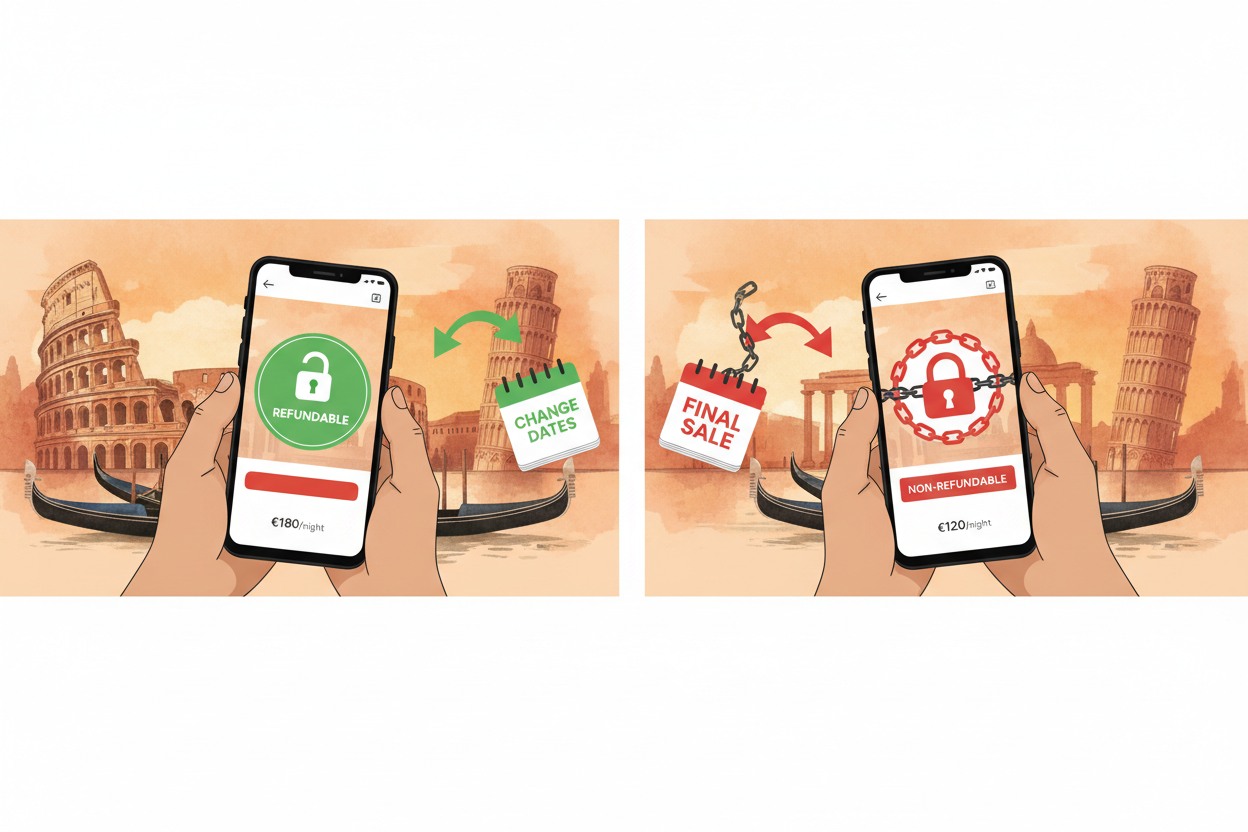
Travel expert Jennifer Walsh recommends booking refundable rates when possible, even if they cost slightly more upfront. “The flexibility to cancel and rebook if prices drop or plans change often pays for itself, especially for Italy travel where so many variables can impact your trip.”
Conclusion
Timing your Italy vacation booking correctly can transform your travel experience while keeping your budget intact. The expert consensus points to booking 2-3 months in advance as the optimal strategy for most Italy trips, with adjustments based on seasonal considerations and specific destinations.
Remember that peak season travel requires earlier booking, while off-season trips offer more flexibility. Special events and festivals demand even more advance planning, but the payoff in terms of unique experiences often justifies the extra effort.
The key to successful Italy vacation booking lies in understanding these timing patterns while remaining flexible where possible. By following expert recommendations and monitoring prices during your booking window, you’ll be well-positioned to secure an incredible Italian adventure at the best possible price. Start planning your dream Italy vacation today, keeping these expert timing strategies in mind for a truly unforgettable experience.
Leave a Comment