
The Benefits of Shoulder Season Travel in Europe: Your Guide to Smart European Adventures
Picture this: you’re wandering through the cobblestone streets of Prague, camera in hand, without having to navigate through crowds of tourists or wait in endless lines. The weather is pleasantly mild, your accommodation costs half of what you’d pay in summer, and locals have time to share genuine recommendations over unhurried conversations. This isn’t a travel fantasy – it’s the reality of shoulder season travel in Europe.
Shoulder season, those magical months between peak and off-season periods, offers savvy travelers an opportunity to experience Europe at its most authentic and affordable. While most tourists flock to European destinations during the summer months or winter holidays, those who venture out during spring and fall often discover that these transitional periods provide the perfect balance of favorable weather, reasonable prices, and cultural immersion.
Whether you’re a budget-conscious backpacker, a cultural enthusiast, or simply someone seeking a more relaxed travel experience, understanding the advantages of shoulder season travel can transform your European adventure from ordinary to extraordinary.
Understanding Europe’s Shoulder Seasons
Before diving into the benefits, it’s crucial to understand when shoulder seasons occur across Europe. Generally, shoulder season encompasses late spring (April to May) and early fall (September to October), though this can vary depending on the specific destination and local climate patterns.
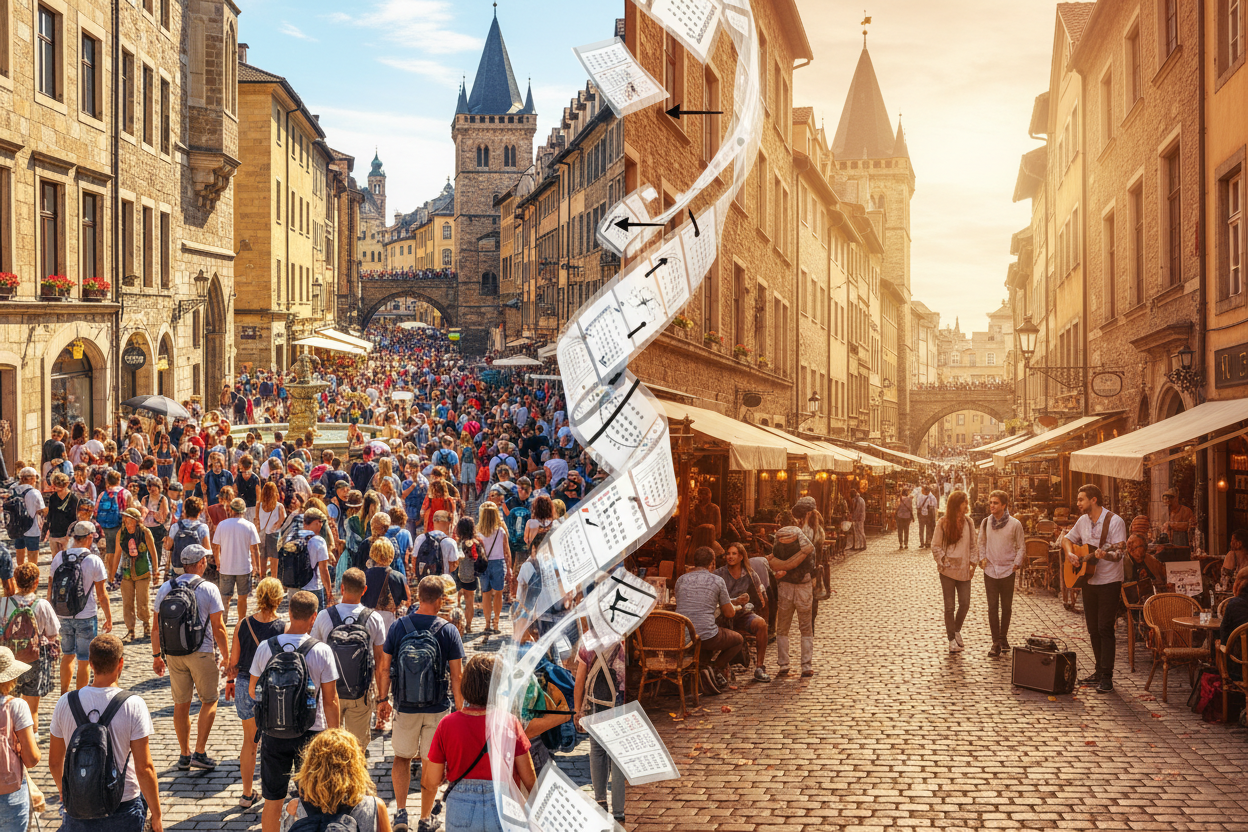
In Mediterranean countries like Spain, Italy, and Greece, shoulder season extends slightly longer, often running from late March through May and from September through early November. Northern European destinations such as Scandinavia, Scotland, and the Baltic states have shorter shoulder seasons, typically concentrated in May and September.
The key is recognizing that shoulder season represents that sweet spot when harsh winter weather has subsided or hasn’t yet arrived, but the intense heat and crowds of summer are either building up or winding down. This timing creates unique opportunities that peak season simply cannot match.
Significant Cost Savings Across All Travel Expenses
Perhaps the most compelling reason to consider shoulder season travel is the dramatic reduction in costs across virtually every aspect of your trip. During peak summer months, European hotels, especially in popular destinations like Paris, Rome, or Barcelona, can charge premium rates that stretch even generous travel budgets.
Accommodation prices during shoulder season can be 30-50% lower than peak season rates. That boutique hotel in Florence that seemed impossibly expensive in July suddenly becomes affordable in October. Vacation rentals, hostels, and even luxury properties offer competitive pricing to attract travelers during these quieter periods.
Flight costs also see significant reductions during shoulder season. Airlines adjust their pricing based on demand, and with fewer people traveling during these months, you’ll find more reasonable fares and often better seat availability. This is particularly noticeable on transatlantic flights and routes between major European cities.
Restaurant prices, while generally more stable than accommodation, often feature special menus and promotions during shoulder season. Many establishments offer prix fixe menus or seasonal specials to attract diners during slower periods. Additionally, you’re more likely to secure reservations at highly sought-after restaurants without the months-ahead planning required during peak season.
Fewer Crowds, More Authentic Experiences
There’s something profoundly different about experiencing the Louvre without shoulder-to-shoulder crowds or walking through Venice’s narrow streets without constant navigation around tour groups. Shoulder season travel allows you to experience Europe’s most famous attractions in a more intimate, contemplative way.
Museums and historical sites become places of genuine discovery rather than endurance tests. You can actually pause to appreciate the Sistine Chapel ceiling or spend quality time with the Mona Lisa without feeling rushed by the crowd behind you. Photography enthusiasts will particularly appreciate the opportunity to capture iconic landmarks without dozens of people in every shot.
Beyond famous attractions, shoulder season reveals the authentic rhythm of European cities. Local cafes have space for lingering conversations, shop owners have time for genuine interactions, and you’ll witness daily life as residents actually live it, rather than the tourist-focused atmosphere that dominates peak season.
Public transportation becomes more comfortable and efficient. Trains run on schedule without overcrowding, buses aren’t packed with luggage-laden tourists, and even walking through city centers becomes a pleasure rather than an obstacle course.
Ideal Weather Conditions for Sightseeing
Contrary to popular belief, shoulder season often provides superior weather conditions for sightseeing and outdoor activities. While summer temperatures in southern Europe can soar to uncomfortable levels, making midday exploration nearly unbearable, shoulder season offers mild, pleasant temperatures perfect for all-day adventures.
Spring shoulder season brings the added bonus of blooming landscapes. Imagine cycling through Dutch tulip fields in April, hiking in the Swiss Alps as wildflowers emerge, or exploring Greek islands as the Mediterranean begins to warm but remains refreshingly cool.
Fall shoulder season offers its own unique appeal with changing foliage, harvest seasons, and crisp, clear days ideal for photography. The light during these months is often softer and more flattering, creating perfect conditions for both sightseeing and capturing memories.
Rain, while more frequent than in summer, tends to be brief and adds character to your travel experience. There’s something romantic about exploring a medieval German town during a light autumn drizzle or enjoying a warm café while rain patters against Parisian windows.
Enhanced Local Interactions and Cultural Immersion
During peak season, many European destinations become so overrun with tourists that locals often retreat from public spaces or become less welcoming due to overtourism fatigue. Shoulder season presents a completely different dynamic where genuine cultural exchange becomes possible.
Restaurant staff have time for recommendations and conversations about local specialties. Shop owners can share stories about their crafts or neighborhoods. Even chance encounters with locals on public transportation or in parks can lead to meaningful exchanges and insider tips that guidebooks simply cannot provide.
Local festivals and events during shoulder season tend to be more authentic, designed for residents rather than tourists. You might stumble upon a harvest festival in Tuscany, a local music event in Prague, or a neighborhood celebration in Barcelona that provides genuine insight into regional culture and traditions.
Language barriers also seem less daunting when interactions aren’t rushed. Locals appreciate visitors who choose to experience their cities during quieter times and often go out of their way to help travelers navigate their destinations.
Greater Flexibility and Spontaneous Opportunities
Peak season travel often requires meticulous planning months in advance. Restaurant reservations, attraction tickets, and accommodation bookings fill up quickly, leaving little room for spontaneity. Shoulder season travel offers the freedom to be more flexible and responsive to opportunities as they arise.
You can decide on a whim to extend your stay in a charming village, change your itinerary based on weather conditions, or follow local recommendations without worrying about availability. This flexibility often leads to the most memorable travel experiences – those unexpected discoveries that become the highlight of your trip.
Transportation options also become more flexible. Train tickets are easier to obtain, rental cars are more readily available, and even last-minute flights between European cities are often possible and affordable.
Tour operators and activity providers frequently offer more personalized experiences during shoulder season. With smaller group sizes, you’ll receive more individual attention and have opportunities to customize activities based on your interests.
Tips for Maximizing Your Shoulder Season European Adventure
To make the most of shoulder season travel, pack layers to accommodate varying weather conditions. A light waterproof jacket, comfortable walking shoes, and versatile clothing items will serve you well across different climates and activities.
Research local events and seasonal highlights specific to your travel dates. Many European cities host special cultural events, food festivals, or seasonal markets during shoulder season that aren’t widely advertised but offer incredible experiences.
Book accommodations with flexible cancellation policies when possible. While availability is generally better during shoulder season, having flexibility allows you to take advantage of last-minute deals or change plans based on weather or personal preferences.
Consider visiting multiple destinations during a single trip. Lower transportation costs and better availability make it easier to explore several countries or regions, creating a more comprehensive European experience.
Conclusion: Embrace the Smart Traveler’s Secret
Shoulder season travel in Europe isn’t just about saving money – though the financial benefits are certainly compelling. It’s about experiencing Europe as it’s meant to be experienced: authentically, comfortably, and memorably. The combination of favorable weather, reduced crowds, lower costs, and enhanced cultural opportunities creates travel experiences that often surpass even the most well-planned peak season adventures.
As more travelers discover the advantages of shoulder season exploration, these periods may become more popular. However, the fundamental benefits – better weather than off-season, lower costs than peak season, and more authentic experiences year-round – will likely persist.
Your next European adventure doesn’t have to follow the traditional summer schedule. Consider planning your trip for those magical shoulder season months when Europe reveals its true character to those wise enough to visit. The memories you’ll create during these perfectly balanced travel periods will remind you why sometimes the best experiences come to those who think outside the conventional travel calendar.
Leave a Comment