
Italy’s Transportation Networks: Trains, Buses, and Regional Travel Guide
Navigating Italy’s diverse transportation landscape can feel overwhelming at first, but once you understand the system, you’ll discover one of Europe’s most comprehensive and efficient networks. From the sleek high-speed trains connecting major cities to the charming local buses winding through Tuscan hillsides, Italy offers multiple ways to explore its stunning regions. Whether you’re planning a quick business trip between Milan and Rome or a leisurely tour through the Amalfi Coast, understanding your transportation options will transform your Italian adventure.
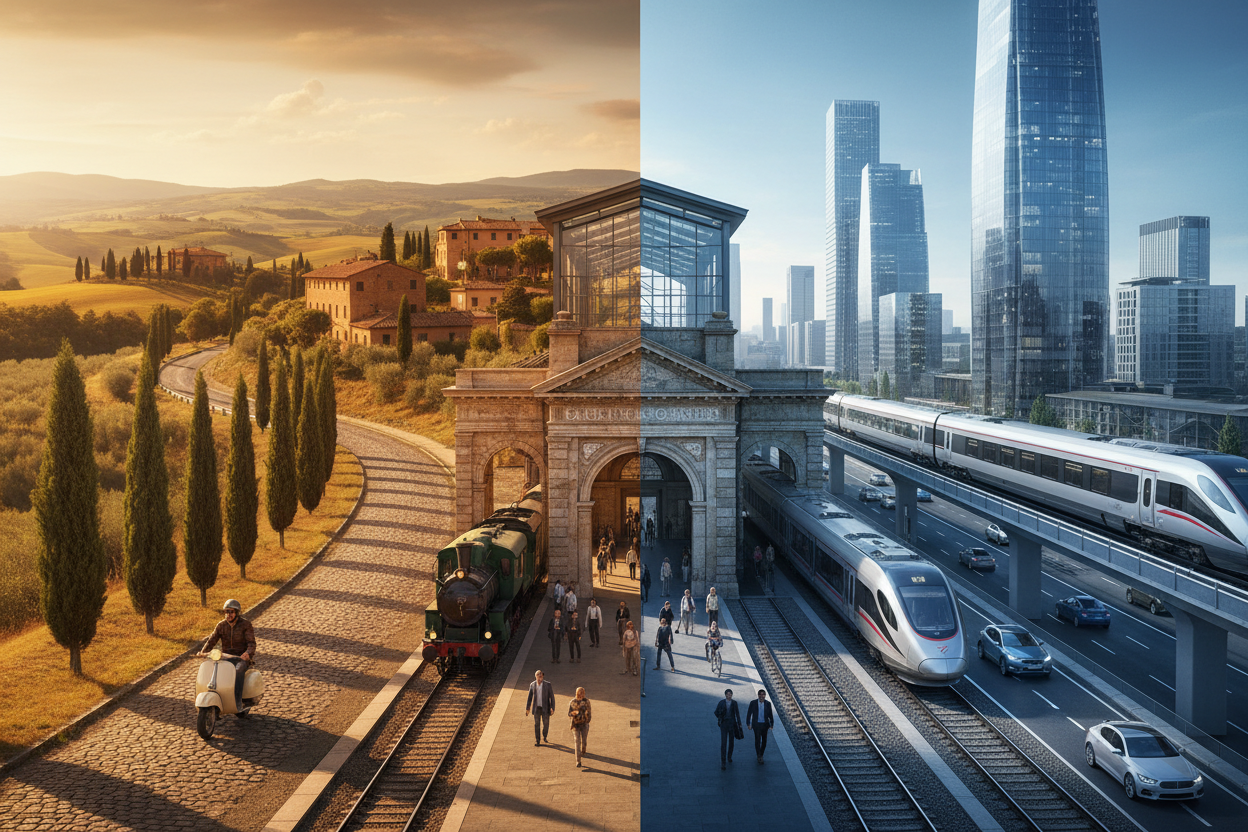
Italy’s transportation infrastructure reflects the country’s unique geography and rich history. The network seamlessly blends modern innovation with traditional regional services, creating a system that serves both locals and millions of annual visitors. Let’s dive into the comprehensive guide that will help you master Italian transportation and make the most of your journey through this beautiful country.
Italy’s High-Speed Rail Revolution
The backbone of Italy’s modern transportation system is undoubtedly its high-speed rail network. Trenitalia’s Frecciarossa trains represent the pinnacle of Italian rail technology, reaching speeds of up to 300 kilometers per hour while connecting major cities with remarkable efficiency. These sleek red trains have revolutionized travel between Rome, Milan, Florence, Naples, and other major destinations.
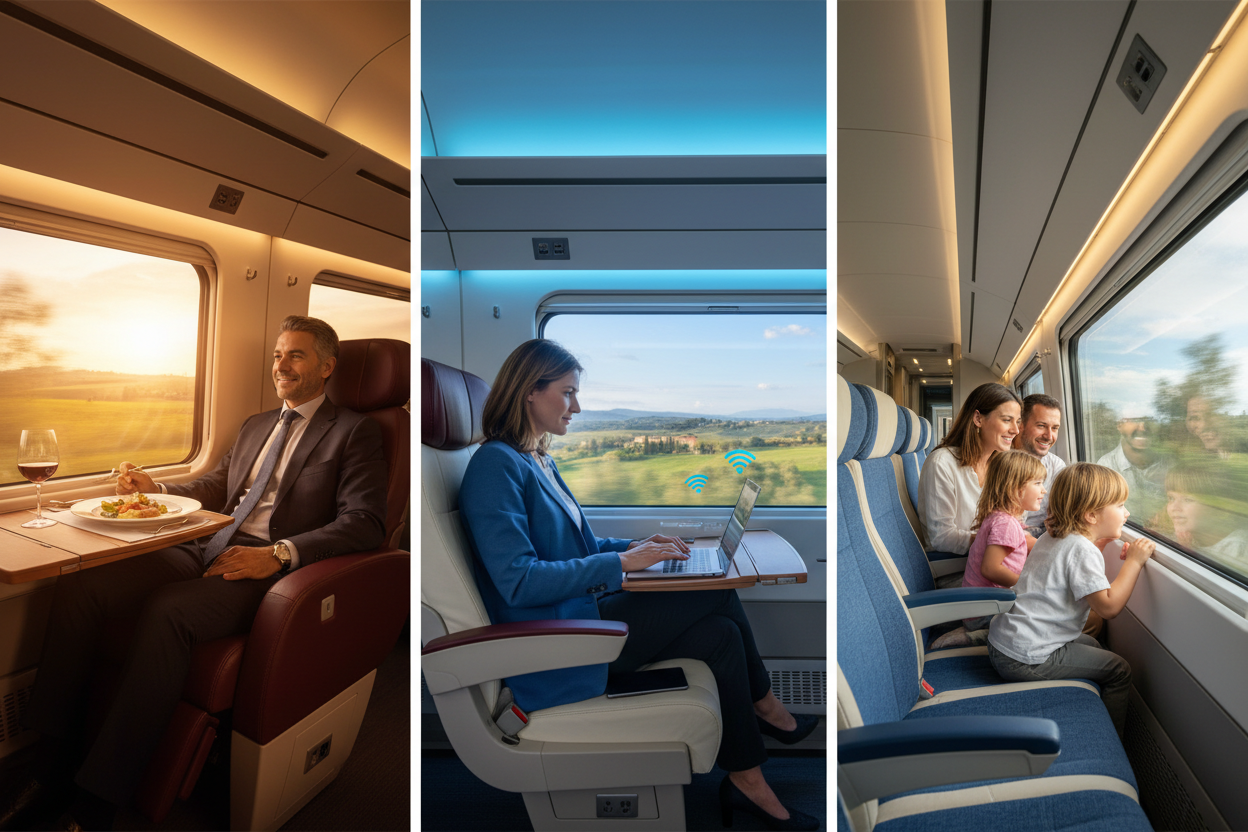
The Frecciarossa experience goes beyond mere speed. The trains offer four service classes, from the comfortable Standard class to the luxurious Executive class, complete with leather seats and gourmet meals. Business travelers particularly appreciate the onboard WiFi and power outlets, while families enjoy the spacious seating and smooth ride quality that makes the journey as pleasant as the destination.
Italo, the private competitor to Trenitalia, has brought healthy competition to the high-speed market. Their modern trains serve similar routes with competitive pricing and innovative features like cinema cars and meeting rooms. This competition has driven improvements across the entire high-speed network, benefiting passengers with better services and more competitive fares.
Regional Train Networks Connecting Local Communities
While high-speed trains grab headlines, Italy’s regional train network forms the true backbone of daily transportation for millions of Italians. These trains, operated primarily by Trenitalia Regional, connect smaller cities and towns that high-speed services bypass. Regional trains offer an authentic glimpse into Italian daily life, where you’ll share carriages with students heading to university, workers commuting to nearby cities, and locals visiting family.
The regional network varies significantly in quality and frequency across different regions. Northern Italy generally boasts more modern trains and frequent services, while southern regions sometimes rely on older rolling stock with less frequent schedules. However, recent investments in infrastructure have improved services nationwide, with new trains gradually replacing older models.
Regional train tickets offer excellent value, especially for shorter journeys. Unlike high-speed services, most regional trains don’t require seat reservations, providing flexibility for spontaneous travel. Remember to validate your ticket before boarding – those small yellow machines at platform entrances aren’t decorative, and ticket inspectors take validation seriously.
Navigating Italy’s Extensive Bus Networks
Italy’s bus networks fill crucial gaps in the transportation puzzle, particularly in regions where train services are limited or non-existent. Long-distance bus companies like FlixBus have expanded rapidly, offering budget-friendly alternatives to train travel between major cities. These modern coaches feature comfortable seating, air conditioning, and WiFi, making them attractive options for price-conscious travelers.
Regional and local bus services vary dramatically across Italy’s twenty regions. In mountainous areas like Trentino-Alto Adige or rural parts of Sicily, buses often provide the only public transportation option. These services are typically operated by regional companies and integrate well with local train services, though schedules can be less frequent than in urban areas.
Urban bus systems in major Italian cities deserve special mention. Rome’s ATAC, Milan’s ATM, and Florence’s ATAF operate comprehensive networks that complement metro and tram services. These systems use integrated ticketing, allowing seamless transfers between different modes of transport within city boundaries.
Regional Transportation Specialties and Unique Systems
Each Italian region has developed transportation solutions tailored to its unique geography and needs. Venice’s vaporetto water buses represent perhaps the most famous example, navigating the city’s intricate canal system with the precision of a land-based transit network. These boats aren’t tourist attractions but essential public transportation, carrying Venetians to work, school, and daily activities.
The mountainous regions of northern Italy showcase impressive cable car and funicular systems. The Funivia del Renon in South Tyrol and the funicular railways around Lake Como demonstrate Italian engineering prowess in challenging terrain. These systems often provide both transportation and spectacular sightseeing opportunities.
Sicily and Sardinia present unique transportation challenges as island regions. Both islands have developed comprehensive bus networks to complement limited rail services. Sicily’s Circumetnea railway offers a particularly memorable journey around Mount Etna, combining practical transportation with stunning volcanic scenery.
Integrated Ticketing and Digital Solutions
Italy has embraced digital transformation in transportation ticketing, though the pace varies by region and operator. Trenitalia’s app allows easy booking and mobile tickets for both high-speed and regional services, while many regional transport authorities have developed their own digital solutions.
Integrated ticketing systems are becoming more common, particularly in northern Italy. These systems allow single tickets to cover multiple transport modes within defined areas. For example, the Trentino Guest Card includes local buses, trains, and cable cars, while various city cards combine urban transport with museum entries.
Contactless payment is increasingly accepted across Italian transportation networks. Major cities now accept contactless cards and mobile payments for public transport, reducing the need for exact change or pre-purchased tickets. However, cash remains king in smaller towns and rural areas, so always carry some euros for transportation needs.
Practical Tips for Transportation Success in Italy
Successful navigation of Italy’s transportation networks requires some insider knowledge and practical preparation. First, always check schedules in advance, particularly for regional services that may have reduced frequency on weekends and holidays. The Trenitalia website and app provide comprehensive scheduling information, while Google Maps has become surprisingly accurate for Italian public transport.
Strike actions, known as “scioperi,” are a regular feature of Italian public transportation. These typically affect specific time periods rather than entire days, and essential services usually continue during strikes. Check local news or transportation websites before traveling, especially during traditional strike periods in spring and autumn.
Luggage policies vary significantly between transportation modes. High-speed trains have generous luggage allowances and dedicated storage areas, while regional trains may have limited space during peak hours. Buses typically restrict luggage size and weight, so check policies when booking longer journeys.
Seasonal Considerations and Peak Travel Times
Italian transportation networks experience significant seasonal variations that can affect your travel experience. Summer months bring increased tourist traffic, particularly on routes to coastal destinations and major cities. Book high-speed train tickets well in advance during peak season, as popular departures can sell out quickly.
Winter presents different challenges, particularly in mountainous regions where weather can disrupt services. However, winter also offers opportunities, as many ski resort areas operate special transportation services including shuttle buses and dedicated train connections to slopes.
Italian holiday periods create unique transportation patterns. August sees mass internal migration as Italians head to coastal resorts, while Christmas and Easter periods generate heavy traffic on long-distance routes. Understanding these patterns helps avoid crowds and secure better prices through strategic timing.
Future Developments in Italian Transportation
Italy continues investing heavily in transportation infrastructure, with several exciting developments on the horizon. The completion of high-speed rail extensions will eventually connect more southern cities to the national network, while ongoing electrification projects aim to reduce environmental impact.
Smart city initiatives in major Italian cities are integrating various transportation modes through unified digital platforms. These developments promise more seamless multimodal journeys, combining trains, buses, bike-sharing, and other services through single apps and payment systems.
Sustainability initiatives are reshaping Italian transportation, with increased focus on electric buses, hybrid trains, and renewable energy sources. These changes reflect Italy’s commitment to reducing transportation emissions while maintaining the high service levels that make the network so effective.
Italy’s transportation networks offer remarkable connectivity and efficiency when you understand how to navigate them effectively. From the speed and comfort of high-speed trains to the authentic charm of regional services and the practical necessity of bus networks, each mode serves specific needs and offers unique experiences. The key to successful travel in Italy lies in choosing the right combination of transportation options for your specific journey, budget, and timeline. With proper planning and an understanding of the system’s nuances, you’ll find that Italy’s transportation infrastructure enhances rather than hinders your exploration of this magnificent country. Whether you’re racing between business meetings or savoring a leisurely journey through the countryside, Italy’s comprehensive transportation network ensures you’ll reach your destination safely, comfortably, and often with memories of the journey itself.
Italy is so beautiful. I had the best food i’ve ever had in my life there.