
Italy Travel Etiquette: Cultural Do’s and Don’ts for American Visitors
Picture this: you’re sitting at a charming sidewalk cafe in Rome, cappuccino in hand at 3 PM, when you notice the waiter’s slightly puzzled expression. Or perhaps you’re enthusiastically greeting your new Italian friend with a hearty handshake, only to receive an air kiss instead. These moments aren’t disasters, but they highlight something important – understanding Italian etiquette can transform your travel experience from good to absolutely magical.
Italy isn’t just about stunning architecture, world-class cuisine, and breathtaking landscapes. It’s a country where cultural nuances matter deeply, where traditions have been lovingly preserved for centuries, and where showing respect for local customs opens doors to authentic experiences that most tourists never discover. Whether you’re planning your first trip to the Eternal City or you’re a seasoned traveler looking to deepen your cultural understanding, mastering Italian etiquette will help you connect with locals on a meaningful level.
From dining customs that might surprise you to social interactions that differ significantly from American norms, this comprehensive guide will prepare you for the cultural journey ahead. Let’s explore the essential do’s and don’ts that will help you navigate Italy like a respectful, informed traveler.

Essential Greeting Customs and Social Interactions
Italian greetings are an art form that reflects the country’s warm, relationship-focused culture. Unlike the typical American handshake-and-smile approach, Italians have nuanced greeting rituals that vary depending on your relationship with the person and the formality of the situation.
When meeting someone for the first time in a business or formal setting, a firm handshake with direct eye contact is appropriate. However, once you’ve established a friendship or are meeting in social settings, expect the traditional Italian air kiss – typically two kisses, starting with the left cheek. Don’t panic if you’re not comfortable with this; Italians are generally understanding of cultural differences, but making an effort shows respect.
Personal space in Italy differs significantly from American norms. Italians tend to stand closer during conversations, and animated gesturing is not just normal – it’s expected. Don’t interpret this closeness as invasive; it’s simply how Italians communicate passion and engagement. However, do maintain appropriate eye contact and avoid backing away, as this might be perceived as disinterest or rudeness.
One crucial point many American visitors miss: Italians value proper introductions. If you’re joining a group or entering someone’s home, take time to greet each person individually rather than offering a general wave to the room. This attention to individual acknowledgment demonstrates respect and good breeding.
Dining Etiquette That Will Impress Locals
Italian dining culture is perhaps where American visitors encounter the most surprising differences. Food isn’t just sustenance in Italy – it’s a sacred ritual that brings families and communities together, governed by traditions that have remained unchanged for generations.
The most important rule? Never, ever order a cappuccino after 11 AM, and certainly never with a meal. Italians consider milk-based coffee drinks strictly morning beverages, believing that milk interferes with digestion during and after meals. Instead, order an espresso (simply called “caffe”) after lunch or dinner. This single adjustment will immediately mark you as culturally aware.
Meal timing in Italy follows a different rhythm than American dining. Lunch typically occurs between 1 PM and 3 PM, while dinner rarely begins before 8 PM, often starting as late as 9 or 10 PM. Many restaurants close between lunch and dinner service, so don’t expect to grab a quick bite at 4 PM – you’ll likely find doors locked and staff preparing for the evening service.
When it comes to pasta etiquette, forget everything you think you know about twirling spaghetti against a spoon. Italians use only a fork, twirling the pasta against the side of the bowl or plate. Using a spoon is considered childish or touristy. Additionally, never ask for Parmesan cheese with seafood pasta – it’s considered a culinary crime that masks the delicate flavors of the sea.
Tipping culture in Italy is refreshingly straightforward compared to American standards. Service charges are often included in your bill, and while small tips are appreciated, they’re not expected or required. Rounding up to the nearest euro or leaving small change is perfectly acceptable and shows appreciation without overdoing it.
Dress Code Standards Across Different Settings
Italians have earned their reputation as some of the world’s most stylish people, and this extends far beyond Milan’s fashion districts. Dressing appropriately in Italy isn’t about wearing designer labels – it’s about showing respect for yourself, others, and the situations you’re entering.
The golden rule for Italian fashion is “bella figura” – making a good impression through your appearance and behavior. This doesn’t mean you need expensive clothes, but it does mean avoiding the typical American tourist uniform of shorts, flip-flops, and baseball caps in most settings. Italians dress more formally than Americans for everyday activities, viewing appearance as a form of respect for their community.
When visiting churches and religious sites, dress codes become non-negotiable. Both men and women must cover their shoulders and knees. Many churches provide paper coverings for tourists, but bringing a light scarf or shawl shows preparation and respect. Some of Italy’s most famous churches, including St. Peter’s Basilica in Vatican City, strictly enforce these rules and will deny entry to inappropriately dressed visitors.
For dining out, especially at nicer restaurants, Italians dress up more than their American counterparts. While you don’t need formal wear for most establishments, clean, well-fitted clothing without wrinkles or stains demonstrates respect for the dining experience. Avoid wearing gym clothes, flip-flops, or overly casual attire when dining out in the evening.
Beach attire stays at the beach in Italy. Walking through towns or entering shops in swimwear or beach cover-ups is considered disrespectful and may result in refused service. Always change into street clothes before leaving coastal areas.
Religious Site Etiquette and Respectful Tourism
Italy’s incredible religious heritage means you’ll likely visit numerous churches, cathedrals, and religious sites during your stay. These aren’t just tourist attractions – they’re active places of worship where locals come for prayer, reflection, and religious services.
Beyond appropriate dress codes, behavior inside religious sites requires special consideration. Speaking in hushed tones shows respect for those who may be praying or attending services. Many churches allow photography, but flash photography is typically prohibited as it can damage ancient artworks and disturb worshippers. Always check for posted signs or ask permission before taking photos.
During active religious services, tourists should either participate respectfully or avoid entering altogether. If you do find yourself in a church during mass or prayer services, remain quiet and still. Don’t walk around taking photos or talking on your phone – this is deeply disrespectful to the congregation.
Many of Italy’s most famous religious sites charge entrance fees or require advance reservations, particularly the Vatican Museums and Sistine Chapel. Plan ahead and book tickets online to avoid disappointment and long queues. This preparation also shows respect for the site’s management and other visitors.
Remember that some areas within churches may be restricted to worshippers only. Respect barriers and roped-off areas, and don’t attempt to touch religious artifacts, altars, or artwork. These items are often centuries old and require careful preservation.
Shopping and Business Interaction Guidelines
Shopping in Italy offers opportunities for cultural exchange that go far beyond simple transactions. Italian shopkeepers, particularly in smaller towns and family-owned businesses, value personal relationships and take pride in their expertise and service.
When entering small shops, always greet the shopkeeper with “Buongiorno” (good morning) or “Buonasera” (good evening). This simple courtesy acknowledges the person behind the counter as an individual rather than just a service provider. Similarly, say “Arrivederci” (goodbye) when leaving, even if you didn’t make a purchase.
In clothing stores, don’t expect the same level of hands-off browsing that’s common in American retail. Italian shopkeepers often prefer to assist customers personally, showing items and offering advice. This isn’t pushy sales tactics – it’s genuine service and expertise. Accept their help graciously, and don’t be offended if they want to handle merchandise rather than letting you browse freely.
Bargaining isn’t appropriate in established shops with fixed prices, but it’s expected at outdoor markets and with street vendors. However, bargaining should be done respectfully and with good humor. Italians appreciate the social aspect of negotiating, but aggressive or insulting offers will end the interaction quickly.
Business hours in Italy follow traditional patterns that may surprise American visitors. Many shops close for several hours in the afternoon (typically 1 PM to 4 PM) and may be closed on Sunday afternoons and Monday mornings. Plan your shopping accordingly, and don’t take these closures personally – they’re deeply ingrained cultural practices that prioritize work-life balance.
Transportation Etiquette and Public Behavior
Navigating Italian public transportation and streets requires understanding local customs that prioritize community harmony and mutual respect. These unwritten rules help millions of Italians coexist peacefully in often crowded urban environments.
On public transportation, offer your seat to elderly passengers, pregnant women, and those with small children – this courtesy is expected, not optional. Keep your voice down during phone conversations, and consider whether your call is truly necessary in a confined public space. Italians value peace and quiet during their commutes.
When walking through Italian cities, stay aware of your surroundings and move with purpose. Stopping suddenly in crowded areas or walking slowly while looking at your phone can frustrate locals trying to navigate their daily routines. If you need to consult a map or take photos, step aside to avoid blocking pedestrian traffic.
Italian drivers have a reputation for being aggressive, but there’s actually a complex system of unwritten rules governing traffic flow. As a pedestrian, don’t expect cars to stop for you at crosswalks unless there’s a traffic signal. Make eye contact with drivers and cross confidently when you have the right of way, but always remain alert.
Public displays of loud, boisterous behavior that might be acceptable in some American contexts can be jarring in Italian settings. While Italians are passionate and expressive, they typically reserve loud conversations and animated discussions for appropriate settings rather than quiet public spaces.
Language Considerations and Communication Tips
While many Italians in tourist areas speak some English, making an effort to use Italian phrases demonstrates respect and often results in warmer interactions and better service. You don’t need to be fluent, but learning basic courtesy phrases opens doors to authentic cultural exchanges.
Essential phrases include “Per favore” (please), “Grazie” (thank you), “Prego” (you’re welcome), “Mi scusi” (excuse me), and “Non parlo italiano” (I don’t speak Italian). These simple expressions show that you’re making an effort to engage with Italian culture rather than expecting everyone to accommodate your language preferences.
When Italians don’t understand your English, speak more slowly and clearly rather than more loudly. Volume doesn’t improve comprehension, and shouting can be perceived as rude or impatient. Use simple words and basic sentence structures, and don’t be afraid to use gestures – Italians appreciate expressive communication.
If you’re struggling to communicate, try using translation apps or carrying a small phrasebook. Many Italians will appreciate your effort and may even help you practice pronunciation. These moments often become highlights of cultural exchange that enrich your travel experience.
Remember that English proficiency varies significantly across different regions and generations in Italy. Younger Italians in major cities are more likely to speak English than older residents in rural areas. Adjust your expectations accordingly and always approach language barriers with patience and humor.
Conclusion: Embracing Italian Culture with Respect and Enthusiasm
Understanding Italian etiquette isn’t about memorizing a rigid set of rules – it’s about approaching a beautiful culture with respect, openness, and genuine curiosity. Every cultural difference you encounter is an opportunity to broaden your perspective and create meaningful connections with Italian people who are proud of their heritage and eager to share it with respectful visitors.
The most important lesson isn’t any specific rule about cappuccino timing or greeting customs. It’s the understanding that showing respect for local traditions demonstrates that you value Italy as more than just a backdrop for your vacation photos. When you make the effort to understand and follow Italian customs, you’re acknowledging that travel is about cultural exchange, not cultural consumption.
Your Italian adventure will be filled with moments of discovery, some successful cultural navigation, and probably a few amusing mistakes along the way. Italians are generally forgiving of well-intentioned cultural missteps, especially when they see you’re making a genuine effort to understand and respect their ways of life.
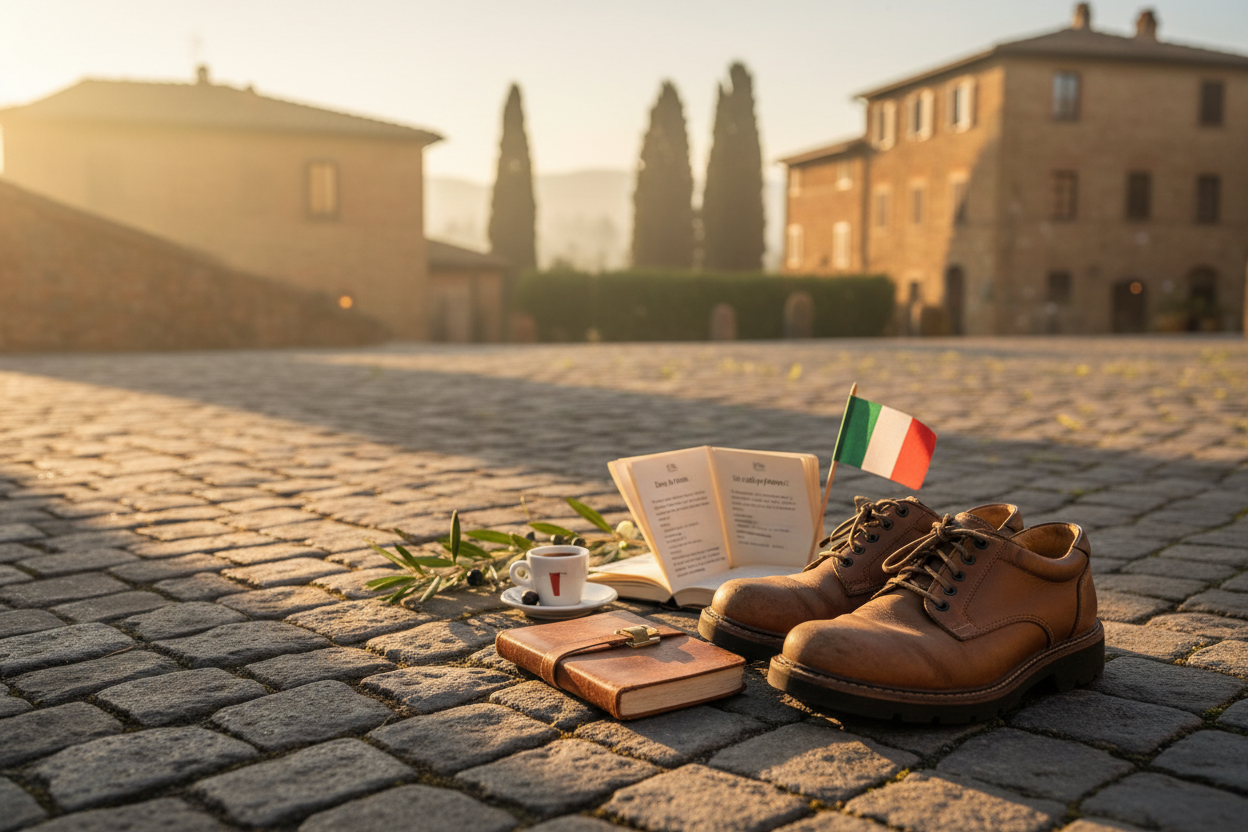
So pack your comfortable walking shoes, brush up on those basic Italian phrases, and prepare to immerse yourself in a culture that values relationships, traditions, and the art of living well. With these etiquette guidelines as your foundation, you’re ready to experience Italy not just as a tourist, but as a respectful cultural ambassador who will carry these lessons and memories long after your return flight home.
Remember, the goal isn’t perfection – it’s connection. Every “Buongiorno” you offer, every patient moment you spend understanding local customs, and every effort you make to respect Italian traditions contributes to the kind of meaningful travel experience that transforms both visitors and the communities they explore. Buon viaggio!
Leave a Comment