
Italy Regional Wines: A Traveler’s Guide to Local Tastings
There’s something magical about sipping a glass of wine in the exact place where the grapes were grown, where generations of winemakers have perfected their craft, and where the terroir tells a story that spans centuries. Italy, with its diverse landscape and rich viticultural heritage, offers wine enthusiasts an unparalleled journey through some of the world’s most distinctive regional wines. From the rolling hills of Tuscany to the volcanic soils of Sicily, each region presents its own unique character, indigenous grape varieties, and time-honored traditions that make every tasting experience unforgettable.
As someone who has wandered through countless Italian vineyards and shared meals with local winemakers, I can tell you that discovering Italy’s regional wines isn’t just about the wine itself – it’s about understanding the culture, history, and passion that flows into every bottle. This comprehensive guide will take you on a virtual tour through Italy’s most celebrated wine regions, helping you plan your own authentic tasting adventures and discover hidden gems that most tourists never experience.

Understanding Italy’s Wine Classification System
Before diving into specific regions, it’s essential to understand Italy’s wine classification system, which will help you navigate menus and wine shops during your travels. The Italian system is built around four main quality levels, with Denominazione di Origine Controllata e Garantita (DOCG) representing the highest quality tier, followed by Denominazione di Origine Controllata (DOC), Indicazione Geografica Tipica (IGT), and Vino da Tavola representing basic table wines.
What makes this system particularly interesting for travelers is that it’s deeply connected to specific geographic areas and traditional winemaking methods. When you see a DOCG label, you’re not just getting a quality guarantee – you’re getting a piece of Italian heritage that has been carefully preserved and regulated. This understanding will enhance your appreciation as you taste wines in their native regions and learn about the strict guidelines that protect these traditional expressions.
Northern Italy: Alpine Influences and Elegant Expressions
Northern Italy’s wine regions benefit from cool mountain breezes and diverse microclimates that create some of the country’s most elegant and refined wines. Piedmont stands as the crown jewel of northern Italian winemaking, home to the legendary Nebbiolo grape that produces both Barolo and Barbaresco. These powerful, age-worthy wines are often called the “wines of kings,” and visiting the medieval villages of La Morra, Serralunga d’Alba, or Barbaresco during harvest season provides an almost mystical experience.
The Veneto region offers a completely different but equally compelling wine experience. While many travelers know Prosecco from Valdobbiadene, the region also produces exceptional Amarone della Valpolicella, made through an ancient process called appassimento where grapes are dried for months before fermentation. Tasting Amarone in a traditional Venetian osteria while overlooking the Adige Valley creates memories that last a lifetime.
Alto Adige, with its Germanic influences and high-altitude vineyards, produces some of Italy’s most pristine white wines. The combination of warm days and cool nights creates ideal conditions for aromatic varieties like Gewürztraminer and Pinot Grigio. Visiting during late autumn when the vineyards turn golden and the Alps provide a dramatic backdrop is particularly spectacular.
Central Italy: Tuscany and Beyond
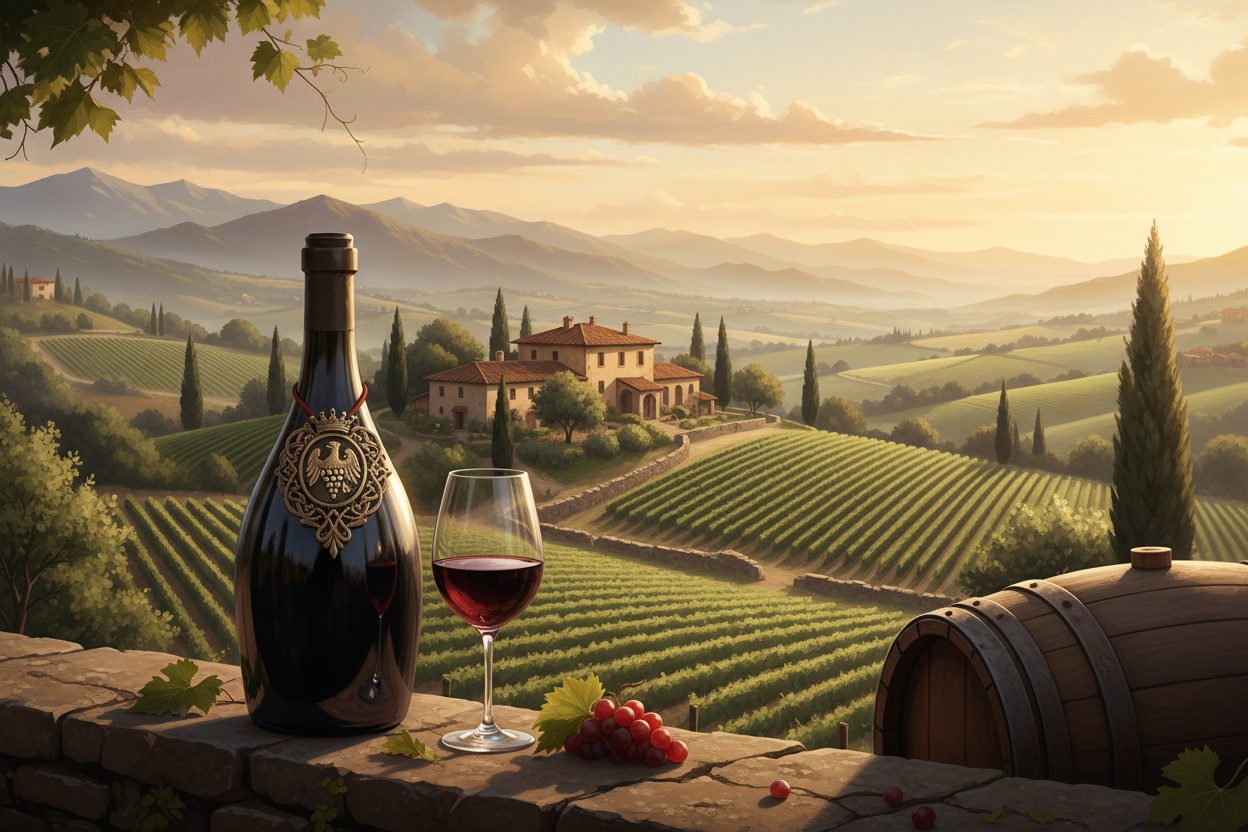
Tuscany remains the most iconic Italian wine region for many travelers, and for good reason. The combination of Sangiovese-based wines, Renaissance architecture, and picture-perfect landscapes creates an almost cinematic wine-tasting experience. Chianti Classico, with its distinctive black rooster symbol, offers numerous family-owned estates where you can taste wine directly from the barrel while learning about centuries-old winemaking traditions.
However, don’t overlook Tuscany’s other treasures. Brunello di Montalcino, made exclusively from Sangiovese Grosso, represents one of Italy’s most prestigious and long-lived wines. The hilltop town of Montalcino itself feels frozen in time, and many local producers offer intimate tastings in medieval cellars that have been converted into modern wineries while maintaining their historical character.
Umbria, often called the “green heart of Italy,” produces exceptional wines that pair perfectly with the region’s renowned cuisine. Sagrantino di Montefalco, made from an indigenous grape variety found nowhere else in the world, offers intense, structured wines that showcase the unique terroir of this landlocked region. The smaller production volumes mean these wines are rarely found outside Italy, making local tastings particularly special for wine enthusiasts.
Southern Italy and the Islands: Ancient Traditions Meet Modern Innovation
Southern Italy and its islands represent some of the most exciting developments in contemporary Italian winemaking. Sicily, the largest island in the Mediterranean, has undergone a remarkable wine renaissance over the past two decades. The volcanic soils of Mount Etna create ideal conditions for both indigenous varieties like Nerello Mascalese and international grapes that express themselves uniquely in this terroir.
Tasting wine on the slopes of an active volcano while overlooking the Mediterranean Sea provides an unforgettable sensory experience. Many Etna producers offer tours that combine wine tasting with geological education, helping visitors understand how volcanic activity contributes to the mineral complexity found in these distinctive wines.
Puglia, the heel of Italy’s boot, produces more wine than any other Italian region, yet much of it remains undiscovered by international travelers. The region’s native Primitivo grape (genetically identical to California’s Zinfandel) creates rich, powerful wines that pair beautifully with the area’s olive oil and fresh seafood. Visiting during harvest season allows you to participate in traditional grape-picking activities and experience the communal aspect of winemaking that remains strong in southern Italy.
Planning Your Italian Wine Tasting Adventure
Successful wine tourism in Italy requires some advance planning, especially if you want to visit smaller, family-owned producers. Many of the best experiences happen at estates that only accept visitors by appointment, and language barriers can sometimes complicate spontaneous visits. Researching wineries in advance and making reservations through their websites or local tourism offices ensures you’ll have access to the most authentic and educational tastings.
Consider timing your visit to coincide with harvest season (generally September through October) when the energy in wine regions is palpable, and many producers offer special events and tours. However, each season offers its own advantages – spring brings beautiful weather and blooming vineyards, summer provides long days perfect for extensive touring, and winter offers a more intimate experience with winemakers who have more time to share their stories.
Transportation is another crucial consideration. While renting a car provides the most flexibility for visiting remote vineyards, designated driver responsibilities mean someone in your group will miss out on tastings. Many regions now offer wine tourism services, including guided tours with transportation, or you can hire local drivers who understand the wine routes and can provide valuable insights about the areas you’re visiting.
Maximizing Your Tasting Experiences
To get the most from your Italian wine tastings, approach each experience with curiosity and openness to learning. Don’t be afraid to ask questions about winemaking techniques, grape varieties, or family history – Italian winemakers are typically passionate about their craft and love sharing their knowledge with interested visitors. Learning a few basic Italian wine terms will enhance your interactions and show respect for local culture.
Keep detailed notes about the wines you taste, including the producer, vintage, and your personal impressions. Many travelers regret not keeping better records when they return home and want to purchase wines they enjoyed. Taking photos of wine labels and vineyard settings helps preserve memories and provides useful information for future wine purchases.
Consider purchasing wines directly from producers when possible. Not only does this often provide better prices than retail, but you’ll also have access to limited-production wines that may never reach international markets. Many wineries can arrange international shipping, allowing you to enjoy your discoveries long after your trip ends.
Pairing Wine with Regional Cuisine
One of the greatest pleasures of Italian wine tourism is discovering how perfectly regional wines complement local cuisine. This harmony isn’t coincidental – it’s the result of centuries of parallel evolution between food and wine traditions. In Tuscany, the high acidity and firm tannins of Chianti Classico cut through rich dishes like bistecca alla fiorentina, while in Sicily, the mineral-driven whites from Etna provide the perfect counterpoint to fresh seafood and caponata.
Seek out restaurants that specialize in local cuisine and offer extensive regional wine lists. Many of the best food and wine pairings happen at family-run trattorias where the owner personally selects wines that complement their chef’s preparations. Don’t hesitate to ask for pairing recommendations – Italian restaurant owners take great pride in showcasing how their regional wines enhance their traditional dishes.
Italy’s regional wine journey offers endless discoveries for travelers willing to venture beyond the most famous destinations and popular varieties. Each region tells its own story through indigenous grapes, traditional winemaking methods, and unique terroir that can’t be replicated anywhere else in the world. Whether you’re sipping Barolo in a medieval castle, enjoying Prosecco among the rolling hills of Valdobbiadene, or discovering volcanic wines on the slopes of Mount Etna, Italian wine tourism provides experiences that engage all your senses and create lasting connections to this remarkable country’s viticultural heritage. The key to a successful wine-focused trip to Italy lies in embracing the slower pace, engaging with local producers, and allowing yourself to be surprised by the diversity and quality that exists in every corner of this wine-loving nation.
Leave a Comment