
Italy Packing Mistakes That Scream ‘Tourist’ (And What to Pack Instead)
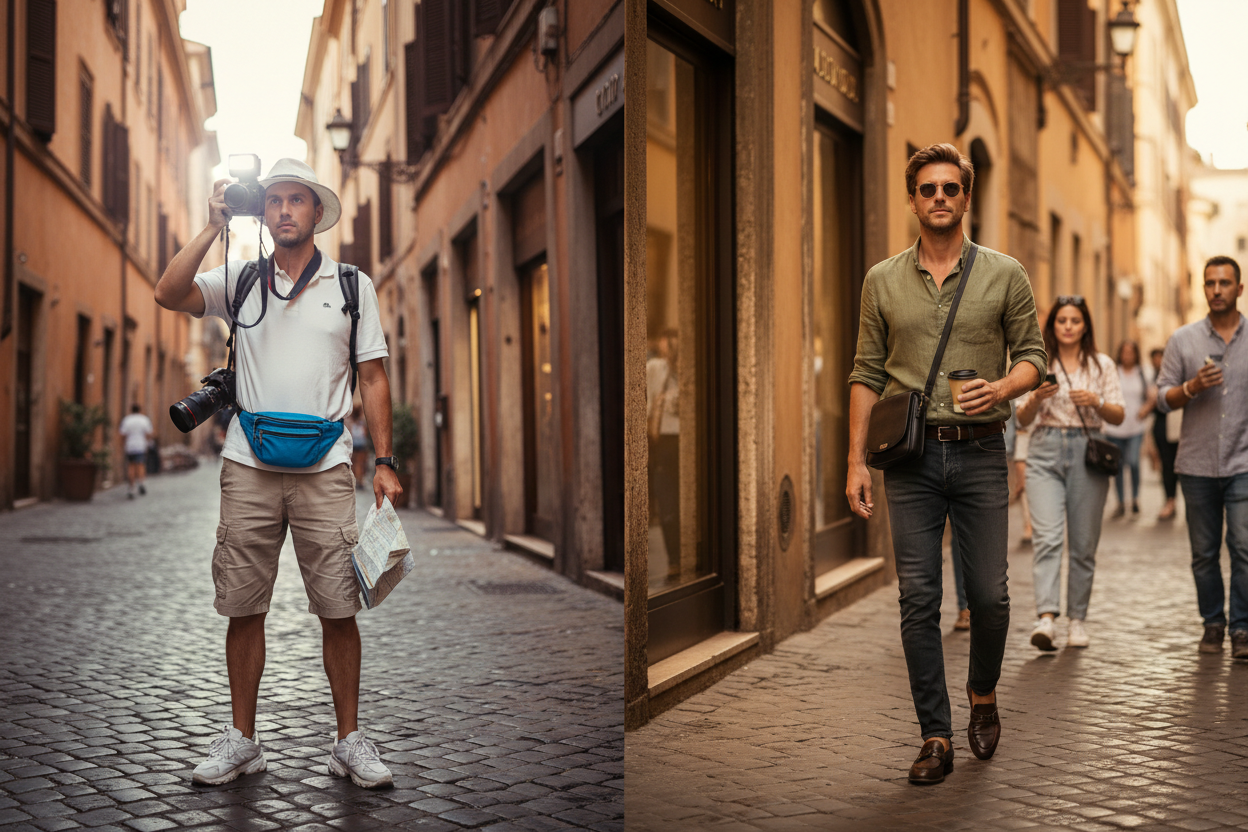
Picture this: you’re strolling through the cobblestone streets of Rome, camera in hand, when you catch a glimpse of yourself in a storefront window. White sneakers, cargo shorts, and a fanny pack around your waist – you’ve become the walking stereotype of an American tourist in Italy. While there’s absolutely nothing wrong with being a tourist, blending in with the locals can enhance your travel experience and help you avoid unwanted attention from pickpockets and overpriced tourist traps.
After multiple trips to Italy and countless conversations with Italian friends, I’ve learned that what you pack can make or break your authentic Italian experience. The good news? With a few simple adjustments to your packing strategy, you can navigate Italy like a seasoned traveler while still staying comfortable and practical.
The White Sneaker Trap: Footwear That Screams American
Nothing says “I’m not from around here” quite like pristine white athletic sneakers paired with sightseeing attire. While Americans have embraced the comfort-first approach to travel footwear, Italians typically reserve athletic shoes for actual athletic activities.
The mistake goes beyond just white sneakers – it’s the entire approach to footwear. Many travelers pack bulky running shoes thinking they’ll need maximum cushioning for all that walking. However, Italian streets are filled with fashionable locals who somehow manage to walk miles in stylish shoes without complaint.
Instead of packing those gleaming white trainers, opt for leather sneakers in neutral colors like brown, black, or navy. Brands like Allbirds, Veja, or even classic Converse in darker colors will keep you comfortable while helping you blend in. For women, low-heeled ankle boots or fashionable flats work wonderfully on cobblestones and are versatile enough for both day exploration and evening dining.
The key is choosing shoes that look intentional rather than purely functional. Italian fashion emphasizes looking put-together, even during casual moments. Your feet will thank you for the comfort, and your photos will thank you for the style upgrade.
Cargo Shorts and Fanny Packs: The Ultimate Tourist Uniform
If there’s one outfit combination that immediately identifies an American tourist, it’s cargo shorts paired with a fanny pack. While both items serve practical purposes, they’re rarely seen on Italian streets outside of tourist areas.
Cargo shorts, with their multiple pockets and loose fit, prioritize function over form in a way that contrasts sharply with Italian fashion sensibilities. Italians tend to favor clean lines and tailored fits, even in casual wear. The abundance of pockets also creates a bulky silhouette that stands out among the sleek styles you’ll see locally.
Similarly, the classic fanny pack worn around the waist has become synonymous with tourist attire. While they’re undeniably practical for keeping valuables secure, the traditional style and placement make you an easy target for identification as a visitor.
For a more Italian-inspired approach, pack well-fitted chino shorts or lightweight trousers in neutral colors. These provide comfort and breathability while maintaining a polished appearance. Instead of a fanny pack, consider a crossbody bag or a sleek backpack. If you must have hands-free storage, modern belt bags worn across the chest or a small crossbody purse offer the same security benefits with a more contemporary look.
Overpacking Casual Clothes: Missing Italy’s Dress Code
One of the biggest packing mistakes travelers make is bringing too many ultra-casual items and not enough pieces that can transition from day to evening. Italy has an unspoken dress code that leans more formal than what many Americans are accustomed to, especially when dining out or visiting religious sites.
The mistake often stems from thinking of Italy purely as a vacation destination where comfort should reign supreme. However, Italians maintain a certain standard of dress even during leisure time. Showing up to a nice restaurant in flip-flops and a t-shirt won’t just make you stand out – it might actually prevent you from getting the best tables or service.
Instead of filling your suitcase with casual t-shirts and athletic wear, focus on versatile pieces that can be dressed up or down. Pack button-down shirts, blouses, and lightweight sweaters that work for both sightseeing and dinner. Choose fabrics like linen and cotton that breathe well in warm weather but still look polished.
For bottoms, dark jeans (without obvious distressing), tailored trousers, and midi skirts or dresses offer versatility. These pieces will serve you well whether you’re climbing the steps of the Duomo or enjoying aperitivo at a rooftop bar.
The Baseball Cap Epidemic: Headwear That Gives You Away
Baseball caps, particularly those featuring sports team logos or tourist destinations, are like wearing a sign that says “tourist” in flashing neon letters. While they’re practical for sun protection, they’re rarely part of Italian street style.
The issue isn’t just with baseball caps themselves, but with the tendency to wear them constantly, even indoors or during evening activities. This creates a distinctly American tourist aesthetic that stands out in Italian social settings.
For better sun protection that won’t immediately mark you as a visitor, consider a wide-brimmed hat, a panama hat, or a stylish bucket hat. These options provide excellent sun coverage while aligning more closely with European fashion sensibilities. If you prefer the practicality of a baseball cap, choose one in a solid, neutral color without logos or text.
Remember that many Italian churches and museums require head coverings to be removed, so having a hat that you’re comfortable taking off and carrying is more practical than one you feel you need to wear constantly.
Tech Tourist Syndrome: When Gadgets Give You Away
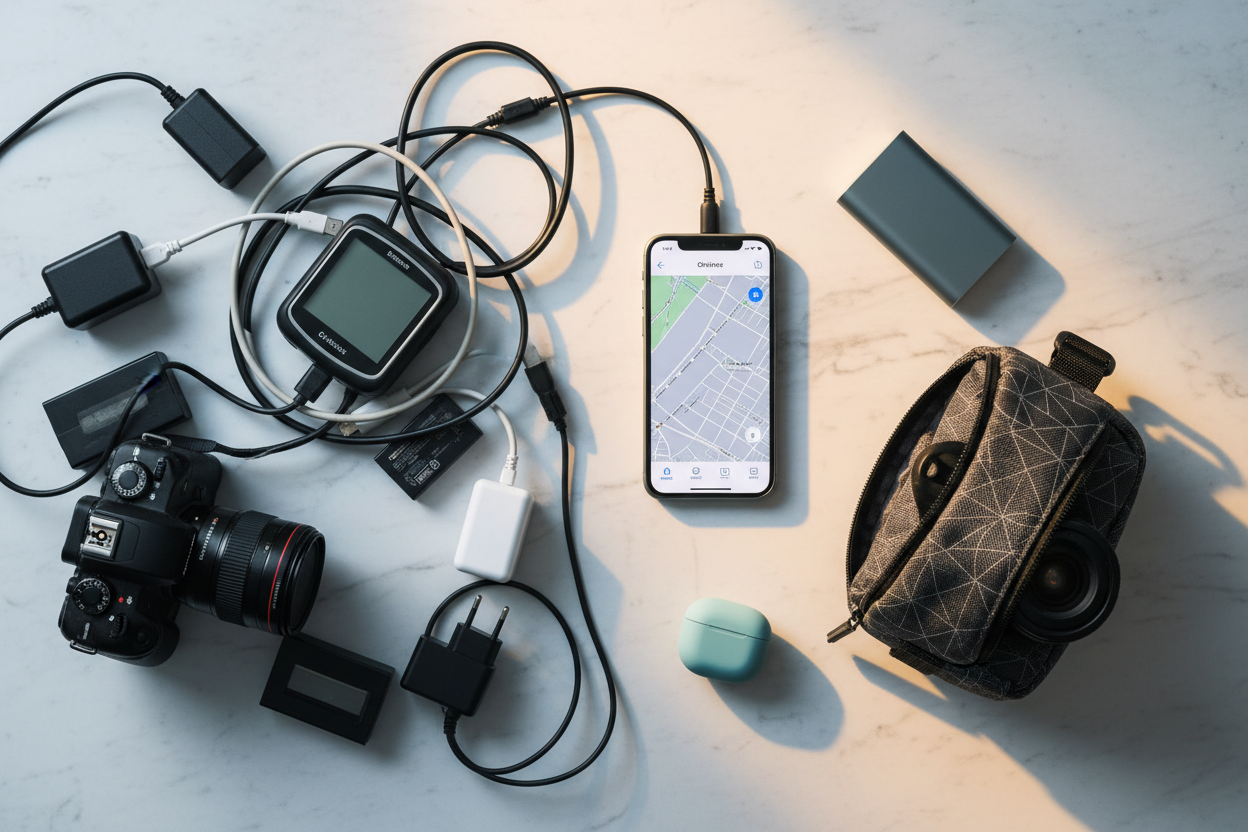
Nothing screams tourist quite like being weighed down with visible technology. The classic mistakes include wearing multiple cameras around your neck, constantly checking a large GPS device, or having charging cables hanging out of your bag.
While documentation is important, the way you handle your tech can significantly impact how you’re perceived. Locals rarely walk around with professional cameras at the ready or consult maps openly on busy streets. These behaviors not only mark you as a tourist but can also make you a target for theft.
Instead of bringing multiple devices, streamline your tech setup. Use your smartphone for most photography needs, and if you must bring a camera, keep it in a discrete bag until needed. Download offline maps to your phone to avoid constantly consulting paper maps or GPS devices. Invest in a portable charger that fits easily in your bag rather than carrying charging cables openly.
The goal is to have access to the technology you need while maintaining a more natural, less obviously tourist appearance. This approach will help you navigate more confidently and safely through Italian cities.
Fabric Choices That Betray Your Origin
The fabrics you choose can be just as telling as the styles you select. Many American tourists pack synthetic athletic wear and moisture-wicking fabrics designed for outdoor activities, thinking these will be most practical for walking and sightseeing.
However, Italians have mastered the art of looking effortlessly elegant in natural fabrics, even during warm weather. The preference for cotton, linen, silk, and wool reflects both cultural values and practical considerations for the Mediterranean climate.
Synthetic fabrics often look obviously functional rather than fashionable, and they can actually be less comfortable in Italian heat and humidity. They also tend to retain odors more than natural fibers, which becomes problematic during longer travel days.
When packing for Italy, prioritize natural fabrics that breathe well and look sophisticated. Linen shirts and dresses are perfect for hot weather and fit right in with Italian summer style. Cotton blends offer comfort and versatility, while lightweight wool can be perfect for cooler evenings or air-conditioned restaurants.
These fabric choices will not only help you blend in better but will also keep you more comfortable throughout your travels. The investment in quality natural fiber clothing pays off in both style and comfort.
What Italians Actually Wear: Your Packing Blueprint
Understanding what locals actually wear is key to packing appropriately for Italy. Italian street style tends to emphasize quality over quantity, with a focus on well-fitted basics in neutral colors that can be mixed and matched easily.
For men, the Italian uniform often consists of well-fitted jeans or chinos, button-down shirts or polo shirts, and leather shoes or clean sneakers. Blazers are common even during casual outings, and accessories like watches and leather goods are chosen for quality and style.
Women’s Italian style focuses on elegant simplicity: well-tailored pants or skirts, blouses or fitted tops, and comfortable but stylish shoes. Dresses are popular, especially in classic cuts and colors. Accessories are minimal but high-quality, with an emphasis on leather goods and simple jewelry.
The color palette tends to be sophisticated – lots of navy, black, white, beige, and brown, with occasional pops of color. Patterns are usually subtle, with stripes being particularly popular. The overall effect is polished but not overdone, comfortable but not sloppy.
By building your Italy wardrobe around these principles, you’ll not only blend in better but likely find that you feel more confident and comfortable during your travels. The key is choosing pieces that work well together and can transition from day to evening activities.
Seasonal Considerations for Authentic Italian Style
Italian fashion is highly seasonal, and what’s appropriate in summer might look completely out of place in winter. Understanding these seasonal norms can help you pack more appropriately and avoid obvious tourist mistakes.
Summer in Italy calls for lightweight, breathable fabrics in light colors. Linen becomes ubiquitous, and you’ll see plenty of white, cream, and light blue. However, Italians still maintain a polished appearance even in heat – you won’t see many locals in flip-flops or extremely revealing clothing in city centers.
Fall and spring require layering pieces. Light sweaters, blazers, and scarves become essential. The color palette shifts to deeper tones – burgundy, forest green, and rich browns. Boots become more common, and you’ll see more structured pieces.
Winter Italian style emphasizes elegance and warmth. Quality coats, leather boots, and sophisticated accessories are essential. Even casual wear maintains a polished edge, with well-fitted jeans paired with nice sweaters and proper outerwear.
Understanding these seasonal shifts helps you pack appropriately for your travel dates and ensures that your clothing choices align with what locals are actually wearing during your visit.
Conclusion: Blending In While Staying Comfortable
Avoiding tourist fashion mistakes in Italy doesn’t mean sacrificing comfort or practicality – it’s about making smarter choices that serve multiple purposes. By understanding local style preferences and cultural norms, you can pack clothing that helps you blend in while still meeting your practical travel needs.
The key is finding the balance between American comfort expectations and Italian style standards. This means choosing well-fitted clothes in quality fabrics, opting for sophisticated color palettes, and investing in versatile pieces that work for multiple occasions.
Remember that looking the part is just one aspect of cultural immersion. When you dress appropriately for your destination, you’re showing respect for local customs and often find that you’re treated more like a temporary resident than a obvious tourist. This can lead to better service, more authentic interactions, and a richer overall travel experience.
Your Italy adventure should be about creating memories, not worrying about your appearance. By packing thoughtfully from the start, you can focus on enjoying incredible food, stunning art, and beautiful landscapes while feeling confident and comfortable in your carefully chosen travel wardrobe.
Book Now!
Call to action to book now.
This was a very interesting read, thank you so much! I had no idea that Italy had a strict dress code.
Thanks for the comment.
No time like the present to start your cruising.