
International Carry-On Rules: What’s Allowed and What’s Not in 2026
Picture this: you’re standing in the security line at the airport, confidently wheeling your carry-on behind you, when suddenly the TSA agent pulls out that expensive bottle of perfume you forgot was in your bag. Sound familiar? If you’ve ever traveled internationally, you’ve probably experienced the frustration of carry-on confusion at least once. The good news is that while international carry-on rules continue to evolve, understanding the current regulations can save you time, money, and unnecessary stress.
As we navigate through 2026, international travel has rebounded stronger than ever, but so have security measures and restrictions. Whether you’re a seasoned globe-trotter or planning your first international adventure, staying updated on carry-on regulations is crucial for smooth travels. The rules aren’t just suggestions – they’re strictly enforced security measures designed to keep everyone safe while flying.
Understanding the 3-1-1 Liquid Rule and Its Global Variations
The infamous 3-1-1 rule remains the cornerstone of international carry-on liquid restrictions in 2026. For those unfamiliar, this means liquids, gels, and aerosols must be in containers of 3.4 ounces (100ml) or smaller, all fitting into one quart-sized, clear, zip-top bag, with one bag per passenger. However, what many travelers don’t realize is that this rule has subtle variations depending on your departure country.
European Union airports have maintained strict adherence to the 100ml limit, but they’ve expanded their definition of liquids to include items like thick creams, pastes, and even some food items with liquid consistency. Meanwhile, some Asian countries have implemented slightly different interpretations, particularly regarding traditional medicines and cultural items.
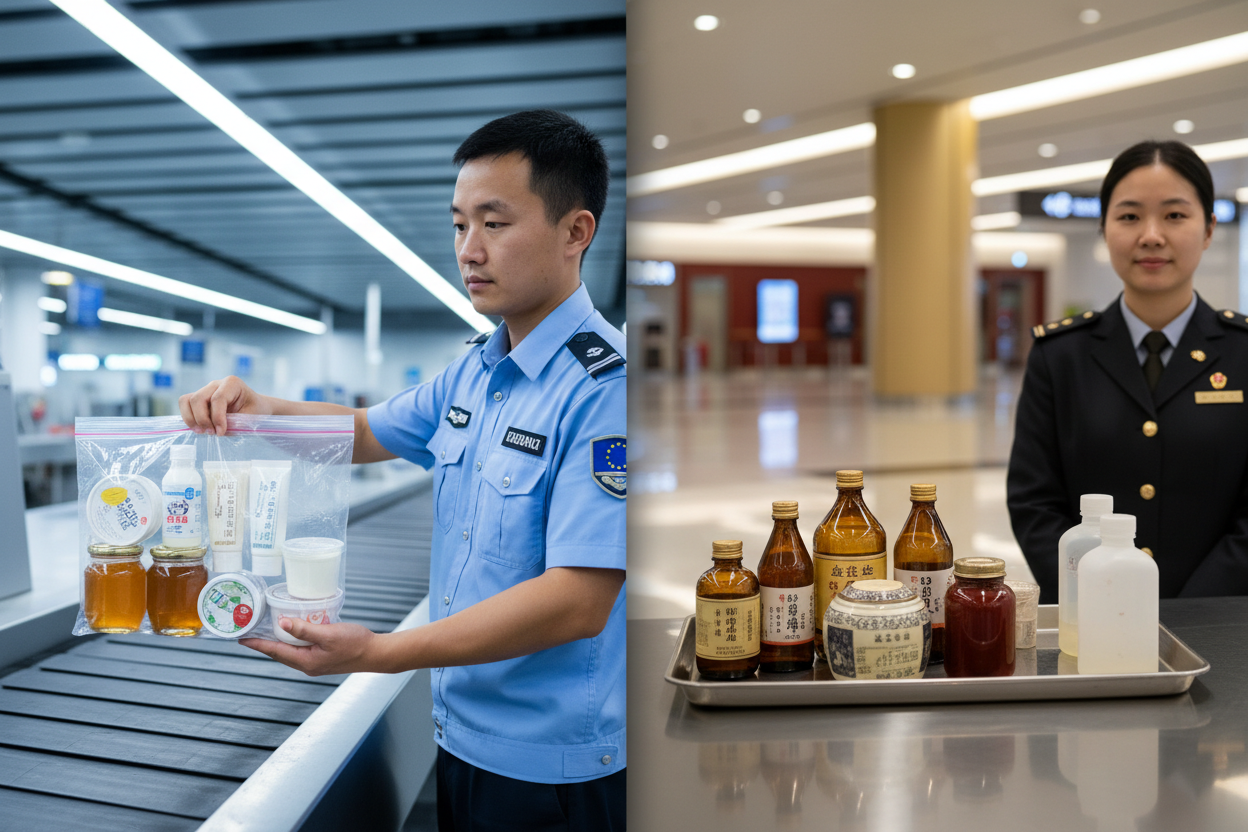
The key to success with liquids is preparation. I always recommend packing your liquids bag at the top of your carry-on for easy access during security screening. Pro tip: if you’re traveling with prescription medications in liquid form, keep them in their original containers with clear labels, and consider bringing a copy of your prescription just in case.
Electronics and Battery Restrictions: The 2026 Updates
Electronics regulations have seen significant updates in 2026, particularly regarding lithium batteries and portable power sources. The general rule remains that devices with lithium-ion batteries must be carried in your carry-on luggage, not checked baggage. However, the watt-hour limits have become more strictly enforced across international destinations.
Power banks and portable chargers are now subject to stricter capacity limits. Most airlines allow power banks up to 100 watt-hours without special permission, while those between 100-160 watt-hours require airline approval. Anything above 160 watt-hours is prohibited on passenger aircraft. What’s new in 2026 is the requirement for clearer labeling – your power bank must have its capacity clearly marked, or you risk having it confiscated.
Smart luggage has also faced increased scrutiny. If your suitcase has built-in batteries, GPS tracking, or charging capabilities, the battery must be removable. Non-removable batteries in smart luggage are no longer permitted in either carry-on or checked baggage on most international flights.
Prohibited Items: The Complete No-Fly List
Some items are universally prohibited in carry-on luggage regardless of your destination. Sharp objects remain at the top of this list, including knives of any size, razor blades, box cutters, and even seemingly innocent items like knitting needles in some countries. The rule of thumb is simple: if it can be used as a weapon, it probably doesn’t belong in your carry-on.
Sporting goods present another challenge for travelers. Golf clubs, baseball bats, hockey sticks, and martial arts equipment must go in checked luggage. However, small sporting items like ping-pong paddles are typically allowed. When in doubt, check with your specific airline, as policies can vary slightly between carriers.
Tools and hardware items are generally prohibited, with the exception of small screwdrivers shorter than 7 inches and wrenches smaller than 7 inches. Larger tools, power tools, and anything that could be used to tamper with aircraft systems are strictly forbidden in carry-on bags.
Food and Agricultural Products: Country-Specific Considerations
Food restrictions in carry-on luggage vary dramatically by destination country, and 2026 has brought even stricter agricultural controls to many nations. While you can generally bring solid foods through security, liquids and gels in food form still fall under the 3-1-1 rule. That jar of honey or container of yogurt needs to be 3.4 ounces or smaller.
Fresh fruits, vegetables, and meat products face the strictest restrictions, particularly when entering countries like Australia, New Zealand, and the United States. These nations have zero-tolerance policies for undeclared agricultural products, with hefty fines for violations. Even seemingly harmless items like apples or homemade sandwiches containing meat can result in penalties.
Packaged and processed foods are generally safer bets for international travel. Sealed snacks, candy, and commercially packaged items typically pass through security without issues. However, always check the agricultural restrictions of your destination country before packing any food items.
Medication and Medical Devices: Special Allowances
Medical necessities receive special consideration in carry-on regulations, but proper documentation is essential. Prescription medications should always travel in their original containers with clear labels showing your name and the prescribing doctor’s information. Liquid medications are exempt from the 3-1-1 rule but must be declared at security checkpoints.
Medical devices like insulin pens, inhalers, and CPAP machines are permitted and often encouraged to be carried on rather than checked. However, you may need to provide additional screening or documentation for larger medical devices. I recommend carrying a letter from your doctor explaining any medical equipment or medications you’re traveling with.
Over-the-counter medications in pill form are generally unrestricted, but liquid versions must follow the standard liquid rules unless they qualify for medical exemptions. When traveling internationally, it’s wise to research whether your medications are legal in your destination country, as some prescription drugs legal in one country may be controlled substances in another.
Regional Differences: What Changes When You Cross Borders
One of the most challenging aspects of international travel is navigating the regional differences in carry-on regulations. While most countries follow similar baseline security standards, local variations can catch travelers off guard. European Union countries generally maintain consistent rules among member states, but non-EU countries may have different restrictions.
Asian countries often have stricter rules regarding traditional medicines and cultural items. Japan, for instance, has specific restrictions on certain over-the-counter medications that are common in Western countries. Singapore maintains some of the world’s strictest import controls, with severe penalties for prohibited items.
Middle Eastern countries may have additional restrictions on items considered culturally sensitive, while some African nations have heightened agricultural controls to protect local ecosystems. The key is researching your specific destination’s requirements well before your departure date.
Packing Smart: Tips for Hassle-Free Security Screening
Successful international travel starts with smart packing strategies. I’ve learned through countless trips that organization is your best friend when it comes to carry-on luggage. Pack your liquids bag and electronics in easily accessible locations within your carry-on. This simple step can save you precious time during security screening and reduce the likelihood of having to unpack your entire bag.
Consider investing in packing cubes or compression bags to keep your belongings organized and easily identifiable. Security agents appreciate when they can quickly see what’s in your bag, and you’ll appreciate the organization when you’re living out of your carry-on during long layovers.
Always pack essential items like medications, important documents, and a change of clothes in your carry-on, even if you’re checking a bag. Flight delays and lost luggage are unfortunate realities of air travel, and having these essentials with you can make all the difference in your travel experience.
Navigating international carry-on rules doesn’t have to be a source of stress when you’re properly prepared. While regulations continue to evolve and vary by region, understanding the core principles and staying informed about destination-specific requirements will set you up for success. Remember that these rules exist for everyone’s safety, and a little preparation goes a long way toward ensuring smooth travels. Before your next international trip, take time to research the specific requirements for both your departure and destination countries, pack thoughtfully, and always allow extra time for security screening. Safe travels, and may your carry-on always make it through security without a hitch.
Book Now!
Call to action to book now.
Leave a Comment