
Group Travel Etiquette: Essential Rules for Harmonious Vacations
Picture this: you’ve been planning the perfect getaway with your closest friends for months. Everyone’s excited, the destination is booked, and the itinerary looks amazing. But halfway through the trip, tensions are running high, someone’s always late, and what started as a dream vacation is turning into a nightmare. Sound familiar? You’re not alone.
Group travel can be one of life’s most rewarding experiences, creating memories that last a lifetime and strengthening bonds with the people you care about most. However, it can also test relationships in ways you never imagined. The key to a successful group vacation lies in understanding and following proper group travel etiquette – those unspoken rules that keep everyone happy, respected, and eager to plan the next adventure together.
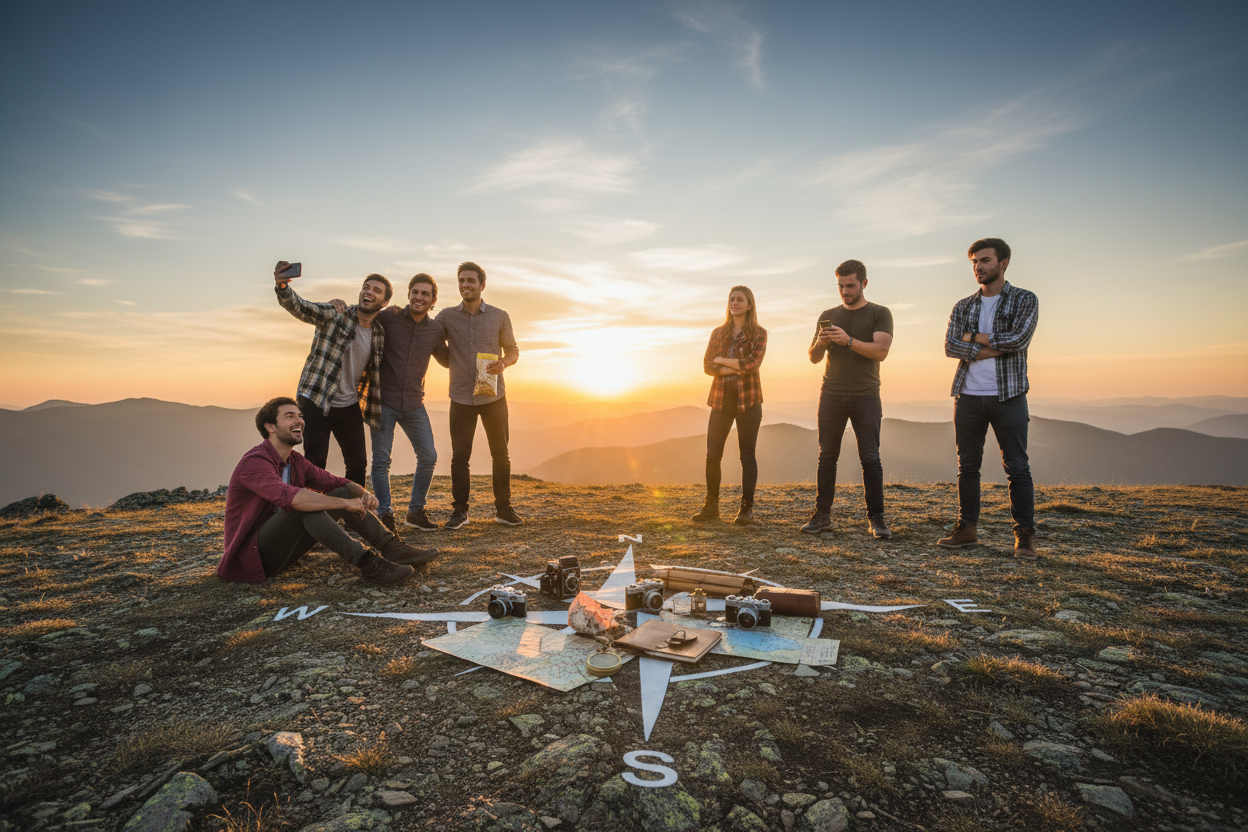
Whether you’re planning a weekend getaway with college friends, a multi-generational family reunion, or a destination wedding celebration, mastering group travel etiquette will transform your vacation from potentially stressful to absolutely spectacular. Let’s dive into the essential rules that will help you navigate group dynamics, avoid common pitfalls, and ensure everyone returns home with smiles and stories to share.
Planning Phase: Setting the Foundation for Success
The foundation of any harmonious group vacation is laid long before anyone packs a suitcase. The planning phase is where most group travel disasters are born, but it’s also where you can prevent them with thoughtful preparation and clear communication.

Start by establishing a group leader or designating specific responsibilities to different members. This doesn’t mean one person makes all the decisions, but rather someone takes charge of coordination and ensures nothing falls through the cracks. The group leader should be organized, diplomatic, and willing to handle the inevitable questions and concerns that arise during planning.
Budget discussions should happen early and honestly. Money is often the biggest source of conflict in group travel, so address it head-on. Create a shared document outlining all expected expenses, from flights and accommodations to meals and activities. Be transparent about your financial limits and respect others’ budgets. Consider using apps like Splitwise or Venmo to track shared expenses throughout the trip.
When choosing destinations and activities, remember that compromise is key. Not everyone will be thrilled about every aspect of the itinerary, and that’s okay. The goal is to find a balance that offers something for everyone while respecting the group’s overall preferences and limitations.
Communication: The Cornerstone of Group Travel Success
Clear, consistent communication can make or break a group vacation. Establish communication channels early in the planning process and stick to them throughout the trip. Whether it’s a group chat, email thread, or planning app, everyone should know where to find important information and updates.
Set expectations about response times and decision-making processes. Some people check messages constantly, while others might go hours without looking at their phones. Establish reasonable timeframes for responses to planning questions and stick to them. If someone consistently doesn’t respond, follow up directly rather than letting frustration build.
During the trip, maintain open lines of communication about daily plans, meeting times, and any changes to the itinerary. A quick group message in the morning outlining the day’s plans can prevent confusion and ensure everyone’s on the same page. Don’t assume everyone remembers what was discussed the night before, especially if alcohol was involved in those conversations.
Address conflicts quickly and directly. When tensions arise – and they will – don’t let them simmer. Pull the involved parties aside for a private conversation, listen to all perspectives, and work together to find a solution. Sometimes a simple acknowledgment of different preferences is enough to diffuse a situation.
Financial Etiquette: Managing Money Matters Gracefully
Money conversations can be awkward, but handling finances properly is crucial for maintaining friendships and family relationships. Establish clear guidelines about how expenses will be shared before you leave home. Will you split everything equally, or will people pay for their own meals and activities? What about shared accommodations, transportation, and group activities?
Keep detailed records of shared expenses and settle up regularly throughout the trip rather than trying to figure everything out at the end. This prevents the awkward situation where someone owes hundreds of dollars they weren’t expecting to pay. Consider designating one person as the “group treasurer” who tracks expenses and sends regular updates to everyone.
Be mindful of different spending habits within your group. Some people might want to splurge on expensive restaurants and premium activities, while others prefer budget-friendly options. Plan a mix of both, and be clear about which expenses are optional versus required group activities. Never pressure someone to participate in something outside their budget, and don’t make them feel guilty for opting out.
Tipping can be particularly tricky in group settings. Discuss tipping practices beforehand, especially if you’re traveling internationally where customs might differ. When dining out, decide whether you’ll calculate tips individually or add a group tip to shared meals. Having these conversations in advance prevents awkward moments and ensures service workers are fairly compensated.
Accommodation Arrangements: Sharing Space Successfully
Living in close quarters with friends or family members requires extra consideration and respect. Whether you’re sharing hotel rooms, vacation rentals, or camping spaces, establish ground rules about personal space, cleanliness, and shared responsibilities.
Discuss sleeping arrangements and room assignments before booking accommodations. Consider everyone’s preferences, needs, and comfort levels. Some people are early risers while others are night owls. Some snore, some need complete darkness to sleep, and others might have specific temperature preferences. Try to pair compatible roommates and be honest about your own habits and needs.
Establish bathroom schedules, especially in accommodations with limited facilities. Create a morning routine schedule so everyone knows when they can shower and get ready without rushing or waiting around. Bring your own toiletries and don’t assume you can share others’ personal items without asking.
Keep common areas clean and organized. This means cleaning up after yourself in kitchens, living rooms, and outdoor spaces. Don’t leave personal belongings scattered around shared spaces, and always ask before using someone else’s items. If you make a mess, clean it up immediately rather than leaving it for someone else to deal with.
Respect quiet hours and personal downtime. Not everyone needs to be socializing 24/7, and some people might need time to recharge or take care of personal matters. Establish reasonable quiet hours for sleeping and respect when someone needs space or alone time.
Activity Planning: Balancing Individual Preferences with Group Dynamics
One of the biggest challenges in group travel is creating an itinerary that satisfies everyone’s interests and energy levels. The key is finding the right balance between structured group activities and individual freedom to explore personal interests.
Plan a mix of must-do group activities and flexible free time. Identify a few key experiences that everyone is excited about and make those non-negotiable group activities. For everything else, offer options and let people choose their own adventure. Some might want to spend the day at museums while others prefer outdoor activities or shopping.
Be realistic about timing and logistics. Groups naturally move slower than individuals, so build extra time into your schedule for everything from getting ready in the morning to traveling between destinations. What might take you 30 minutes alone could easily take an hour with a group of six people.
Consider splitting up occasionally. It’s perfectly okay – and often beneficial – for the group to divide based on interests or energy levels. Some people might want to hike that challenging trail while others prefer a leisurely day at the beach. Plan a meeting time and place to reconvene, and make sure everyone has necessary contact information and transportation details.
Rotate decision-making responsibilities for daily activities. Let different people take turns choosing restaurants, planning day trips, or selecting evening entertainment. This ensures everyone gets to experience something they’re passionate about and prevents one person from bearing all the planning burden.
Time Management: Respecting Everyone’s Schedule
Time management might seem like a minor detail, but it’s often the source of major group travel friction. Different people have different relationships with time, and these differences become magnified when you’re trying to coordinate multiple schedules and personalities.
Establish clear meeting times and stick to them. If you say you’re leaving at 9 AM, mean 9 AM, not 9:30 or 10. Build buffer time into your schedule, but don’t let chronic lateness derail the entire group’s plans. Consider implementing a “departure time” policy where the group leaves at the scheduled time regardless of who’s ready.
Communicate schedule changes immediately. Plans change during travel – that’s part of the adventure. But when they do change, make sure everyone knows about it as soon as possible. Don’t assume that telling one person will result in the message reaching everyone else.
Be mindful of different energy levels and preferences. Some people are naturally early risers who want to maximize every moment of vacation, while others prefer a more relaxed pace with later starts and longer breaks. Try to accommodate both styles by planning some early activities for the go-getters and some later starts for those who need more time to wake up.
Respect meal times and dietary restrictions. Plan restaurant reservations and meal times in advance, taking into account everyone’s dietary needs and preferences. Don’t spring last-minute food decisions on the group, especially if someone has allergies or specific dietary requirements that need to be accommodated.
Personal Space and Boundaries: Maintaining Individual Comfort
Even the closest friends and family members need personal space and boundaries during extended time together. Recognizing and respecting these needs is essential for maintaining harmony throughout your trip.
Understand that not everyone needs to participate in every activity. It’s okay if someone wants to skip the group dinner to have a quiet evening alone, or if they prefer to explore a different part of town while everyone else visits a museum. Don’t take these choices personally, and don’t pressure people to participate in activities they’re not interested in.
Respect personal belongings and privacy. Always ask before borrowing someone’s items, even something as simple as sunscreen or a phone charger. Don’t go through other people’s luggage or personal spaces, and be mindful of taking photos that might include people who prefer not to be photographed.
Be aware of different comfort levels with physical affection and personal space. Some people are huggers who love physical closeness, while others prefer more personal space. Pay attention to these preferences and respect them, especially in crowded accommodations or transportation situations.
Create opportunities for alone time or smaller group interactions. Plan some activities where people can naturally split into smaller groups based on interests or energy levels. This gives everyone a break from large group dynamics and allows for more intimate conversations and experiences.
Technology and Social Media: Digital Etiquette for Modern Travelers
In our connected world, technology and social media add new dimensions to group travel etiquette. How you handle phones, photos, and social media sharing can significantly impact everyone’s vacation experience.
Establish photo-sharing protocols before you start snapping pictures. Some people love being photographed and shared on social media, while others are more private. Always ask before posting photos that include other people, and respect their wishes if they prefer not to be tagged or shared online.
Be mindful of phone usage during group activities. While it’s natural to want to capture memories and stay connected with people back home, don’t let technology interfere with real-time experiences and conversations. Consider implementing phone-free times during meals or special activities to ensure everyone stays present and engaged.
Share wifi passwords and charging stations fairly. In accommodations with limited internet or electrical outlets, take turns and be considerate about usage. Don’t monopolize the best charging spots or use all the bandwidth for streaming videos while others are trying to check important messages.
Coordinate social media posts to avoid spoiling surprises or revealing locations that others might want to keep private. If you’re planning surprise activities or visiting locations that some group members prefer to keep off social media, discuss these preferences in advance.
Conflict Resolution: Handling Disagreements with Grace
Even with the best planning and intentions, conflicts will arise during group travel. How you handle these disagreements can determine whether they become minor bumps in the road or trip-ending disasters.
Address issues early before they escalate. If something is bothering you, speak up sooner rather than later. It’s much easier to resolve a small misunderstanding than to deal with built-up resentment and anger. Choose your timing carefully – don’t bring up serious issues when everyone is tired, hungry, or stressed.
Focus on solutions rather than blame. When conflicts arise, work together to find compromises that address everyone’s concerns. Instead of pointing fingers or rehashing who did what wrong, concentrate on how to move forward in a way that works for everyone.
Know when to involve a neutral mediator. If two people are in conflict, sometimes it helps to have a neutral group member facilitate a conversation. Choose someone who’s diplomatic and trusted by both parties to help find common ground.
Be willing to apologize and forgive. Travel stress can bring out the worst in people, and everyone will make mistakes or have moments they’re not proud of. Be quick to apologize when you’re wrong, and equally quick to forgive others when they make mistakes. Remember that the goal is to preserve relationships and enjoy your vacation together.
Conclusion: Creating Lasting Memories Through Respectful Travel
Group travel etiquette isn’t about following rigid rules or walking on eggshells around your travel companions. It’s about creating an environment where everyone feels respected, included, and free to enjoy their vacation experience. When you approach group travel with consideration, communication, and flexibility, you set the stage for incredible shared experiences and stronger relationships.
Remember that perfect group trips don’t exist – there will always be minor hiccups, unexpected challenges, and moments when personalities clash. The difference between a successful group vacation and a disaster lies in how you handle these inevitable bumps in the road. By following these etiquette guidelines, you’re not just ensuring a smoother trip; you’re investing in your relationships and creating the foundation for many more adventures together.
The best group travel experiences happen when everyone feels heard, respected, and valued as part of the team. Take the time to plan thoughtfully, communicate openly, and approach challenges with patience and humor. Your future self – and your travel companions – will thank you for the effort you put into making your group vacation a success for everyone involved.
So go ahead and start planning that dream group getaway. With these etiquette guidelines in your back pocket, you’re well-equipped to navigate the complexities of group dynamics and create the kind of vacation memories that will have everyone asking, “When can we do this again?”
Leave a Comment