
Group Travel Communication: Apps and Tools for Seamless Coordination
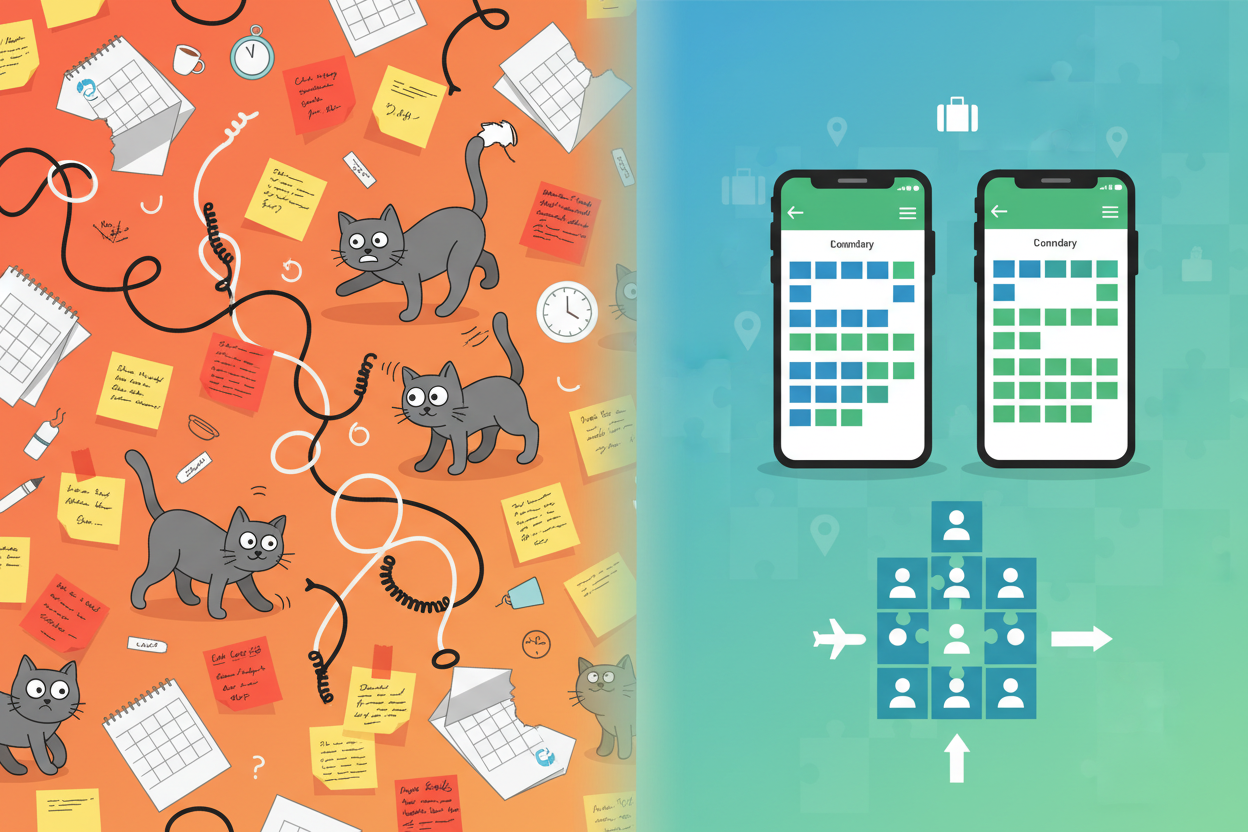
Planning a group trip can feel like herding cats, especially when you’re trying to coordinate schedules, preferences, and logistics across multiple people. Whether you’re organizing a family reunion, a friends’ getaway, or a corporate retreat, effective communication is the backbone of successful group travel. The good news? Today’s digital landscape offers an impressive array of apps and tools designed specifically to streamline group travel coordination and keep everyone on the same page.
Gone are the days of endless email chains, missed messages, and confusion about meeting times. Modern group travel communication tools have revolutionized how we plan, coordinate, and execute trips together. From real-time messaging platforms to comprehensive itinerary builders, these digital solutions can transform your group travel experience from chaotic to seamless.
Why Group Travel Communication Matters More Than Ever
In our increasingly connected world, travelers expect instant access to information and the ability to communicate in real-time. Group travel amplifies this need exponentially. When you multiply individual travel preferences, dietary restrictions, budget considerations, and scheduling conflicts by the number of people in your group, the complexity grows quickly.
Poor communication during group travel can lead to missed connections, duplicate bookings, budget overruns, and frustrated travelers. On the flip side, excellent communication creates shared excitement, builds anticipation, and ensures everyone feels included in the planning process. The right tools can make the difference between a trip that brings people together and one that creates lasting tension.
Essential Features to Look for in Group Travel Communication Tools
Before diving into specific app recommendations, it’s worth understanding what makes a communication tool truly effective for group travel. The best platforms combine several key features that address the unique challenges of coordinating multiple people across different locations and time zones.
Real-time messaging capabilities top the list of must-have features. Whether you’re dealing with last-minute gate changes or trying to coordinate dinner plans, instant communication keeps everyone informed. Look for tools that work reliably across different devices and operating systems, ensuring no one gets left out due to technical incompatibilities.
File sharing functionality proves invaluable when distributing travel documents, sharing photos, or collaborating on itineraries. The ability to create shared spaces where everyone can access important information eliminates the confusion of scattered email attachments and ensures critical details don’t get lost.
Location sharing features have become increasingly important for group travel safety and coordination. Being able to see where group members are located in real-time helps with meetups, ensures no one gets left behind, and provides peace of mind for travel companions.
Top Messaging Apps for Group Travel Coordination
WhatsApp remains one of the most popular choices for group travel communication, and for good reason. Its widespread adoption means most travelers already have it installed, eliminating the friction of asking people to download new apps. WhatsApp’s group chat features allow you to create dedicated conversations for your trip, share photos and documents, and even conduct voice calls when needed.
The app’s location sharing feature proves particularly useful during travel days when group members might be scattered across airports or exploring different areas of a destination. WhatsApp’s reliability across international borders and its end-to-end encryption provide additional confidence for travelers concerned about privacy and connectivity.
Telegram offers similar functionality to WhatsApp but with some additional features that make it attractive for group travel. Its cloud-based architecture means messages sync seamlessly across devices, and its file sharing capabilities are more robust, allowing larger files and better organization of shared content.
For groups that prefer to keep their travel communication separate from their everyday messaging, GroupMe provides a dedicated platform designed specifically for group coordination. Its integration with calendar apps and the ability to like messages helps reduce notification overload while keeping important information easily accessible.
Comprehensive Travel Planning Platforms
While messaging apps handle day-to-day communication well, comprehensive travel planning platforms take group coordination to the next level by combining communication with actual trip planning tools. These platforms recognize that effective group travel communication goes beyond just chatting – it requires organizing information, making decisions collaboratively, and keeping everyone aligned on plans.
TripIt stands out as a leader in this space, offering both individual and group functionality. The platform automatically organizes travel confirmations into comprehensive itineraries, and its group features allow trip organizers to share these itineraries with all participants. This eliminates confusion about flight times, hotel details, and activity schedules while providing a central hub for all trip-related information.
Splitwise has revolutionized how groups handle the often-awkward topic of shared expenses during travel. The app allows group members to track shared costs, split bills fairly, and settle up at the end of the trip without the uncomfortable conversations that often arise around money. Its integration with popular payment platforms makes settling debts as simple as a few taps.
Google Trips, while discontinued as a standalone app, has been integrated into Google Maps and continues to offer valuable group travel features. The ability to create shared lists of places to visit, collaborate on itineraries, and access information offline makes it a valuable tool for groups exploring new destinations together.
Real-Time Location and Safety Apps
Safety becomes a paramount concern when traveling with groups, especially in unfamiliar destinations. Real-time location sharing apps provide peace of mind for group leaders and help ensure no one gets separated or lost during the adventure.
Find My Friends (iOS) and Google Maps location sharing (Android and iOS) offer built-in solutions that most travelers already have access to. These tools allow group members to share their locations temporarily during travel days or for the duration of the entire trip. The familiarity of these platforms means less learning curve and higher adoption rates among group members.
Life360 takes location sharing a step further by offering features specifically designed for group coordination. Its check-in functionality allows group members to confirm they’ve arrived safely at destinations, while its driving reports can help groups coordinate transportation and ensure everyone arrives safely.
For groups venturing into areas with limited cell coverage, apps like Zello Walkie Talkie provide push-to-talk communication that works over any internet connection. This can be invaluable for groups hiking, skiing, or exploring remote areas where traditional cellular service might be unreliable.
Collaborative Planning and Decision-Making Tools
One of the biggest challenges in group travel is making decisions that satisfy everyone’s preferences and constraints. Collaborative planning tools help democratize the decision-making process and ensure all voices are heard during the planning phase.
Doodle polls have become synonymous with group scheduling, and their travel applications are equally valuable. Whether you’re trying to coordinate departure dates, choose between destination options, or select activities that work for everyone, Doodle’s polling features help groups make decisions efficiently and transparently.
Trello’s project management approach works surprisingly well for complex group travel planning. Creating boards for different aspects of the trip – accommodations, transportation, activities, and logistics – allows group members to contribute ideas, claim responsibilities, and track progress collaboratively. The visual nature of Trello’s interface makes it easy for everyone to see what needs to be done and who’s handling each task.
Pinterest might seem like an unexpected choice for group travel coordination, but its collaborative board features make it excellent for collecting and organizing travel inspiration. Group members can pin ideas for activities, restaurants, and attractions, creating a shared vision board that helps align expectations and build excitement for the trip.
Managing Group Travel Logistics
Beyond communication and planning, successful group travel requires careful attention to logistics coordination. The right tools can help manage everything from transportation bookings to restaurant reservations, ensuring smooth execution of even the most complex group itineraries.
Calendly and similar scheduling tools prove invaluable when coordinating group activities that require reservations or have limited availability. Instead of going back and forth trying to find times that work for everyone, these tools allow group members to see available slots and book themselves into activities that fit their preferences and schedules.
For groups staying in vacation rentals or multiple accommodations, apps like Airbnb’s group booking features help coordinate housing arrangements and ensure everyone knows where they’re staying and who they’re rooming with. Clear communication about accommodations prevents confusion and helps groups budget more effectively.
Transportation coordination becomes crucial for larger groups, and apps like Uber and Lyft now offer group ride features that help coordinate shared transportation. For groups renting vehicles, apps like Turo provide platforms for collaborative car rental decisions and expense sharing.
Best Practices for Implementing Group Travel Communication Tools
Having the right tools is only half the battle – implementing them effectively requires thoughtful consideration of your group’s needs and communication preferences. Start by assessing your group’s technical comfort level and existing app usage patterns. There’s no point in choosing the most feature-rich platform if half your group won’t use it.
Establish clear communication protocols early in the planning process. Decide which platform will be used for different types of communication – perhaps WhatsApp for daily coordination and email for important documents. Setting these expectations upfront prevents confusion and ensures important information doesn’t get lost in the shuffle.
Consider appointing communication champions within your group – tech-savvy members who can help others navigate new platforms and troubleshoot issues. This peer-to-peer support often works better than trying to provide technical support yourself, especially when you’re busy managing other aspects of trip coordination.
Don’t forget about offline functionality when selecting tools. International travel often involves spotty internet connections, and having apps that work offline or sync when connectivity returns can prevent communication breakdowns during critical moments.
Making Your Group Travel Communication Strategy Work
The most sophisticated communication tools in the world won’t help if your group doesn’t embrace them wholeheartedly. Success requires buy-in from all participants and a commitment to keeping information current and accessible. Regular check-ins during the planning process help identify communication gaps and ensure everyone stays engaged with the planning process.
Consider creating communication redundancy for critical information. Important details like flight times, hotel addresses, and emergency contacts should be accessible through multiple channels to prevent single points of failure. This might mean sharing key information through both your primary communication app and email, or ensuring offline copies are available on everyone’s devices.
Remember that effective group travel communication extends beyond the planning phase. Having established communication channels and protocols makes dealing with travel disruptions, changes in plans, and unexpected opportunities much smoother when you’re actually on the road.
The investment in setting up proper group travel communication pays dividends throughout your entire trip experience. From the initial excitement of planning together to the final photos shared after returning home, the right tools help create connections and memories that last long after the luggage is unpacked. By choosing platforms that fit your group’s needs and implementing them thoughtfully, you’re setting the stage for travel experiences that bring people together rather than drive them apart.
Leave a Comment