
Flight Delay Compensation: Your Rights and How to Claim What You’re Owed
Picture this: you’re sitting at the gate, boarding pass in hand, when the dreaded announcement crackles over the intercom. “Ladies and gentlemen, we regret to inform you that Flight 1234 has been delayed by four hours due to technical difficulties.” Your heart sinks as you think about missed connections, ruined vacation plans, or that important business meeting you’ll now miss.
If this scenario sounds familiar, you’re not alone. Flight delays affect millions of passengers worldwide every year, causing frustration, inconvenience, and often significant financial losses. However, what many travelers don’t realize is that they may be entitled to substantial compensation for these disruptions. Understanding your passenger rights and knowing how to claim compensation can turn a travel nightmare into a more bearable experience – and potentially put hundreds of dollars back in your pocket.
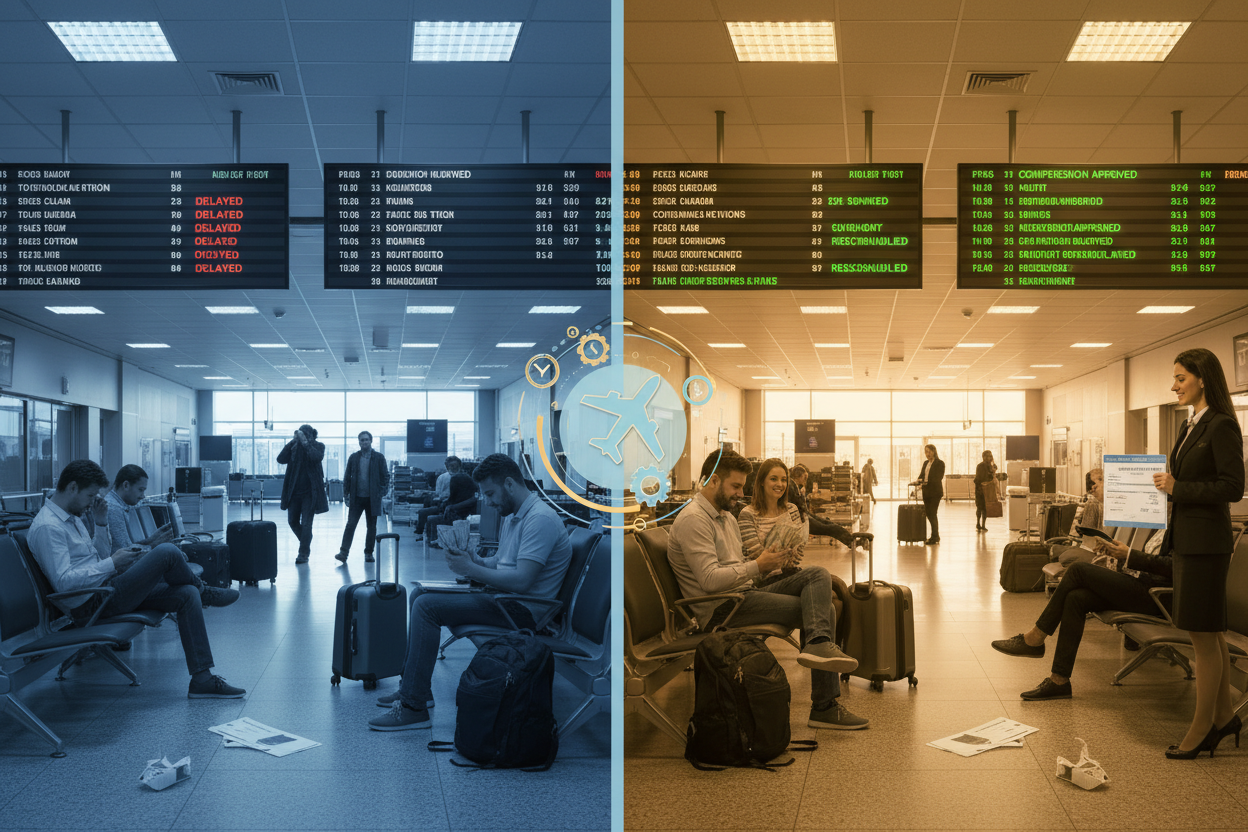
Understanding Your Passenger Rights: The Legal Framework
Flight delay compensation isn’t just a goodwill gesture from airlines – it’s often a legal requirement. The extent of your rights depends largely on where your flight operates and which regulations apply to your journey.
In the European Union, Regulation EC 261/2004 provides some of the world’s most comprehensive passenger protection. This regulation covers flights departing from EU airports on any airline, as well as flights arriving in the EU on EU-based carriers. Under these rules, passengers can claim compensation ranging from €250 to €600 depending on the flight distance and delay duration.
The United States takes a different approach, with fewer mandatory compensation requirements for delays. However, airlines often provide voluntary compensation, and the Department of Transportation has been pushing for stronger passenger protections. Other regions, including Canada, Brazil, and Turkey, have implemented their own passenger rights regulations with varying levels of protection.

When Are You Entitled to Flight Delay Compensation?
Not every flight delay qualifies for compensation, and understanding the specific criteria is crucial for successful claims. The rules can be complex, but here’s what you need to know.
Under EU regulations, you’re typically entitled to compensation when your flight arrives at its final destination more than three hours late. The amount depends on the flight distance: €250 for flights up to 1,500 kilometers, €400 for EU internal flights over 1,500 kilometers and other flights between 1,500-3,500 kilometers, and €600 for flights over 3,500 kilometers.
However, there’s an important caveat: airlines aren’t required to pay compensation if the delay was caused by “extraordinary circumstances” beyond their control. These include severe weather conditions, air traffic control strikes, security alerts, or political instability. Technical problems with the aircraft, crew scheduling issues, or fuel shortages typically don’t qualify as extraordinary circumstances.
The timing of when you’re informed about the delay also matters. If the airline notifies you more than 14 days before departure, no compensation is owed. Notification between 7-14 days before departure may still qualify you for compensation if alternative flights don’t meet certain arrival time criteria.
Different Types of Flight Disruptions and Your Rights
Flight delays aren’t the only disruptions that may entitle you to compensation. Understanding the different scenarios can help you recognize when you have a valid claim.
Flight cancellations often provide stronger grounds for compensation than delays. If your flight is cancelled with less than 14 days’ notice and the airline cannot provide suitable alternative transportation, you’re typically entitled to the same compensation amounts as significant delays. You also have the right to choose between a full refund or rebooking on the next available flight.
Denied boarding, commonly known as being “bumped” from a flight, occurs when airlines oversell flights and don’t have enough seats for all passengers with confirmed reservations. In these cases, compensation rates are often higher, and airlines must first seek volunteers before involuntarily denying boarding to passengers.
Missed connections due to initial flight delays can also qualify for compensation, provided all flights are part of a single booking and the delay meets the minimum time requirements. This is particularly relevant for travelers with complex itineraries involving multiple airlines or airports.
Step-by-Step Guide: How to File Your Compensation Claim
Filing a successful compensation claim requires organization, persistence, and attention to detail. Here’s a comprehensive approach to maximize your chances of success.
Start by gathering all relevant documentation immediately after the disruption occurs. This includes your boarding passes, booking confirmation, any communication from the airline about the delay or cancellation, receipts for additional expenses incurred, and photos of departure boards showing delay information. The more evidence you have, the stronger your claim will be.
Contact the airline directly as your first step. Most airlines have dedicated customer service departments for handling compensation claims. Be polite but firm in your communication, clearly stating the facts of your case and the compensation you believe you’re owed. Reference the specific regulation that applies to your situation, such as EU Regulation 261/2004.
When writing to the airline, include all relevant flight details: flight numbers, dates, departure and arrival airports, the actual delay duration, and the reason given for the disruption. Attach copies of your supporting documentation and keep originals for your records.
If the airline denies your claim or doesn’t respond within a reasonable timeframe (typically 6-8 weeks), don’t give up. You can escalate your case to the relevant national enforcement body. In the EU, each country has a National Enforcement Body that can investigate passenger rights violations and compel airlines to pay valid claims.
Common Challenges and How to Overcome Them
Airlines don’t always make the compensation process straightforward, and passengers often encounter various obstacles when pursuing their claims. Being prepared for these challenges can help you navigate them successfully.
One of the most common tactics airlines use is claiming that delays were caused by extraordinary circumstances. They might cite “technical problems” or “operational reasons” without providing specific details. Don’t accept vague explanations – you have the right to request detailed information about the cause of the disruption. Weather delays are only considered extraordinary if they genuinely made it impossible to operate the flight safely.
Airlines sometimes offer vouchers or travel credits instead of cash compensation, often for amounts lower than what you’re legally entitled to receive. Remember that under most passenger rights regulations, you have the right to choose cash compensation over vouchers, and the amount should reflect the full legal entitlement.
Language barriers and complex claim forms can also create obstacles. If you’re not comfortable communicating in the airline’s primary language, consider seeking assistance from passenger rights organizations or legal professionals who specialize in aviation law.
Professional Help vs. DIY Claims: What’s Right for You?
Deciding whether to handle your compensation claim yourself or seek professional assistance depends on various factors, including the complexity of your case, the amount of compensation involved, and your comfort level with legal processes.
Filing claims yourself gives you complete control over the process and ensures you receive 100% of any compensation awarded. It’s often the best approach for straightforward cases with clear documentation and when you have the time to follow up persistently with airlines and regulatory bodies.
Professional claim services and specialized law firms can be valuable for complex cases, multiple passenger claims, or when airlines are being particularly difficult. These services typically work on a “no win, no fee” basis but take a percentage of any successful claim (usually 20-35%). They bring expertise in aviation law and established relationships with airlines that can expedite the process.
Before choosing a professional service, research their reputation, success rates, and fee structure. Be wary of companies that make unrealistic promises or demand upfront payments. Legitimate services should be transparent about their processes and only charge fees if they successfully recover compensation on your behalf.
Maximizing Your Chances of Success
Several strategies can significantly improve your likelihood of receiving the compensation you’re owed. Timing is crucial – file your claim as soon as possible after the disruption occurs. While you typically have up to six years to file a claim under EU regulations, airlines are more likely to have detailed records and be responsive to recent incidents.
Keep detailed records of all expenses incurred due to the flight disruption. While these additional costs (meals, accommodation, transportation) are separate from compensation, airlines are often required to reimburse reasonable expenses. Save all receipts and document how these expenses directly resulted from the flight delay or cancellation.
Be persistent but professional in all communications with airlines. Follow up regularly on your claim status, but maintain a respectful tone. Airlines are more likely to work constructively with passengers who present their cases clearly and courteously.
Stay informed about your rights and any changes to passenger protection regulations. Aviation law continues to evolve, and new protections may apply to your situation. Following reputable passenger rights organizations and legal updates can provide valuable insights for your claim.
Conclusion: Don’t Leave Money on the Table
Flight delays and cancellations are unfortunate realities of modern air travel, but they don’t have to result in financial losses for passengers. Understanding your rights and knowing how to claim compensation can make a significant difference in your travel experience and your wallet.
The key to successful compensation claims lies in preparation, documentation, and persistence. Keep thorough records, understand the regulations that apply to your flights, and don’t be discouraged by initial rejections from airlines. Remember that passenger rights exist to protect you, and airlines have legal obligations to provide compensation when they fail to deliver the service you’ve paid for.
Whether you choose to handle claims yourself or seek professional assistance, the important thing is to take action. Thousands of passengers leave money on the table every year simply because they don’t know their rights or assume the claims process is too complicated. With the information and strategies outlined in this guide, you’re well-equipped to claim what you’re rightfully owed and turn your next flight disruption into a more manageable experience.
The next time you face a significant flight delay or cancellation, remember that compensation may be just a claim away. Your time and stress deserve recognition, and passenger rights regulations are there to ensure you receive it.
Your Stress-Free Journey Begins Here”
Planning a vacation doesn’t have to be overwhelming.
I help travelers save time, avoid common mistakes, and enjoy stress-free vacations. Whether you’re planning a cruise, a European tour, or your next bucket-list trip, I’d love to help.
Visit www.//mikegray.cruisebrothers.com/cb to learn more, or contact me today to start planning your next adventure. Your stress-free journey begins here.
Leave a Comment