
European Travel Packing: Climate Considerations Across Regions
Planning a European adventure? You’re in for an incredible journey through diverse landscapes, rich cultures, and yes—dramatically different weather patterns. I learned this lesson the hard way during my first European backpacking trip when I packed only summer clothes, assuming all of Europe would be warm in July. Spoiler alert: standing in a downpour in Edinburgh wearing flip-flops is not the travel experience you want to remember.
Europe’s climate diversity is truly remarkable. From the sun-soaked beaches of southern Spain to the unpredictable weather of the British Isles, each region presents unique packing challenges. Understanding these climate variations isn’t just about comfort—it’s about making the most of your European travel experience without being caught off-guard by Mother Nature.
Understanding Europe’s Diverse Climate Zones
Before diving into specific packing strategies, it’s essential to understand that Europe spans multiple climate zones. The continent experiences everything from Mediterranean warmth to Arctic conditions, often within relatively short distances. This diversity stems from various factors including latitude, altitude, proximity to water bodies, and prevailing wind patterns.
The Mediterranean climate dominates southern regions, characterized by hot, dry summers and mild, wet winters. Moving north, you’ll encounter oceanic climates with moderate temperatures and frequent rainfall. Central Europe experiences a continental climate with more extreme seasonal variations, while northern regions can be surprisingly harsh, especially during winter months.
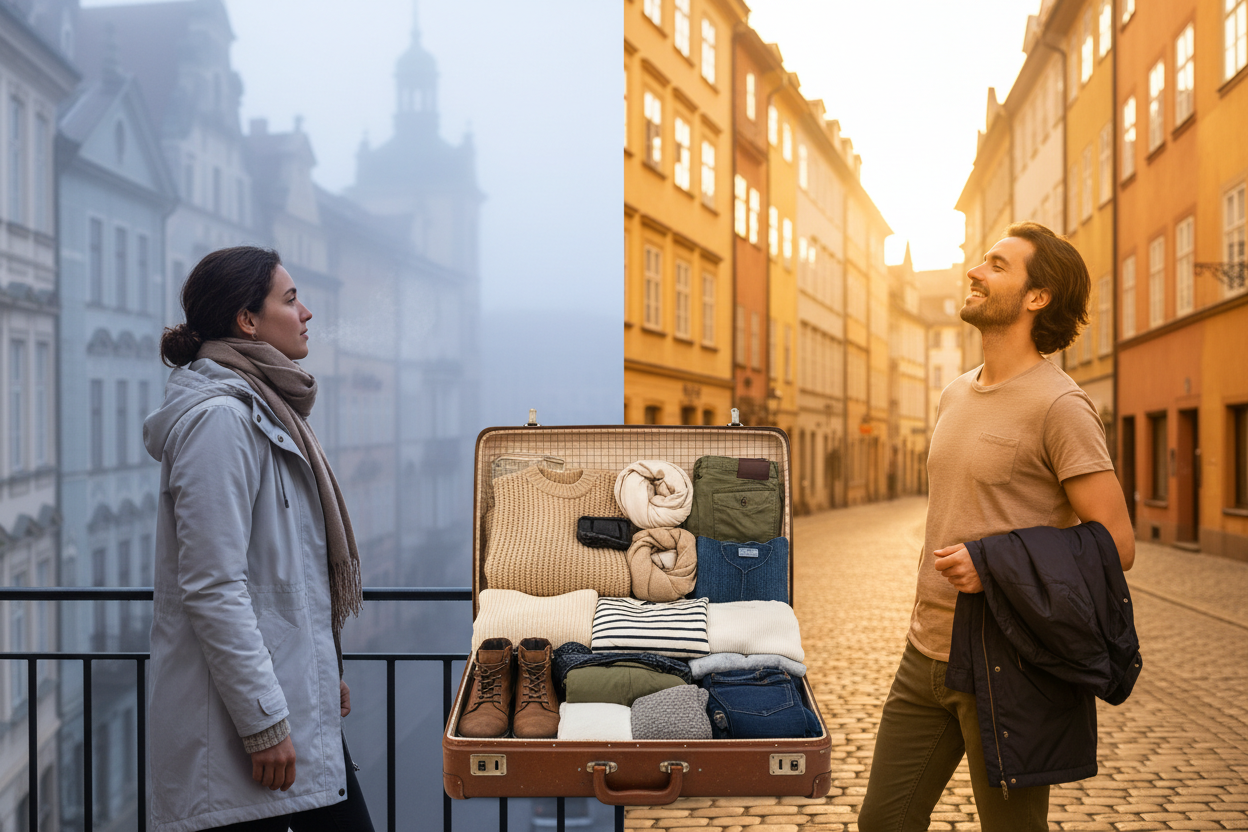
What makes European travel packing particularly challenging is that you might experience multiple climate zones during a single trip. A journey from Rome to Stockholm will take you through drastically different weather conditions, making strategic packing absolutely crucial for your comfort and enjoyment.
Mediterranean Europe: Packing for Sun and Warmth
Southern European destinations like Spain, Italy, Greece, and southern France are synonymous with sunshine and warmth, particularly during summer months. However, don’t let the reputation fool you into packing only beach attire—even these sunny regions have their surprises.
For Mediterranean Europe, lightweight, breathable clothing should form the foundation of your wardrobe. Cotton and linen fabrics work exceptionally well in these climates, allowing air circulation while protecting your skin from intense sun exposure. Pack plenty of t-shirts, shorts, sundresses, and comfortable walking shoes that can handle both city cobblestones and beach walks.
Here’s where many travelers make mistakes: they forget about evening temperatures and air-conditioned interiors. Even in the height of summer, Mediterranean evenings can be surprisingly cool, especially in coastal areas where sea breezes provide natural air conditioning. Always pack a light cardigan or thin jacket for evening strolls and restaurant dining.
Don’t overlook the importance of sun protection in these regions. A wide-brimmed hat, quality sunglasses, and high-SPF sunscreen are non-negotiable items. If you’re planning to visit religious sites, remember that many require modest dress codes—pack at least one outfit that covers shoulders and knees.
Northern Europe: Preparing for Unpredictable Weather
Northern European countries including the United Kingdom, Ireland, Denmark, and parts of Germany present some of the most challenging packing scenarios for travelers. The weather here is famously unpredictable, with the possibility of experiencing four seasons in a single day.
Layering becomes your best friend when traveling through northern Europe. Start with moisture-wicking base layers, add insulating middle layers like sweaters or fleece, and top everything off with a waterproof outer shell. This system allows you to adapt quickly to changing conditions throughout the day.
A high-quality rain jacket is absolutely essential for northern European travel. Don’t rely on cheap plastic ponchos—invest in a breathable, waterproof jacket that you can wear comfortably for extended periods. Pair this with waterproof shoes or boots, as you’ll likely encounter wet conditions regardless of the season.
Temperature fluctuations in northern Europe can be dramatic, even during summer months. Pack clothes suitable for temperatures ranging from 10°C to 25°C (50°F to 77°F), and always have warm layers readily accessible. A compact umbrella should be permanently attached to your day bag—trust me on this one.
Central Europe: Mastering Continental Climate Challenges
Central European destinations like Austria, Czech Republic, Hungary, and parts of Germany experience continental climates with distinct seasonal variations. Summers can be quite warm, while winters bring genuine cold and potential snow, making seasonal timing crucial for your packing strategy.
If you’re visiting Central Europe during summer months, pack for warm days but prepare for cooler evenings and potential thunderstorms. Lightweight pants and long-sleeved shirts become valuable for both sun protection and temperature regulation. A light rain jacket remains important, as summer storms in this region can be intense and sudden.
Winter travel in Central Europe requires serious cold-weather preparation. Temperatures regularly drop below freezing, and snow is common. Pack insulated, waterproof boots with good traction, thermal underwear, warm sweaters, and a heavy winter coat. Don’t forget accessories like gloves, scarves, and warm hats—exposed skin becomes uncomfortable very quickly in these conditions.
Central Europe’s shoulder seasons (spring and fall) offer pleasant weather but require flexible packing. These periods can bring anything from warm, sunny days to cold, rainy spells. Focus on versatile pieces that can be layered and mixed to handle various weather scenarios.
Alpine Regions: High-Altitude Weather Considerations
Mountain regions across Europe, from the Swiss Alps to the Pyrenees, present unique climate challenges that many travelers underestimate. Altitude significantly affects temperature, with conditions changing rapidly as you gain elevation. Even during summer, mountain peaks can be surprisingly cold and windy.
For alpine travel, pack clothes suitable for multiple climate zones within a single day. You might start your morning in a warm valley, hike through temperate forests, and end up in near-freezing conditions at higher elevations. This means bringing everything from shorts and t-shirts to warm jackets and waterproof gear.
Mountain weather is notoriously unpredictable and can change from sunny to stormy within minutes. Always pack rain gear, regardless of the forecast, and ensure your outer layers are windproof. Mountain winds can make even moderate temperatures feel much colder, so wind protection becomes crucial for comfort and safety.
If you’re planning any hiking or outdoor activities in alpine regions, invest in proper footwear with good ankle support and traction. Mountain trails can be rocky, steep, and potentially slippery, making appropriate shoes essential for both comfort and safety.
Seasonal Packing Strategies for European Travel
Your European packing strategy should heavily depend on when you’re traveling, as seasonal variations across the continent can be extreme. Summer travel generally allows for lighter packing, but don’t assume all of Europe will be warm—northern regions and higher altitudes can still require warm clothing even in July and August.
Spring and fall travel offer some of the best weather conditions across much of Europe, but these shoulder seasons require the most versatile packing approach. You’ll need clothes suitable for both warm and cool conditions, often within the same day. Focus on layers and versatile pieces that can be mixed and matched for different weather scenarios.
Winter European travel demands serious preparation, especially if you’re visiting multiple regions. Northern and central areas will require full winter gear, while Mediterranean regions might only need light jackets and long pants. If your itinerary spans multiple climate zones during winter months, consider shipping warm clothes ahead to avoid carrying heavy winter gear through warmer regions.
Regardless of season, always check specific weather forecasts for your destinations before finalizing your packing list. European weather can be surprisingly variable, and local conditions might differ significantly from regional averages.
Essential Items for Multi-Region European Travel
When your European adventure spans multiple climate zones, certain items become absolutely essential for maintaining comfort and preparedness. A versatile rain jacket tops this list—choose one that’s lightweight, packable, and suitable for both urban exploration and outdoor activities.
Comfortable, waterproof walking shoes are crucial for European travel, regardless of your destination. European cities involve significant amounts of walking, often on uneven surfaces like cobblestones, and weather conditions can change rapidly. Invest in quality footwear that can handle both dry and wet conditions.
Layering pieces like cardigans, light sweaters, and scarves provide incredible versatility for changing conditions. These items can transform a summer outfit into something suitable for cooler evening temperatures or air-conditioned interiors. Choose pieces in neutral colors that coordinate with multiple outfits to maximize versatility while minimizing luggage space.
Don’t forget about accessories that can significantly impact your comfort level. A compact umbrella, sunglasses, and a warm hat take up minimal luggage space but can make the difference between enjoying your trip and enduring uncomfortable weather conditions.
Smart Packing Tips for Climate Versatility
Maximizing your luggage efficiency while preparing for diverse European climates requires strategic thinking about fabric choices, color coordination, and multi-purpose items. Choose fabrics that perform well across different conditions—merino wool, for example, provides warmth when wet, regulates temperature naturally, and resists odors, making it ideal for extended travel.
Color coordination becomes crucial when packing for multiple climates with limited luggage space. Stick to a cohesive color palette that allows you to mix and match pieces freely. This approach lets you create multiple outfit combinations from fewer individual items, leaving more room for essential climate-specific gear.
Consider packing cubes or compression bags to maximize your luggage efficiency. These organizational tools help compress bulky items like sweaters and jackets while keeping your luggage organized and easily accessible. This becomes particularly important when you need to quickly access weather-appropriate clothing during travel days.
Research laundry options along your route to avoid overpacking. Many European cities offer convenient laundry services or self-service facilities, allowing you to pack fewer clothes and wash items as needed. This strategy is particularly useful for longer trips spanning multiple climate zones.
Conclusion
Successful European travel packing requires understanding and preparing for the continent’s remarkable climate diversity. From the sun-soaked shores of the Mediterranean to the unpredictable weather of northern regions, each area presents unique challenges that can significantly impact your travel experience.
The key to mastering European travel packing lies in versatility, preparation, and understanding that weather conditions can vary dramatically within short distances and time periods. By focusing on layerable clothing, quality rain gear, comfortable footwear, and strategic packing techniques, you’ll be prepared for whatever European weather throws your way.
Remember that perfect packing is less about bringing everything you might possibly need and more about bringing versatile items that can adapt to changing conditions. Your European adventure should be about discovering incredible cultures, cuisines, and landscapes—not about being uncomfortable because you weren’t prepared for the climate. With thoughtful packing that considers regional climate variations, you’ll be free to focus on creating amazing memories across this diverse and beautiful continent.
Leave a Comment