
European Travel Insurance: What Every American Tourist Needs to Know
Picture this: you’re wandering through the cobblestone streets of Prague, camera in hand, when suddenly you trip and twist your ankle. Or maybe you’re savoring gelato in Rome when food poisoning strikes. These scenarios might sound like travel nightmares, but they happen more often than you’d think. That’s where European travel insurance becomes your safety net, protecting both your health and your wallet during your dream vacation.
As an American planning a European adventure, you might assume your domestic health insurance will cover you abroad. Unfortunately, that’s rarely the case. Most U.S. health insurance plans provide little to no coverage outside the country, leaving you vulnerable to astronomical medical bills that could turn your vacation memories into financial stress.

Understanding European travel insurance isn’t just about checking a box on your pre-trip checklist – it’s about ensuring peace of mind so you can focus on creating unforgettable memories. Whether you’re backpacking through multiple countries or enjoying a luxury cruise along the Mediterranean, the right insurance coverage can make the difference between a minor inconvenience and a major financial disaster.
Why American Health Insurance Falls Short in Europe
Your trusty health insurance card that works perfectly at home becomes virtually useless the moment you cross international borders. Most American health insurance plans, including employer-sponsored coverage and Medicare, don’t extend to foreign countries. Even if they do provide some international coverage, it’s typically limited to emergency situations and often requires you to pay upfront and seek reimbursement later.
The financial implications can be staggering. A simple emergency room visit in London can cost upwards of $1,000, while a medical evacuation from a remote European location back to the United States can easily exceed $100,000. These aren’t scare tactics – they’re real costs that American travelers face when medical emergencies strike abroad.
European healthcare systems, while often excellent, aren’t designed to accommodate foreign visitors without proper insurance. Private hospitals may demand payment upfront, and even public healthcare systems in countries like France or Germany typically require proof of insurance or immediate payment from non-residents.
Understanding Different Types of European Travel Insurance
Not all travel insurance policies are created equal, and understanding the different types available can help you choose the coverage that best fits your travel style and needs. The main categories include single-trip insurance, annual multi-trip coverage, and specialized policies for specific activities or demographics.
Single-trip insurance covers one specific journey and is ideal for Americans taking their annual European vacation. These policies typically cover the duration of your trip plus a few extra days for travel delays. They’re cost-effective for occasional travelers and can be tailored to your specific destination and activities.
Annual multi-trip insurance makes sense if you’re planning multiple European adventures throughout the year. These policies cover unlimited trips within a 12-month period, though each individual trip usually has a maximum duration limit, typically ranging from 30 to 90 days.
Specialized policies cater to specific needs, such as adventure sports coverage for those planning to ski in the Alps or scuba dive in the Mediterranean. Senior travelers might need policies that account for pre-existing medical conditions, while business travelers might require coverage for equipment and work-related cancellations.
Essential Coverage Areas You Can’t Ignore
Medical coverage forms the foundation of any solid European travel insurance policy. Look for policies offering at least $100,000 in medical coverage, though $250,000 or more provides better protection. This should include emergency medical treatment, hospitalization, prescription medications, and dental emergencies.
Medical evacuation coverage deserves special attention. If you become seriously ill or injured in a remote European location, you might need transportation to a major medical facility or even back to the United States. Quality policies include both emergency evacuation to the nearest adequate medical facility and repatriation to your home country when medically necessary.
Trip cancellation and interruption coverage protects your financial investment in your European vacation. Life happens – family emergencies, sudden illness, job loss, or even terrorist incidents can force you to cancel or cut short your trip. This coverage reimburses non-refundable expenses like flights, hotels, and tour bookings.
Baggage and personal effects coverage might seem less critical, but losing your luggage in a foreign country creates both inconvenience and unexpected expenses. Good policies cover lost, stolen, or damaged belongings, plus provide funds for essential items if your baggage is delayed.
Special Considerations for European Travel
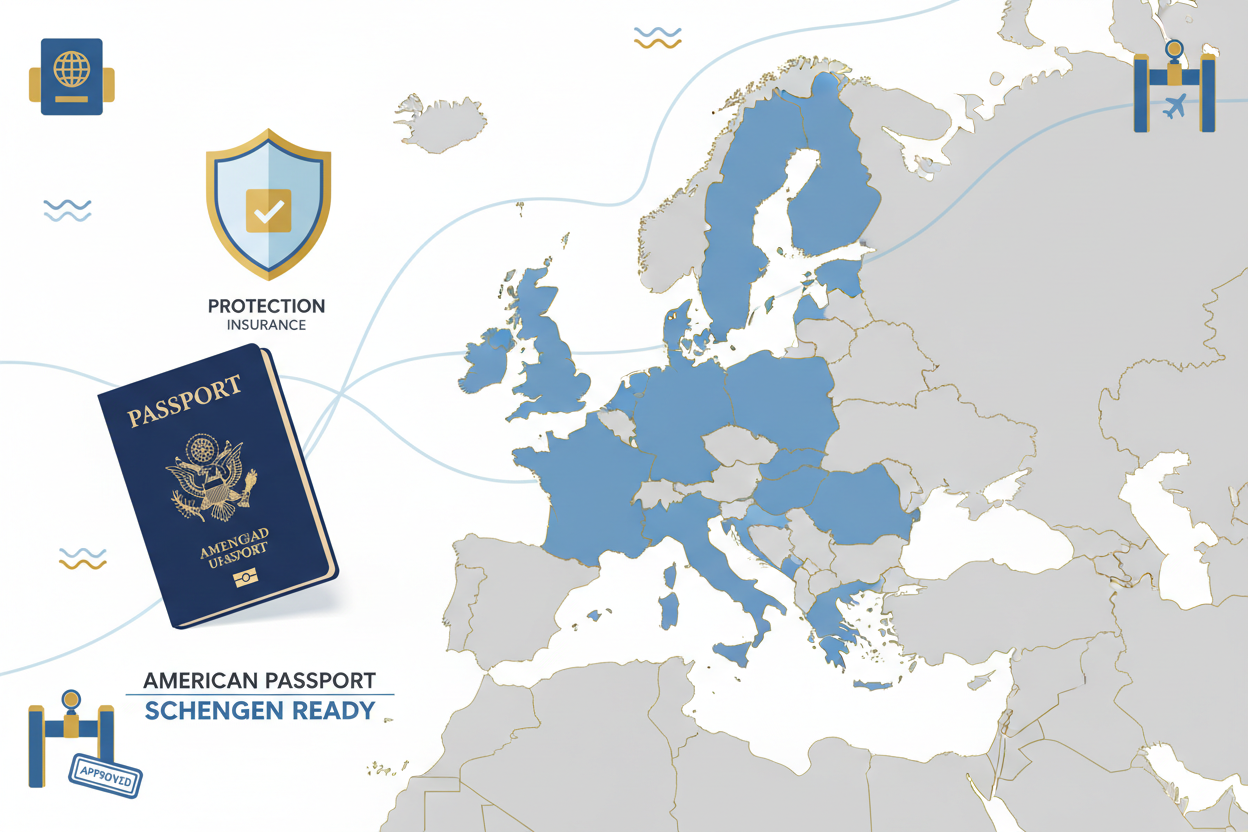
Europe presents unique considerations that don’t apply to domestic travel or trips to other regions. The Schengen Area, which includes 27 European countries, has specific insurance requirements for visitors from certain countries. While Americans don’t need travel insurance to enter most European countries, having adequate coverage can speed up border processes and prevent complications if questions arise.
European healthcare costs vary dramatically by country and region. While a doctor’s visit in Eastern Europe might cost $50, the same service in Switzerland could run $300 or more. Your insurance should account for these regional differences, especially if you’re planning a multi-country itinerary.
Language barriers can complicate medical situations abroad. Quality travel insurance providers offer 24/7 assistance services with multilingual support staff who can help communicate with local medical providers, arrange care, and coordinate with your insurance benefits. This service alone can be invaluable during a medical emergency.
Adventure activities popular in Europe – from hiking the Camino de Santiago to skiing in Austria – often require additional coverage. Standard policies might exclude certain sports or activities, so review the fine print carefully if your European adventure includes anything more adventurous than sightseeing and museum visits.
How to Choose the Right Policy for Your European Adventure
Selecting the right European travel insurance starts with honestly assessing your travel style, health status, and risk tolerance. A 25-year-old backpacker needs different coverage than a 65-year-old couple on a river cruise. Consider your planned activities, destinations, trip duration, and the total value of your non-refundable travel expenses.
Compare policies from multiple providers, but don’t make price your only consideration. The cheapest policy might exclude coverage you need, while the most expensive doesn’t necessarily offer the best value. Focus on coverage limits, exclusions, deductibles, and the insurer’s reputation for handling claims.
Read policy documents carefully, paying special attention to exclusions and limitations. Some policies exclude coverage for pre-existing medical conditions unless you meet specific requirements, such as purchasing insurance within a certain timeframe after making your first trip payment. Others might exclude coverage for certain countries or regions experiencing political unrest.
Consider the insurance company’s network and reputation in Europe. Providers with established relationships with European medical facilities and assistance companies can provide smoother service when you need help most. Check online reviews and ratings from other American travelers who’ve used their services in Europe.
Common Mistakes American Travelers Make
One of the biggest mistakes American travelers make is assuming their credit card travel insurance provides adequate coverage. While premium credit cards often include some travel insurance benefits, these are typically limited and may not cover medical expenses or provide the comprehensive protection you need for a European vacation.
Waiting until the last minute to purchase insurance is another costly error. Many benefits, particularly trip cancellation coverage and pre-existing medical condition waivers, require you to purchase insurance within a specific timeframe after making your initial trip payment, often within 14-21 days.
Failing to disclose pre-existing medical conditions can void your coverage when you need it most. Insurance companies define pre-existing conditions broadly, and even minor health issues might affect your coverage. It’s always better to disclose everything and pay slightly higher premiums than risk having a claim denied.
Not understanding policy exclusions leads to unpleasant surprises during claims. Common exclusions include injuries from alcohol-related incidents, participation in professional sports, acts of war or terrorism, and travel to countries under government travel warnings. Know what’s excluded before you travel.
Making Claims and Getting Help Abroad
When medical emergencies strike in Europe, knowing how to access your insurance benefits can make a crucial difference. Most quality travel insurance providers offer 24/7 emergency assistance hotlines with staff who can coordinate care, communicate with medical providers, and arrange direct billing when possible.
Keep important documents easily accessible, including your insurance policy number, emergency contact numbers, and a copy of your policy terms. Store digital copies in cloud storage and share them with family members at home. In medical emergencies, having this information readily available can speed up treatment authorization.
Understand the difference between direct billing and reimbursement. Some providers can arrange direct billing with major European hospitals, meaning you won’t need to pay upfront. However, many situations require you to pay initially and seek reimbursement later, so ensure you have adequate funds available or a credit card with sufficient limit.
Document everything related to any claim. Keep receipts for all medical treatments, medications, and related expenses. Take photos of damaged belongings, get police reports for theft incidents, and maintain detailed records of any trip interruptions or cancellations. The more documentation you provide, the smoother your claims process will be.
Conclusion
European travel insurance isn’t just another travel expense – it’s an investment in your peace of mind and financial security. The relatively small cost of comprehensive coverage pales in comparison to the potential financial devastation of a serious medical emergency or trip cancellation abroad.
As you plan your European adventure, remember that the best travel insurance is the policy you hope you’ll never need to use. Take time to research your options, understand your coverage, and choose a policy that matches your specific travel needs and risk profile.
Don’t let the complexity of insurance options overwhelm you or deter you from protecting yourself. The memories you’ll create exploring Europe’s rich history, diverse cultures, and stunning landscapes are priceless – and with the right travel insurance, you can focus on making those memories instead of worrying about what might go wrong.
Your European adventure awaits, and with proper travel insurance coverage, you can explore with confidence, knowing you’re protected against life’s unexpected surprises. Safe travels, and enjoy every moment of your European journey!
Leave a Comment