
European Train Travel Mistakes That Will Derail Your Itinerary
Picture this: you’re standing on a platform in Prague, watching your train to Vienna disappear into the distance while clutching what you thought was a valid ticket. Your carefully planned European adventure suddenly feels more like a nightmare, and you’re scrambling to figure out how to salvage your itinerary. Sound familiar? You’re not alone.
European train travel offers an incredible way to explore the continent’s diverse landscapes, historic cities, and cultural treasures. However, even seasoned travelers can fall victim to common mistakes that turn dream vacations into logistical headaches. After helping countless travelers navigate Europe’s extensive rail network, I’ve witnessed these pitfalls firsthand and learned how a little preparation can save you time, money, and stress.
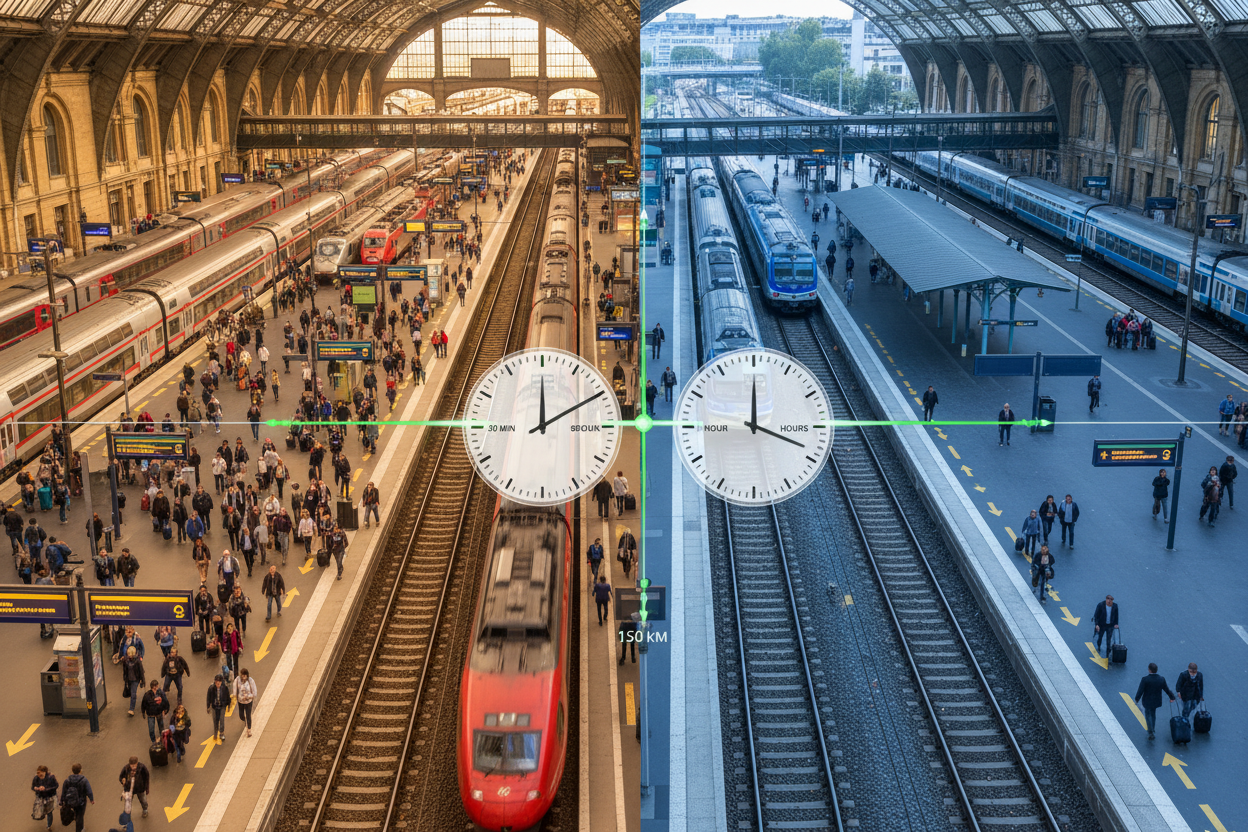
Whether you’re a first-time visitor planning your grand European tour or a return traveler looking to refine your approach, understanding these common mistakes will help you create a smoother, more enjoyable journey. Let’s dive into the most frequent European train travel errors and, more importantly, how to avoid them.
Not Understanding Rail Pass Options and Restrictions
One of the biggest mistakes travelers make is purchasing a rail pass without fully understanding what it covers. The Eurail Pass seems like a golden ticket to unlimited European train travel, but the reality is more nuanced. Many travelers assume their pass grants automatic access to any train, only to discover that high-speed and overnight trains often require mandatory reservations with additional fees.
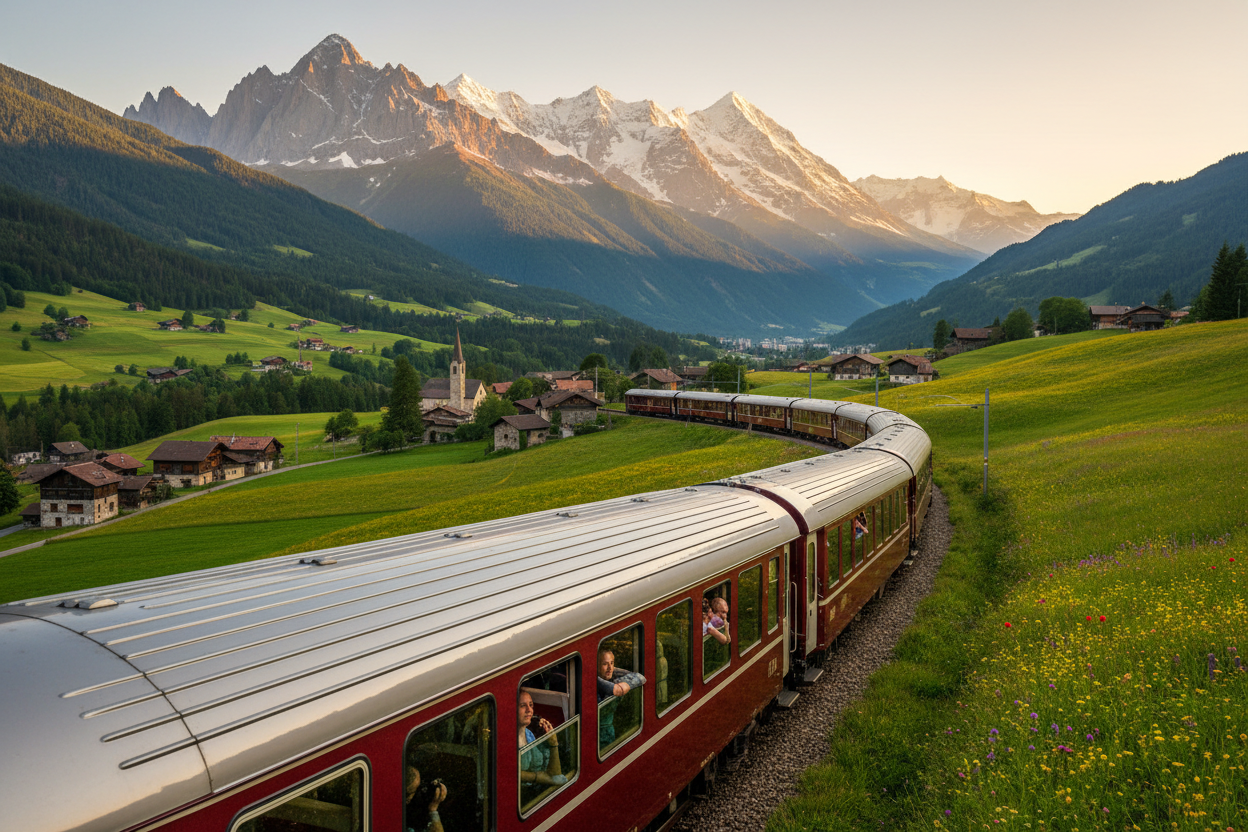
The confusion deepens when you realize that some popular routes, like the Eurostar between London and continental Europe, aren’t covered by standard Eurail passes. Similarly, scenic routes such as the Glacier Express in Switzerland come with hefty reservation fees that can cost as much as a regular ticket.
Before investing in any rail pass, calculate the actual cost of individual tickets for your planned routes. Sometimes, especially for shorter trips or travel within a single country, buying point-to-point tickets proves more economical. Additionally, consider the flexibility you need – rail passes often come with restrictions on travel dates and require activation periods that might not align with your itinerary.
Ignoring Seat Reservation Requirements
Nothing ruins travel momentum quite like being asked to vacate your seat because you don’t have a proper reservation. This scenario plays out daily across Europe’s rail network, particularly on high-speed trains and during peak travel seasons.
Different countries and train types have varying reservation policies. While regional trains in Germany rarely require reservations, high-speed services like France’s TGV, Spain’s AVE, or Italy’s Frecciarossa make them mandatory. Some trains offer both reserved and unreserved sections, but during busy periods, unreserved areas fill quickly, leaving you standing for hours.
The smart approach involves researching reservation requirements for each leg of your journey during the planning phase. Book reservations as early as possible, especially during summer months, holidays, or when traveling popular routes like Paris to Barcelona or Rome to Florence. Remember that reservation fees, typically ranging from 4 to 35 euros depending on the route and train type, are separate from your ticket or pass cost.
Underestimating Travel Times and Connection Windows
European trains are generally punctual, but they’re not teleportation devices. A common mistake involves underestimating actual travel times and creating impossibly tight connection schedules. While a map might make Prague to Vienna look like a short hop, the journey actually takes about four hours on the fastest trains.
Travelers often focus solely on the advertised journey time without accounting for potential delays, station navigation, or the time needed to locate platforms. Major stations like Paris Gare du Nord or Rome Termini can be overwhelming, especially when you’re dragging luggage and trying to decipher departure boards in unfamiliar languages.
When planning connections, allow at least 30 minutes in smaller stations and up to an hour in major hubs. This buffer becomes even more critical when changing between different train operators or when your connection involves switching stations within the same city, as required in Paris for some routes. Consider that delays, while uncommon, do occur, and missing a connection with a mandatory reservation can be expensive to resolve.
Failing to Validate Tickets Properly
The ticket validation system across Europe can confuse even experienced travelers, as requirements vary significantly between countries and even regions within the same country. Some travelers have learned this lesson the hard way, facing hefty fines for carrying what they believed were valid tickets.
In Italy, for instance, you must validate paper tickets in the small yellow machines before boarding, but e-tickets and tickets with specific train assignments don’t require validation. Germany has largely moved away from validation requirements for long-distance trains, but regional services may still require it. France typically doesn’t require validation for reserved tickets but may require it for some regional services.
The consequences of misunderstanding validation rules extend beyond embarrassment. Fines can range from 50 to 200 euros, and some conductors show little sympathy for confused tourists. When in doubt, ask station staff or look for other passengers using validation machines. It’s also wise to research the specific requirements for each country on your itinerary before departure.
Poor Luggage Planning and Management
European trains weren’t designed with American-sized luggage in mind. Travelers accustomed to checking large suitcases on flights often struggle with train luggage limitations and storage realities. Most European trains lack dedicated luggage cars, instead offering limited overhead racks and small storage areas near doors.
The challenge intensifies on popular tourist routes where storage space fills quickly. Imagine boarding a packed train from Rome to Florence with a large suitcase, only to find no available storage space and having to keep your luggage in the aisle where it blocks other passengers and draws the ire of conductors.
Successful train travelers pack strategically, choosing wheeled luggage that fits within airline carry-on dimensions. Soft-sided bags often work better than hard cases, as they can squeeze into tighter spaces. Consider packing cubes to organize belongings efficiently and always keep valuables and essential items in a smaller bag you can keep with you. For longer journeys, pack a small day bag with snacks, entertainment, and travel documents easily accessible.
Misunderstanding Station Layouts and Departure Procedures
European train stations can be labyrinthine, and departure procedures vary significantly from the gate-based system familiar to air travelers. Unlike airports, train platforms are typically announced only 10-20 minutes before departure, and the same platform might serve multiple destinations throughout the day.
Many travelers arrive at stations expecting clear, permanent signage directing them to their specific train, only to find themselves frantically searching departure boards and trying to decode platform announcements in foreign languages. The situation becomes more stressful when stations have multiple levels, separate areas for different train types, or when construction affects normal operations.
Arrive at stations at least 20-30 minutes before departure, especially in major cities or unfamiliar locations. Locate departure boards immediately and note your train’s platform assignment process. Many stations have information desks where staff can help clarify departure procedures. Download translation apps or learn key phrases like “platform,” “departure,” and “delay” in local languages. Consider taking photos of departure boards showing your train information as reference.
Overlooking Regional Differences and Local Customs
Europe’s rail network spans dozens of countries, each with unique customs, etiquette, and operational quirks. Assuming that train travel works the same everywhere can lead to uncomfortable situations and missed opportunities.
In Switzerland, for example, trains operate with clockwork precision, and passengers board quietly and efficiently. Loud conversations or phone calls might draw disapproving looks. Conversely, Italian trains often buzz with animated conversations, and the boarding process can seem chaotic to outsiders. Some countries designate quiet cars where silence is strictly enforced, while others have family areas designed for travelers with children.
Food and drink policies also vary. While bringing your own refreshments is generally acceptable, some trains have specific rules about alcohol consumption or eating certain foods. Understanding these cultural nuances enhances your travel experience and helps you blend in with local passengers.
Inadequate Preparation for Delays and Disruptions
While European trains boast impressive punctuality rates, delays and disruptions do occur. Weather, strikes, technical issues, or infrastructure problems can affect schedules, sometimes significantly. Travelers who don’t prepare for these possibilities often find themselves stranded without backup plans.
Strike activity, particularly common in France and Italy, can shut down rail services with little advance notice. Weather events like severe storms or snow can cause widespread delays or cancellations. Technical problems or accidents, while rare, can disrupt service for hours.
Smart travelers build flexibility into their itineraries, avoiding same-day connections to flights or critical appointments. Keep alternative transportation options in mind, maintain emergency funds for unexpected expenses, and consider travel insurance that covers transportation delays. Download rail company apps and follow their social media accounts for real-time updates on service disruptions.
Conclusion
European train travel remains one of the most rewarding ways to explore the continent, offering comfort, convenience, and incredible scenery that you simply can’t experience from 30,000 feet. However, success requires more than just showing up at the station with a ticket and hoping for the best.
The mistakes outlined above might seem daunting, but they’re all entirely preventable with proper planning and awareness. Take time to research your specific routes, understand local requirements, and build flexibility into your itinerary. Remember that every experienced train traveler has made at least one of these mistakes – the key is learning from them and sharing that knowledge with fellow travelers.
Your European train adventure should be filled with stunning Alpine views, charming countryside vistas, and the excitement of arriving in new cities refreshed and ready to explore. By avoiding these common pitfalls, you’ll spend less time dealing with logistics and more time creating the memories that make European train travel so special. Pack smart, plan ahead, and prepare for one of the world’s great travel experiences.
Book Now!
Call to action to book now.
Leave a Comment