
European City Break Fails: How to Avoid Tourist Trap Disasters
Picture this: you’ve saved for months, carefully planned your dream European city break, and you’re finally there. But instead of creating magical memories, you find yourself paying 15 euros for a mediocre sandwich near the Eiffel Tower while standing in a two-hour queue for an attraction that turned out to be completely underwhelming. Sound familiar? You’re not alone.
European cities are undeniably spectacular, but they’re also masterfully designed to separate tourists from their money as efficiently as possible. After countless trips across Europe and witnessing (and occasionally falling victim to) some spectacular tourist trap disasters, I’ve learned that the difference between a forgettable trip and an unforgettable one often comes down to knowing what to avoid.
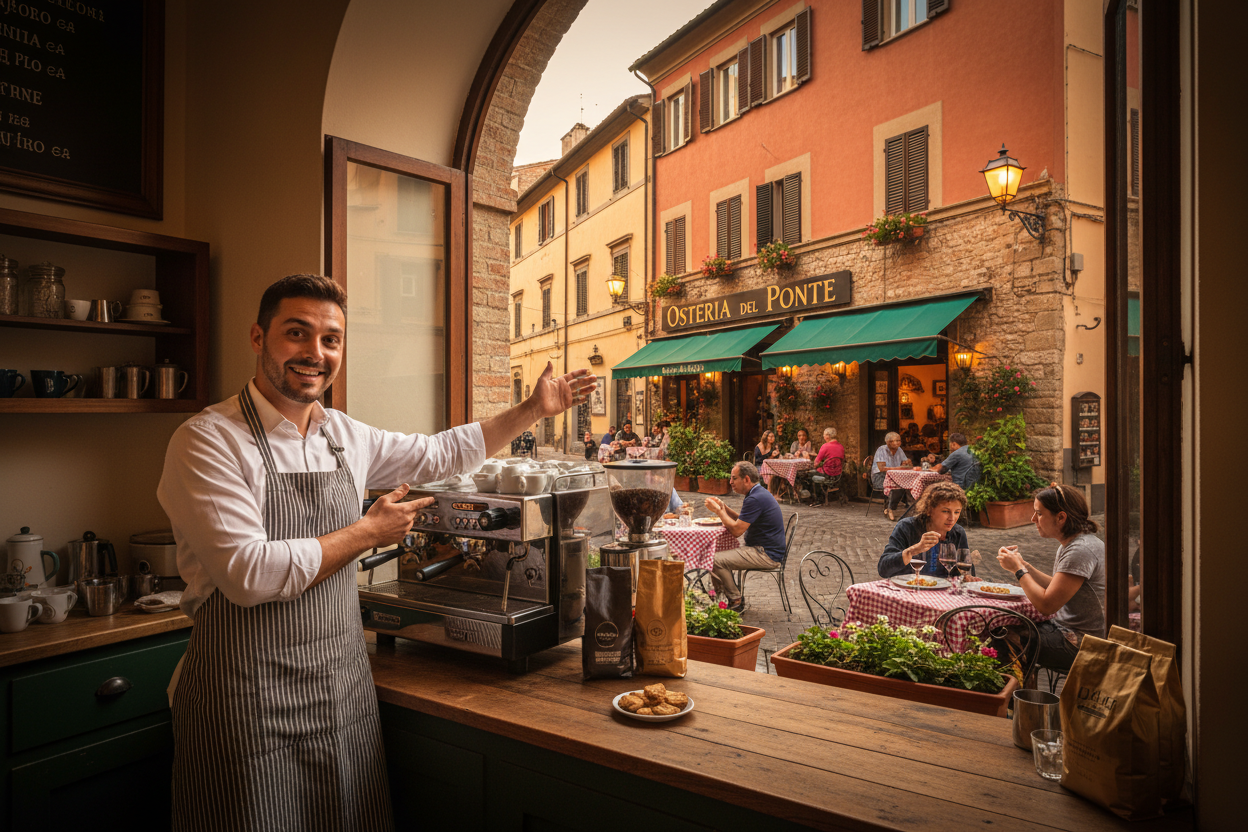
The good news? Most tourist trap disasters are entirely preventable with the right knowledge and a bit of strategic planning. Let’s dive into the most common European city break fails and, more importantly, how to sidestep them entirely.
The Classic Restaurant Disasters Near Major Attractions
We’ve all been there. You’ve just spent three hours exploring the Louvre, you’re absolutely starving, and that charming bistro right across the street looks perfect. The red checkered tablecloths scream “authentic French experience,” and the waiter with the thick accent seems so welcoming. Fast forward thirty minutes, and you’re staring at a 45-euro bill for what can only be described as airplane food served on actual plates.
Restaurants within a two-block radius of major tourist attractions operate on what I call the “captive audience principle.” They know you’re tired, hungry, and unlikely to walk far for better options. The result? Inflated prices for subpar food that would make a food critic weep.
The solution isn’t to pack sandwiches for your entire trip (though that’s not the worst backup plan). Instead, embrace the “three-block rule.” Walk at least three blocks away from any major tourist site before considering dining options. You’ll be amazed how quickly prices drop and quality improves once you escape the tourist gravity well.
Better yet, ask locals for recommendations. That barista at your morning coffee spot? The person working at your hotel reception? They eat lunch somewhere, and it’s probably not the tourist trap around the corner. In Rome, some of my best meals have come from following the advice of a taxi driver who insisted I try his neighborhood trattoria fifteen minutes outside the historic center.
Overpriced Attraction Tickets and Skip-the-Line Scams
Nothing ruins a European city break quite like realizing you’ve paid triple the actual price for attraction tickets, or worse, that your “skip-the-line” pass actually leads to an even longer line specifically designed for people who paid extra to avoid lines. It’s tourism inception, and it’s frustrating beyond belief.
The skip-the-line industry has become so sophisticated that some attractions now have multiple tiers of line-skipping, each more expensive than the last. I once witnessed tourists in Barcelona paying premium prices for “fast track” tickets to Park Güell, only to discover that the fast track line was longer than the regular admission line.
Before purchasing any tickets, especially online from third-party vendors, always check the official website of the attraction first. Many major European attractions offer their own timed entry tickets that cost significantly less than reseller options. The Uffizi in Florence, for example, charges 20 euros for advance booking directly through their site, while some tourism websites charge upwards of 60 euros for the same access.
City tourism cards can be excellent value, but only if you actually plan to use them extensively. That 72-hour museum pass for 85 euros looks appealing until you realize you’re only planning to visit two museums that would cost 30 euros combined at regular prices. Do the math before you buy, and be honest about your actual sightseeing stamina.
Transportation Nightmares and Taxi Rip-offs
European cities generally have excellent public transportation, but tourists often fall into expensive transportation traps that locals would never consider. Airport taxis are perhaps the most notorious example. That friendly driver offering a “special fixed price” to your hotel is probably charging you three times what the journey should cost.
In cities like Prague or Budapest, unlicensed taxi drivers specifically target tourists, offering rides at seemingly reasonable rates that somehow multiply dramatically by the time you reach your destination. The meter runs fast, there are mysterious surcharges, and suddenly your 15-euro airport transfer costs 60 euros.
Research transportation options before you arrive. Most major European airports have direct train or bus connections to city centers that cost a fraction of taxi fares. The Heathrow Express to London costs about 25 pounds and takes 15 minutes, while a taxi can easily cost 80 pounds and take twice as long in traffic.
Download transportation apps specific to your destination. Cities like Berlin, Amsterdam, and Vienna have comprehensive public transport apps that include real-time schedules, route planning, and mobile ticketing. These apps often reveal transportation options that tourist information doesn’t mention, like night buses or regional passes that can save significant money.
Accommodation Location Disasters
Location is everything in European city breaks, but “city center” doesn’t always mean what you think it means. I learned this lesson the hard way during a supposedly romantic weekend in Venice, where our “centrally located” hotel turned out to be on the mainland in Mestre, requiring a 20-minute train ride every time we wanted to actually see Venice.
European cities often have multiple districts that could technically be called “central,” but only one or two that actually put you within walking distance of major attractions. That budget hotel in Paris advertising “easy metro access” might be technically correct, but if it requires three train transfers to reach the Louvre, your vacation time will disappear into the transportation system.
Before booking accommodation, open Google Maps and measure the actual walking distance to attractions you want to visit. A 15-minute walk on a map can easily become 25 minutes in reality when you factor in crowds, traffic lights, and the inevitable wrong turns that happen when you’re navigating unfamiliar streets.
Consider the neighborhood character beyond just proximity to attractions. That apartment in Barcelona’s Gothic Quarter might be perfectly located for sightseeing, but if it’s directly above a flamenco bar that operates until 3 AM, your romantic getaway might become a sleepless endurance test.
Shopping Trap Disasters and Souvenir Scams
European shopping can be magical, but tourist-focused shopping areas are often designed to maximize spending on items you could buy for half the price elsewhere. Those charming souvenir shops surrounding major attractions are particularly problematic, selling mass-produced items at premium prices while creating an illusion of authenticity.
The “handmade in Italy” leather goods sold near the Duomo in Florence are often manufactured in China and shipped to Italy for final assembly, technically making them Italian products while completely missing the point of buying authentic local crafts. Similarly, those beautiful “Irish wool” sweaters in Dublin’s Temple Bar might have more in common with synthetic materials than actual sheep.
Seek out local markets and artisan workshops away from major tourist zones. Real local craftspeople rarely set up shop directly next to the Colosseum or Big Ben because the rent is astronomical and the foot traffic consists entirely of tourists looking for quick purchases rather than quality goods.
Research local specialties before you travel. Each European city has genuine local products worth buying, but you need to know what they are and where locals actually purchase them. In Prague, for example, real Bohemian crystal is available at specific glassworks and established shops, not from street vendors near the Charles Bridge selling “crystal” that’s actually pressed glass.
Timing Disasters and Seasonal Tourist Traps
Timing can make or break a European city break, and not just in terms of weather. Peak season pricing in popular European destinations can be absolutely brutal, with accommodation costs tripling and restaurant prices increasing accordingly. But the real disaster isn’t just the expense – it’s the crowds that make actually enjoying attractions nearly impossible.
Visiting Rome in August or Amsterdam during tulip season means competing with massive crowds for every photo opportunity, restaurant table, and museum entrance. The Sistine Chapel becomes a sardine can of humanity, and that romantic canal-side dinner in Venice turns into a rushed meal surrounded by tour groups.
Shoulder seasons offer the best balance of reasonable weather, manageable crowds, and fair pricing. Late spring and early fall in most European cities provide excellent conditions without the peak season chaos. October in Paris offers beautiful autumn colors, comfortable temperatures, and significantly fewer tourists than July or August.
Research local events and festivals before booking. While festivals can add wonderful cultural experiences to your trip, they can also dramatically increase accommodation costs and crowd levels. Oktoberfest in Munich, for example, transforms the entire city into a tourist destination with pricing to match.
Communication and Currency Disasters
Modern European travel has eliminated many traditional communication and currency challenges, but new types of disasters have emerged. Relying entirely on your phone for navigation, translation, and payment can backfire spectacularly when you discover that your international data plan doesn’t work as advertised, or when your contactless payment fails at a crucial moment.
Always have backup plans for essential functions. Download offline maps before you travel, carry some local currency even in cashless societies, and learn a few basic phrases in the local language. That charming family-run restaurant in a Roman neighborhood might not accept cards, and the elderly proprietor might not speak English, but a genuine attempt to communicate in Italian will get you much further than frustrated gestures at your phone.
Be aware of dynamic currency conversion scams at ATMs and payment terminals. When given the option to pay in your home currency rather than the local currency, always choose the local currency. The conversion rates offered by merchants and ATM operators are typically much worse than what your bank will provide.
Planning Your Disaster-Free European City Break
Avoiding tourist trap disasters doesn’t require becoming a travel expert overnight, but it does require some strategic thinking and realistic expectations. The most successful European city breaks balance must-see attractions with authentic local experiences, popular destinations with hidden gems, and careful planning with spontaneous discovery.
Start your planning by identifying what you actually want to experience, not just what you think you should see. If you’re passionate about art, invest time and money in world-class museums. If you’re a food enthusiast, research local culinary scenes and book tables at restaurants locals actually frequent. If you love architecture, seek out neighborhoods that showcase different historical periods rather than just checking famous buildings off a list.
Build flexibility into your itinerary. Over-scheduling is a common disaster that turns vacations into exhausting checklists. Allow time for unexpected discoveries, longer-than-planned meals, and the inevitable moments when you just want to sit in a beautiful square and watch the world go by.
Remember that the best European city break experiences often happen away from the most famous attractions. That neighborhood café where you stopped for coffee, the local market where you bought ingredients for an impromptu picnic, or the small museum you discovered by accident – these moments often become the most treasured memories.
European cities have survived centuries of tourism and have become remarkably sophisticated at catering to visitors while maintaining their authentic character. The key to avoiding tourist trap disasters isn’t to avoid popular destinations entirely, but to approach them with knowledge, preparation, and a healthy dose of skepticism about anything that seems too convenient or too good to be true.
Your European city break should be an adventure, not an expensive lesson in what to avoid next time. With proper planning and awareness of common pitfalls, you can create the kind of travel memories that justify every euro spent and every hour invested in preparation. The magic of European cities is real – you just need to know where to find it.
Book Now!
Call to action to book now.
Leave a Comment