
Europe Packing Mistakes: 12 Items You Should Never Bring on Your Trip
Planning your dream European vacation? While you’re busy researching the best gelato spots in Rome or plotting your route through the Scottish Highlands, don’t overlook one crucial aspect that can make or break your trip: packing smart. After helping countless travelers navigate European adventures, I’ve witnessed some truly cringe-worthy packing disasters that could have been easily avoided.
The truth is, Europe isn’t some remote wilderness where you can’t find basic necessities. In fact, it’s quite the opposite. From London’s bustling shopping districts to tiny Alpine villages, you’ll find everything you need – often at better prices and higher quality than what you’d drag halfway across the world. Let’s dive into the most common European packing mistakes that will weigh you down, cost you money, and potentially ruin your travel experience.
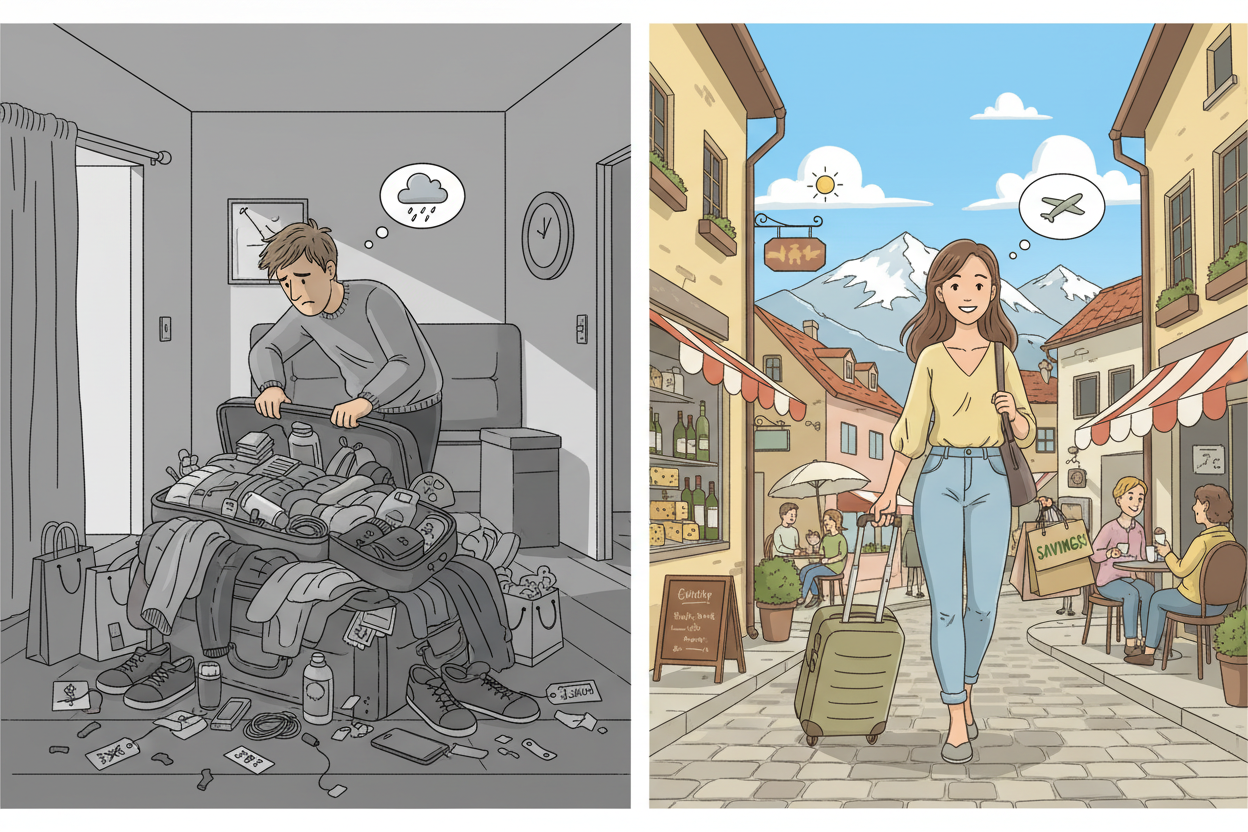
Heavy Winter Coats and Bulky Clothing
That massive puffer jacket taking up half your suitcase? Leave it at home. European weather is rarely as extreme as many Americans expect, and lugging around a coat designed for Arctic expeditions will only slow you down. Instead, master the art of layering with lightweight, versatile pieces.
A quality merino wool sweater, packable down vest, and waterproof shell will handle 90% of European weather conditions while taking up a fraction of the space. Plus, you’ll look more like a local and less like you’re preparing for an Antarctic expedition. European cities have excellent public transportation and heated indoor spaces, so you’ll rarely be outside for extended periods anyway.

Excessive Amounts of Toiletries and Personal Care Items
Here’s a reality check: Europeans have been using shampoo, toothpaste, and deodorant long before your arrival. That economy-sized bottle of American shampoo isn’t going to transform your travel experience, but it will definitely transform your luggage weight.
Stick to travel-sized essentials for the first few days, then shop locally. European pharmacies and supermarkets stock high-quality personal care products, often with more natural ingredients than their American counterparts. You might even discover some fantastic new brands to bring home as souvenirs. The money you save on baggage fees can fund an extra museum visit or a nice dinner.
Multiple Pairs of Sneakers and Bulky Footwear
Shoes are the heaviest items in most suitcases, yet I constantly see travelers packing three or four pairs for a week-long trip. Unless you’re planning to run a marathon in each city, you don’t need multiple athletic shoes.
Choose one comfortable pair of walking shoes that can handle cobblestones, rain, and long days of sightseeing. Add one dressier option for nice restaurants or evening events. That’s it. Your feet and your back will thank you when you’re navigating narrow European staircases with your luggage.
Electrical Appliances and Hair Tools
That hair straightener, blow dryer, or electric shaver might seem essential, but European voltage will fry most American appliances faster than you can say “power surge.” Even with converters, many devices don’t work properly or may get damaged.
Most European hotels provide hair dryers, and you can purchase affordable replacements for other essentials once you arrive. Alternatively, invest in dual-voltage travel versions before your trip. Your regular appliances will be much happier staying home where they belong.
Towels and Linens
Unless you’re camping or staying in the most budget hostels, bringing towels is unnecessary weight. Hotels, B&Bs, and even most hostels provide clean towels. That beach towel “just in case” will sit unused in your luggage while taking up precious space.
If you’re genuinely concerned about towel availability, pack a lightweight microfiber travel towel that compresses to the size of a paperback book. But honestly, in over a decade of European travel, I’ve never encountered a accommodation that didn’t provide basic linens.
Too Much Cash in Multiple Currencies
Walking around with wads of different European currencies makes you look like a tourist and creates unnecessary stress about exchange rates and security. Most of Europe uses the Euro, and card payments are widely accepted everywhere from street vendors to public transportation.
Bring a small amount of local currency for emergencies, but rely primarily on a no-foreign-transaction-fee credit card and ATM withdrawals. You’ll get better exchange rates and won’t risk losing large amounts of cash. Plus, many European countries are moving toward cashless societies faster than the United States.
Excessive Electronics and Gadgets
That portable speaker, gaming device, tablet, laptop, and backup phone charger might seem necessary, but they’re adding weight and complexity to your trip. Most travelers use their phones for 90% of their electronic needs while traveling.
Choose one primary device and stick with it. A smartphone can handle navigation, photos, entertainment, and communication. If you need a laptop for work, fine, but don’t pack it “just in case.” Every electronic device needs charging cables, adapters, and mental energy to keep track of – simplify your life.
American Snacks and Food Items
Packing American snacks for a European vacation is like bringing sand to a beach. Europe’s food scene is incredible, and you’re missing out on amazing local treats by filling up on familiar flavors from home.
Many American snack brands are available in European supermarkets anyway, often made with better ingredients due to stricter food regulations. Use your luggage space for souvenirs on the return trip, not for foods you can eat any day at home.
Formal Business Attire
Unless your European trip includes business meetings or formal events, leave the suits and dress shoes at home. European travel involves lots of walking, public transportation, and casual exploration – activities that don’t require corporate attire.
One nice outfit for upscale restaurants or cultural events is sufficient. Focus on comfortable, versatile clothing that can be mixed, matched, and layered. You’ll be more comfortable and look more like someone who actually knows how to travel.
Guidebooks and Heavy Reading Material
Physical guidebooks are travel relics from a pre-smartphone era. They’re heavy, outdated by the time they’re printed, and contain far less information than what’s available on your phone.
Download offline maps, use travel apps, and access current reviews and recommendations online. If you love reading while traveling, bring an e-reader or use your phone. That 500-page guidebook to Italy will feel like a brick after carrying it around Florence for a day.
Camping Gear and Outdoor Equipment
Europe has excellent outdoor gear shops in every major city and most small towns. Unless you’re embarking on a specific hiking expedition that requires your personal equipment, leave the camping gear at home.
Renting or buying equipment locally is often cheaper than airline baggage fees, and you’ll get gear suited to local conditions. Plus, you won’t have to worry about dirty or damaged equipment on your return flight.
Excessive Medications and First Aid Supplies
A small personal first aid kit makes sense, but packing enough medical supplies to stock a field hospital doesn’t. European pharmacies are excellent, widely available, and often more accessible than American ones.
Bring necessary prescription medications with proper documentation, plus basic items like pain relievers and bandages. Everything else can be purchased locally, often without a prescription and at lower costs than American equivalents.
Smart Packing Strategies for European Travel
Now that we’ve covered what not to bring, let’s talk about smart packing strategies. The key to successful European travel is mobility and flexibility. Pack light enough that you can comfortably carry your luggage up three flights of narrow stairs, because you probably will.
Choose versatile clothing items that work for multiple occasions and weather conditions. Invest in quality travel gear that’s lightweight and durable. Remember, you can buy almost anything you need in Europe, often at better prices and quality than what you’d find at home.
Most importantly, embrace the European mindset of living with less stuff. You’ll move more easily between cities, spend less on transportation, and have more mental energy to focus on the incredible experiences waiting for you.
Conclusion: Pack Smart, Travel Better
European travel should be about discovering new cultures, tasting incredible food, and creating lasting memories – not struggling with overweight luggage and unnecessary possessions. By avoiding these common packing mistakes, you’ll travel more comfortably, save money, and have a much better experience.
Remember, the best travelers aren’t the ones with the most gear; they’re the ones who pack smart and adapt to local conditions. Europe has everything you need, so pack light, bring your sense of adventure, and get ready for an incredible journey. Your future self, standing in a charming European train station with a manageable bag instead of struggling with oversized luggage, will thank you.
Your Stress-Free Journey Begins Here”
Planning a vacation doesn’t have to be overwhelming.
I help travelers save time, avoid common mistakes, and enjoy stress-free vacations. Whether you’re planning a cruise, a European tour, or your next bucket-list trip, I’d love to help.
Visit www.//mikegray.cruisebrothers.com/cb to learn more, or contact me today to start planning your next adventure. Your stress-free journey begins here.
Leave a Comment