
Cruise Cabin Selection Guide: Avoiding the Worst Rooms on the Ship
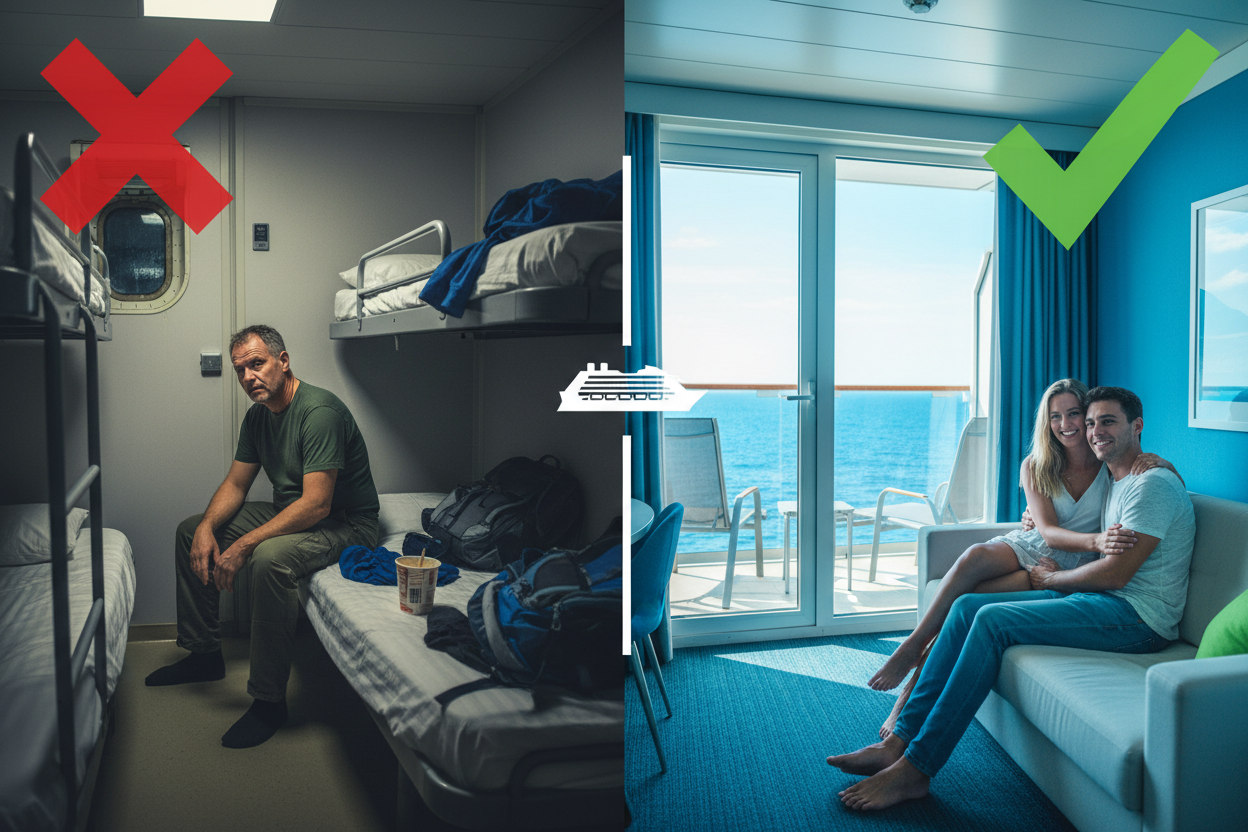
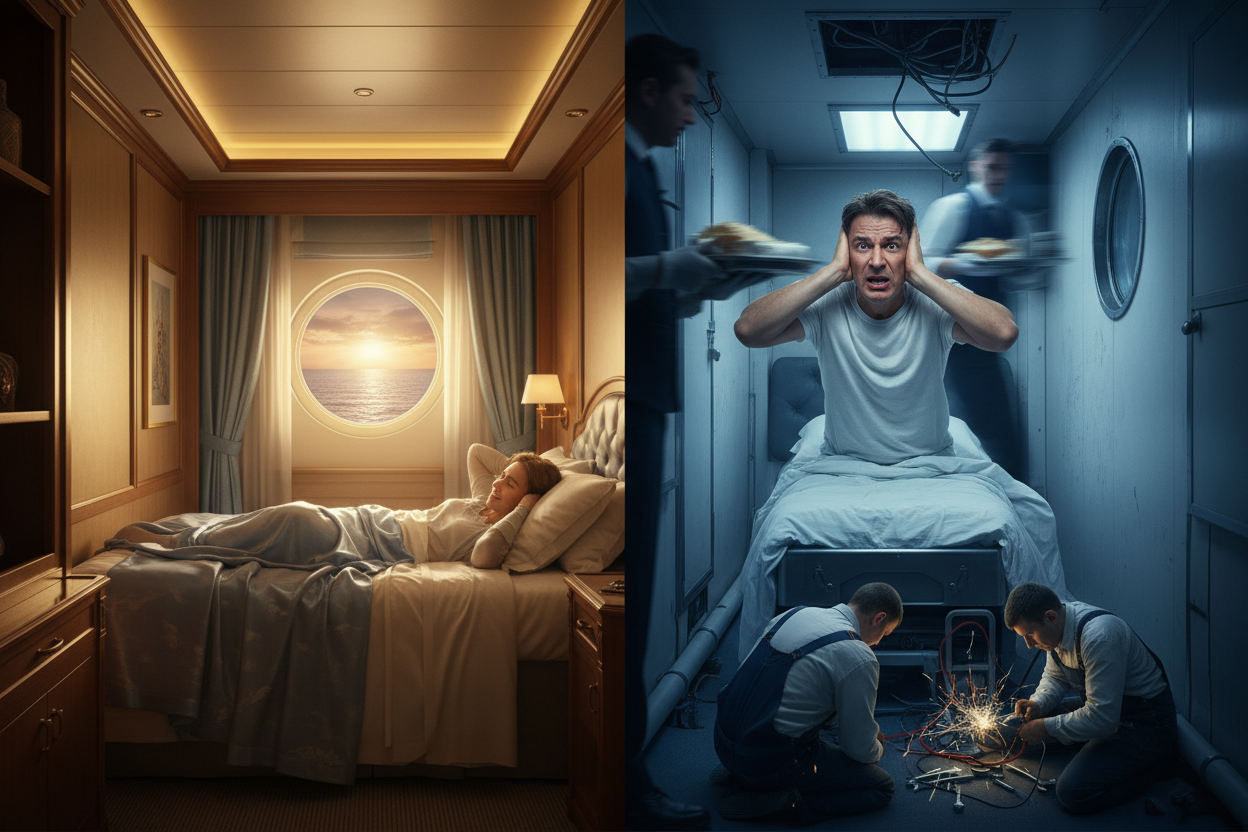
Picture this: you’ve been dreaming about your cruise vacation for months, carefully saving up for that perfect getaway. You board the ship with excitement, only to discover your cabin is directly under the midnight buffet or next to the crew quarters where maintenance starts at 5 AM. Trust me, I’ve been there, and it’s not the relaxing experience you paid for.
Choosing the right cruise cabin can make or break your vacation experience. While cruise lines won’t exactly advertise which rooms are problematic, seasoned cruisers know there are certain cabins you’ll want to avoid at all costs. After sailing on over 20 cruises and learning some lessons the hard way, I’m here to share the insider knowledge that will help you select a cabin that enhances rather than hinders your cruise experience.
Understanding Cruise Ship Layout and Deck Plans
Before diving into specific cabins to avoid, it’s crucial to understand how cruise ships are organized. Modern cruise ships are essentially floating cities with multiple decks serving different purposes. The key to avoiding problematic cabins lies in studying the deck plans carefully before booking.
Most cruise ships follow a similar layout pattern. Lower decks typically house crew quarters, mechanical areas, and storage. Mid-level decks contain passenger cabins, while upper decks feature restaurants, entertainment venues, pools, and recreational facilities. The elevator and stairwell locations remain consistent throughout the ship, creating natural noise corridors you’ll want to consider when selecting your cabin.
When examining deck plans, pay attention to what’s directly above, below, and adjacent to your potential cabin. Cruise lines provide detailed deck plans on their websites, and spending 30 minutes studying these layouts can save you from a week of sleepless nights.
Cabins to Avoid: Location-Based Problems
Directly Below High-Traffic Areas
One of the biggest mistakes first-time cruisers make is booking a cabin directly beneath busy public areas. Cabins located under the main pool deck, sports courts, or jogging tracks can be incredibly noisy. The sound of deck chairs being dragged across the floor at 6 AM or late-night pool parties can turn your peaceful retreat into a sleepless nightmare.
Similarly, avoid cabins beneath restaurants, especially buffet areas where chairs are constantly moving and dishes are being cleared. The Windjammer or main buffet typically operates from early morning until late evening, meaning potential noise disturbances throughout the day.
Near Crew Areas and Service Corridors
Crew members work around the clock to keep the ship running smoothly, which means their work areas can generate significant noise at all hours. Cabins near crew quarters, laundry facilities, or service elevators often experience constant foot traffic and operational sounds.
I once booked what seemed like a great deal on a cabin, only to discover it was adjacent to a crew stairwell. The sound of crew members rushing up and down stairs during shift changes made it impossible to sleep past 5 AM. These areas are usually marked on deck plans, so take time to identify and avoid them.
Adjacent to Elevators and Stairwells
While being close to elevators might seem convenient, the constant ding of arrival bells and conversations of waiting passengers can be surprisingly disruptive. The mechanical sounds of elevator machinery and the echo of footsteps in nearby stairwells carry further than you might expect.
If you must choose a cabin near these areas due to mobility concerns, try to select one that’s at least two doors away from the elevator bank. This small distance can significantly reduce noise while maintaining reasonable accessibility.
Specific Cabin Categories and Their Drawbacks
Guaranteed Cabins: A Risky Gamble
Guaranteed cabins offer lower prices in exchange for letting the cruise line assign your specific cabin closer to departure. While this can result in upgrades, it often means getting stuck with the less desirable cabins that regular bookings avoided. Cruise lines typically assign the cabins they’ve had trouble selling, which usually means problematic locations.
If you’re considering a guaranteed cabin, understand that you’re gambling with your vacation comfort. The potential savings might not be worth several nights of poor sleep or constant noise disturbances.
Cabins on Entertainment Decks
Cabins located on the same deck as theaters, nightclubs, or casinos face unique challenges. Even with soundproofing, the vibrations from loud music and the general hustle and bustle of entertainment areas can be felt in nearby cabins. The theater deck is particularly problematic, as shows often run late into the evening.
Additionally, these areas tend to have higher foot traffic as passengers move between venues, creating hallway noise that extends well into the night. If you’re someone who values early bedtimes or afternoon naps, these locations should be avoided.
Structural and Design Issues to Consider
Cabins with Obstructed Views
Not all balcony cabins are created equal. Some feature partially or fully obstructed views due to lifeboats, structural elements, or other ship features. These cabins are often sold at slightly discounted rates, but the psychological impact of staring at a lifeboat instead of the ocean can be more disappointing than expected.
Before booking any balcony cabin, research the specific cabin number online. Cruise enthusiasts often share photos and reviews of individual cabins, giving you a realistic preview of what to expect. Websites like Cruise Critic have extensive databases of cabin reviews with photos that can help you make an informed decision.
Forward and Aft Cabins: Motion Sensitivity
Cabins at the very front (forward) or back (aft) of the ship experience more motion than those located midship. If you’re prone to seasickness or simply sensitive to movement, these locations can make your cruise uncomfortable even in calm seas.
Forward cabins also deal with additional wind noise and the sound of the ship cutting through waves. While some passengers enjoy the unique perspective and potentially larger balconies that aft cabins sometimes offer, the increased motion can be problematic for sensitive travelers.
Noise-Related Cabin Problems
Engine and Mechanical Noise
Lower deck cabins, while often more affordable, can suffer from engine noise and vibrations. Modern ships have excellent sound dampening, but sensitive sleepers might still notice the constant hum of machinery. Cabins located directly above or near the engine room are particularly susceptible to these issues.
Mechanical rooms housing air conditioning units, water treatment facilities, and other ship systems can create unexpected noise sources. These aren’t always obvious from deck plans, which is why reading specific cabin reviews becomes invaluable.
Hallway and Public Area Noise
Cabins located at the intersection of major hallways or near popular gathering spots face constant foot traffic. The echo effect in ship corridors can amplify conversations and footsteps, creating disturbances at all hours. Late-night revelers returning to their cabins and early morning joggers heading to the gym can disrupt sleep patterns.
Pay particular attention to cabins near photo galleries, art auction spaces, or other areas where crowds might gather. These seemingly innocent locations can become surprisingly noisy during peak activity periods.
Smart Cabin Selection Strategies
The Sweet Spot: Mid-Ship, Mid-Level
The most comfortable cabins are typically located mid-ship on decks that are primarily residential. These locations offer the best stability, lowest noise levels, and most convenient access to ship amenities without being directly under high-traffic areas.
Aim for decks 6-8 on most ships, as these tend to be primarily cabin decks with minimal public facilities. The exact deck numbers vary by ship, so always consult the specific deck plan for your vessel.
Research Before You Book
Invest time in researching your specific ship and cabin before booking. Cruise Critic, TripAdvisor, and ship-specific Facebook groups provide valuable insights from passengers who’ve sailed in specific cabins. Look for patterns in complaints or praise for particular cabin locations.
Many cruise lines also offer virtual ship tours or detailed deck plan walkthroughs on their websites. Take advantage of these resources to familiarize yourself with the ship layout and identify potential problem areas.
Consider booking with a travel agent who specializes in cruises. Experienced agents often have insider knowledge about specific ships and can recommend or steer you away from problematic cabins based on client feedback.
Making the Best of a Bad Cabin Assignment
Sometimes despite your best efforts, you end up with a less-than-ideal cabin assignment. Don’t panic – there are strategies to improve your situation. Contact the cruise line before sailing to request a cabin change, especially if you can identify specific problems with your assigned cabin.
Once onboard, visit the guest services desk early on embarkation day. If the ship isn’t fully booked, they might be able to move you to a better cabin for a reasonable upgrade fee. Being polite and explaining specific concerns often yields better results than demanding changes.
Pack earplugs, white noise apps, and eye masks as backup solutions. Sometimes simple preparations can make even problematic cabins tolerable for the duration of your cruise.
Conclusion
Selecting the right cruise cabin requires more than just choosing your preferred category and price point. By understanding ship layouts, avoiding problematic locations, and doing thorough research before booking, you can significantly improve your chances of enjoying a peaceful and comfortable cruise experience.
Remember that the cheapest cabin isn’t always the best value if it ruins your sleep and vacation enjoyment. Invest time in the selection process, and don’t hesitate to pay slightly more for a well-located cabin. Your future self will thank you when you’re enjoying restful nights and relaxing days instead of dealing with constant noise and disturbances.
The key to cruise cabin success lies in preparation and knowledge. Use the strategies outlined in this guide, do your homework on specific ships and cabin locations, and you’ll be well on your way to selecting a cabin that enhances rather than detracts from your cruise vacation. Sweet dreams and smooth sailing await those who choose wisely.
Book Now!
Call to action to book now.
Leave a Comment