
Budget-Friendly Italy: How a Travel Expert Maximizes Your Dollar
Italy has always held a special place in my heart, and after fifteen years of guiding travelers through this magnificent country, I’ve learned that experiencing la dolce vita doesn’t have to drain your bank account. The common misconception that Italy is prohibitively expensive keeps many dreamers at home, but I’m here to share the insider secrets that will help you savor authentic Italian experiences without breaking the bank.
From sipping espresso like a local in Rome to discovering hidden trattorias in Florence, smart travel planning can stretch your dollars further than you ever imagined. The key lies in understanding how Italians actually live, eat, and travel – and adapting those habits to create an unforgettable yet affordable adventure.
Timing Your Italian Adventure for Maximum Savings
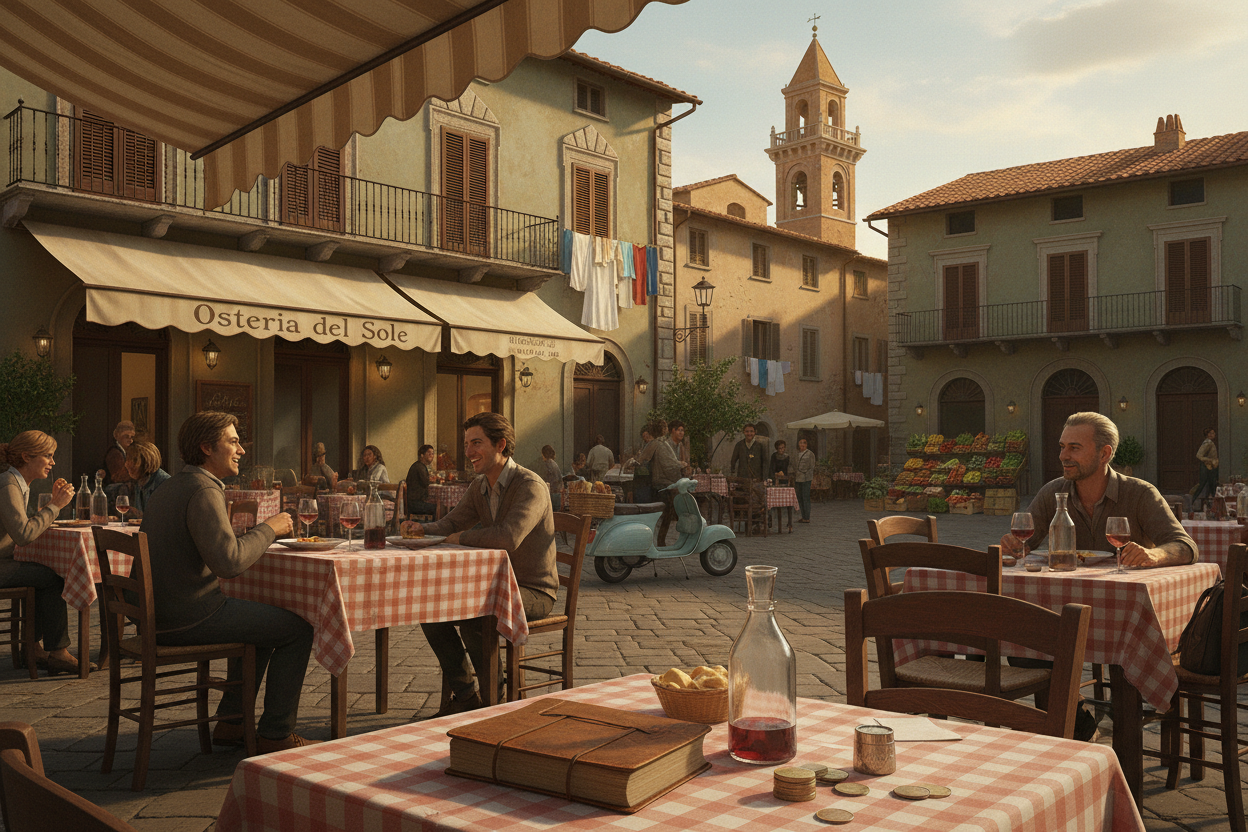
The difference between peak season and shoulder season pricing in Italy can be staggering. I’ve seen hotel rates drop by 60% simply by shifting travel dates by two weeks. The sweet spots for budget-conscious travelers are late October through early March (excluding Christmas and New Year’s), and the period from late April to early May.
During these shoulder seasons, you’ll encounter fewer crowds at major attractions, more authentic interactions with locals, and significantly lower accommodation costs. The weather remains pleasant for sightseeing, and many restaurants offer special seasonal menus that showcase local ingredients at reasonable prices.
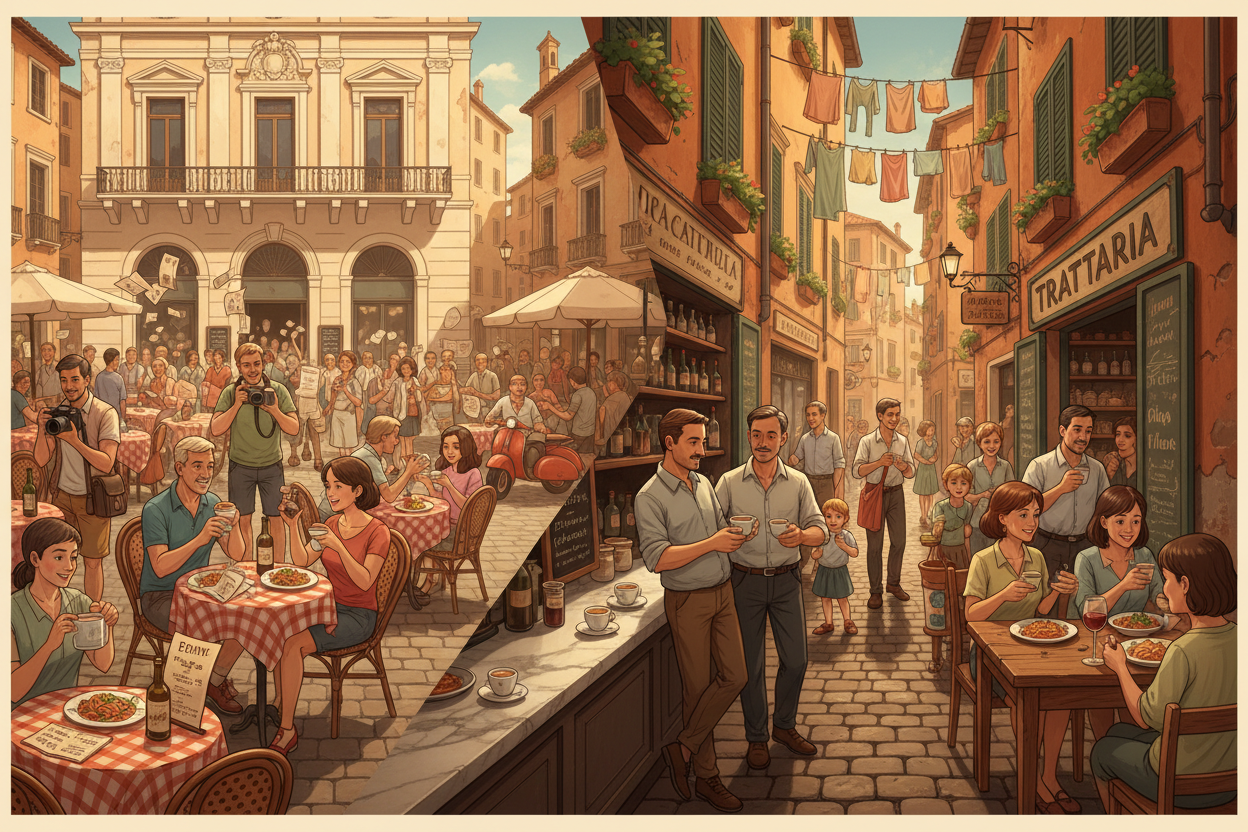
Avoid the summer months of July and August when possible. Not only are prices at their peak, but the heat can be overwhelming, and many locals flee the cities for their own vacations, leaving tourist traps as your primary dining options.
Mastering Italian Transportation Without Overspending
Transportation often becomes a budget-buster for inexperienced Italian travelers, but the country’s extensive public transit system offers incredible value when used strategically. The Trenitalia regional trains, while slower than high-speed options, cost a fraction of the price and provide scenic routes through the countryside.
For city exploration, walking remains your best friend. Italian cities are remarkably walkable, and you’ll discover charming piazzas and local gems that tour buses simply can’t access. When walking isn’t practical, invest in daily public transport passes rather than individual tickets – the savings add up quickly.
Consider purchasing a Eurail Italy Pass if you’re planning multiple city visits. The pass often pays for itself after just two intercity journeys, and the flexibility it provides allows for spontaneous detours that can lead to your most memorable experiences.
For longer distances, look into bus companies like FlixBus, which connect major Italian cities at prices that often undercut train fares by 50% or more. The journey takes longer, but the savings can fund an extra day of exploration.
Accommodation Strategies That Save Hundreds
Forget the tourist-heavy areas near major landmarks – that’s where you’ll pay premium prices for mediocre experiences. Instead, research neighborhoods where locals actually live. In Rome, areas like Trastevere or Testaccio offer authentic atmosphere and significantly lower accommodation costs than staying near the Colosseum.
Agriturismos represent one of Italy’s best-kept accommodation secrets. These working farms offer rooms at reasonable rates while providing authentic cultural experiences. You’ll often enjoy home-cooked meals featuring ingredients grown on the property, and the hosts typically share invaluable local knowledge about hidden attractions and family-run restaurants.
For solo travelers or couples, consider staying in convents or monasteries that offer guest accommodations. These unique lodgings provide peaceful environments, central locations, and rates that commercial hotels simply cannot match. Many include breakfast and maintain strict quiet hours that ensure restful nights.
Apartment rentals through local platforms often provide better value than international booking sites, especially for stays longer than three nights. You’ll gain kitchen access for preparing simple meals, laundry facilities, and the opportunity to live like a temporary local.
Eating Like an Italian on Any Budget
The Italian approach to dining naturally aligns with budget-friendly travel once you understand the cultural rhythms. Italians rarely eat large breakfasts, typically enjoying a simple cappuccino and cornetto at a local bar while standing – a practice that costs under three euros and provides authentic morning energy.
Lunch becomes your opportunity for the day’s substantial meal. Many restaurants offer “menu del giorno” or daily lunch specials that provide multiple courses at fixed prices significantly lower than evening rates. These meals often feature the chef’s best seasonal ingredients and represent exceptional value.
Aperitivo culture offers another budget-friendly dining strategy. Between 6 and 8 PM, many bars serve complimentary appetizers with drink purchases. A well-chosen Aperol Spritz in the right establishment can provide enough food to substitute for dinner, especially when combined with the convivial atmosphere that makes Italian social life so appealing.
Shopping at local markets transforms meal preparation into cultural immersion. Italian markets offer incredible produce, cheeses, and cured meats at prices that make restaurant dining seem excessive. Pack picnic lunches for day trips, and you’ll save money while enjoying meals in spectacular settings.
Avoid restaurants with English menus positioned near major tourist attractions. Instead, seek establishments where locals dine – often identifiable by handwritten daily specials, limited seating, and the presence of Italian families enjoying leisurely meals.
Free and Low-Cost Cultural Experiences
Italy’s cultural richness extends far beyond expensive museum admissions and guided tours. Many churches house world-class art collections accessible for free or small donations. Rome’s Santa Maria sopra Minerva contains works by Michelangelo, while Florence’s Santa Croce showcases frescoes by Giotto – all viewable without admission fees.
Most major museums offer free admission days, typically the first Sunday of each month. Plan your itinerary around these opportunities, but arrive early as locals take advantage of these promotions too.
Walking tours led by local volunteers or students provide insider perspectives at minimal cost. These guides often share stories and viewpoints that commercial tours overlook, and their passion for their cities creates more engaging experiences than scripted presentations.
Public spaces in Italian cities serve as free entertainment venues. Evening strolls through historic centers, people-watching in famous piazzas, and observing daily life in local neighborhoods cost nothing but provide invaluable cultural insights.
Many cities offer tourist cards that combine public transportation with museum admissions at discounted rates. Calculate the individual costs versus card prices to determine value, but remember that these cards often include lesser-known attractions that might surprise you.
Shopping Smart for Authentic Italian Goods
Authentic Italian products don’t require designer price tags when you know where to shop. Local markets offer handcrafted leather goods, ceramics, and textiles at prices significantly lower than tourist-focused boutiques. The quality often surpasses expensive alternatives, and you’ll support local artisans directly.
Outlet malls located outside major cities provide access to Italian fashion brands at substantial discounts. Many offer shuttle services from city centers, making them accessible without rental car expenses.
Food products make excellent souvenirs and gifts when purchased strategically. Specialty food stores in residential neighborhoods offer regional delicacies, wines, and olive oils at prices that reflect local rather than tourist markets. Many items travel well and provide lasting memories of your Italian adventure.
Avoid purchasing items near major attractions where vendor prices include significant tourist markups. A bottle of limoncello costs three times more near the Trevi Fountain than in a neighborhood grocery store, and the quality remains identical.
Making Every Euro Count: Final Expert Tips
Currency exchange strategies can impact your budget significantly. Use ATMs affiliated with major banks rather than standalone machines that charge excessive fees. Notify your bank about travel plans to avoid card blocks, and consider accounts that reimburse international ATM fees.
Travel insurance might seem like an unnecessary expense, but medical emergencies or trip cancellations can devastate travel budgets. Comprehensive coverage often costs less than a single restaurant meal but provides peace of mind worth far more.
Flexibility with your itinerary allows you to capitalize on unexpected opportunities and deals. Leave room for spontaneous discoveries – often the most memorable Italian experiences happen when you deviate from rigid plans.
Learn basic Italian phrases related to prices, directions, and food. Locals appreciate the effort and often respond with helpful recommendations or better service that enhances your overall experience without additional cost.
Italy rewards travelers who embrace its rhythms rather than fighting against them. Afternoon riposo closures might seem inconvenient, but they provide perfect opportunities for leisurely lunches or rest breaks that actually enhance your travel experience while saving money on constant activity.
Budget-friendly Italian travel isn’t about cutting corners or settling for less – it’s about traveling smarter and more authentically. By understanding how Italians live and adapting those patterns to your journey, you’ll discover that the most meaningful experiences often cost the least. The memories you create through genuine cultural connections and spontaneous discoveries will far outlast any expensive tourist attraction, proving that the best of Italy is accessible to every traveler willing to venture beyond the obvious choices.
Leave a Comment