
How to Pack for Italy: The Ultimate Packing Checklist for Every Season
Planning a trip to Italy is exciting, but figuring out what to pack can feel overwhelming. Whether you’re dreaming of sipping wine in Tuscany, exploring ancient ruins in Rome, or cruising the canals of Venice, packing the right items can make or break your Italian adventure. The key to successful packing for Italy lies in understanding the country’s diverse climate, cultural expectations, and the activities you’ll be enjoying throughout your stay.
Italy’s weather varies dramatically depending on the season and region you’re visiting. From the snowy Alps in the north to the warm Mediterranean beaches in the south, this beautiful country offers something for every traveler. But with such diversity comes the challenge of packing appropriately for your specific itinerary and travel dates.
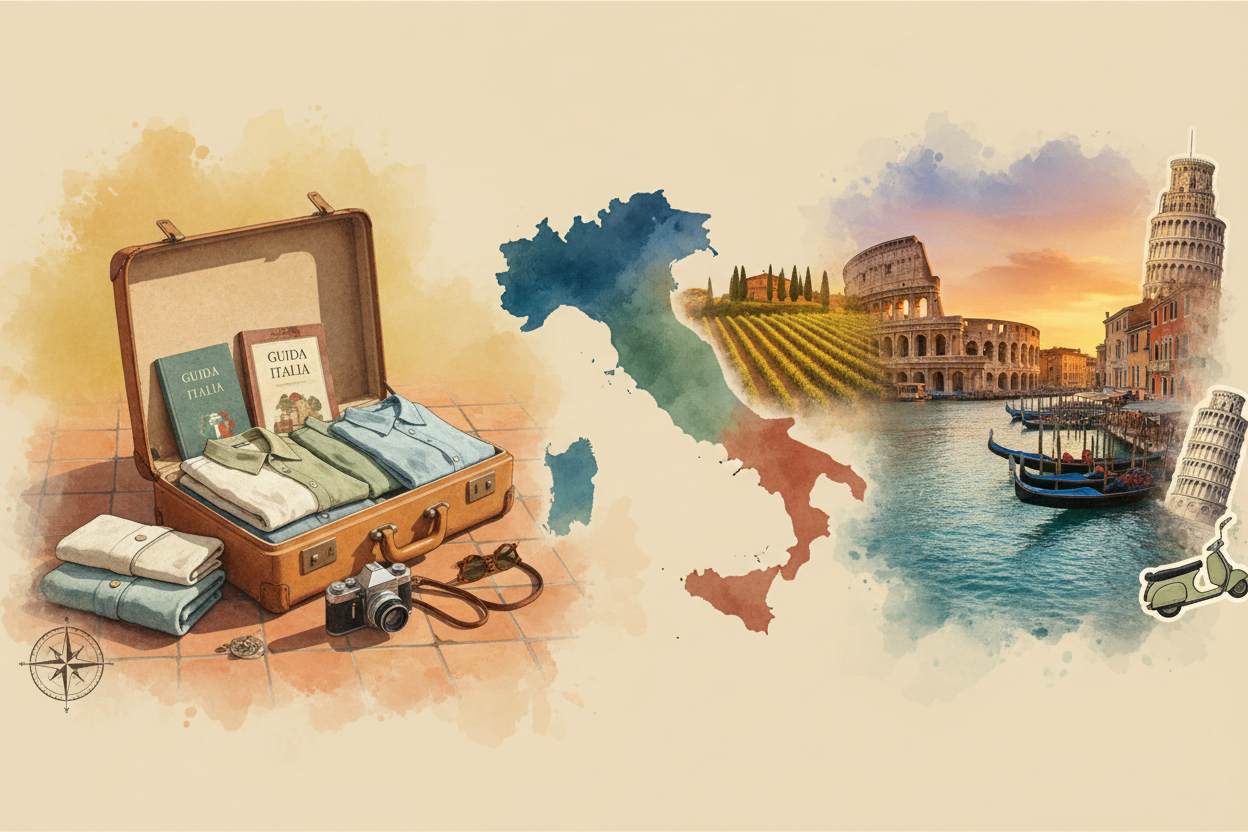
In this comprehensive guide, we’ll walk you through everything you need to know about packing for Italy, season by season. You’ll discover essential items that should always make it into your suitcase, learn about seasonal must-haves, and get insider tips that will help you blend in with the stylish Italians while staying comfortable throughout your journey.
Essential Items for Any Italian Adventure
Before diving into seasonal specifics, let’s cover the absolute essentials that belong in your suitcase regardless of when you’re visiting Italy. These foundational items will serve you well whether you’re exploring during the height of summer or the depths of winter.
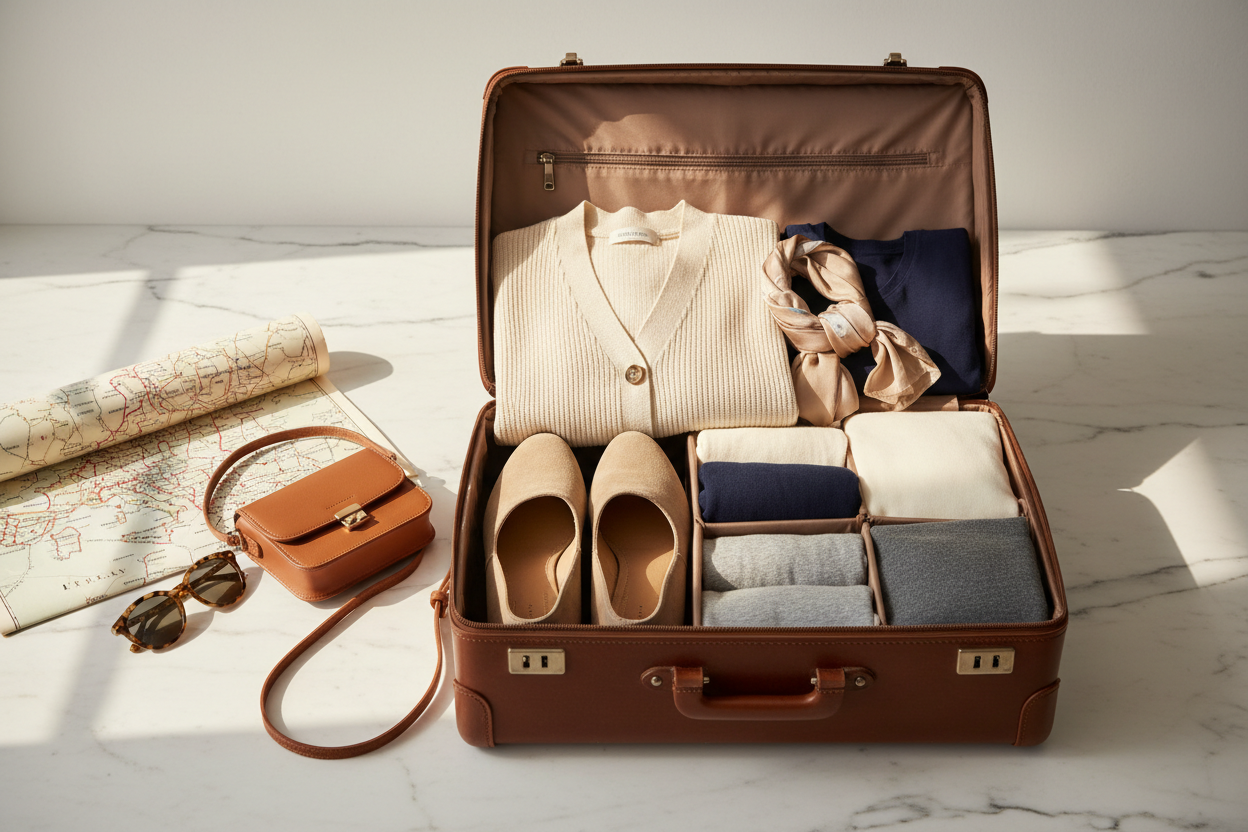
Comfortable walking shoes are perhaps the most critical item on your packing list. Italian cities are best explored on foot, with cobblestone streets, ancient stairs, and endless piazzas waiting to be discovered. Pack at least one pair of broken-in, supportive shoes that can handle hours of walking. Avoid brand-new shoes that might cause blisters during your precious vacation time.
A versatile daypack or crossbody bag is another non-negotiable item. You’ll need something secure and comfortable to carry your daily essentials like water, snacks, camera, and guidebook. Choose a bag with zippers and consider one with RFID-blocking features to protect your credit cards and passport from potential theft.
Don’t forget to pack appropriate adapters for your electronics. Italy uses Type C, F, and L electrical outlets, so bringing the right adapter ensures you can charge your phone, camera, and other devices without any hassles. A portable charger is also incredibly useful for those long days of sightseeing when you’re taking countless photos and using maps on your phone.
Spring Packing Essentials (March to May)
Spring in Italy is absolutely magical, with blooming flowers, pleasant temperatures, and fewer crowds than the peak summer months. However, spring weather can be quite unpredictable, making layering your best friend during this season.
Pack lightweight, breathable fabrics that you can easily layer. Think cotton t-shirts, comfortable jeans or chinos, and a light cardigan or sweater for cooler evenings. A waterproof jacket or compact umbrella is essential, as spring showers are common throughout Italy. The weather can change quickly, so being prepared for both sunshine and rain will keep you comfortable.
Closed-toe shoes are particularly important in spring, as morning temperatures can still be quite cool, especially in northern cities like Milan or Venice. Pack a pair of comfortable sneakers or walking shoes, and consider bringing a dressier pair for evening dinners or visits to upscale restaurants.
Spring is perfect for exploring Italy’s famous gardens and outdoor attractions, so don’t forget sunglasses and a light scarf. The scarf serves multiple purposes – it can keep you warm during cool mornings, protect you from sun during the day, and even serve as a cover-up when visiting churches that require modest dress.
Summer Packing Must-Haves (June to August)
Summer in Italy means hot temperatures, intense sunshine, and peak tourist season. Your packing strategy should focus on staying cool while still looking presentable, as Italians take great pride in their appearance regardless of the weather.
Lightweight, breathable fabrics are absolutely crucial during Italian summers. Pack plenty of cotton and linen pieces, including short-sleeved shirts, sundresses, lightweight pants, and shorts. However, remember that many churches and religious sites require covered shoulders and knees, so pack a light cardigan or pashmina that you can easily throw on when needed.
Sun protection becomes a top priority during summer months. Pack a wide-brimmed hat, high-SPF sunscreen, and quality sunglasses. The Mediterranean sun can be incredibly strong, especially when you’re spending long days exploring outdoor attractions like the Colosseum or walking along the Amalfi Coast.
Comfortable sandals are essential for summer travel, but make sure they’re suitable for lots of walking. Avoid flip-flops for sightseeing, as they don’t provide adequate support for cobblestone streets and can be dangerous on uneven surfaces. Instead, opt for supportive walking sandals or breathable sneakers.
A refillable water bottle is crucial during hot summer days. Many Italian cities have public fountains where you can refill your bottle, helping you stay hydrated while being environmentally conscious. Pack electrolyte packets or tablets to help maintain your energy levels during long, hot days of exploration.
Fall Fashion for Italian Exploration (September to November)
Fall is arguably one of the best times to visit Italy, with pleasant temperatures, beautiful autumn colors, and the harvest season in full swing. The weather during fall can vary significantly, so versatile layering pieces are key to staying comfortable.
Pack a mix of short and long-sleeved shirts, as September can still feel quite warm while November temperatures drop considerably. A medium-weight jacket or blazer is perfect for fall evenings, and you’ll want to include at least one warm sweater for cooler days, especially if you’re visiting northern regions or mountainous areas.
Comfortable jeans or trousers become more practical during fall months, paired with closed-toe shoes that can handle potentially wet conditions. Pack shoes with good grip, as fallen leaves and occasional rain can make surfaces slippery. A lightweight, waterproof jacket is essential, as fall brings more frequent rain showers.
Fall is harvest season in Italy, making it perfect for wine tours and outdoor dining. Pack one or two nicer outfits for special dinners or wine tastings, as these experiences often call for a slightly more dressed-up appearance. A nice pair of dark jeans with a button-down shirt or blouse works well for most occasions.
Winter Warmth and Style (December to February)
Winter in Italy varies dramatically by region, but even southern areas can experience surprisingly cool temperatures. Northern cities like Milan and Venice can be quite cold and damp, while southern destinations like Sicily remain relatively mild. Research your specific destinations to pack appropriately.
Warm layers are essential for Italian winters. Pack thermal underwear if you’re visiting northern regions, along with warm sweaters, long pants, and a heavy coat or parka. A waterproof outer layer is crucial, as winter often brings rain and occasional snow to many parts of Italy.
Warm, waterproof boots are perhaps your most important winter packing item. Italian winters can be wet and slushy, especially in cities like Venice where acqua alta (high water) is common. Pack boots with good traction and waterproof capabilities, and consider bringing warm socks and foot warmers for particularly cold days.
Don’t forget winter accessories like gloves, a warm hat, and a scarf. These items are not only practical but also help you achieve that effortlessly stylish Italian look. A quality umbrella is essential, as winter rain can be frequent and heavy in many regions.
Regional Considerations and Special Destinations
Italy’s diverse geography means that packing considerations can vary significantly depending on your specific destinations. Northern Italy, including cities like Milan, Turin, and Venice, tends to be cooler and wetter than southern regions like Naples, Sicily, or Sardinia.
If you’re planning to visit the Italian Alps or Dolomites, pack appropriate mountain gear including sturdy hiking boots, warm layers, and potentially even snow gear depending on the season. These mountainous regions can experience snow from October through April, requiring more substantial winter clothing than you might expect.
Coastal destinations like the Cinque Terre, Amalfi Coast, or Italian Riviera have their own packing considerations. Pack swimwear if you’re visiting during warmer months, along with beach cover-ups and water shoes for rocky coastlines. A light jacket is always wise for evening seaside dining, as coastal breezes can be cool even in summer.
If your itinerary includes visits to religious sites like Vatican City, St. Peter’s Basilica, or other churches, pack modest clothing that covers your shoulders and knees. Many sites strictly enforce dress codes and may deny entry to inappropriately dressed visitors. A lightweight scarf or shawl can easily solve this problem while taking up minimal luggage space.
Italian Fashion Tips and Cultural Considerations
Italians are known worldwide for their impeccable sense of style, and while you don’t need to pack a designer wardrobe, putting some thought into your appearance will help you feel more confident and blend in better with locals.
Avoid overly casual clothing like athletic wear, flip-flops, or baseball caps when exploring cities or dining out. Italians tend to dress more formally than many other cultures, even for casual activities. Choose well-fitted, quality pieces over quantity, and don’t be afraid to repeat outfits – Italians value quality and style over having something different to wear every day.
Neutral colors like black, navy, gray, and cream are always safe choices and mix well together, allowing you to create multiple outfits with fewer pieces. Add personality with accessories like scarves, jewelry, or a stylish bag rather than packing lots of colorful clothing items.
Consider the activities you’ll be doing and pack accordingly. If you plan to dine at upscale restaurants, pack at least one dressier outfit. For wine tours or cooking classes, choose clothing that you don’t mind getting a little messy but still looks presentable.
Conclusion
Packing for Italy doesn’t have to be stressful when you understand the seasonal requirements and cultural expectations. The key is to pack versatile, quality pieces that can be mixed, matched, and layered according to the weather and your planned activities. Remember that comfort should never be sacrificed for style – you’ll be doing lots of walking and exploring, so prioritize comfortable shoes and breathable fabrics.
Start your packing process by checking the weather forecast for your specific destinations and travel dates, then use this guide as a foundation for building your perfect Italian wardrobe. Don’t overpack – Italian cities offer excellent shopping opportunities if you need to purchase anything you’ve forgotten or want to add some authentic Italian style to your wardrobe.
Most importantly, remember that the goal is to enjoy your Italian adventure. With proper preparation and the right items in your suitcase, you’ll be ready to immerse yourself in Italy’s incredible culture, cuisine, and landscapes while looking and feeling your best. Buon viaggio!
Book Now!
Call to action to book now.
Leave a Comment