
The Art of Travel Photography: Capturing European Memories
There’s something magical about Europe that makes every corner feel like a postcard waiting to happen. From the cobblestone streets of Prague to the sun-drenched coastlines of Santorini, this continent offers photographers an endless canvas of architectural marvels, natural beauty, and cultural richness. Whether you’re wielding a professional DSLR or simply using your smartphone, mastering the art of travel photography in Europe can transform your vacation snapshots into treasured memories that tell compelling stories for years to come.
Travel photography isn’t just about documenting where you’ve been – it’s about capturing the essence of a place, the emotions you felt, and the moments that took your breath away. In Europe, where history whispers from every ancient wall and romance blooms in hidden alleyways, your camera becomes a time machine, preserving not just images but entire experiences.
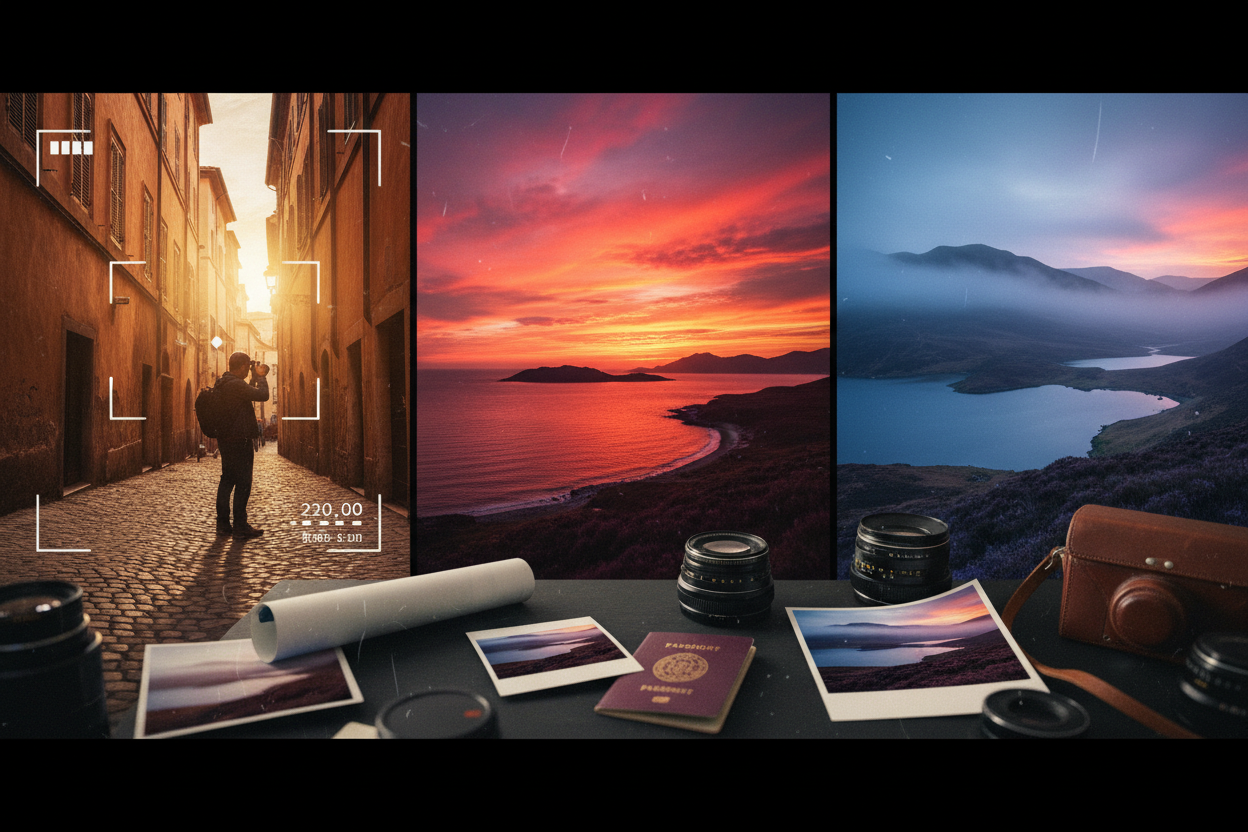
Essential Equipment for European Travel Photography
Before diving into the artistic aspects of travel photography, let’s talk gear. The beauty of modern travel photography lies in its accessibility – you don’t need a suitcase full of expensive equipment to capture stunning European memories. A versatile camera setup that balances quality with portability will serve you best as you navigate narrow medieval streets and climb cathedral towers.
For those serious about photography, a mirrorless camera with a 24-70mm lens offers incredible flexibility. This combination handles everything from wide architectural shots of the Colosseum to intimate portraits in a Parisian café. However, don’t underestimate the power of today’s smartphones. The latest models produce remarkable images and offer the convenience of instant editing and sharing.
Consider packing a lightweight tripod for those golden hour shots and long exposures of European cityscapes at night. A polarizing filter can dramatically improve your landscape photos, especially when capturing the Mediterranean’s azure waters or reducing reflections from glass surfaces in modern European cities.
Understanding European Light and Weather Patterns
European light has inspired artists for centuries, and understanding its unique qualities will elevate your travel photography significantly. The continent’s northern latitude creates longer golden hours during summer months, particularly in Scandinavia where you might experience the magical white nights. This extended soft light is a photographer’s dream, offering more opportunities for that coveted warm, romantic glow.
Weather patterns across Europe vary dramatically, and each condition offers unique photographic opportunities. The moody, overcast skies common in Northern Europe create perfect conditions for dramatic architectural photography. These soft, diffused conditions eliminate harsh shadows and provide even lighting for capturing the intricate details of Gothic cathedrals or Tudor buildings.
Mediterranean regions offer brilliant, clear light that enhances the vibrant colors of coastal towns and ancient ruins. However, the intense midday sun can create challenging contrast situations. Plan your shooting schedule around the golden hours – the hour after sunrise and before sunset – when the light is most flattering and forgiving.
Capturing Iconic European Architecture
Europe’s architectural heritage spans millennia, from Roman amphitheaters to cutting-edge contemporary designs. Each style requires different photographic approaches to truly capture its essence and historical significance.
When photographing Gothic cathedrals like Notre-Dame or Westminster Abbey, look for leading lines that draw the eye upward, emphasizing the soaring heights that were meant to inspire awe. The intricate stonework deserves close-up attention too – those gargoyles and decorative elements tell stories of medieval craftsmanship that deserve preservation in your photos.
Renaissance architecture, abundant in Italy and France, calls for symmetrical compositions that honor the mathematical precision these buildings were designed with. The Palazzo Vecchio in Florence or the châteaux of the Loire Valley photograph beautifully when you emphasize their balanced proportions and elegant details.
Modern European cities offer exciting contrasts between old and new. In London, the glass towers of the financial district create fascinating reflections of historic buildings. These juxtapositions tell the story of Europe’s evolution and make for compelling contemporary travel photography.
Street Photography Techniques Across European Cities
European cities pulse with life, and street photography allows you to capture the authentic spirit of daily life across the continent. Each city has its own rhythm and character that reveals itself to patient observers with cameras ready.
In bustling markets like La Boquería in Barcelona or Borough Market in London, focus on the vibrant colors and textures of local produce. The animated gestures of vendors and the concentration of shoppers create natural storytelling moments. Use a longer lens to capture candid interactions without intruding on people’s personal space.
Café culture defines much of European social life, particularly in France, Italy, and Austria. The ritual of coffee drinking, newspaper reading, and people-watching provides endless opportunities for documentary-style photography. Look for the interplay of light streaming through café windows, the steam rising from espresso cups, and the relaxed body language of patrons enjoying their daily ritual.
Transportation hubs like train stations and metro systems offer dynamic photography opportunities. The geometric patterns of modern stations like Berlin’s Hauptbahnhof contrast beautifully with the ornate designs of older terminals. Capture the movement of commuters using slower shutter speeds to create artistic motion blur that conveys the energy of urban life.
Landscape Photography in Europe’s Natural Wonders
Beyond its cities, Europe boasts diverse landscapes that rival any continent for natural beauty. From the dramatic fjords of Norway to the rolling hills of Tuscany, each region offers unique opportunities for stunning landscape photography.
The Scottish Highlands exemplify Europe’s wild beauty, with their misty lochs and ancient castles creating scenes straight from fairy tales. Early morning fog often shrouds these landscapes, creating mysterious, ethereal conditions perfect for moody photography. Use longer exposures to smooth out the water surfaces and capture the movement of clouds across dramatic skies.
Mediterranean coastlines require different techniques entirely. The brilliant blue waters and white-washed buildings of Greek islands or the dramatic cliffs of the Amalfi Coast benefit from polarizing filters that intensify the blue skies and reduce glare from water surfaces. Golden hour photography along these coasts creates warm, romantic images that capture the essence of European seaside life.
Alpine regions across Switzerland, Austria, and northern Italy offer spectacular mountain photography opportunities. The changing light on snow-capped peaks creates constantly evolving scenes throughout the day. Sunrise alpenglow – when mountains glow pink and orange – provides some of the most spectacular natural light shows you’ll ever witness.
Cultural Events and Festival Photography
Europe’s calendar overflows with festivals, celebrations, and cultural events that provide incredible photography opportunities. These gatherings showcase local traditions, costumes, and community spirit that define European cultural identity.
Carnival celebrations across Europe, from Venice’s elegant masked balls to Germany’s raucous street parties, offer vibrant subjects and dramatic lighting conditions. The elaborate costumes and masks in Venice create portrait opportunities that feel like stepping into a Renaissance painting. Use available light whenever possible to maintain the authentic atmosphere, and don’t be afraid to embrace the dramatic shadows and highlights that evening celebrations create.
Christmas markets transform European cities into winter wonderlands, providing cozy, intimate photography scenes. The warm glow of market stalls against cold winter air creates beautiful contrast. Focus on details like steaming mugs of mulled wine, handcrafted ornaments, and the expressions of wonder on children’s faces as they explore these magical seasonal markets.
Summer music festivals and outdoor concerts offer dynamic photography challenges. The combination of stage lighting, crowd energy, and outdoor settings requires quick adaptation to changing light conditions. Concert photography in historic venues like amphitheaters or castle courtyards adds another layer of visual interest to your images.
Post-Processing Tips for European Travel Photos
The journey from camera to compelling final image often involves thoughtful post-processing that enhances without overwhelming the natural beauty of your European subjects. Modern editing software offers powerful tools, but restraint and subtlety usually produce the most appealing results.
European architecture often benefits from perspective correction, especially when photographing tall buildings or cathedrals from ground level. Most editing programs offer lens correction tools that can straighten converging vertical lines, making buildings appear more natural and imposing.
Color grading can enhance the mood of your European travel photos significantly. Warm tones emphasize the golden hour light that bathes Mediterranean coastlines, while cooler tones can enhance the moody atmosphere of Northern European landscapes. However, avoid over-saturation that makes your images look artificial – European light has a natural subtlety that should be preserved.
Highlight and shadow recovery tools prove invaluable for European travel photography, especially when dealing with the high contrast situations common in bright Mediterranean settings or the challenging light inside Gothic cathedrals. Modern cameras capture incredible dynamic range, and proper post-processing can reveal details in both shadows and highlights that might not be immediately apparent in your original files.
Building Your European Photography Portfolio
Creating a cohesive portfolio from your European travels requires curation and storytelling that goes beyond simply collecting your best individual shots. Think about the narrative arc of your journey and how different images work together to tell the complete story of your European adventure.
Consider organizing your portfolio geographically or thematically. A geographic approach might follow your travel route, showing the progression from one country or region to another. Thematic organization could focus on specific subjects like architecture, street life, or landscapes across different European locations, highlighting similarities and contrasts between regions.
Include a variety of image types in your portfolio – wide establishing shots that show the grandeur of European landscapes and cities, medium shots that capture cultural activities and street life, and close-up details that reveal the textures and craftsmanship that make European destinations unique. This variety keeps viewers engaged and provides a comprehensive view of your European experience.
Don’t forget to document the quieter, more intimate moments alongside the grand tourist attractions. A simple image of morning coffee and pastry at a sidewalk café might evoke stronger emotional memories than another shot of the Eiffel Tower. These personal moments often become the most treasured images in your collection.
Conclusion
The art of travel photography in Europe extends far beyond technical camera skills – it’s about developing an eye for the extraordinary within the everyday, understanding how light and culture intersect, and learning to see familiar destinations with fresh perspective. Every narrow alley in Rome, every misty morning in the Scottish Highlands, and every sunset over the Mediterranean offers opportunities to create images that transcend mere documentation.
Remember that the best travel photography emerges from genuine engagement with your surroundings. Put down your camera occasionally and simply experience the moment – this deeper connection with places and people will ultimately inform your photography and help you capture images that resonate with authentic emotion and meaning.
Your European memories deserve to be preserved with the same care and artistry that European masters brought to their crafts centuries ago. With patience, practice, and genuine curiosity about the world around you, your travel photography can become a personal gallery of European adventures that grows more precious with each passing year. The continent awaits your unique perspective – now go forth and capture it beautifully.
Leave a Comment