
Italy’s UNESCO World Heritage Sites: A Complete Visitor’s Guide
When you think of Italy, images of ancient Roman ruins, Renaissance masterpieces, and breathtaking landscapes probably dance through your mind. What you might not realize is that Italy boasts an incredible 58 UNESCO World Heritage Sites – more than any other country in the world. From the iconic Colosseum in Rome to the mystical trulli houses of Alberobello, these sites represent the very best of human achievement and natural beauty that Italy has to offer.
Planning a trip to explore Italy’s UNESCO treasures can feel overwhelming, but don’t worry. This comprehensive guide will help you navigate the most spectacular sites, understand what makes them special, and plan your Italian adventure like a seasoned traveler. Whether you’re a history buff, art enthusiast, or nature lover, Italy’s World Heritage Sites promise experiences that will stay with you long after you’ve returned home.
Understanding UNESCO World Heritage Sites in Italy
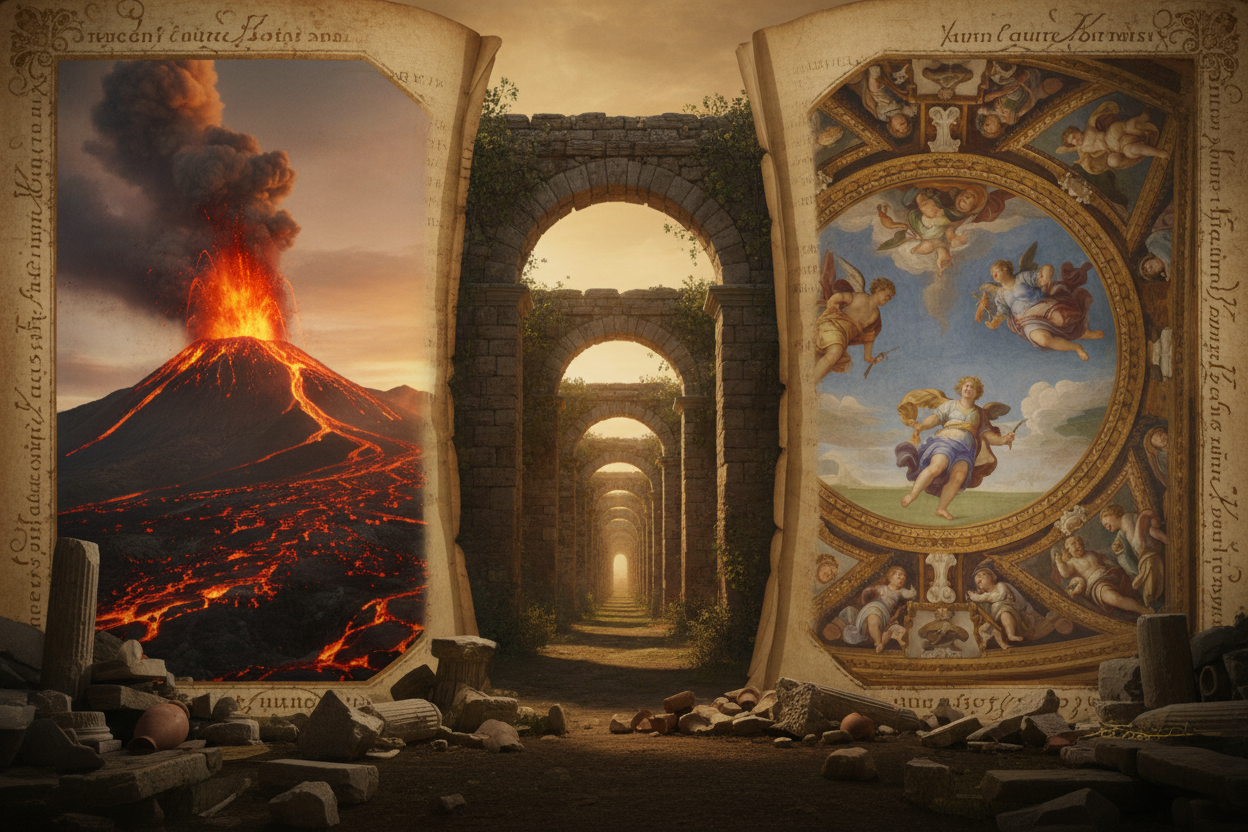
UNESCO World Heritage Sites are places of outstanding universal value to humanity, carefully selected and protected for future generations. Italy’s remarkable collection spans nearly three millennia of human history, from prehistoric rock art to medieval city centers and stunning natural landscapes. These sites aren’t just tourist attractions – they’re living testimonies to the creativity, ingenuity, and cultural diversity that have shaped our world.
The sheer number of Italian UNESCO sites means you could spend months exploring them all. Each site tells a unique story, whether it’s the volcanic drama of Mount Etna, the artistic genius of the Sistine Chapel, or the engineering marvel of ancient Roman aqueducts. What makes visiting these places so special is that you’re not just seeing beautiful buildings or landscapes – you’re stepping into chapters of human history that have influenced civilization as we know it.
Rome: The Eternal City’s UNESCO Treasures
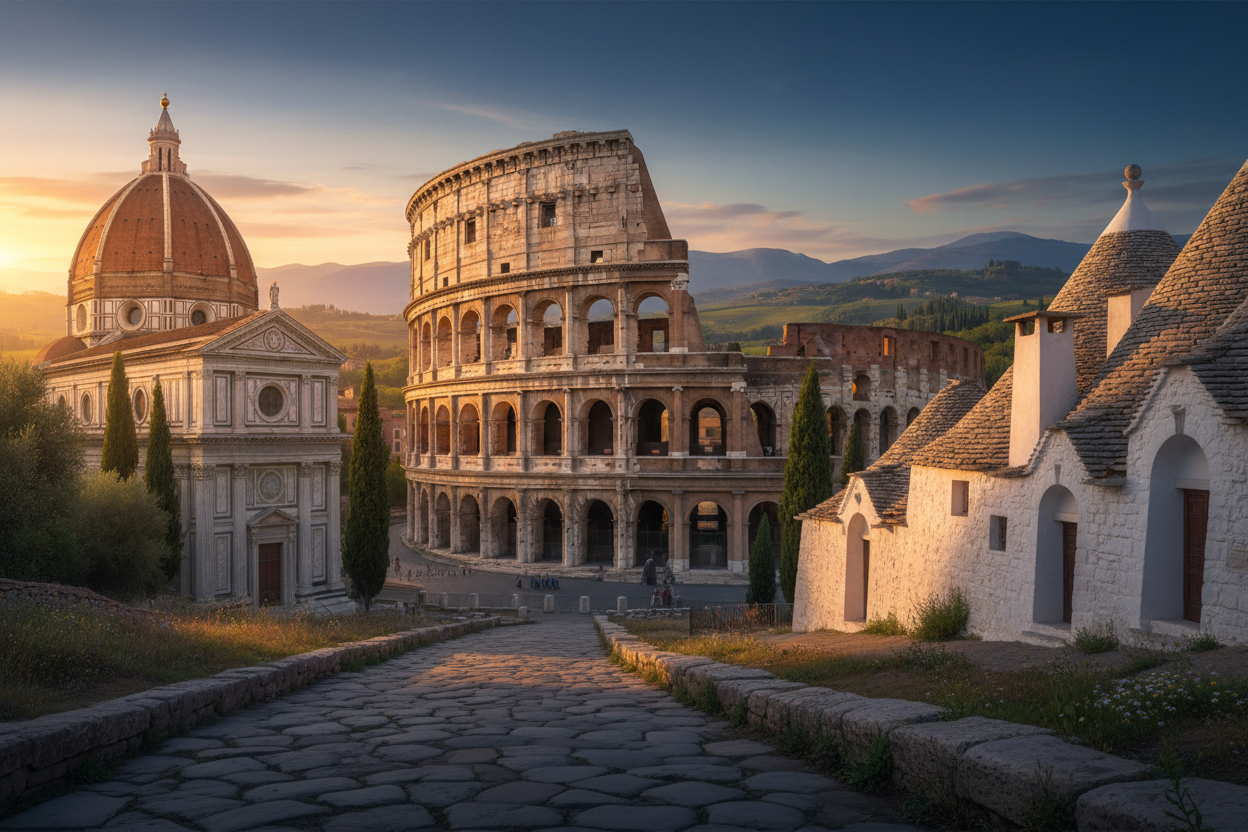
Rome alone contains multiple UNESCO World Heritage Sites that could easily fill a week-long itinerary. The Historic Centre of Rome, including the Vatican City, represents one of the most significant archaeological and artistic complexes in the world. Walking through Rome feels like traveling through time, where every corner reveals layers of history from different eras.
The Colosseum stands as perhaps the most recognizable symbol of ancient Rome’s grandeur. This massive amphitheater, completed in 80 AD, could hold up to 80,000 spectators who came to watch gladiatorial contests and public spectacles. Today, standing in the arena where gladiators once fought, you can almost hear the roar of ancient crowds. The best time to visit is early morning or late afternoon to avoid crowds and capture stunning photographs in golden light.
The Roman Forum, once the bustling heart of the Roman Empire, now offers visitors a chance to walk among the ruins of temples, basilicas, and government buildings that shaped Western civilization. The Pantheon, with its remarkable dome and oculus, demonstrates the architectural genius of ancient Roman engineers. Meanwhile, the Vatican Museums house one of the world’s greatest art collections, culminating in Michelangelo’s breathtaking Sistine Chapel ceiling.
Florence and Tuscany: Renaissance Masterpieces
Florence’s Historic Centre represents the birthplace of the Renaissance, where artistic and intellectual revolution changed the course of human culture. The city feels like an open-air museum, with masterpieces around every corner. The iconic Duomo, with Brunelleschi’s revolutionary dome, dominates the skyline and represents a triumph of Renaissance engineering and artistry.
The Uffizi Gallery houses the world’s finest collection of Renaissance art, including works by Botticelli, Leonardo da Vinci, and Michelangelo. However, Florence’s UNESCO status encompasses much more than individual monuments – it’s the entire urban fabric that tells the story of how a medieval city transformed into the cradle of Renaissance humanism.
Beyond Florence, Tuscany offers additional UNESCO gems. The Historic Centre of Siena showcases perfectly preserved medieval architecture, while the Val d’Orcia presents a Renaissance landscape that inspired countless artists and continues to embody the idealized vision of rural Italy. San Gimignano, known as the “Town of Fine Towers,” transports visitors back to medieval times with its remarkable skyline of ancient towers.
Venice and Northern Italy’s Architectural Wonders
Venice and its Lagoon create one of the world’s most unique UNESCO sites. This extraordinary city, built entirely on water, represents human ingenuity at its finest. The architectural harmony of St. Mark’s Square, with its Byzantine basilica and elegant campanile, creates one of Europe’s most beautiful urban spaces. The Doge’s Palace showcases the wealth and power of the former Venetian Republic through its stunning Gothic architecture and Tintoretto masterpieces.
However, Venice faces serious challenges from overtourism and rising sea levels. Visiting responsibly means avoiding peak summer months, staying overnight rather than day-tripping, and supporting local businesses. Early morning walks through quiet neighborhoods reveal Venice’s authentic character beyond the tourist crowds.
Northern Italy offers additional architectural treasures, including Verona’s city center, where Juliet’s balcony attracts romantic visitors from around the world. The region’s Palladian Villas demonstrate Andrea Palladio’s revolutionary architectural principles that influenced building design across Europe and America.
Southern Italy and Sicily: Ancient Civilizations and Natural Wonders
Southern Italy’s UNESCO sites reveal the region’s complex history of Greek, Roman, Arab, and Norman influences. The Archaeological Areas of Pompeii and Herculaneum offer unparalleled glimpses into daily life in ancient Roman cities, preserved by the catastrophic eruption of Mount Vesuvius in 79 AD. Walking through Pompeii’s streets, complete with ancient graffiti, bakeries, and homes, creates an incredibly intimate connection with people who lived nearly 2,000 years ago.
Sicily’s diverse UNESCO sites reflect the island’s position as a crossroads of Mediterranean civilizations. The Villa Romana del Casale contains the world’s finest collection of Roman mosaics, while the Arab-Norman architecture of Palermo demonstrates the unique cultural synthesis that occurred during medieval Sicily’s golden age. The Valley of the Temples in Agrigento showcases some of the best-preserved Greek temples outside of Greece itself.
Mount Etna, Europe’s most active volcano, represents Italy’s natural UNESCO heritage. This powerful force of nature has shaped Sicilian culture and landscape for millennia, creating fertile soils that produce exceptional wines and unique ecosystems found nowhere else on Earth.
Planning Your UNESCO World Heritage Site Journey
Successfully visiting Italy’s UNESCO sites requires thoughtful planning, especially considering the popularity of these destinations. Many sites require advance booking, particularly the Vatican Museums, Uffizi Gallery, and popular archaeological areas. Purchasing skip-the-line tickets online saves valuable time and guarantees entry during peak seasons.
Consider purchasing city tourism cards that include UNESCO site access, public transportation, and additional discounts. Rome’s Roma Pass, Florence’s Firenzecard, and Venice’s City Pass offer excellent value for visitors planning to see multiple sites. These cards often include fast-track entry, which can save hours of waiting in line.
Transportation between UNESCO sites varies significantly depending on your itinerary. Italy’s excellent train system connects most major cities efficiently, making it possible to visit multiple regions during a single trip. However, some sites, particularly in rural areas or southern Italy, may require rental cars or organized tours for convenient access.
Best Times to Visit and Insider Tips
Timing your visit to Italy’s UNESCO sites can dramatically impact your experience. Spring (April-May) and fall (September-October) offer the best combination of pleasant weather, smaller crowds, and good availability. Summer brings intense heat and massive crowds, particularly in Rome, Florence, and Venice. Winter can be surprisingly rewarding for visiting indoor sites and enjoying a more authentic local atmosphere.
Early morning visits often provide the most magical experiences at popular sites. Arriving at the Colosseum when it opens, watching sunrise over the Roman Forum, or experiencing St. Mark’s Square before the crowds arrive creates unforgettable memories. Many sites offer special evening openings during summer months, providing unique perspectives and cooler temperatures.
Hiring local guides can transform your UNESCO site visits from simple sightseeing into profound educational experiences. Knowledgeable guides reveal hidden details, share fascinating stories, and help you understand the historical context that makes these places so significant. Many sites offer official audio guides as more budget-friendly alternatives.
Conclusion: Preserving Italy’s Cultural Legacy for Future Generations
Italy’s UNESCO World Heritage Sites represent far more than beautiful destinations for travelers – they’re irreplaceable treasures that connect us to our shared human heritage. From the engineering marvels of ancient Rome to the artistic innovations of the Renaissance, from medieval hill towns to active volcanoes, these sites tell the story of human creativity, resilience, and cultural achievement across millennia.
As you plan your journey through Italy’s UNESCO treasures, remember that you’re not just a tourist but a temporary guardian of these precious places. Traveling respectfully, supporting local communities, and following site guidelines helps ensure that future generations can experience the same wonder and inspiration that draws millions of visitors to Italy each year.
Whether you spend two weeks or two months exploring Italy’s UNESCO sites, you’ll return home with a deeper appreciation for the artistic, architectural, and natural heritage that makes Italy truly unique. These experiences will enrich your understanding of history, art, and culture in ways that no textbook or documentary ever could. Start planning your Italian UNESCO adventure today – these timeless treasures are waiting to share their stories with you.
Leave a Comment