
Group Travel Decision Making: Democratic Planning Strategies That Actually Work
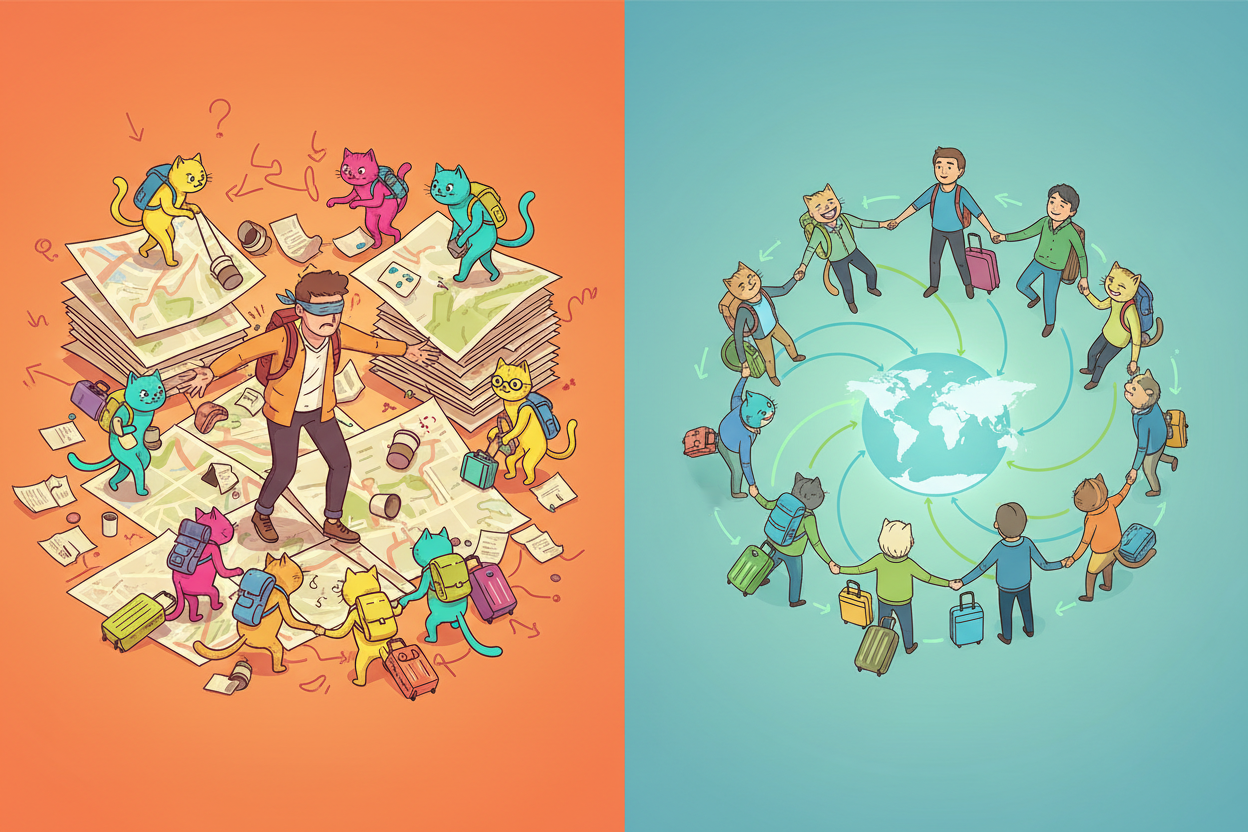
Planning a group trip can feel like herding cats while blindfolded. Everyone has opinions about destinations, budgets, and activities, and somehow you’re supposed to make everyone happy. Sound familiar? You’re not alone in this struggle. Whether you’re organizing a family reunion, a friends’ getaway, or a corporate retreat, democratic planning strategies can transform your group travel experience from chaotic to collaborative.
The key isn’t avoiding disagreements altogether – it’s managing them effectively while ensuring everyone feels heard and valued in the decision-making process. When done right, democratic planning doesn’t just prevent conflicts; it actually strengthens relationships and creates shared ownership of the travel experience.
Why Democratic Planning Matters for Group Travel Success
Traditional top-down planning might seem more efficient, but it often leads to resentment and disengagement. When one person makes all the decisions, others become passive participants rather than enthusiastic travelers. This dynamic can poison the entire trip before it even begins.
Democratic planning, on the other hand, distributes decision-making power among group members. This approach recognizes that everyone has different preferences, constraints, and expertise to contribute. A successful group trip isn’t about finding the “perfect” solution – it’s about finding solutions that work for everyone involved.
Research shows that people are more committed to decisions they help make. In travel terms, this means your group members will be more excited about activities they helped choose and more understanding of compromises they participated in creating. The investment of time in collaborative planning pays dividends in group satisfaction and trip enjoyment.
Establishing Ground Rules for Effective Group Decision Making
Before diving into destination debates and activity discussions, your group needs a framework for making decisions together. Think of these ground rules as the constitution for your travel democracy – they’ll guide you through disagreements and keep discussions productive.
Start by agreeing on how decisions will be made. Will you use majority vote, consensus, or a hybrid approach? Consensus works well for major decisions like destination and budget, while majority vote might be sufficient for smaller choices like restaurant selections. Whatever you choose, make sure everyone understands and agrees to the process before you begin.
Set clear communication expectations too. Establish response timeframes for group discussions – perhaps 48 hours for major decisions and 24 hours for time-sensitive choices. This prevents the common scenario where one person’s delayed response holds up the entire planning process.
Budget transparency is crucial. Everyone should share their realistic budget range early in the process. This isn’t about judgment; it’s about creating options that work for everyone. You might be surprised how creative your group can get when working within clear financial parameters.
Digital Tools and Platforms for Collaborative Travel Planning
Technology has revolutionized group travel planning, offering tools that make democratic decision-making more manageable and transparent. The right digital platform can turn scattered email chains and confusing group texts into organized, trackable discussions.
Shared planning platforms like TripIt, Google Docs, or specialized travel apps allow everyone to contribute ideas, vote on options, and track decisions in real-time. These tools create a central hub where all group members can access the same information and participate equally, regardless of their location or schedule.
Polling tools are particularly valuable for group decisions. Apps like Doodle, SurveyMonkey, or even Instagram polls can help gauge group preferences quickly and fairly. Visual voting works especially well for destination selection – create a shared Pinterest board or photo collection where everyone can “like” their preferred options.
Consider using collaborative spreadsheets for budget tracking and expense planning. When everyone can see projected costs and contribute to financial planning, it reduces anxiety and increases buy-in for spending decisions. Transparency builds trust, and trust makes democratic planning possible.
Handling Conflicts and Disagreements in Group Travel Planning
Disagreements are inevitable in group planning, but they don’t have to derail your trip. The goal isn’t to eliminate conflict – it’s to manage it constructively. When handled well, disagreements can actually lead to better solutions that no one would have discovered individually.
When conflicts arise, focus on understanding underlying needs rather than defending positions. If someone strongly opposes a particular destination, dig deeper. Are they concerned about cost, safety, accessibility, or something else? Often, addressing the underlying concern opens up new possibilities that satisfy everyone’s core needs.
Use the “yes, and” principle from improvisational theater. Instead of shooting down ideas immediately, build on them. “Yes, that beach destination sounds relaxing, and we could also include some cultural activities for those who want more active exploration.” This approach keeps discussions positive and solution-focused.
Sometimes you’ll need to agree to disagree and move forward with compromise solutions. This is where your established decision-making process becomes crucial. If you’ve agreed on majority vote, accept the outcome gracefully. If you’re using consensus, keep working until you find a solution everyone can live with, even if it’s not their first choice.
Creating Inclusive Planning Processes for Diverse Groups
Not everyone communicates or processes information the same way. Effective democratic planning accommodates different personality types, communication styles, and cultural backgrounds within your group. This inclusivity isn’t just politically correct – it’s practically essential for group harmony.
Some people think out loud and need verbal processing time, while others prefer to reflect privately before sharing opinions. Build both synchronous discussions (video calls, in-person meetings) and asynchronous input opportunities (surveys, comment threads) into your planning process. This ensures both extroverts and introverts can contribute meaningfully.
Cultural differences in decision-making styles can also impact group dynamics. Some cultures emphasize consensus and harmony, while others value direct debate and individual expression. Acknowledge these differences openly and create space for various approaches to coexist within your planning process.
Pay attention to power dynamics within your group. Age, gender, economic status, and social relationships can all influence who feels comfortable speaking up. As a facilitator, actively solicit input from quieter members and create safe spaces for dissenting opinions. Sometimes the best ideas come from the most unexpected sources.
Balancing Individual Preferences with Group Needs
The art of group travel planning lies in honoring individual preferences while serving the collective good. This balance requires creativity, flexibility, and sometimes difficult compromises. The key is ensuring that everyone gets some of what they want, even if no one gets everything they want.
Start by having everyone share their “must-haves” and “deal-breakers.” Must-haves are non-negotiable elements that would make the trip worthwhile for that person. Deal-breakers are elements that would make someone seriously consider not participating. These boundaries help identify where you have flexibility and where you don’t.
Look for creative solutions that satisfy multiple preferences simultaneously. A destination with both beaches and museums can appeal to relaxation-seekers and culture enthusiasts. A vacation rental with common areas and private spaces accommodates both social butterflies and introverts. The best group travel solutions often emerge from this kind of integrative thinking.
Consider implementing a rotation system for activities or dining choices. If you’re planning a week-long trip, each person or couple could take responsibility for planning one day’s activities. This ensures everyone gets their priorities addressed while distributing the planning workload.
Implementing Voting Systems and Consensus Building Techniques
Different decisions require different approaches. Understanding when to use various voting systems and consensus-building techniques can make or break your democratic planning process. The method you choose should match the importance of the decision and the group’s comfort level with the outcome.
For major decisions like destination selection, consider using ranked-choice voting. Have everyone rank their top three preferences, then tally the results. This system often reveals surprising consensus and helps avoid the “split vote” problem where a less popular option wins because the popular vote was divided.
Consensus building works well for decisions that affect everyone’s comfort and safety. Use techniques like “fist-to-five” voting, where everyone shows fingers indicating their support level (five fingers = enthusiastic support, one finger = strong reservations, fist = veto). This visual method quickly identifies where you have agreement and where you need more discussion.
For ongoing decisions during the trip, establish a “veto system” where anyone can call for group discussion if they’re uncomfortable with a proposed activity or change. This safety net helps people feel secure in going along with decisions, knowing they can speak up if something really doesn’t work for them.
Post-Decision Communication and Follow-Through Strategies
Making decisions democratically is only half the battle – following through effectively is equally important. Clear communication and accountability systems ensure that your carefully planned decisions actually translate into a successful trip experience.
Document all major decisions and share them with the group. Create a master itinerary that includes not just activities and logistics, but also the reasoning behind key decisions. This documentation helps prevent revisiting settled issues and reminds everyone of the collaborative process that led to each choice.
Assign clear responsibilities for implementing decisions. Who’s booking the accommodations? Who’s researching restaurant options? Who’s coordinating transportation? Democratic planning doesn’t mean everyone does everything – it means everyone contributes according to their abilities and availability.
Build in check-in points throughout the planning process and during the trip itself. Regular group communication helps catch problems early and allows for course corrections when needed. A quick group text or email every few weeks during planning keeps momentum going and ensures no one feels left out of evolving discussions.
Create feedback mechanisms for during and after the trip. Sometimes the best-laid democratic plans need real-time adjustments. Establish signals or systems for the group to communicate when something isn’t working, and be prepared to pivot democratically when necessary.
Conclusion: Building Stronger Relationships Through Collaborative Travel Planning
Democratic group travel planning isn’t just about making better decisions – it’s about building stronger relationships and creating shared memories that start long before you leave home. When everyone participates in shaping the travel experience, the journey becomes as meaningful as the destination.
The skills you develop through collaborative travel planning – active listening, creative problem-solving, respectful disagreement, and consensus building – strengthen your relationships far beyond the trip itself. Groups that plan well together often travel well together, and they frequently find that the planning process becomes part of the adventure.
Remember that perfect democratic planning doesn’t exist. There will always be compromises, disappointed preferences, and unexpected challenges. The goal is creating a process that feels fair, inclusive, and respectful to everyone involved. When people feel heard and valued in the planning process, they’re much more likely to embrace the imperfections and focus on the shared experience.
Start small if group planning feels overwhelming. Try democratic decision-making for a day trip or local activity before tackling a major vacation. Like any skill, collaborative planning improves with practice. Your group will develop its own rhythm and shortcuts as you learn to work together effectively.
The investment of time and energy in democratic planning pays dividends in group satisfaction, reduced conflicts, and deeper connections. Your next group trip could be the one where everyone comes home saying, “We should definitely travel together again.” That’s the true measure of successful group travel planning – not just a good trip, but a group that’s eager to create more adventures together.
Leave a Comment