European Travel Made Simple: A Beginner’s Guide to Multi-Country Adventures
Picture this: you’re sipping coffee in a charming Parisian café one morning, exploring ancient Roman ruins the next afternoon, and watching the sunset over Amsterdam’s canals by evening. This isn’t just a dream – it’s the incredible reality of European multi-country travel. For first-time visitors, Europe offers an unparalleled opportunity to experience diverse cultures, languages, and landscapes within relatively short distances.
The beauty of European travel lies in its accessibility and variety. Unlike other continents where crossing borders might involve lengthy flights and complex visa processes, Europe’s interconnected transport system and unified policies make country-hopping surprisingly straightforward. Whether you have one week or one month, planning a multi-country European adventure can be both exciting and manageable with the right approach.
Understanding Europe’s Travel-Friendly Geography
Europe’s compact size works in every traveler’s favor. Countries that would take days to traverse in other parts of the world can be crossed in mere hours here. The distance between major European capitals often equals what you might travel between neighboring states in larger countries. This geographical advantage means you can realistically visit multiple countries without spending your entire vacation in transit.
The Schengen Area, comprising 26 European countries, has revolutionized travel by eliminating border controls between member nations. Once you enter one Schengen country, you can move freely between others without passport checks at most borders. This seamless movement transforms what could be a bureaucratic nightmare into a smooth, enjoyable experience.

Consider the golden triangle of Western Europe: Paris, Amsterdam, and Brussels sit within a few hours of each other by train. Similarly, Central European gems like Prague, Vienna, and Budapest form another perfect cluster for multi-country exploration. Understanding these natural groupings helps you plan more efficiently and spend less time traveling between destinations.
Essential Planning Strategies for Multi-Country Tours
Successful European multi-country travel starts with smart planning, but don’t let the planning process overwhelm you. The key is finding the right balance between structure and spontaneity. Start by identifying your must-see destinations, then work backward to create a logical route that minimizes backtracking and maximizes your time in each location.
Timing plays a crucial role in your European adventure. Summer months offer the warmest weather and longest days, but they also bring crowds and higher prices. Spring and early fall present excellent alternatives with pleasant weather, fewer tourists, and more reasonable accommodation rates. Winter travel, while colder, opens up magical Christmas markets and cozy indoor cultural experiences at budget-friendly prices.
When planning your itinerary, resist the temptation to cram too many countries into a short timeframe. A common mistake among first-time European travelers is trying to see everything at once. Instead, focus on quality over quantity. Three to four countries in two weeks allows for meaningful exploration rather than superficial sightseeing. Remember, you can always return for future adventures.
Mastering European Transportation Networks
Europe’s transportation infrastructure ranks among the world’s best, offering multiple options for every budget and travel style. Trains represent the most popular choice for multi-country travel, combining comfort, efficiency, and scenic routes. The extensive rail network connects major cities across the continent, often delivering you directly to city centers rather than distant airports.
For budget-conscious travelers, buses provide an economical alternative to trains. Companies like FlixBus operate extensive networks across Europe, offering clean, comfortable coaches with Wi-Fi and power outlets. While journey times are longer than trains, the significant cost savings make buses attractive for travelers watching their budgets carefully.
Budget airlines have transformed European travel by making flights between countries incredibly affordable. With advance booking, you might find flights costing less than train tickets for the same route. However, factor in additional costs like airport transfers, baggage fees, and the time required for airport procedures when comparing transportation options.
Car rental offers maximum flexibility for exploring rural areas and smaller towns that public transport might not reach easily. Driving through the European countryside provides unforgettable experiences, from Germany’s romantic road to Scotland’s highland routes. Just remember that driving laws, parking costs, and fuel prices vary significantly between countries.
Accommodation Options Across European Countries
European accommodation ranges from budget hostels to luxury palaces, with options suited to every travel style and budget. Hostels remain popular among younger travelers and budget-conscious visitors, offering not just affordable beds but also opportunities to meet fellow travelers from around the world. Many modern hostels provide private rooms alongside traditional dormitories, combining affordability with privacy.
Mid-range hotels and guesthouses offer comfortable stays without breaking the bank. Family-run establishments often provide authentic local experiences and insider tips that larger chain hotels cannot match. These smaller properties frequently include breakfast and offer personalized service that enhances your travel experience.
Vacation rentals through platforms like Airbnb have revolutionized accommodation options, particularly for longer stays or group travel. Renting apartments or houses allows you to experience local neighborhoods, shop at markets, and prepare your own meals. This option proves especially valuable in expensive cities where restaurant costs can quickly drain your budget.
For unique experiences, consider staying in converted castles, monasteries, or historic buildings that many European countries offer as accommodation. These properties provide unforgettable memories and often include fascinating historical stories that enrich your travel experience.
Budgeting Tips for Multi-Country European Travel
Creating a realistic budget forms the foundation of successful European travel. Costs vary dramatically between countries and even between cities within the same country. Northern and Western European countries generally cost more than Eastern and Southern European destinations. Understanding these differences helps you allocate your budget more effectively across different countries.
Daily budgets can range from 30-50 euros for backpacker-style travel to 100-200 euros for mid-range comfort, depending on your destination choices. Factor in accommodation, meals, transportation, attractions, and miscellaneous expenses when calculating your daily needs. Always include a contingency fund for unexpected expenses or spontaneous opportunities.
Money-saving strategies can significantly extend your travel budget. Cooking some of your own meals, staying in accommodations with kitchen facilities, and shopping at local markets rather than tourist restaurants can reduce food costs substantially. Many European cities offer excellent free walking tours, and numerous museums have free admission days or reduced evening rates.
Consider purchasing city tourism cards that include public transportation and museum admissions. These cards often provide significant savings if you plan to visit multiple attractions. Similarly, transportation passes like Eurail passes can offer savings for extensive train travel, though they’re not always the most economical option for shorter trips.
Cultural Navigation and Language Considerations
One of Europe’s greatest attractions is its incredible cultural diversity. Each country, and often regions within countries, maintains distinct traditions, customs, and social norms. Understanding and respecting these differences enhances your travel experience and helps you connect more meaningfully with local people.
Language barriers need not intimidate you. While English is widely spoken in tourist areas and among younger Europeans, learning basic phrases in local languages shows respect and often leads to warmer interactions. Simple greetings, “please,” “thank you,” and “excuse me” in the local language can open doors and create positive encounters.
Cultural etiquette varies across Europe more than many travelers expect. Dining customs, tipping practices, business hours, and social interactions differ between countries. Germans appreciate punctuality and directness, while Italians value relationship-building and may have more flexible attitudes toward time. Researching basic cultural norms for each destination prevents misunderstandings and enriches your interactions.
Religious and historical sites require particular sensitivity. Many churches, synagogues, and mosques welcome visitors but expect appropriate dress and behavior. Understanding the historical context of places you visit, especially sites related to conflicts or tragedies, demonstrates respect and enhances your appreciation of these important locations.
Safety and Practical Considerations
Europe ranks among the world’s safest travel destinations, but common-sense precautions remain important. Petty crime like pickpocketing occurs in tourist areas of major cities, so stay aware of your surroundings and secure your valuables. Tourist-focused scams exist in popular destinations, but they’re usually easy to avoid with basic awareness.
Health considerations for European travel are minimal for most visitors. European healthcare systems are generally excellent, though costs vary between countries. Travel insurance provides peace of mind and financial protection for medical emergencies, trip cancellations, or lost luggage. Many policies also include 24-hour assistance services that can be invaluable in unfamiliar countries.
Documentation requirements remain straightforward for most visitors. Citizens of many countries can enter the Schengen Area without visas for stays up to 90 days. However, ensure your passport remains valid for at least six months beyond your planned departure date. Keep copies of important documents stored separately from originals, and consider digital backups stored in cloud services.
Emergency preparedness involves knowing how to contact local emergency services (112 works throughout the EU) and having backup plans for transportation and accommodation. Embassy or consulate contact information for your home country in each destination provides additional security. Most importantly, inform someone at home about your travel plans and maintain regular communication.
Making the Most of Your European Adventure
Successful European travel balances planning with spontaneity. While having a general itinerary and booked accommodations provides structure, leaving room for unexpected discoveries often leads to the most memorable experiences. That random conversation with a local might lead to a hidden restaurant recommendation or an invitation to a local festival.
Embrace the European pace of life, which often moves more slowly than many visitors expect. Long lunches, afternoon closures, and evening dining are cultural norms in many countries. Fighting these rhythms creates frustration, while adapting to them provides authentic cultural experiences and often leads to better rest and enjoyment.
Document your journey through photos, journaling, or blogging, but don’t let documentation overshadow experiencing the moment. Some of the most profound travel memories come from simply sitting in a plaza, walking through neighborhoods, or engaging in conversations with fellow travelers and locals.
European multi-country travel offers incredible opportunities for personal growth, cultural understanding, and unforgettable memories. The continent’s diversity means every traveler can find experiences that resonate with their interests, whether that’s art and architecture, history and culture, food and wine, or outdoor adventures. With proper planning, realistic expectations, and an open mind, your European adventure will likely exceed your wildest dreams and leave you planning your return before you’ve even departed.
Your Stress-Free Journey Begins Here”
Planning a vacation doesn’t have to be overwhelming.
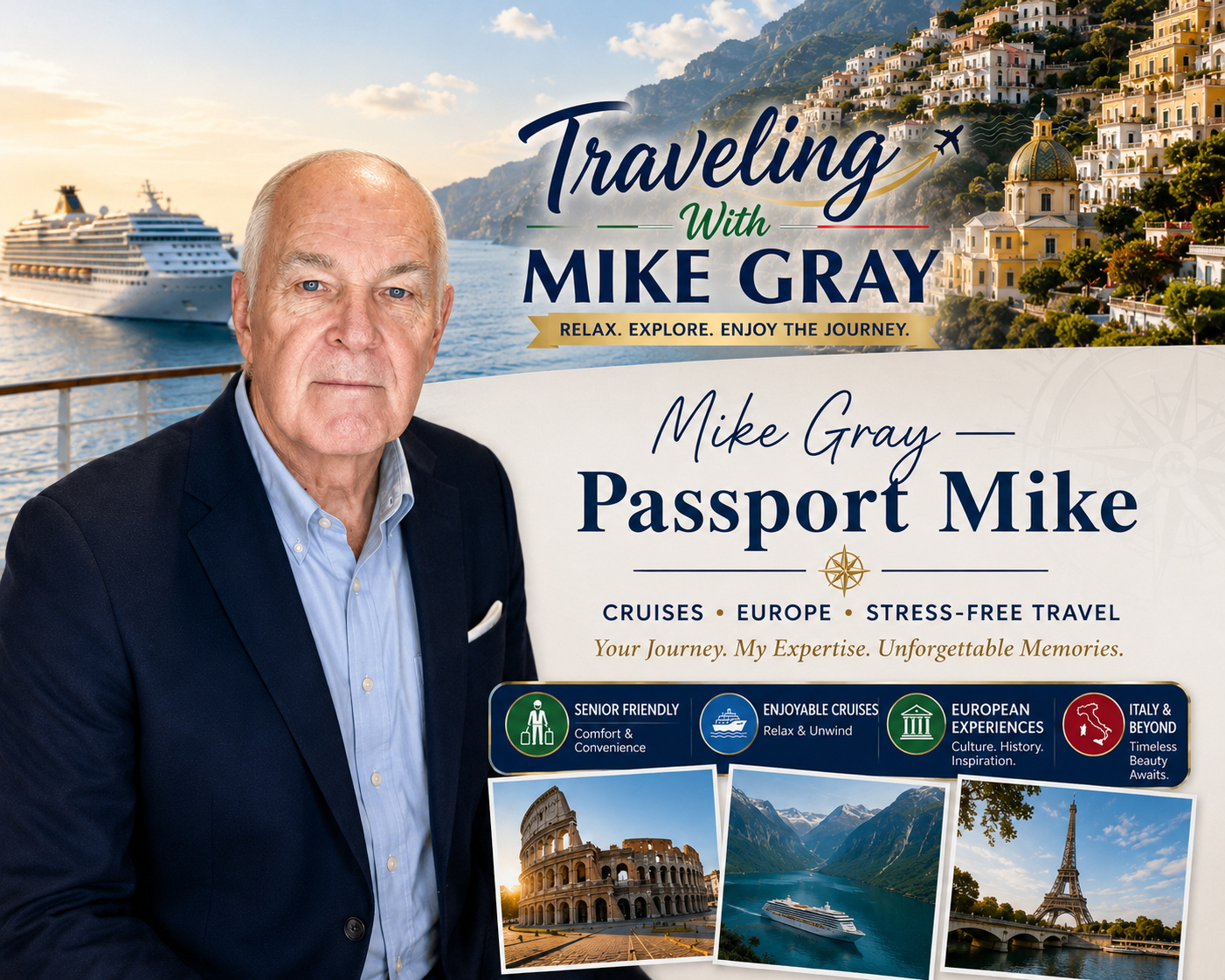
I help travelers save time, avoid common mistakes, and enjoy stress-free vacations. Whether you’re planning a cruise, a European tour, or your next bucket-list trip, I’d love to help.
Visit www.//mikegray.cruisebrothers.com/cb to learn more, or contact me today to start planning your next adventure. Your stress-free journey begins here.
Leave a Comment