
Airport Timing Guide: How Early Is Too Early (And Too Late) for Every Flight Type
We’ve all been there – standing in an empty terminal at 4 AM wondering if we’ve overdone it, or sprinting through security with our boarding pass clutched in sweaty palms. Getting airport timing right feels like an art form, and honestly, it kind of is. The truth is, there’s no one-size-fits-all answer, but there are definitely some smart guidelines that can save you from both boredom and panic attacks.
Whether you’re a nervous first-time flyer who arrives three hours early for a domestic hop or a seasoned traveler who cuts it dangerously close, understanding the nuances of airport timing can transform your travel experience. Let’s dive into the sweet spot for every type of flight, because your sanity (and your departure time) depends on it.
Domestic Flight Timing: The Two-Hour Rule and Its Exceptions
For most domestic flights within the United States, the standard recommendation is to arrive two hours before departure. This gives you a comfortable buffer for check-in, security screening, and that inevitable coffee run. But here’s where it gets interesting – this rule isn’t set in stone.
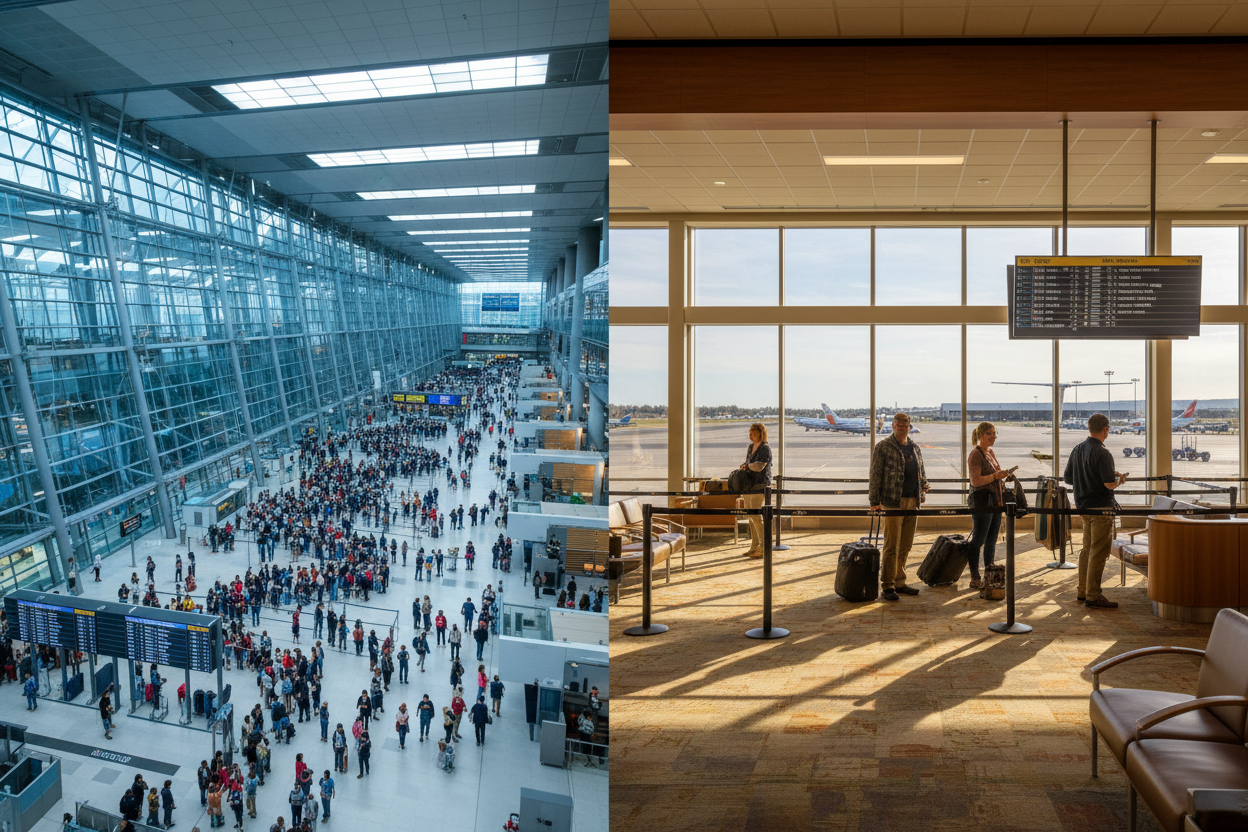
If you’re flying out of a smaller regional airport on a Tuesday morning, you might find yourself twiddling your thumbs for an hour after breezing through security in fifteen minutes. Conversely, departing from LAX or JFK during peak travel times might make that two-hour window feel impossibly tight.
The smart approach? Consider your departure airport’s size and reputation. Major hubs like Atlanta, Chicago O’Hare, or Denver can be unpredictable beasts, especially during holidays or weather events. I’ve seen security lines at Denver that stretched for what felt like miles during spring break season. On the flip side, flying out of smaller cities like Boise or Burlington often means you can arrive 90 minutes early and still have time to spare.
Your airline status and check-in method also matter tremendously. If you’re checking bags and don’t have elite status, add extra time. If you’re traveling with just a carry-on and have TSA PreCheck, you can often cut your arrival time down significantly.
International Flight Arrival Guidelines: When Three Hours Isn’t Enough
International travel is where things get seriously complicated, and the standard three-hour recommendation is really just a starting point. The complexity of international departures – from additional security screenings to customs documentation – means you need to think several steps ahead.
Flying to Europe from the East Coast during summer vacation season? Three hours might barely cut it. But catching a red-eye to London from a smaller airport in February? You could probably manage with two and a half hours and still have time for a proper meal.
The destination matters more than you might think. Flights to certain countries require additional security measures or documentation checks. I learned this the hard way when flying to Israel – what I thought would be routine check-in turned into an extensive interview process that added an extra hour to my airport time.
Consider also that international terminals are often located farther from main airport entrances, and the gates themselves might require additional shuttle transportation. Nothing’s worse than making it through security only to discover your gate is a twenty-minute train ride away.
Peak Travel Season Considerations: Holiday and Summer Rush Strategies
Peak travel seasons throw all the normal rules out the window. During Thanksgiving week, Christmas holidays, or summer vacation peak, even domestic flights can require international-level timing. The sheer volume of travelers can turn normally efficient airports into slow-moving bottlenecks.
I’ve witnessed security lines at Orlando during spring break that took over two hours to clear, and that’s with multiple checkpoints running at full capacity. During these periods, arriving three hours early for domestic flights isn’t paranoid – it’s practical.
The key is monitoring your specific airport’s social media accounts and websites during peak periods. Many airports now provide real-time security wait times, which can be incredibly helpful for timing your arrival. Some even offer apps that let you track current conditions and plan accordingly.
Weather also plays a huge role during these busy periods. A snowstorm in Chicago doesn’t just affect Chicago flights – it creates ripple effects throughout the entire system, leading to delays, cancellations, and rebooking chaos that can overwhelm airport services nationwide.
Airport Size and Security Factors: From Regional Hubs to Major Terminals
Not all airports are created equal, and understanding your departure airport’s personality can save you hours of unnecessary waiting or last-minute stress. Regional airports often feel like a different world compared to major international hubs.
Take Burlington, Vermont’s airport versus Los Angeles International. In Burlington, you can park, check in, clear security, and be at your gate in under thirty minutes on most days. Try that at LAX and you’ll likely miss your flight. The infrastructure, staffing levels, and passenger volumes create completely different experiences.
Security checkpoint efficiency varies dramatically too. Some airports have invested heavily in newer technology and streamlined processes, while others still rely on older systems that create bottlenecks. TSA PreCheck and Clear can be game-changers at busy airports but might be overkill at smaller facilities where regular security moves quickly anyway.
Terminal layout matters more than most people realize. Some airports require you to take trains between terminals, while others have everything connected by walkways. If you’re not familiar with your departure airport, spend a few minutes researching its layout online. Many airport websites include detailed maps and transportation information that can help you plan your timing more accurately.
Special Circumstances: Connecting Flights, Group Travel, and Business Class
Certain travel situations require completely different timing strategies. Connecting flights, for instance, add layers of complexity that can’t be solved by simply arriving early to your origin airport. You need to consider minimum connection times, potential delays, and the possibility of gate changes at your connection point.
Group travel presents its own challenges. Even if you’re all experienced travelers individually, coordinating multiple people through airport processes takes longer than you’d expect. Someone always forgets something, needs to use the restroom, or has trouble with their boarding pass. Build in extra buffer time when traveling with others.
Business and first-class passengers often have access to priority check-in, security lanes, and boarding, which can significantly reduce required arrival times. However, don’t assume these perks will save you during peak travel periods when even priority lanes can be backed up.
Travelers with special needs, whether mobility assistance, traveling with infants, or carrying special equipment, should always allow extra time. These services, while generally excellent, require coordination that can add thirty minutes or more to your airport process.
Technology Tools and Real-Time Updates: Making Smarter Timing Decisions
Modern technology has revolutionized how we can approach airport timing. Gone are the days when you had to guess security wait times or hope for the best with traffic conditions. Smart travelers now have access to real-time information that can help optimize their arrival timing.
Many airports provide live security wait time updates through their websites or dedicated apps. Some cities offer traffic and public transportation apps that can help you time your departure from home more accurately. Flight tracking apps can alert you to delays or gate changes before you even leave for the airport.
The key is using these tools proactively rather than reactively. Check security wait times the night before your flight and again in the morning. Monitor your flight status starting 24 hours before departure. Set up alerts for any changes to your flight details.
However, don’t become overly dependent on technology. Apps can crash, websites can be outdated, and real-time information isn’t always accurate. Use technology as a guide, but always maintain a reasonable buffer for the unexpected.
Finding Your Personal Sweet Spot: Balancing Efficiency with Peace of Mind
Ultimately, the perfect airport arrival time is deeply personal and depends on your travel experience, stress tolerance, and specific circumstances. Some people genuinely prefer arriving early and using airport time to relax, catch up on work, or enjoy a leisurely meal. Others find excessive airport time wasteful and prefer to maximize their time at home or their destination.
The key is honest self-assessment. Are you someone who gets anxious about potentially missing flights, or do you thrive on cutting things close? Do you have TSA PreCheck and elite airline status, or are you navigating airports with standard procedures? Are you traveling during peak season to a busy hub, or taking a quiet Tuesday flight from a regional airport?
Consider keeping a travel journal noting your actual airport experiences – how long security took, whether your flight was delayed, how much extra time you had. Over time, you’ll develop a personal database that helps you make better timing decisions for future trips.
Remember that being slightly early is almost always better than being even slightly late. The stress of potentially missing a flight far outweighs the minor inconvenience of having extra time at the airport. And honestly, modern airports offer enough amenities that extra time doesn’t have to be wasted time.
The perfect airport timing isn’t about following rigid rules – it’s about understanding all the variables that affect your specific journey and making informed decisions based on your personal travel style. Whether you’re the type who arrives three hours early with a good book or someone who prefers to minimize airport time, the key is planning intentionally rather than hoping for the best. Safe travels, and may your timing always be just right.
Your Stress-Free Journey Begins Here”
Planning a vacation doesn’t have to be overwhelming.
I help travelers save time, avoid common mistakes, and enjoy stress-free vacations. Whether you’re planning a cruise, a European tour, or your next bucket-list trip, I’d love to help.
Visit www.//mikegray.cruisebrothers.com/cb to learn more, or contact me today to start planning your next adventure. Your stress-free journey begins here.
Leave a Comment