Travel Insurance Decoded: When It’s Worth It and When to Skip It
Picture this: You’re standing at the airport check-in counter, bags packed and passport in hand, when the airline agent casually mentions your flight has been cancelled due to mechanical issues. Or imagine being halfway through your dream European vacation when you slip on cobblestones and end up in a foreign hospital with a broken ankle. These scenarios might sound like travel nightmares, but they happen more often than you’d think. This is where travel insurance enters the picture – but is it always worth the extra cost?
Travel insurance can be a financial lifesaver or an unnecessary expense, depending on your specific situation. The key lies in understanding what it covers, when it makes sense to purchase it, and when you might be better off saving your money. Let’s break down everything you need to know about travel insurance so you can make informed decisions for your next adventure.

Understanding Travel Insurance Basics
Travel insurance is essentially a safety net that protects you from unexpected financial losses while traveling. Think of it as a backup plan for when things go sideways – and trust me, they sometimes do. Most policies combine several types of coverage into one package, though you can often customize what you need.
The most common types of coverage include trip cancellation and interruption, which reimburses you for prepaid, non-refundable expenses if you need to cancel or cut short your trip for covered reasons. Medical coverage handles emergency healthcare costs abroad, while evacuation coverage pays for emergency transportation to adequate medical facilities. Baggage protection covers lost, stolen, or delayed luggage, and travel delay coverage reimburses additional expenses when flights are delayed or cancelled.
What many travelers don’t realize is that travel insurance policies vary dramatically in their terms, conditions, and exclusions. Some policies are quite comprehensive, while others offer bare-bones protection. The devil, as they say, is in the details.
When Travel Insurance Makes Perfect Sense
There are certain situations where purchasing travel insurance is almost a no-brainer. If you’re taking an expensive trip – say, a $5,000 safari in Africa or a luxury cruise – the potential financial loss from cancellation could be significant. The peace of mind alone might be worth the premium, which typically runs between 4-8% of your total trip cost.
International travelers should seriously consider medical coverage, especially when visiting countries where healthcare costs are high or medical facilities are limited. Your domestic health insurance might not cover you abroad, and even if it does, you could face substantial out-of-pocket expenses. I learned this lesson the hard way during a trip to Switzerland, where a simple doctor’s visit for food poisoning cost me nearly $400.
Travelers with pre-existing medical conditions often find travel insurance invaluable. Many policies will cover complications related to pre-existing conditions if you purchase coverage within a specific timeframe after making your initial trip deposit – usually within 14-21 days.
Adventure travelers engaging in activities like skiing, scuba diving, or mountain climbing should definitely consider coverage. Standard health insurance often excludes injuries from these activities, and medical evacuation from remote locations can cost tens of thousands of dollars.
If you’re traveling during hurricane season, winter storm season, or to regions with political instability, trip cancellation coverage becomes much more attractive. Weather-related cancellations are among the most common claims, and having coverage can save you thousands in non-refundable expenses.
When You Might Want to Skip Travel Insurance
Travel insurance isn’t always necessary, and there are situations where you might reasonably choose to skip it. If you’re taking a relatively inexpensive domestic trip and can afford to lose the money you’ve invested, self-insuring might make more sense. For instance, a weekend getaway that costs $500 total might not warrant a $40 insurance premium.
Travelers who already have robust coverage through other sources might find travel insurance redundant. Some premium credit cards offer excellent travel protection benefits, including trip cancellation coverage, baggage protection, and emergency medical coverage. Check your credit card benefits before purchasing separate coverage – you might already be protected.
If you have comprehensive health insurance that covers you internationally and you’re comfortable with the potential financial risk, you might skip the medical portion of travel insurance. However, be absolutely certain about your existing coverage before making this decision.
Business travelers who travel frequently might find that their company’s travel policies or their frequent traveler status provides adequate protection. Many airlines and hotels offer flexible cancellation policies for elite members, reducing the need for separate insurance.
Travelers booking refundable accommodations and flights might not need comprehensive trip cancellation coverage. If you can cancel your bookings without penalty, the main value of travel insurance shifts to medical and emergency coverage.
Key Factors to Consider Before Purchasing
Several factors should influence your travel insurance decision. Your destination plays a crucial role – traveling to countries with excellent, affordable healthcare systems presents different risks than visiting remote locations with limited medical facilities. Research healthcare costs and quality at your destination before deciding on coverage levels.
The timing of your trip matters significantly. Traveling during peak hurricane season in the Caribbean or during political tensions in certain regions increases the likelihood of needing to use your coverage. Consider seasonal risks and current events when evaluating whether insurance makes sense.
Your personal risk tolerance is perhaps the most important factor. Some people sleep better at night knowing they’re covered for every possible scenario, while others are comfortable assuming certain risks. There’s no right or wrong approach – it’s about what works for your situation and peace of mind.
The total cost of your trip relative to your financial situation is another key consideration. If losing the money you’ve invested in your trip would cause genuine financial hardship, insurance becomes more attractive. If you can easily absorb the loss, you might choose to self-insure.
Consider the activities you’ll be doing and the accommodations you’ve booked. Staying in major hotel chains with flexible cancellation policies reduces your risk compared to booking non-refundable vacation rentals. Similarly, planning low-risk activities versus adventure sports affects your insurance needs.
Common Travel Insurance Myths Debunked
Let’s clear up some widespread misconceptions about travel insurance. First, many people believe that travel insurance covers everything that could go wrong on a trip. In reality, policies have numerous exclusions, and “cancel for any reason” coverage typically only reimburses 75% of your costs and must be purchased within a short window after your initial trip deposit.
Another common myth is that you can purchase travel insurance anytime before your trip. While you can buy basic coverage up until the day of departure, the most valuable benefits – like pre-existing medical condition coverage and cancel for any reason protection – often require purchase within 14-21 days of your initial trip deposit.
Some travelers assume their regular health insurance provides adequate international coverage. While some plans do offer international benefits, many don’t, and even those that do might not cover emergency evacuation or repatriation costs.
There’s also a misconception that travel insurance is prohibitively expensive. In reality, basic coverage typically costs 4-8% of your total trip cost. For a $2,000 trip, you might pay $80-160 for comprehensive coverage, which many travelers find reasonable for the protection provided.
Making the Right Decision for Your Next Trip
Deciding whether to purchase travel insurance ultimately comes down to evaluating your specific circumstances, risk tolerance, and the potential financial impact of trip-related problems. Start by honestly assessing what you could afford to lose if something went wrong. If the answer makes you uncomfortable, insurance probably makes sense.
Research your destination thoroughly, including healthcare costs, political stability, and seasonal risks. Check what coverage you already have through credit cards, health insurance, and employer policies. Calculate the total cost of your trip and compare it to the insurance premium to determine if the protection justifies the expense.
Remember that travel insurance is most valuable for protecting against large, unexpected expenses rather than minor inconveniences. Focus on coverage that protects you from scenarios that could cause genuine financial hardship or put your health at risk.
When in doubt, consider starting with basic medical and evacuation coverage, which provides protection against the most catastrophic potential expenses. You can always add trip cancellation coverage if your circumstances warrant it.
Travel insurance isn’t a one-size-fits-all decision. What makes sense for a luxury honeymoon in Europe might be overkill for a domestic weekend trip. By understanding what travel insurance covers, when it provides genuine value, and when you might reasonably skip it, you can make informed decisions that protect both your wallet and your peace of mind. The goal isn’t to eliminate all risk – it’s to manage risk intelligently while still enjoying the incredible experiences that travel provides.
Your Stress-Free Journey Begins Here”
Planning a vacation doesn’t have to be overwhelming.
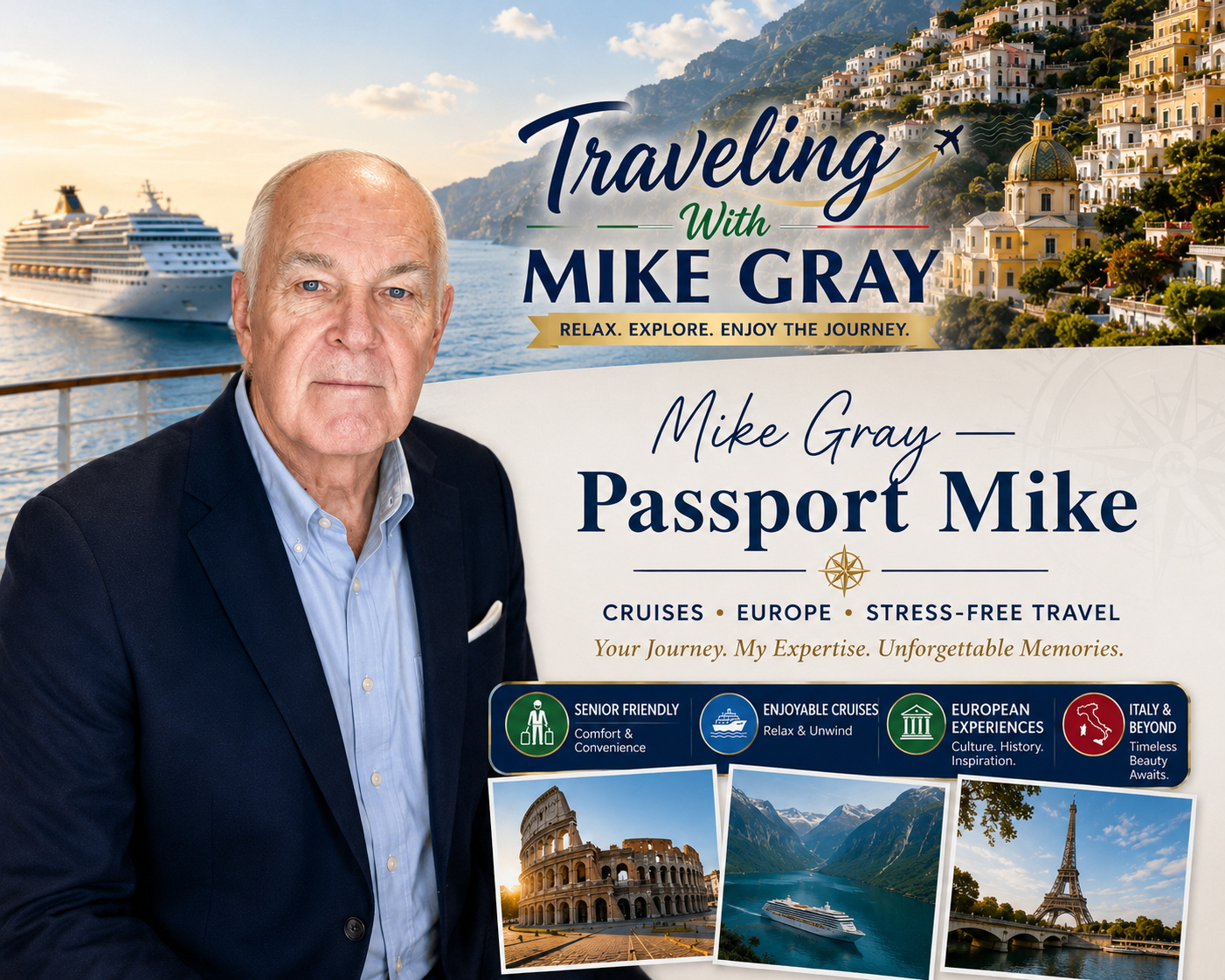
I help travelers save time, avoid common mistakes, and enjoy stress-free vacations. Whether you’re planning a cruise, a European tour, or your next bucket-list trip, I’d love to help.
Visit www.//mikegray.cruisebrothers.com/cb to learn more, or contact me today to start planning your next adventure. Your stress-free journey begins here.
Leave a Comment