
Italy’s Art Cities: A Comprehensive Cultural Travel Itinerary
Italy stands as a living museum, where every cobblestone street whispers tales of artistic genius and cultural revolution. From the Renaissance masterpieces of Florence to the ancient Roman treasures scattered throughout the peninsula, Italy’s art cities offer travelers an unparalleled journey through centuries of human creativity. This comprehensive cultural travel itinerary will guide you through the most significant artistic destinations, helping you craft an unforgettable Italian adventure that satisfies both art enthusiasts and casual admirers alike.
Planning a cultural tour of Italy requires careful consideration of timing, logistics, and priorities. The country’s artistic heritage spans millennia, encompassing everything from Byzantine mosaics to contemporary installations. Whether you have two weeks or two months, this guide will help you maximize your cultural experience while navigating Italy’s most treasured art cities with confidence and purpose.
Florence: The Birthplace of Renaissance Art
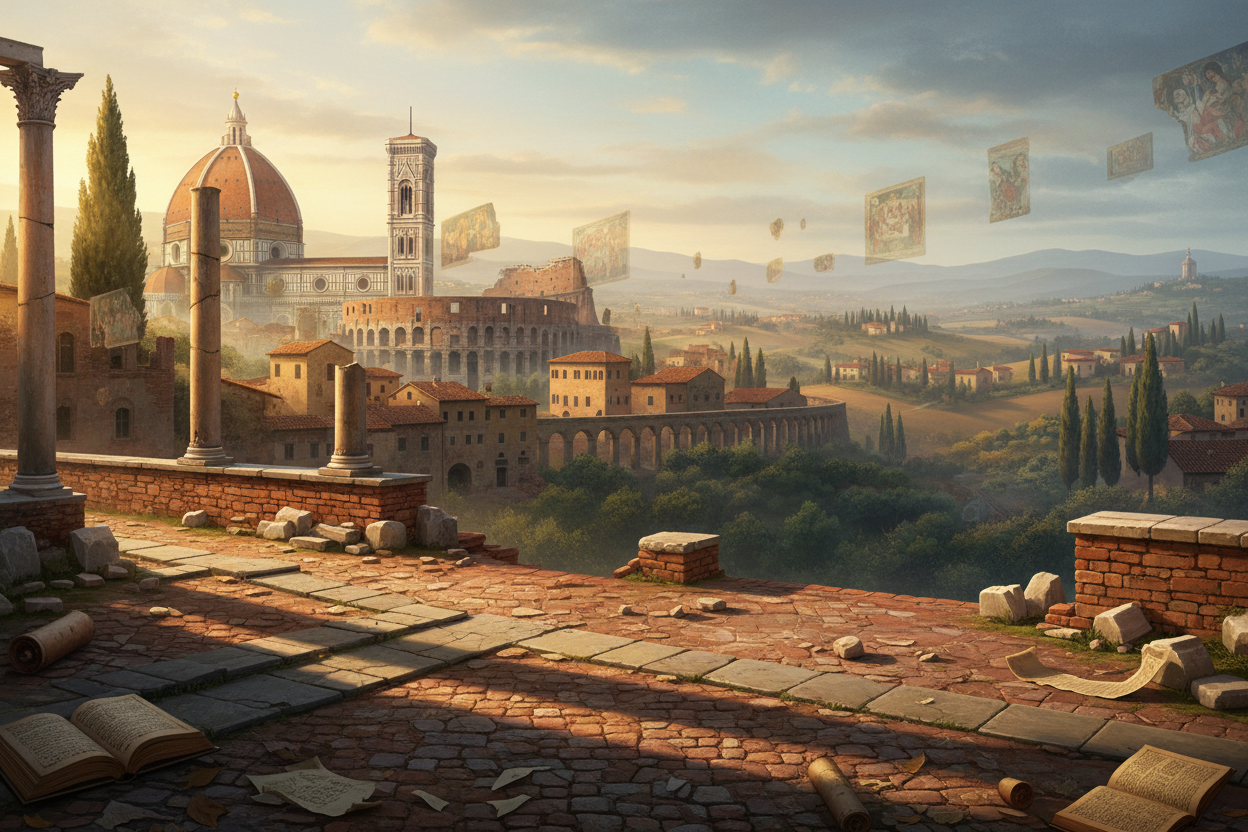
Florence rightfully claims its position as the crown jewel of Italy’s art cities. This Tuscan capital birthed the Renaissance movement and continues to house some of the world’s most celebrated artistic treasures. Your Florentine adventure should begin at the Uffizi Gallery, where Botticelli’s “Birth of Venus” and da Vinci’s “Annunciation” await your admiration. Book tickets well in advance, as this world-renowned museum attracts millions of visitors annually.
The Accademia Gallery deserves equal attention, primarily for Michelangelo’s magnificent “David.” Standing before this 17-foot marble masterpiece provides an almost spiritual experience that photographs simply cannot capture. Beyond these famous venues, Florence’s artistic soul permeates every corner of the city. The Palazzo Pitti complex houses multiple museums showcasing everything from Palatine Gallery paintings to contemporary fashion exhibitions.
Don’t overlook Florence’s architectural marvels, which serve as outdoor art galleries. The Cathedral of Santa Maria del Fiore, with Brunelleschi’s revolutionary dome, represents a triumph of Renaissance engineering and artistic vision. Climbing to the top rewards visitors with breathtaking panoramic views of the red-tiled cityscape below.
Rome: Ancient Art Meets Eternal Beauty
Rome presents a unique artistic tapestry where ancient Roman sculptures coexist with Baroque masterpieces and contemporary installations. The Vatican Museums alone could occupy several days of exploration, housing the Sistine Chapel with Michelangelo’s legendary ceiling frescoes and “The Last Judgment.” The sheer scale and artistic significance of these works continue to inspire visitors from around the globe.
The Capitoline Museums offer an excellent introduction to ancient Roman art, featuring the original Marcus Aurelius equestrian statue and the haunting beauty of the Dying Gaul. These collections provide crucial context for understanding how Roman artistic traditions influenced subsequent European art movements.
Rome’s churches function as free art galleries, each containing centuries of artistic accumulation. Santa Maria sopra Minerva houses Michelangelo’s “Christ the Redeemer,” while San Luigi dei Francesi displays Caravaggio’s dramatic Saint Matthew cycle. The interplay of natural light and artistic composition in these sacred spaces creates an atmosphere that commercial galleries struggle to replicate.
Venice: Byzantine Splendor and Renaissance Innovation
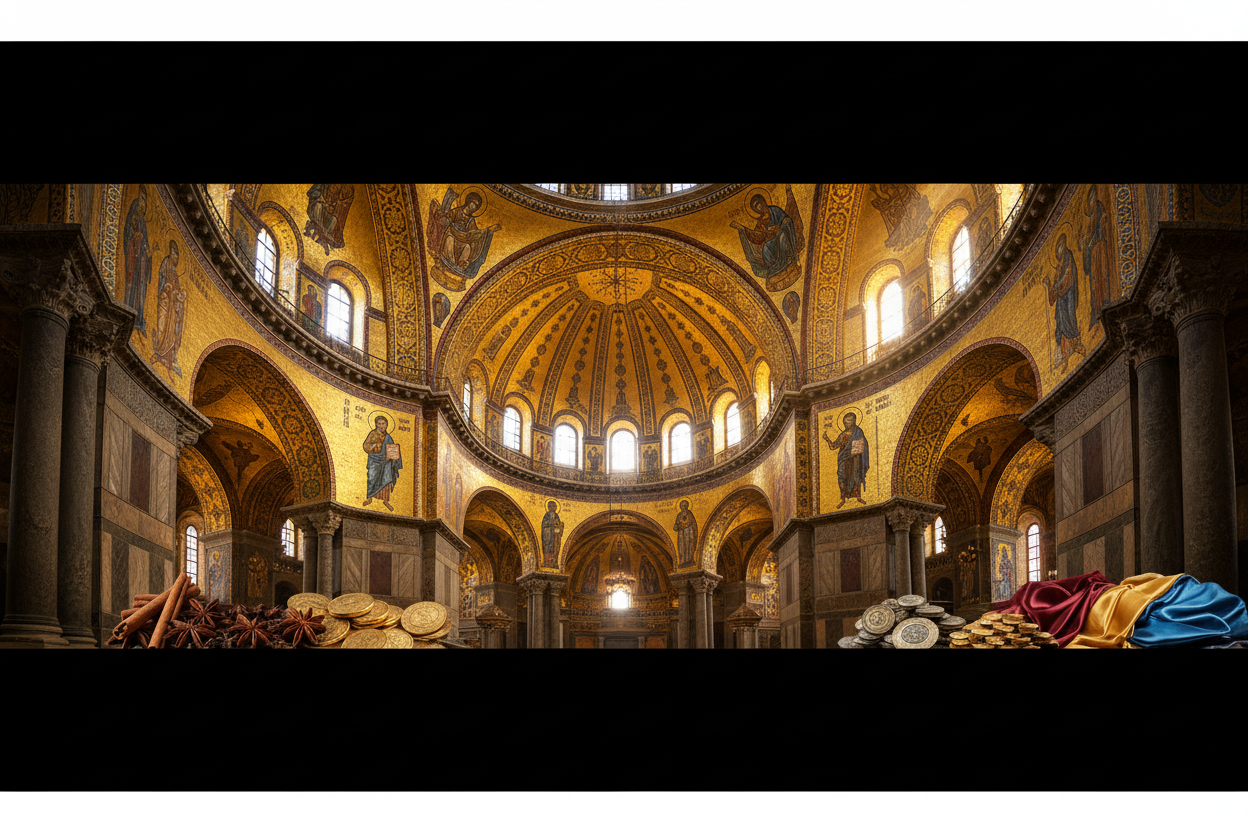
Venice offers a distinctly different artistic experience, shaped by its unique position as a bridge between East and West. The city’s Byzantine heritage shines most brilliantly in St. Mark’s Basilica, where golden mosaics create an otherworldly atmosphere that has captivated visitors for over a thousand years. The intricate craftsmanship of these ancient artworks demonstrates the sophisticated artistic exchanges that occurred along medieval trade routes.
The Doge’s Palace showcases Venetian artistic achievement at its peak, with Tintoretto’s massive “Paradise” covering an entire wall of the Great Council Chamber. This painting, one of the world’s largest oil paintings, exemplifies the grandeur and ambition of Venetian Renaissance art.
Venice’s numerous churches and palazzos house remarkable art collections often overlooked by hurried tourists. The Scuola Grande di San Rocco contains Tintoretto’s complete cycle of paintings depicting scenes from the Old and New Testaments, creating an immersive artistic environment that rivals any modern multimedia experience.
Milan: Modern Art Meets Classical Tradition
Milan successfully balances its reputation as a fashion capital with significant contributions to Italy’s artistic heritage. The Pinacoteca di Brera houses one of Italy’s most important art collections, featuring works by Mantegna, Bellini, and Caravaggio. The gallery’s intimate setting allows for close examination of masterpieces without the overwhelming crowds found in larger museums.
La Scala’s museum offers insight into the intersection of visual and performing arts, displaying costumes, set designs, and musical instruments that have shaped centuries of operatic tradition. The theater itself, when performances permit public access, represents a masterpiece of neoclassical architecture and acoustic engineering.
Contemporary art enthusiasts should explore the Fondazione Prada, where cutting-edge exhibitions challenge traditional artistic boundaries. This venue demonstrates Milan’s commitment to fostering artistic innovation while respecting its cultural heritage.
Bologna: Hidden Artistic Treasures
Bologna often gets overlooked in favor of more famous Italian destinations, yet this Emilian city houses extraordinary artistic treasures that reward curious travelers. The Pinacoteca Nazionale contains works by the Carracci family and other masters of the Bolognese school, whose influence on Baroque art cannot be overstated.
The city’s medieval towers and porticoed streets create a unique architectural landscape that has remained remarkably unchanged for centuries. San Petronio Basilica features stunning frescoes and houses one of the world’s longest sundials, demonstrating the Renaissance fusion of art and science.
Bologna’s university, one of Europe’s oldest, maintains art collections that reflect centuries of academic and cultural exchange. The Anatomical Theatre, with its intricate wooden carvings and historical significance, represents a fascinating intersection of medical science and artistic craftsmanship.
Planning Your Italian Art Cities Itinerary
Successfully navigating Italy’s art cities requires strategic planning and realistic expectations. Consider purchasing museum passes where available, as they often include skip-the-line privileges and access to multiple venues. The Roma Pass and Firenze Card can provide significant savings and convenience for art-focused travelers.
Transportation between cities is generally efficient and comfortable, with high-speed trains connecting major destinations. However, allow sufficient time in each location to absorb the artistic richness without feeling rushed. Art appreciation benefits from a leisurely pace that allows for reflection and discovery.
Seasonal considerations play a crucial role in planning your itinerary. Summer months bring larger crowds but longer daylight hours, while spring and fall offer more comfortable weather and fewer tourists. Winter visits can be particularly rewarding, as reduced crowds allow for more intimate encounters with famous artworks.
Maximizing Your Cultural Experience
Enhancing your appreciation of Italian art requires some preparation and openness to learning. Consider reading about the historical contexts surrounding major artworks and artistic movements before your visit. Understanding the political, religious, and social circumstances that influenced artistic creation deepens the viewing experience significantly.
Local guides can provide invaluable insights that guidebooks cannot match. Many cities offer specialized art tours led by art historians or local experts who share fascinating stories and details about famous works and lesser-known treasures.
Don’t limit yourself to famous museums and monuments. Italy’s artistic heritage extends to markets, cafes, and residential neighborhoods where contemporary artists continue creating and exhibiting their work. Street art, artisan workshops, and local galleries provide glimpses into Italy’s ongoing artistic evolution.
Italy’s art cities offer an incomparable journey through human creative achievement, where every street corner reveals new wonders and ancient masterpieces continue inspiring contemporary artists. This comprehensive cultural itinerary provides a framework for exploration, but the true magic lies in personal discovery and the unexpected moments of beauty that make Italian travel so memorable. Whether you spend weeks or months exploring these artistic treasures, Italy’s cultural cities will leave you with a deeper appreciation for art’s power to transcend time and touch the human soul. The key to a successful Italian art tour lies in balancing must-see masterpieces with personal exploration, allowing both planned visits and serendipitous discoveries to shape your unforgettable cultural adventure.
Leave a Comment