
How to Beat Flight Delays: 8 Proven Strategies from Aviation Experts
Nothing ruins travel plans quite like a flight delay. Whether you’re rushing to catch a connecting flight, heading to an important business meeting, or simply eager to start your vacation, delays can turn what should be an exciting journey into a stressful ordeal. The good news? Aviation experts have developed proven strategies that can help you minimize delays and handle them more effectively when they do occur.
After speaking with airline professionals, frequent business travelers, and aviation industry insiders, we’ve compiled eight battle-tested strategies that can significantly improve your chances of staying on schedule. These aren’t just theoretical tips – they’re practical solutions that seasoned travelers use every day to navigate the complex world of air travel.
Understanding the Root Causes of Flight Delays
Before diving into solutions, it’s crucial to understand why flights get delayed in the first place. Weather accounts for nearly 70% of all delays, followed by air traffic control issues, mechanical problems, and crew scheduling conflicts. Airlines also face challenges with airport congestion, especially during peak travel seasons.
The ripple effect of delays means that a morning weather issue in Chicago can impact flights across the entire country by evening. This interconnected nature of air travel is why proactive planning becomes so essential for smart travelers.
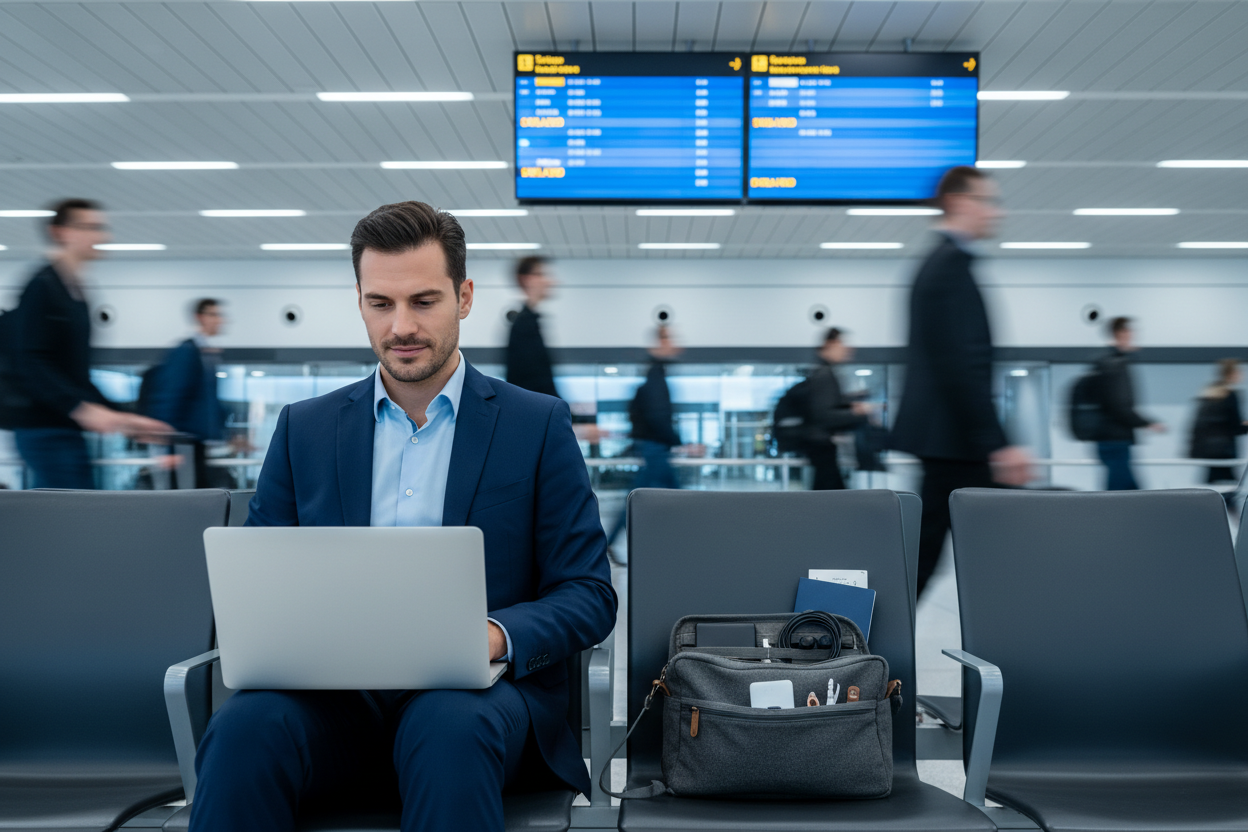
Strategy 1: Master the Art of Strategic Flight Booking
Your first line of defense against delays begins before you even purchase your ticket. Aviation experts consistently recommend booking the earliest flight of the day, typically departing between 6 AM and 8 AM. These flights have the highest on-time performance rates because they haven’t been affected by the cascade of delays that often build throughout the day.
Additionally, choose nonstop flights whenever possible. While connecting flights might save money, they exponentially increase your chances of experiencing delays. If you must connect, allow at least 90 minutes for domestic connections and three hours for international ones – far more than the minimum connection times airlines advertise.
Consider flying on Tuesdays, Wednesdays, or Saturdays, which historically have fewer delays than Mondays and Fridays. Airport choice matters too; smaller airports often have better on-time performance than major hubs, though they may offer fewer flight options.
Strategy 2: Leverage Technology for Real-Time Intelligence
Modern travelers have access to unprecedented amounts of real-time flight information, but most don’t know how to use it effectively. Download your airline’s official app, but don’t stop there. Third-party apps like FlightAware, FlightRadar24, and App in the Air often provide more detailed information about delays, including historical performance data for specific routes.
Set up multiple notification systems. Enable push notifications from your airline app, but also sign up for text and email alerts. Sometimes one system fails while others continue working. Check your flight status starting 24 hours before departure, not just on the day of travel.
Pro tip from frequent flyers: Follow your aircraft’s journey before your flight. If the plane scheduled for your route is currently delayed somewhere else, you’ll know about potential issues before the airline officially announces them.
Strategy 3: Build Strategic Relationships with Airline Staff
Experienced travelers know that kindness and preparation go a long way when dealing with airline personnel. Gate agents and customer service representatives deal with frustrated passengers all day, so approaching them with patience and understanding can work wonders for your situation.
When delays occur, don’t immediately join the long line of angry passengers at the gate. Instead, call the airline’s customer service line while simultaneously using their mobile app to explore rebooking options. Often, phone representatives have access to more flights and solutions than gate agents.
If you’re a frequent flyer with status, don’t hesitate to mention it politely. Elite status members often receive priority rebooking and better accommodation options during irregular operations. Even if you don’t have status, mentioning that you’re a loyal customer who flies the airline regularly can sometimes help.
Strategy 4: Perfect Your Backup Plan Development
Aviation experts never travel with just one plan. Before leaving for the airport, research alternative flights on your airline and competitors. Know which other airlines serve your destination and what their schedules look like. This preparation allows you to act quickly when delays occur.
Identify alternative airports within reasonable driving distance of your destination. For example, if you’re flying to New York City, consider flights into Newark, LaGuardia, or JFK. Sometimes switching airports can save hours of delay time.
Keep a list of important phone numbers saved in your phone: your airline’s customer service, hotel reservations, car rental companies, and anyone expecting your arrival. Having these readily available reduces stress when you need to make quick changes.
Strategy 5: Optimize Your Airport Arrival and Navigation
Contrary to popular belief, arriving extremely early doesn’t prevent delays, but it does give you more options when they occur. Arrive early enough to potentially catch an earlier flight if yours gets delayed. Many airlines allow same-day flight changes for a fee, or sometimes free for elite members.
Learn your departure airport’s layout before traveling. Know where alternative airline counters are located in case you need to switch carriers. Familiarize yourself with ground transportation options – if your flight gets cancelled, you might need to drive or take a train to your destination.
Consider investing in airport lounge access through credit cards or day passes. Lounges provide a comfortable space to work during delays, often have better WiFi, and lounge staff can sometimes assist with rebooking when airline counters are overwhelmed.
Strategy 6: Navigate Rebooking Like a Professional
When delays turn into cancellations, knowing how to rebook efficiently separates experienced travelers from frustrated amateurs. Use the airline’s mobile app first – it’s often faster than waiting in line. If the app doesn’t show suitable options, that’s when you call customer service or visit the counter.
Be flexible with your rebooking requests. Instead of insisting on the same destination airport, ask about alternatives. Consider different departure times, even if they’re not ideal. Sometimes flying to a nearby city and driving the final leg is faster than waiting for the next direct flight.
Understand your rights as a passenger. In the United States, airlines must provide meal vouchers for delays over three hours and hotel accommodation for overnight delays caused by factors within their control. European passengers have even stronger protections under EU261 regulations.
Strategy 7: Master Advanced Contingency Planning
Professional travelers always have a Plan B, C, and sometimes D. This means researching ground transportation alternatives before you need them. Know the train schedules between major cities, understand car rental availability at your departure airport, and identify bus routes that might work as backups.
Pack strategically for delays. Keep essential medications, a change of clothes, and important documents in your carry-on bag. Pack phone chargers, snacks, and entertainment for long waits. Consider packing a small toiletry kit – you never know when a delay might turn into an unexpected overnight stay.
Maintain flexibility in your travel schedule when possible. If you’re traveling for business, try to arrive a day early for important meetings. For leisure travel, avoid booking tight connections between flights and other activities like cruises or tours that can’t be rescheduled.
Strategy 8: Maximize Travel Insurance and Credit Card Benefits
Many travelers overlook the protection they already have through credit cards and travel insurance. Premium credit cards often include trip delay insurance that reimburses meals, hotels, and other expenses when flights are delayed beyond a certain threshold – usually 6-12 hours.
Comprehensive travel insurance can provide additional coverage for missed connections, alternative transportation costs, and even compensation for lost vacation time. Read your policy carefully to understand exactly what’s covered and how to file claims.
Some credit cards also offer trip interruption benefits that can reimburse the cost of alternative transportation if your original flight is cancelled. Keep all receipts when delays occur – you might be able to recover these costs later.
Turning Delays into Opportunities
While delays are never ideal, experienced travelers have learned to make the best of these situations. Use unexpected airport time to catch up on work, read, or simply relax. Many airports now offer excellent dining and shopping options that can make a delay more bearable.
Consider it an opportunity to explore a new airport or city if you’re stuck overnight. Some cities offer free or low-cost tours for passengers with extended layovers. Singapore’s Changi Airport, for example, provides free city tours for passengers with layovers over five hours.
Document your delay experience thoroughly. Take photos of departure boards showing delays, keep receipts for meals and accommodations, and note the names of airline staff who help you. This documentation can be valuable for insurance claims or airline compensation requests.
Conclusion: Becoming a Delay-Resistant Traveler
Flight delays will always be part of air travel, but they don’t have to ruin your trips. By implementing these eight proven strategies from aviation experts, you can significantly reduce your chances of experiencing delays and handle them more effectively when they do occur.
Remember that preparation is your best defense against delays. Book strategically, use technology wisely, maintain backup plans, and understand your rights as a passenger. Most importantly, approach delays with patience and flexibility – sometimes the unexpected detours lead to the most memorable parts of your journey.
The key to beating flight delays isn’t just about avoiding them entirely, but developing the skills and mindset to navigate them successfully when they happen. With these expert strategies in your travel toolkit, you’ll be prepared to handle whatever challenges the skies throw your way, ensuring that delays become minor inconveniences rather than major disasters.
Your Stress-Free Journey Begins Here”
Planning a vacation doesn’t have to be overwhelming.
I help travelers save time, avoid common mistakes, and enjoy stress-free vacations. Whether you’re planning a cruise, a European tour, or your next bucket-list trip, I’d love to help.
Visit www.//mikegray.cruisebrothers.com/cb to learn more, or contact me today to start planning your next adventure. Your stress-free journey begins here.
Leave a Comment