The Evolution of River Cruising: From Niche to Mainstream Travel
Remember when river cruising was something only your well-traveled aunt talked about after her latest European adventure? Those days are long gone. What once was considered a niche travel option for a select few has blossomed into one of the fastest-growing segments in the tourism industry. Today’s river cruises attract everyone from millennials seeking Instagram-worthy experiences to multi-generational families looking for stress-free vacations that please everyone.
The transformation of river cruising from an exclusive travel option to a mainstream vacation choice tells a fascinating story of innovation, changing traveler preferences, and the industry’s remarkable ability to adapt. Let’s explore how this intimate form of travel conquered the hearts of millions worldwide and why it shows no signs of slowing down.
The Humble Beginnings of River Cruising
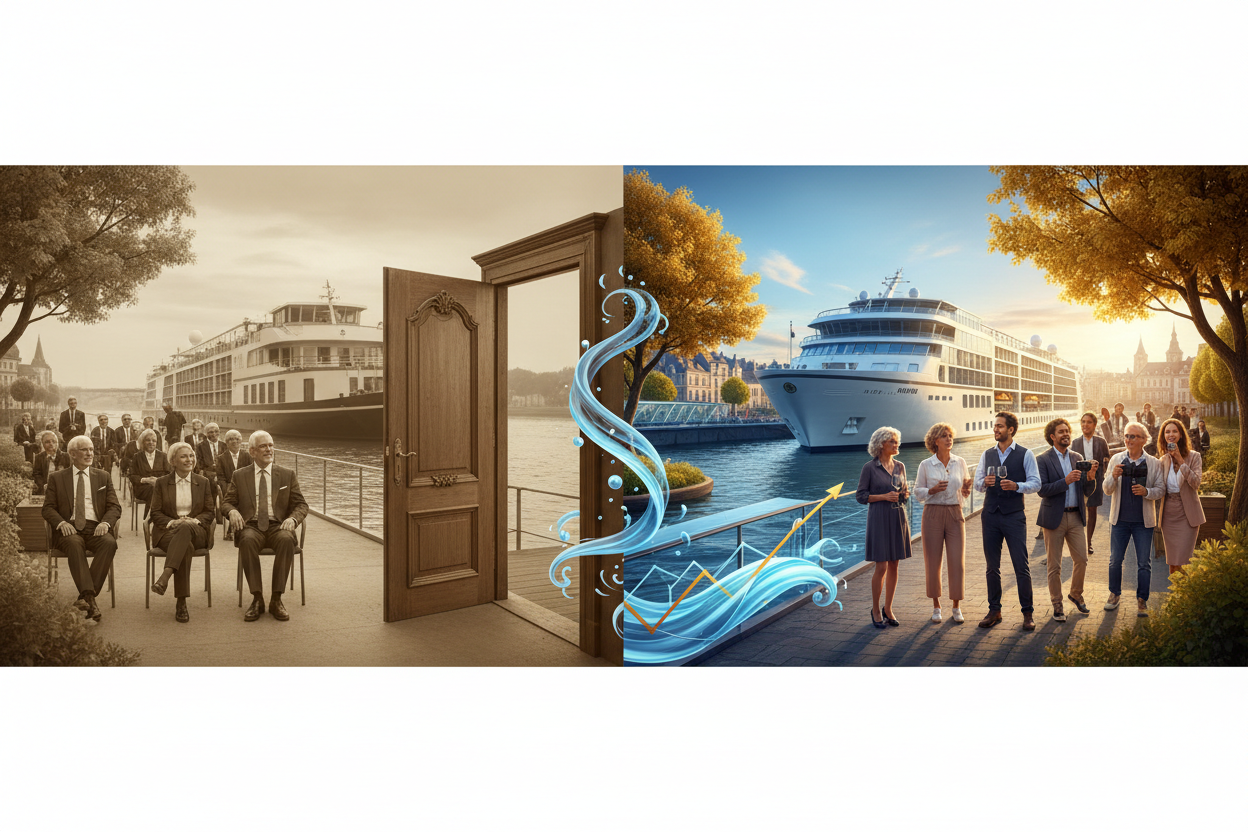
River cruising’s roots stretch back centuries, but the modern incarnation began taking shape in the 1960s and 1970s. Early river cruise operators primarily focused on Europe’s legendary waterways – the Rhine, Danube, and Seine rivers became the backbone of this emerging industry. These pioneering companies catered to a very specific demographic: affluent, mature travelers who valued cultural immersion over flashy entertainment.
The vessels themselves were modest affairs compared to today’s floating palaces. Early river cruise ships were functional rather than luxurious, often converted cargo barges with basic amenities. Passengers were typically well-educated, culturally curious individuals who didn’t mind sacrificing some comfort for the unique experience of gliding through Europe’s historic heartland.
What made these early cruises special wasn’t the onboard experience – it was the destinations. River cruising offered something ocean cruises couldn’t: the ability to dock in the heart of medieval towns and historic cities. While ocean cruise passengers were shuttled from port terminals to city centers, river cruise guests stepped directly onto cobblestone streets and into centuries-old market squares.
Breaking Into the Mainstream Market
The real turning point for river cruising came in the early 2000s when industry leaders recognized they needed to broaden their appeal. This shift coincided with several cultural and economic factors that created the perfect storm for growth. Baby boomers were reaching retirement age with more disposable income than previous generations, and their travel preferences leaned toward meaningful experiences rather than simple relaxation.
Cruise lines began investing heavily in ship design and amenities. Gone were the days of cramped cabins and basic dining options. New vessels featured spacious staterooms with floor-to-ceiling windows, gourmet restaurants helmed by renowned chefs, and spa facilities that rivaled land-based resorts. The French balcony – a floor-to-ceiling window that opens to create an outdoor feel – became a signature feature that revolutionized the river cruise experience.
Marketing strategies evolved dramatically during this period. Instead of targeting only affluent seniors, companies began appealing to younger demographics and families. They emphasized adventure, cultural discovery, and the convenience factor that resonated with time-pressed professionals seeking maximum vacation value.
Technological Innovations That Changed Everything
Technology played a crucial role in river cruising’s mainstream transformation. Modern ships incorporate sophisticated navigation systems that allow for smoother sailing and more precise docking in challenging river conditions. This technological advancement opened up new itineraries and made previously inaccessible destinations viable for regular cruise operations.
Onboard technology enhanced the passenger experience significantly. High-speed internet connectivity meant travelers could stay connected with home and share their experiences in real-time on social media. This connectivity factor proved essential in attracting younger travelers who expect seamless digital integration in their vacation experiences.
Entertainment systems evolved from basic television setups to sophisticated infotainment platforms. Passengers could access detailed destination information, book shore excursions, and even attend virtual cooking classes or language lessons from their staterooms. These technological touches transformed river cruising from a passive travel experience into an interactive journey of discovery.
Expanding Beyond European Waters
While Europe remained the crown jewel of river cruising, operators recognized the need to diversify their offerings to maintain growth momentum. The expansion into new markets represented one of the most significant developments in the industry’s evolution toward mainstream acceptance.
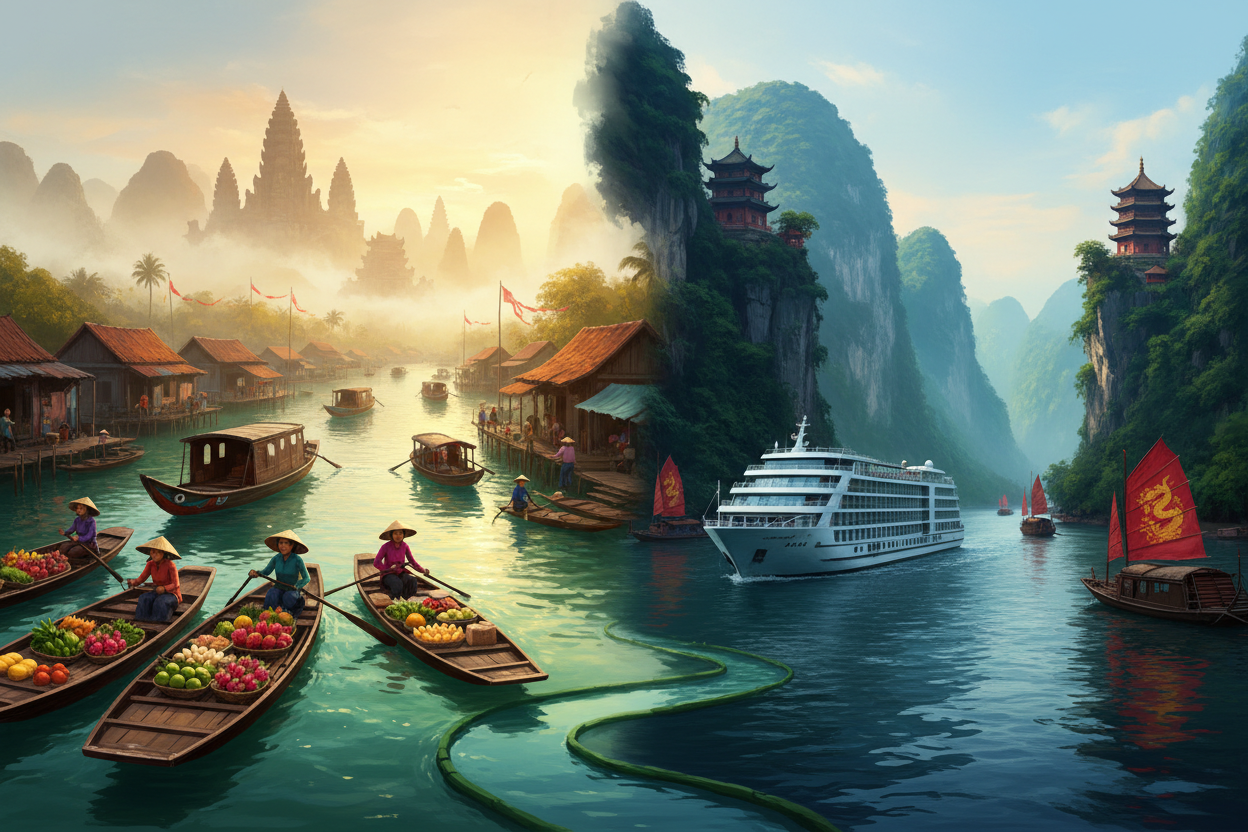
Asian river cruising opened up entirely new possibilities. The Mekong River through Vietnam and Cambodia offered exotic destinations and cultural experiences that appealed to adventurous travelers. China’s Yangtze River provided access to one of the world’s most populous countries and its rich historical heritage. These Asian itineraries attracted travelers seeking authentic cultural immersion in destinations that felt genuinely off the beaten path.
American river cruising experienced its own renaissance as operators developed itineraries along the Mississippi, Columbia, and Snake rivers. These domestic options appealed to travelers who preferred staying within the United States while still enjoying the river cruise experience. The paddlewheel steamboats that navigate these waters added a distinctly American flavor to the river cruise concept.
African river cruising, particularly along the Nile, brought archaeological wonders and ancient civilizations into the mix. These exotic itineraries positioned river cruising as a legitimate alternative to traditional safari or cultural tours, expanding the market beyond Europe-focused travelers.
The Modern River Cruise Experience
Today’s river cruise experience bears little resemblance to those early European voyages. Modern ships are engineering marvels that maximize space efficiency while providing luxury accommodations. The average river cruise ship now accommodates 150-200 passengers compared to the 50-80 capacity vessels of earlier decades.
Dining has evolved from simple continental fare to world-class culinary experiences. Many ships feature multiple restaurants, specialty dining venues, and partnerships with celebrity chefs. Wine programs showcase regional vintages, and cooking demonstrations connect passengers with local culinary traditions. This gastronomic focus appeals to food-focused travelers who view dining as an integral part of their vacation experience.
Shore excursion programs have become increasingly sophisticated and varied. While traditional city walking tours remain popular, operators now offer hiking and biking excursions, culinary tours, photography workshops, and even hot air balloon rides. This diversification attracts active travelers who might have previously dismissed river cruising as too sedentary.
Wellness programs represent another significant evolution. Modern ships feature fitness centers, yoga classes, and spa treatments that cater to health-conscious travelers. Some itineraries incorporate wellness themes, such as thermal springs visits or meditation retreats, positioning river cruising as a holistic wellness experience.
Demographic Shifts and Market Expansion
Perhaps the most dramatic change in river cruising has been its demographic transformation. While the average passenger age remains higher than other vacation types, the gap has narrowed considerably. Multi-generational travel has become increasingly common, with grandparents treating their families to river cruise vacations that offer something for everyone.
Solo travelers represent a growing segment of the river cruise market. Cruise lines have responded by reducing or eliminating single supplement fees and creating social programs that help solo travelers connect with fellow passengers. This demographic shift reflects broader changes in travel patterns as more people embrace solo exploration.
Corporate and incentive travel has discovered river cruising as a unique alternative to traditional conference settings. The intimate atmosphere and built-in networking opportunities make river cruises attractive for business groups seeking memorable experiences that combine work and pleasure.
Challenges and Future Opportunities
The river cruise industry’s rapid growth hasn’t been without challenges. Environmental concerns about river traffic and its impact on delicate ecosystems have prompted operators to invest in cleaner technologies and more sustainable practices. Many new ships feature hybrid propulsion systems and advanced wastewater treatment facilities that minimize environmental impact.
Overtourism in popular river destinations has become a pressing issue. Venice, Amsterdam, and other iconic river cruise ports have implemented restrictions on ship visits and passenger numbers. This challenge has pushed operators to develop new itineraries and highlight lesser-known destinations, ultimately benefiting travelers who seek authentic experiences away from crowded tourist centers.
The COVID-19 pandemic tested the industry’s resilience but also accelerated innovation in health and safety protocols. Enhanced air filtration systems, modified dining procedures, and flexible booking policies emerged from this challenging period and will likely remain permanent features of the river cruise experience.
The Future of River Cruising
Looking ahead, river cruising appears poised for continued growth and evolution. Expedition-style river cruising is gaining traction, with smaller vessels accessing remote waterways in destinations like the Amazon Basin and Arctic regions. These adventures appeal to travelers seeking authentic exploration experiences that larger ships cannot provide.
Sustainability will likely drive future innovations as operators respond to growing environmental consciousness among travelers. Electric and hydrogen-powered vessels are already in development, promising even cleaner river travel options. Shore power connections in ports will reduce emissions while docked, and partnerships with local communities will ensure tourism benefits reach beyond the waterfront.
Personalization technology will continue enhancing the passenger experience. Artificial intelligence and data analytics will enable cruise lines to customize itineraries, dining options, and activities based on individual preferences. This technological integration will make river cruising even more appealing to tech-savvy travelers who expect personalized experiences.
Conclusion
The evolution of river cruising from niche to mainstream represents one of the travel industry’s most remarkable transformation stories. What began as a specialized travel option for cultural enthusiasts has become a diverse, accessible vacation choice that appeals to multiple generations and travel styles.
This transformation succeeded because the industry listened to changing traveler preferences and adapted accordingly. By investing in ship design, expanding destination options, embracing technology, and diversifying their offerings, river cruise operators created a product that resonates with modern travelers’ desire for meaningful, convenient, and comfortable travel experiences.
As river cruising continues evolving, it will likely maintain its position as a mainstream travel option while pushing boundaries in sustainability, technology, and destination development. For travelers seeking immersive cultural experiences without sacrificing comfort, river cruising has proven itself as more than just a trend – it’s become a permanent fixture in the travel landscape that shows no signs of losing momentum.
Leave a Comment