River vs Ocean Cruises: Which Adventure Suits Your Travel Style Best?
Standing at the crossroads of cruise vacation planning, you’re faced with a delightful dilemma: should you set sail on the open seas aboard a massive ocean liner, or glide peacefully along scenic waterways on an intimate river cruise? Both options promise unforgettable experiences, but they cater to distinctly different travel preferences and vacation styles.
The cruise industry has evolved dramatically over the past decade, offering travelers more diverse options than ever before. While ocean cruises have long dominated the market with their grand scale and endless amenities, river cruises have emerged as a sophisticated alternative, attracting discerning travelers who prioritize cultural immersion and personalized service over water slides and Broadway-style shows.
Choosing between these two cruise styles isn’t just about picking a ship – it’s about defining what kind of traveler you are and what you hope to gain from your vacation investment. Let’s navigate through the key differences to help you chart the perfect course for your next adventure.
Understanding the Fundamental Differences
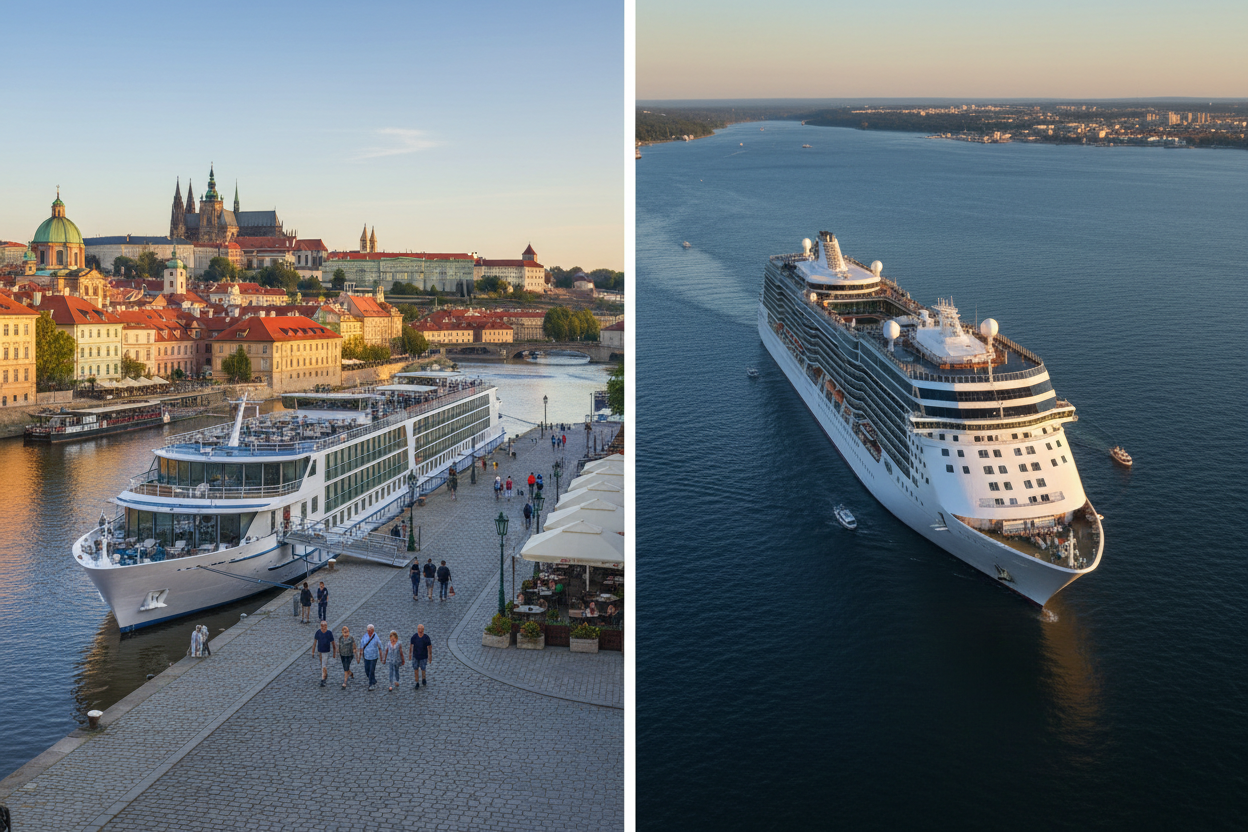
The most obvious distinction between river and ocean cruises lies in their scale and setting. Ocean cruises typically accommodate anywhere from 1,000 to 6,000 passengers aboard floating cities that span multiple decks and offer virtually every amenity imaginable. These vessels traverse open waters, connecting distant continents and exotic islands while providing a resort-like experience at sea.
River cruises, conversely, operate on a much more intimate scale. Most river cruise ships carry between 100 to 200 passengers and are designed to navigate inland waterways like the Rhine, Danube, Nile, or Mississippi. These vessels prioritize comfort and elegance over sheer size, creating an atmosphere that feels more like a boutique hotel than a floating entertainment complex.
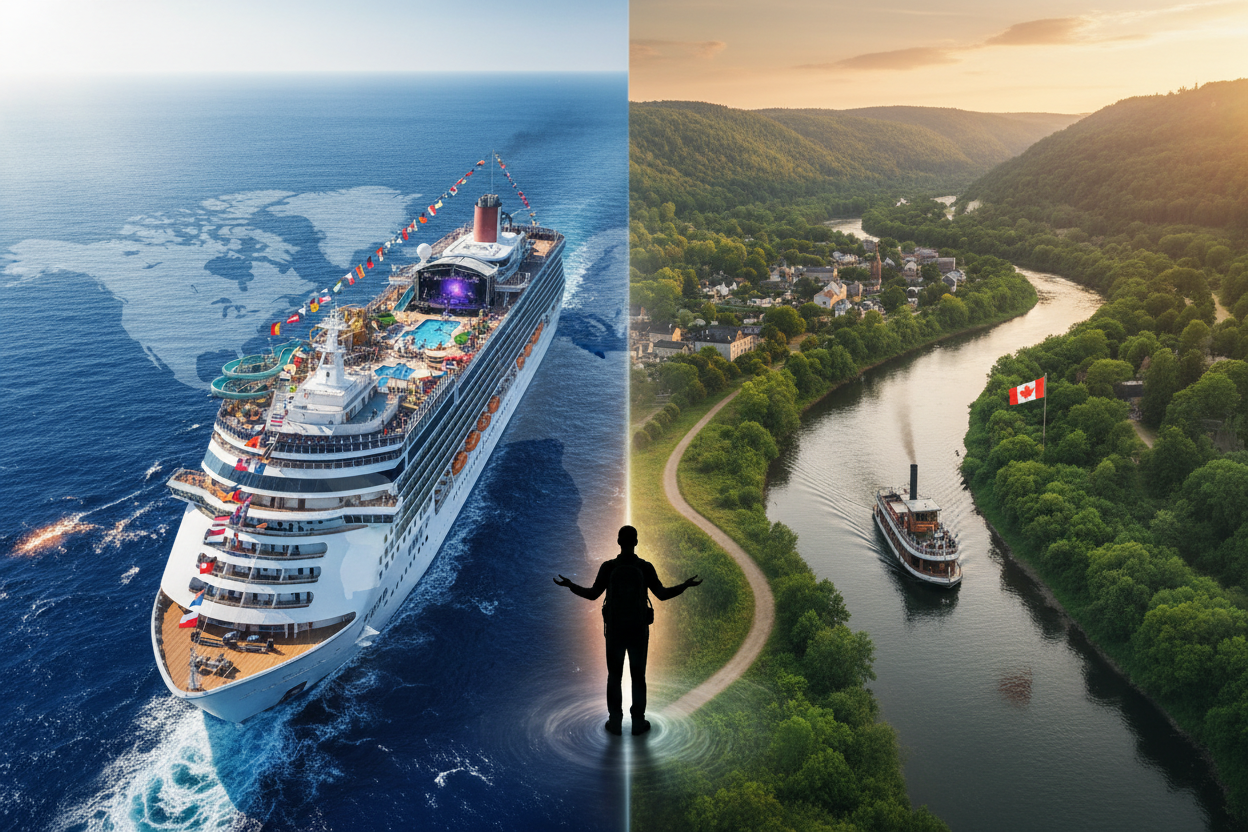
The fundamental philosophy behind each cruise type also differs significantly. Ocean cruises often emphasize the journey itself as the destination, with days spent enjoying onboard activities, entertainment, and amenities. River cruises, however, treat the ship as a comfortable base camp for exploring the cultural treasures and historic landmarks that line the world’s great rivers.
Destinations and Itinerary Styles
Ocean cruises open up a world of possibilities, literally. From Caribbean island hopping to Mediterranean coastal tours, Alaska’s Inside Passage to transatlantic crossings, ocean cruises can take you virtually anywhere there’s deep water. Popular itineraries include the sun-soaked beaches of the Caribbean, the historic ports of the Mediterranean, the dramatic fjords of Norway, or the pristine wilderness of Alaska.
The port stops on ocean cruises typically last 8-12 hours, giving you a taste of each destination but rarely enough time for deep exploration. You might find yourself rushing through must-see attractions or booking expensive shore excursions to maximize your limited time in port.
River cruises offer a completely different approach to destination exploration. European river cruises might wind through Germany’s romantic Rhine Valley, past medieval castles and vineyard-covered hills, or navigate the Danube through the heart of Central Europe, stopping in Vienna, Budapest, and Prague. Asian river cruises explore the Mekong through Vietnam and Cambodia or the Yangtze through China’s dramatic Three Gorges.
What sets river cruises apart is their ability to dock right in city centers or small towns that large ships simply cannot reach. You might wake up moored directly beneath Prague Castle or step off your ship into the heart of a charming French village. Many river cruise itineraries include overnight stays in major cities, giving you ample time to explore at a leisurely pace.
Onboard Amenities and Entertainment
Ocean cruise ships are renowned for their impressive array of amenities and entertainment options. Modern mega-ships feature everything from rock climbing walls and surf simulators to ice skating rinks and zip lines. You’ll find multiple restaurants, bars, theaters hosting Broadway-caliber productions, casinos, spas, fitness centers, and shopping promenades.
The entertainment schedule on ocean cruises is typically packed from morning until late night. You might start your day with a fitness class, spend the afternoon by one of several pools, catch a cooking demonstration, enjoy a Vegas-style show after dinner, and cap off the evening with live music or dancing in various lounges.
River cruise ships take a more refined approach to amenities and entertainment. While they may lack the flashy attractions of their ocean-going counterparts, they compensate with sophisticated touches like panoramic lounges with floor-to-ceiling windows, elegant dining rooms featuring regional cuisine, and well-appointed libraries perfect for quiet contemplation.
Entertainment on river cruises tends to be more cultural and educational. You might enjoy a classical music performance by local musicians, attend a wine tasting featuring regional varieties, or participate in a cooking class showcasing traditional recipes from the regions you’re visiting. The pace is deliberately more relaxed, encouraging conversation and connection with fellow passengers.
Accommodation and Space Considerations
Ocean cruise cabins vary dramatically depending on the category you choose, from cozy interior staterooms with no windows to lavish suites with private balconies and butler service. Even basic accommodations on modern ocean ships are well-designed and functional, though space can feel tight during longer cruises.
The sheer size of ocean ships means you have plenty of public spaces to escape to when your cabin feels cramped. Multiple decks offer various atmospheres, from quiet adult-only retreats to family-friendly activity areas.
River cruise accommodations are generally more spacious and luxurious relative to the ship’s size. Most river cruise staterooms feature large windows or French balconies that provide stunning views of the passing scenery. The design aesthetic tends toward European elegance, with quality furnishings and thoughtful details that create a more upscale atmosphere.
While river ships have fewer public spaces due to their smaller size, these areas are typically more intimate and comfortable. The smaller passenger count means you’re less likely to feel crowded, even in common areas like the main lounge or dining room.
Cost Analysis and Value Proposition
Ocean cruises often appear more budget-friendly at first glance, with promotional rates that can seem incredibly attractive. However, the base fare typically covers only your accommodation, meals in the main dining venues, and basic entertainment. Specialty restaurants, premium beverages, internet access, shore excursions, and gratuities are usually extra, and these add-ons can significantly increase your total vacation cost.
That said, ocean cruises can offer excellent value for families or travelers who plan to take advantage of the numerous included amenities and entertainment options. If you’re someone who enjoys multiple dining options, live shows, and onboard activities, the base fare can represent good value even before considering additional expenses.
River cruises typically command higher upfront prices, but they often include more in the base fare. Many river cruise lines include shore excursions, premium beverages, gratuities, and sometimes even airfare in their packages. When you factor in these inclusions, the price gap between river and ocean cruises often narrows considerably.
The value proposition of river cruises lies in their all-inclusive nature and the unique access they provide to destinations that would be expensive and logistically challenging to visit independently. The personalized service and intimate atmosphere also justify the premium pricing for many travelers.
Demographics and Social Atmosphere
Ocean cruises attract a diverse demographic, from young families with children to retirees, solo travelers, and couples of all ages. The variety in passenger ages and backgrounds creates a dynamic social environment with something for everyone. Multi-generational families often choose ocean cruises because they offer activities and amenities that appeal to different age groups.
The social atmosphere on ocean ships can be quite lively, with opportunities to meet people from all walks of life. However, the large passenger count can also make it challenging to form meaningful connections with fellow travelers or crew members.
River cruises tend to attract a more mature demographic, typically passengers aged 50 and above who are often well-traveled and culturally curious. The smaller passenger count creates a more intimate social environment where you’re likely to get to know your fellow travelers and even some crew members by name.
The atmosphere on river cruises is generally more refined and peaceful. Conversations tend to focus on the destinations visited, cultural experiences, and shared interests in history, art, or cuisine. This creates a collegial environment that many passengers find enriching and memorable.
Making Your Decision: Key Factors to Consider
Your choice between river and ocean cruises should align with your travel priorities and personal preferences. Consider ocean cruises if you enjoy variety in entertainment and dining, prefer having numerous activity options, are traveling with children or a multi-generational group, want to visit tropical or exotic destinations, enjoy the energy of larger crowds, or are working within a tighter budget.
River cruises might be your perfect match if you prioritize cultural immersion and educational experiences, prefer intimate settings with personalized service, enjoy scenic cruising through historic regions, want comprehensive inclusion in your cruise fare, appreciate fine dining and wine, or prefer a more relaxed, sophisticated atmosphere.
Also consider practical factors like your mobility level – river ships typically have fewer elevators and may require more walking between decks. Think about your tolerance for motion sensitivity, as river cruising generally offers a much smoother ride than ocean cruising.
Conclusion
The choice between river and ocean cruises ultimately comes down to what type of travel experience speaks to your soul. Ocean cruises offer the excitement of the open seas, diverse entertainment, and the thrill of visiting multiple countries in a single voyage. They’re perfect for travelers who want variety, excitement, and the convenience of unpacking once while seeing the world.
River cruises provide a more intimate, culturally immersive experience that allows for deeper exploration of historic regions and local cultures. They’re ideal for travelers who value quality over quantity, prefer smaller crowds, and want to return home with a genuine understanding of the places they’ve visited.
Neither option is inherently better than the other – they simply cater to different travel styles and preferences. The best cruise for you is the one that aligns with your interests, budget, and vacation goals. Whether you choose the grandeur of the open ocean or the charm of scenic waterways, both options promise memories that will last a lifetime.
Take time to honestly assess what you want from your cruise vacation, and don’t be afraid to try both styles if your travel budget and schedule allow. Many cruise enthusiasts discover that they enjoy different types of cruises for different occasions, expanding their horizons with each voyage they take.
Your Stress-Free Journey Begins Here”
Planning a vacation doesn’t have to be overwhelming.
I help travelers save time, avoid common mistakes, and enjoy stress-free vacations. Whether you’re planning a cruise, a European tour, or your next bucket-list trip, I’d love to help.
Visit www.//mikegray.cruisebrothers.com/cb to learn more, or contact me today to start planning your next adventure. Your stress-free journey begins here.
Leave a Comment