
The Complete Guide to European Train Travel for American Tourists
Picture this: you’re gliding through the Swiss Alps at 200 miles per hour, sipping coffee while snow-capped peaks blur past your window. No security lines, no cramped airplane seats, no lost luggage drama. Welcome to European train travel, where the journey becomes just as memorable as the destination itself.
For American tourists accustomed to domestic air travel or cross-country road trips, Europe’s extensive rail network opens up a world of possibilities that might seem almost too good to be true. With over 200,000 kilometers of railway lines connecting major cities and charming villages across the continent, train travel in Europe offers an experience that’s efficient, comfortable, and surprisingly affordable when planned correctly.
Why Choose Train Travel Over Flying in Europe
European train travel offers distinct advantages that make it the preferred choice for millions of travelers. Unlike air travel, trains take you directly from city center to city center, eliminating the need for expensive airport transfers and lengthy check-in procedures. The time you’d spend arriving at the airport two hours early, going through security, and waiting for your flight often equals or exceeds the actual train journey time between many European cities.
Environmental consciousness plays a significant role too. Trains produce roughly 80% fewer carbon emissions per passenger compared to flights, making them an eco-friendly choice for the climate-conscious traveler. Plus, there’s something undeniably romantic about train travel that captures the essence of European adventure in a way that budget airlines simply cannot match.
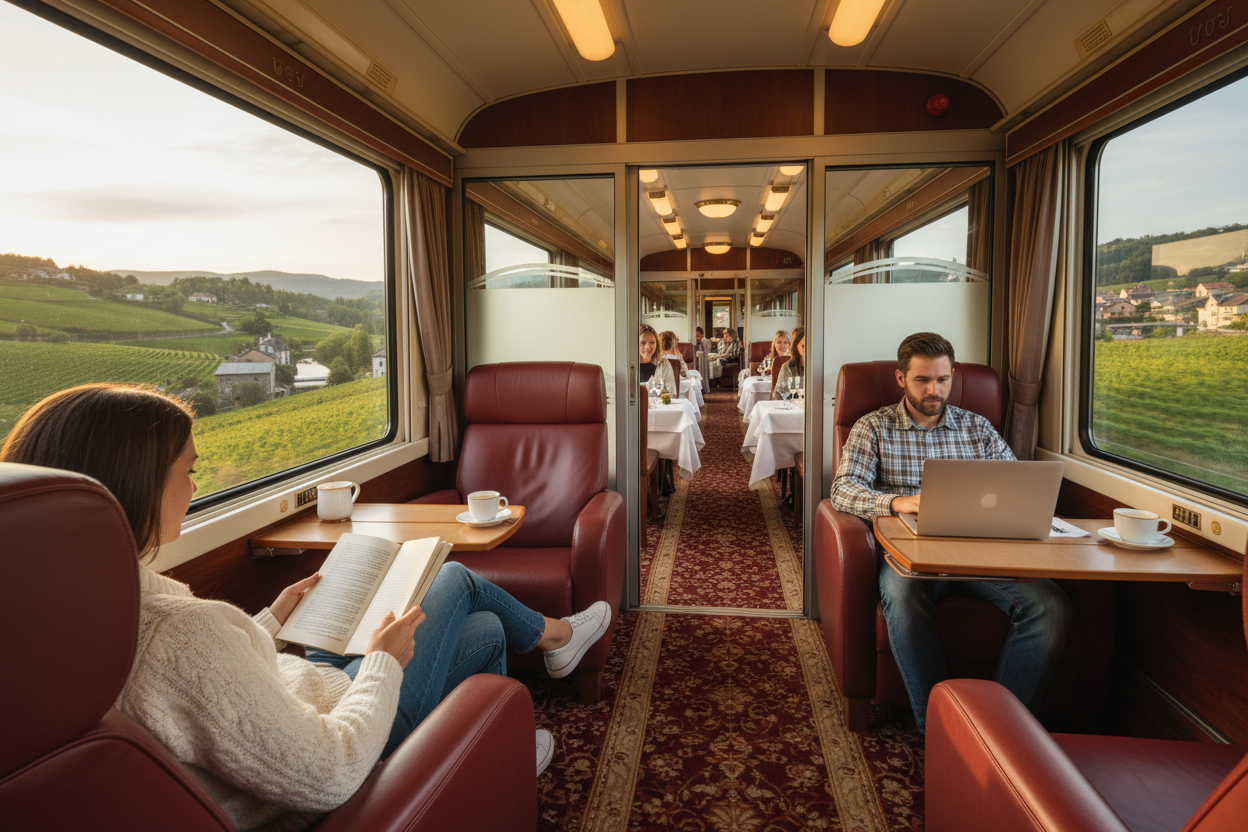
The comfort factor cannot be overstated. European trains offer spacious seating, the freedom to move around, dining cars with local cuisine, and panoramic windows that transform your journey into a moving sightseeing tour. You can work on your laptop, read a book, or simply watch the countryside roll by without the constraints of airplane travel.
Understanding European Rail Passes and Tickets
The Eurail Pass remains the most popular option for American tourists planning multi-country European adventures. These passes offer unlimited train travel across participating European countries for a set period, ranging from three days to three months. The key is understanding which type of pass suits your travel style and itinerary.
Global Eurail Passes cover 33 countries and work best for travelers planning to visit multiple nations. However, if you’re focusing on specific regions, country-specific passes or regional passes might offer better value. For instance, the German Rail Pass or the France Rail Pass can be more economical if you’re concentrating your travels within one country.
Point-to-point tickets present an alternative worth considering, especially for travelers with fixed itineraries or those visiting fewer destinations. Many European railway companies offer advance purchase discounts that can make individual tickets surprisingly affordable. The trick is booking early and being flexible with your travel times.
Digital ticketing has revolutionized European train travel. Most major railway companies now offer mobile apps where you can purchase, store, and validate tickets directly on your smartphone. This eliminates the stress of paper tickets and long queues at station counters.
Essential Train Routes Every American Tourist Should Consider
Some European train routes have achieved legendary status among travelers, and for good reason. The journey from London to Paris via the Chunnel takes just over two hours and offers the unique experience of traveling under the English Channel. The high-speed Eurostar trains provide comfort levels that rival first-class air travel.
The route between Paris and Amsterdam showcases the efficiency of European high-speed rail. The Thalys trains complete this journey in approximately three and a half hours, passing through beautiful Belgian countryside. Similarly, the TGV connection between Paris and Lyon demonstrates French engineering at its finest, reaching speeds of up to 320 kilometers per hour.
For scenic beauty, the train journey through the Swiss Alps between Zurich and Milan stands unmatched. This route takes you through some of Europe’s most breathtaking mountain scenery, including the famous Gotthard Pass. The engineering marvels along this route, including numerous tunnels and viaducts, make the journey as impressive as the destinations.
The overnight train from Vienna to Venice offers a romantic throwback to the golden age of rail travel. These sleeper trains allow you to maximize your time by traveling while you sleep, waking up in a completely different country ready to explore.
Booking Strategies and Money-Saving Tips
Timing plays a crucial role in securing the best train travel deals in Europe. Booking tickets 60 to 90 days in advance typically yields the most significant savings, especially for high-speed routes and popular destinations. Many European railway companies release their cheapest fares during this advance booking window.
Flexibility with travel times can result in substantial savings. Off-peak hours, typically mid-morning and early afternoon, often feature lower fares than rush hour or evening departures. Weekend travel generally costs more than weekday journeys, so adjusting your schedule by even a day can impact your budget significantly.
Consider the total cost of your journey when comparing options. While a Eurail Pass might seem expensive upfront, calculate the individual ticket costs for your planned routes. Factor in the convenience and flexibility that passes provide, including the ability to hop on trains without advance reservations on most routes.
Group discounts and age-based reductions can provide additional savings. Many European rail companies offer discounts for travelers under 27 or over 60. If you’re traveling with family or friends, group rates might apply, making train travel even more economical.
Navigating Train Stations and Understanding European Rail Culture
European train stations range from architectural marvels to functional transport hubs, but they all share certain characteristics that differ from American expectations. Most major stations feature clear signage in multiple languages, but familiarizing yourself with basic railway terminology in the local language can prove helpful.
Departure boards display information differently than American airports. Look for your destination city rather than a train number, and pay attention to platform numbers, which are usually announced 10-15 minutes before departure. European trains typically arrive and depart with punctuality that would impress even the most time-conscious American.
Seat reservations vary by country and train type. While high-speed trains usually require reservations, regional trains often operate on a first-come, first-served basis. Understanding these differences prevents confusion and ensures you secure appropriate seating for your journey.
European rail etiquette emphasizes courtesy and consideration. Keep conversations at moderate volumes, especially in quiet cars. Many trains designate specific areas for phone calls, and some cars maintain silence policies. Respecting these cultural norms enhances everyone’s travel experience.
Practical Travel Tips for American Tourists
Packing for European train travel requires different considerations than air travel. Since there are no strict luggage restrictions, you can bring more items, but remember that you’ll need to manage your bags yourself. Rolling luggage works best for navigating station platforms and train aisles.
Power outlets and WiFi availability vary by train type and country. Most modern trains offer both, but bringing a portable charger ensures your devices stay powered throughout your journey. European trains use different plug types than American devices, so pack appropriate adapters.
Food and beverage options depend on your train and route length. Long-distance trains typically feature dining cars or trolley service, while regional trains might offer limited options. Many stations have excellent food courts and shops where you can stock up on snacks and meals before boarding.
Language barriers are less problematic than many Americans expect. Railway staff in major European cities often speak English, and train announcements frequently include English translations. However, learning basic phrases in local languages shows respect and can enhance your travel experience.
Safety and Security Considerations
European trains maintain excellent safety records and security standards that often exceed those of other transportation modes. However, staying aware of your surroundings and taking basic precautions ensures a worry-free journey.
Keep your belongings secure and within sight, especially in busy stations and on crowded trains. Pickpocketing can occur in tourist-heavy areas, but using common sense and staying alert minimizes risks. Most trains have overhead storage and designated areas for larger luggage.
Emergency procedures on European trains are clearly marked and announced in multiple languages. Familiarize yourself with emergency exits and communication systems when you board. Train staff are trained to handle various situations and can provide assistance when needed.
Travel insurance that covers European train travel provides peace of mind for American tourists. While not mandatory, insurance can protect against trip interruptions, medical emergencies, and other unforeseen circumstances that might affect your journey.
Making the Most of Your European Train Adventure
European train travel transforms transportation from a necessary evil into an integral part of your vacation experience. The connections you make with fellow travelers, the conversations with locals, and the ever-changing scenery outside your window create memories that last long after your trip ends.
Embrace the slower pace that train travel encourages. Unlike the rush of air travel, trains allow you to ease into each new destination gradually. Use travel time productively by planning your next stops, journaling about your experiences, or simply enjoying the meditative quality of watching Europe unfold before your eyes.
Consider extending your journey to include smaller towns and villages that are easily accessible by regional trains. These destinations often provide more authentic cultural experiences and are significantly less crowded than major tourist centers. Your Eurail Pass or point-to-point tickets often include these regional connections at no additional cost.
European train travel offers American tourists an unparalleled opportunity to experience the continent’s diversity, efficiency, and beauty in comfort and style. With proper planning, an open mind, and a spirit of adventure, your European rail journey will become one of the most memorable aspects of your travels. The rails are waiting to take you on an unforgettable European adventure that combines the romance of classic travel with the convenience of modern transportation.
Leave a Comment