
The Ultimate Guide to Italy’s Best Travel Seasons: When to Visit for Perfect Weather and Fewer Crowds
Planning a trip to Italy can feel overwhelming when you’re staring at a calendar, wondering when exactly you should book those flights. Trust me, I’ve been there. After countless conversations with fellow travelers and years of exploring the Italian peninsula myself, I’ve learned that timing truly makes or breaks an Italian adventure. The difference between battling shoulder-to-shoulder crowds in Rome’s Colosseum versus having nearly private moments with ancient history often comes down to choosing the right season.
Italy’s diverse geography means weather patterns vary dramatically from the snow-capped Alps in the north to the sun-soaked beaches of Sicily in the south. What works perfectly for a romantic gondola ride in Venice might be miserable for hiking the Cinque Terre trails. That’s why understanding Italy’s seasonal rhythms is crucial for crafting your perfect Italian escape.
Understanding Italy’s Climate Zones
Before diving into specific seasons, it’s essential to understand that Italy isn’t just one climate zone. The country stretches nearly 700 miles from north to south, creating distinct regional weather patterns that significantly impact your travel experience.
Northern Italy, including cities like Milan, Venice, and the Lake District, experiences a continental climate with hot summers and cold, sometimes snowy winters. The Alps create a natural barrier that influences precipitation and temperature throughout the region. Central Italy, encompassing Rome, Florence, and Tuscany, enjoys a Mediterranean climate with mild winters and warm, dry summers. Southern Italy and the islands of Sicily and Sardinia bask in a true Mediterranean climate, where winters remain relatively mild and summers can be intensely hot.
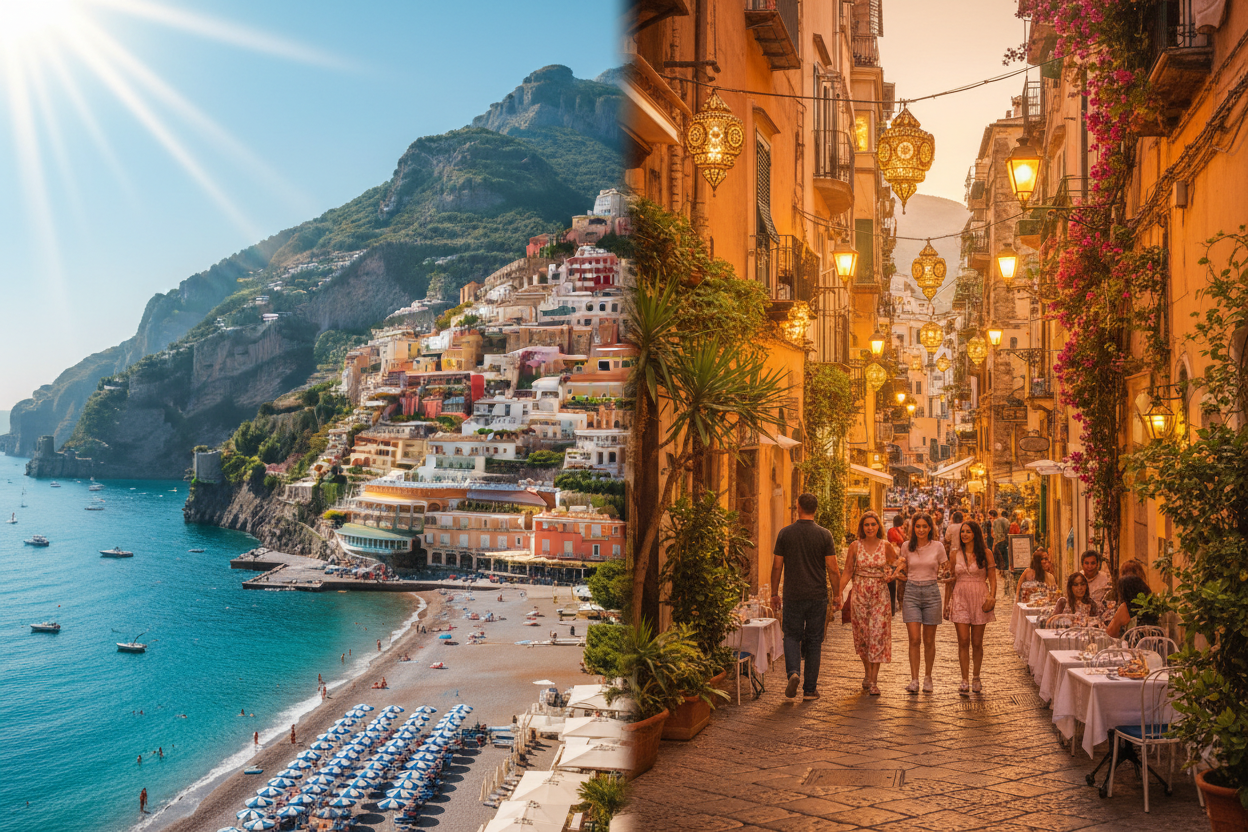
These regional differences mean that while Rome might be pleasant in November, Venice could already be quite chilly and prone to flooding. Similarly, when northern Italy is perfect for sightseeing in late spring, southern Italy might already be uncomfortably hot for extensive walking tours.
Spring in Italy: The Sweet Spot for Most Travelers
Spring, particularly from April through early June, represents what many seasoned Italy travelers consider the absolute best time to visit. The weather during these months strikes that perfect balance between comfortable temperatures and manageable crowds that makes every day feel like a gift.
April brings Italy back to life after winter’s dormancy. Temperatures range from the mid-50s to low 70s Fahrenheit, making it ideal for walking tours through historic city centers. The countryside explodes with wildflowers, creating those Instagram-worthy shots of rolling Tuscan hills dotted with poppies and olive groves. Rain is still possible, especially in northern regions, but it’s typically brief and refreshing rather than trip-ruining.
May might just be Italy’s most magical month. The weather is consistently warm but not hot, averaging 60-75 degrees Fahrenheit across most of the country. Tourist crowds haven’t yet reached their summer peak, meaning you can actually enjoy the Sistine Chapel without feeling claustrophobic or snag a table at that charming Roman trattoria without a reservation. The Mediterranean is warming up but still refreshingly cool for those brave enough to take a dip.
Early June extends this sweet spot, though you’ll notice crowds beginning to build as European schools let out for summer break. The weather remains gorgeous, with long daylight hours perfect for those leisurely Italian dinners that stretch well into the evening.
Summer in Italy: Peak Season Pros and Cons
Summer in Italy is a double-edged sword that can either create magical memories or test your patience, depending on your tolerance for heat and crowds. From late June through August, Italy transforms into a bustling hub of international tourism, bringing both energy and challenges.
The advantages of summer travel are undeniable. The weather is reliably sunny and warm, perfect for beach destinations along the Amalfi Coast or the Italian Riviera. Long daylight hours mean more time for sightseeing, and the warm evenings are ideal for outdoor dining and evening strolls through ancient streets. Many festivals and outdoor events take place during summer months, offering unique cultural experiences you won’t find at other times of year.
However, summer also brings significant drawbacks that can impact your experience. Temperatures regularly soar above 85 degrees Fahrenheit, and in southern Italy and Rome, they can easily reach the mid-90s with oppressive humidity. Popular attractions become uncomfortably crowded, with wait times stretching for hours at places like the Vatican Museums or Florence’s Uffizi Gallery. Prices for accommodations and flights reach their annual peak, and many locals flee cities for their own vacations, giving some areas an oddly touristy rather than authentically Italian feel.
If you must travel during summer, consider focusing on northern Italy or coastal areas where sea breezes provide relief. Book attractions well in advance, plan indoor activities during the hottest part of the day, and embrace the Italian tradition of afternoon rest periods.
Fall in Italy: The Underrated Gem
Fall, particularly September and October, represents one of Italy’s best-kept secrets for savvy travelers. While many people associate autumn with the end of travel season, those in the know understand that fall offers some of the most rewarding Italian experiences of the entire year.
September extends summer’s warmth without the intense heat or overwhelming crowds. Temperatures remain comfortable for sightseeing, typically ranging from the mid-60s to mid-70s Fahrenheit. The Mediterranean Sea retains its summer warmth, making it perfect for swimming and water activities along the coast. Tourist crowds thin considerably after the first week of September, when European families return home and American tourists head back to school and work routines.
October brings some of Italy’s most beautiful weather and scenery. The countryside transforms into a tapestry of golden and amber hues, particularly stunning in Tuscany and Umbria. This is harvest season, making it an ideal time for wine enthusiasts to visit vineyards and participate in grape harvesting activities. The weather remains pleasant for walking and outdoor activities, though you’ll want to pack layers as evenings can become cool.
November extends the fall season, though weather becomes more unpredictable. Northern Italy can be quite cool and rainy, while southern regions often remain pleasant. This is when you’ll find the best deals on accommodations and flights, and popular attractions are blissfully uncrowded.
Winter in Italy: A Different Kind of Magic
Winter travel to Italy requires more planning and realistic expectations, but it can offer some of the most authentic and memorable experiences of any season. From December through February, Italy reveals a different personality that many travelers never see.
The advantages of winter travel are substantial for the right type of traveler. Crowds virtually disappear at major attractions, giving you nearly private access to world-famous sites. Accommodation prices drop significantly, and you’ll interact more with locals rather than fellow tourists. Cities like Rome and Florence take on a romantic, moody atmosphere enhanced by shorter days and dramatic lighting. The Alps offer excellent skiing opportunities, while southern Italy and Sicily maintain mild temperatures perfect for sightseeing.
However, winter also presents challenges that can impact your itinerary. Weather is unpredictable, with rain common throughout the country and snow possible in northern regions. Some coastal attractions and restaurants close for the season, particularly in smaller towns. Daylight hours are limited, reducing sightseeing time, and the weather may not be suitable for outdoor activities or extensive walking tours.
Winter can be magical in cities like Venice, where fewer crowds allow you to experience the city’s mysterious atmosphere more authentically. Rome’s mild winter temperatures make it comfortable for sightseeing, and you’ll actually be able to appreciate the Pantheon or Trevi Fountain without fighting through crowds for photos.
Regional Considerations for Timing Your Visit
Italy’s diverse regions each have their own optimal visiting periods based on local climate, cultural events, and seasonal attractions. Understanding these regional differences helps you plan a more targeted and enjoyable trip.
Northern Italy, including Venice, Milan, and the Lakes region, is most pleasant from late spring through early fall. Summer can be hot and humid, while winter brings cold temperatures and potential flooding in Venice. The shoulder seasons of May-June and September-October offer the best combination of good weather and manageable crowds.
Central Italy, encompassing Rome, Florence, and Tuscany, enjoys a longer comfortable season. Spring and fall remain ideal, but winter can also be pleasant for city sightseeing. Summer heat can be intense, particularly in Florence, where the city’s location in a valley amplifies temperatures.
Southern Italy and the islands have their own rhythm. While summer brings perfect beach weather, it can be overwhelmingly hot for sightseeing. Spring arrives earlier here, making March and April excellent months for visiting. Winter remains mild, making it a great escape from northern climates, though some services may be reduced.
Making the Final Decision: Matching Season to Your Travel Style
Choosing the best time to visit Italy ultimately depends on balancing your personal preferences, travel style, and priorities. Consider what matters most to you: perfect weather, smaller crowds, lower prices, or specific activities and experiences.
If you prioritize ideal weather and don’t mind paying premium prices or dealing with crowds, late spring and early fall are your best bets. These periods offer the most consistently pleasant conditions across all regions of Italy.
Budget-conscious travelers should consider winter visits to major cities or shoulder season trips in November or March. You’ll sacrifice some weather predictability but gain significant savings and more authentic local interactions.
For specific activities like skiing, beach time, or harvest season experiences, let your desired activities drive your timing decisions rather than general weather patterns.
Italy’s beauty transcends seasons, and each time of year offers its own unique rewards. Whether you’re sipping wine in a sun-drenched Tuscan vineyard in September or having the Sistine Chapel nearly to yourself on a quiet February morning, the key is matching your expectations to the season’s realities. With proper planning and realistic expectations, any season can provide the Italian adventure you’ve been dreaming about. The perfect time to visit Italy is ultimately when it works best for your schedule, budget, and travel dreams.
Your Stress-Free Journey Begins Here”
Planning a vacation doesn’t have to be overwhelming.
I help travelers save time, avoid common mistakes, and enjoy stress-free vacations. Whether you’re planning a cruise, a European tour, or your next bucket-list trip, I’d love to help.
Visit www.//mikegray.cruisebrothers.com/cb to learn more, or contact me today to start planning your next adventure. Your stress-free journey begins here.
Leave a Comment