
Italy Travel Seasons: When to Visit Each Region for Best Experience
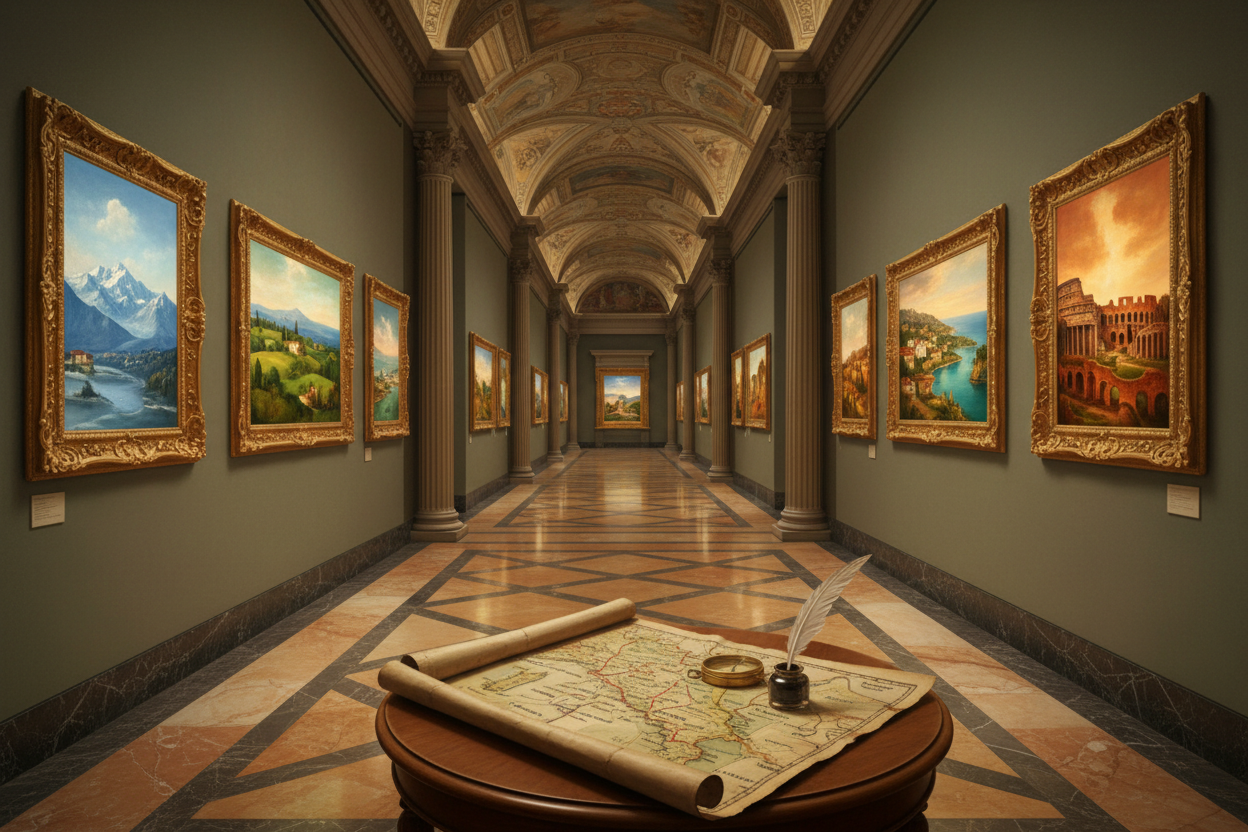
Planning a trip to Italy feels like choosing between countless masterpieces in an art gallery – every region offers something spectacular, but timing can make the difference between a good vacation and an unforgettable adventure. After years of exploring the Italian peninsula and helping travelers plan their perfect getaway, I’ve learned that Italy’s diverse geography creates distinct seasonal experiences that vary dramatically from north to south.
From the snow-capped Alps of Trentino to the sun-soaked beaches of Sicily, Italy’s climate zones offer unique opportunities throughout the year. Understanding when to visit each region isn’t just about avoiding crowds or saving money – it’s about experiencing Italy at its most authentic and beautiful. Whether you’re dreaming of truffle hunting in Piedmont, sailing along the Amalfi Coast, or exploring ancient ruins in Rome, choosing the right season can transform your Italian adventure.
Understanding Italy’s Climate Zones and Regional Variations
Italy’s boot-shaped peninsula stretches nearly 1,200 kilometers from north to south, creating three distinct climate zones that significantly impact the best times to visit each region. The northern regions experience a continental climate with cold winters and warm summers, while central Italy enjoys a transitional Mediterranean climate. Southern Italy and the islands bask in a true Mediterranean climate with mild winters and hot, dry summers.
These climate variations mean that while you might be skiing in the Italian Alps, someone could be swimming in the Mediterranean waters off Sicily on the same day. This geographical diversity is what makes Italy so fascinating – and why timing your visit to each region matters so much for the optimal experience.
Northern Italy: Alpine Adventures and Cultural Treasures
Best Time to Visit: May to September for Most Activities
Northern Italy’s regions – including Lombardy, Piedmont, Veneto, Trentino-Alto Adige, Friuli-Venezia Giulia, and Liguria – offer distinctly different experiences depending on when you visit. The region’s continental climate creates four pronounced seasons, each with its own charm and challenges.
Spring (April to June) emerges as the sweet spot for exploring cities like Milan, Venice, and Turin. The weather is pleasantly mild, with temperatures ranging from 15-22°C (59-72°F), making it perfect for walking through historic centers and enjoying outdoor cafes. This season also brings fewer crowds to popular attractions, allowing you to experience the Doge’s Palace or La Scala without the summer rush.
Summer (July to September) transforms northern Italy into a playground for outdoor enthusiasts. The Italian Lakes – Como, Garda, and Maggiore – reach their most inviting temperatures for swimming and water sports. Mountain regions like Trentino-Alto Adige offer excellent hiking conditions, with alpine meadows bursting into colorful wildflower displays. However, be prepared for higher prices and larger crowds, especially in August when Italians take their traditional summer holidays.
For wine lovers, autumn (September to November) presents an irresistible opportunity to visit Piedmont during harvest season. The rolling hills around Alba turn golden, and you can participate in truffle hunting expeditions while enjoying the region’s world-famous Barolo and Barbaresco wines. The weather remains comfortable for outdoor activities, though you’ll want to pack layers for cooler evenings.
Winter Considerations
Winter (December to March) shouldn’t be dismissed entirely for northern Italy visits. While temperatures can drop below freezing, this season offers unique experiences like Christmas markets in Bolzano, skiing in the Dolomites, and enjoying cozy evenings in mountain refuges. Venice takes on a mysterious beauty in winter fog, and you’ll have famous attractions largely to yourself.
Central Italy: Renaissance Cities and Rolling Hills
Optimal Visiting Seasons: April to June and September to October
Central Italy, encompassing Tuscany, Umbria, Lazio, Le Marche, and Abruzzo, benefits from a more moderate climate that makes it accessible year-round, though certain seasons definitely shine brighter than others.
The shoulder seasons of spring and early autumn offer the most rewarding experiences in central Italy. April through June brings mild temperatures perfect for exploring Florence’s outdoor markets, hiking through Chianti vineyards, or discovering hilltop towns like San Gimignano and Montepulciano. The countryside explodes with color – olive groves shimmer silver-green, and poppies paint fields brilliant red.
September and October might just be central Italy’s most magical months. The harvest season brings wine festivals throughout Tuscany and Umbria, while temperatures remain warm enough for comfortable sightseeing but cool enough to avoid the oppressive summer heat. This timing allows you to experience the authentic rhythm of Italian life as locals celebrate the year’s bounty.
Summer and Winter Trade-offs
Summer in central Italy can be intense, with July and August temperatures often exceeding 35°C (95°F). While this makes for perfect swimming weather along the Tuscan coast, exploring inland cities like Florence and Rome becomes an endurance test during midday hours. If you must visit in summer, plan indoor activities during the hottest parts of the day and take advantage of extended daylight hours for early morning and evening explorations.
Winter offers a different perspective on central Italy’s beauty. While some rural accommodations close, major cities remain vibrant. Rome’s mild winter climate makes it an excellent year-round destination, and you’ll find shorter lines at the Vatican and Colosseum. Tuscany’s countryside takes on a stark beauty, and you can enjoy cozy evenings by fireplaces in converted farmhouses.
Southern Italy: Mediterranean Magic and Ancient Wonders
Peak Season: April to June and September to November
Southern Italy and its islands – including Campania, Puglia, Calabria, Sicily, and Sardinia – follow Mediterranean climate patterns that create distinct advantages for different types of travelers throughout the year.
Spring arrives early in the south, making April through June an ideal time for cultural exploration. Naples becomes more manageable without summer’s stifling heat, allowing you to properly explore its chaotic but charming streets and sample authentic pizza in comfortable temperatures. The Amalfi Coast awakens from its winter slumber, with hotels and restaurants reopening and hiking trails becoming accessible again.
This period also offers perfect conditions for exploring archaeological sites like Pompeii, Herculaneum, and Sicily’s Valley of the Temples. The Mediterranean sun provides excellent lighting for photography without the harsh glare and oppressive heat of summer months.
Summer: Beach Season with Caveats
July and August represent peak beach season across southern Italy, when the Mediterranean reaches its warmest and most inviting temperatures. Sicily and Sardinia’s beaches become irresistible, offering crystal-clear waters and vibrant nightlife. However, this popularity comes with significant drawbacks – prices skyrocket, accommodations book months in advance, and popular destinations become uncomfortably crowded.
If you’re set on a summer visit, consider focusing on less touristy areas like Puglia’s hidden coves or Calabria’s unspoiled coastline. These regions offer authentic Italian beach experiences without the overwhelming crowds of more famous destinations.
Autumn and Winter Opportunities
September through November provides perhaps the most balanced experience in southern Italy. Sea temperatures remain warm enough for swimming well into October, while air temperatures become comfortable for extensive sightseeing. This season also coincides with harvest festivals and local celebrations that offer insights into authentic southern Italian culture.
Winter in the south shouldn’t be overlooked, particularly for cultural enthusiasts. Sicily’s mild winter climate makes it an excellent time to explore cities like Palermo and Syracuse without summer’s heat and crowds. Many coastal areas do quiet down significantly, but this creates opportunities for peaceful exploration and genuine interactions with locals.
Special Considerations for Italy’s Islands
Sicily: Year-Round Destination with Seasonal Highlights
Sicily’s position in the central Mediterranean creates a climate that supports year-round tourism, though each season offers distinct experiences. Spring brings almond blossoms and perfect hiking weather on Mount Etna, while autumn offers wine harvest experiences and comfortable temperatures for exploring ancient Greek theaters.
Summer transforms Sicily into a beach paradise, but inland areas can become uncomfortably hot. Winter provides mild weather perfect for cultural exploration, though some mountain areas may experience snow.
Sardinia: Seasonal Beach Paradise
Sardinia’s tourism industry operates on a more pronounced seasonal schedule than Sicily. The island truly comes alive from May through October, with July and August representing peak season for beach activities. Spring and autumn offer excellent conditions for hiking, cycling, and exploring the island’s unique archaeological sites without overwhelming heat.
Making Your Decision: Matching Seasons to Your Travel Style
Choosing the best time to visit Italy’s regions ultimately depends on your travel priorities and preferences. Budget-conscious travelers will find excellent value during shoulder seasons, while those seeking authentic cultural experiences might prefer visiting during local festivals and harvest times.
Adventure seekers should align their visits with specific activities – skiing season in the Alps, hiking season in the Dolomites, or sailing season along the coast. Food enthusiasts will want to time visits around seasonal specialties like truffle season in Piedmont or grape harvest in Tuscany.
Consider your heat tolerance carefully. If you wilt in high temperatures, avoid central and southern Italy during July and August. Conversely, if you’re seeking warm beach weather, these same months offer perfect conditions along Italy’s extensive coastline.
Conclusion
Italy’s regional diversity means there’s never a wrong time to visit – only better times for specific experiences and destinations. Northern Italy’s alpine regions shine brightest in summer for outdoor activities, while spring and autumn offer ideal conditions for cultural exploration. Central Italy’s Renaissance treasures are most enjoyable during mild shoulder seasons, though each season brings its own rewards. Southern Italy and the islands provide Mediterranean magic year-round, with spring and autumn offering the perfect balance of good weather and manageable crowds.
The key to planning your perfect Italian adventure lies in matching your interests and tolerance for crowds and weather extremes with each region’s seasonal strengths. Whether you’re drawn to snow-capped mountains, rolling vineyard hills, or pristine Mediterranean beaches, timing your visit thoughtfully will ensure you experience Italy at its most enchanting. Remember that Italy’s beauty transcends seasons – it’s simply a matter of choosing when you’ll appreciate it most.
Leave a Comment