
Stress-Free Airport Navigation: A Senior Traveler’s Complete Guide
Navigating airports can feel overwhelming at any age, but as a senior traveler, you might face unique challenges that younger passengers don’t encounter. From longer security lines to confusing terminal layouts, airports seem to grow more complex each year. The good news? With the right preparation and insider knowledge, you can transform your airport experience from stressful to seamless.
Whether you’re embarking on a dream vacation, visiting family, or traveling for medical appointments, this comprehensive guide will equip you with practical strategies to navigate airports with confidence and ease. Let’s turn those travel jitters into excitement for the journey ahead.
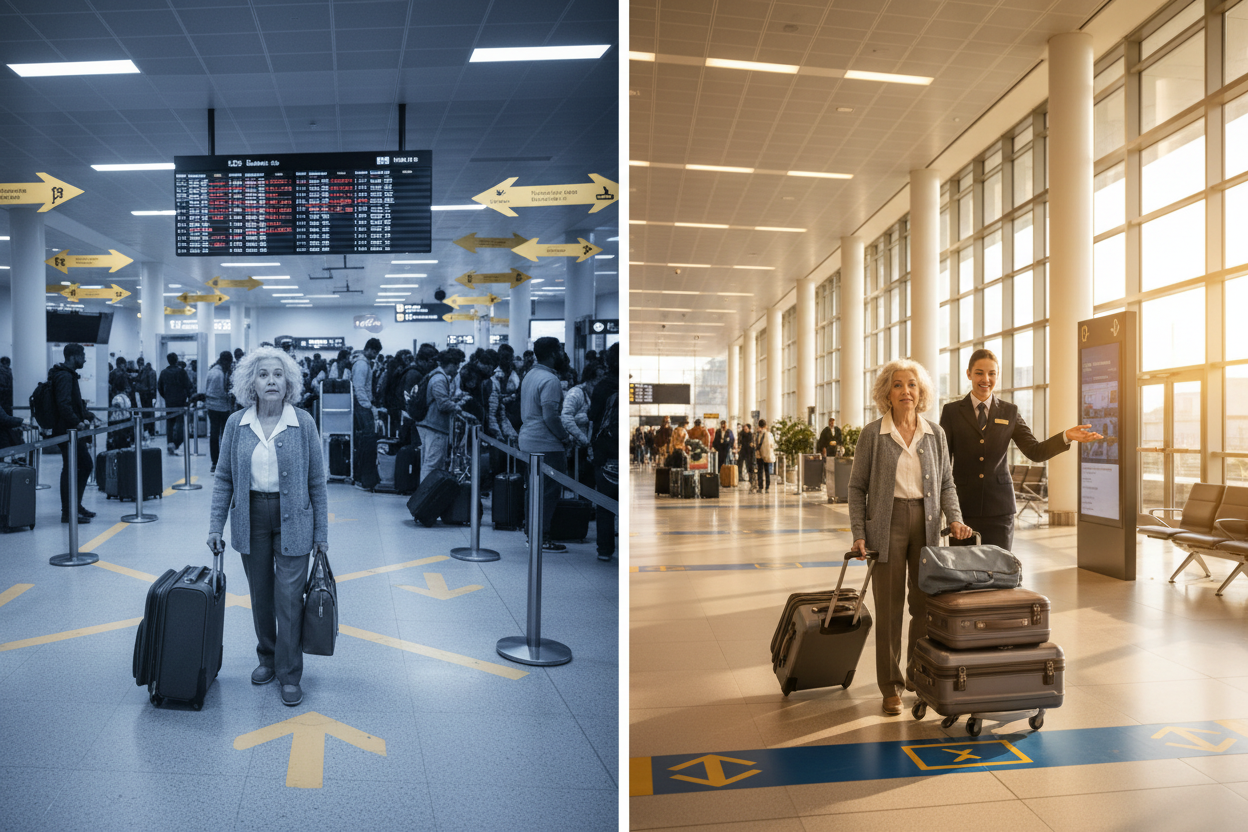
Pre-Travel Planning: Setting Yourself Up for Success
The key to stress-free airport navigation begins long before you step foot in the terminal. Smart planning can eliminate most potential headaches and ensure smooth sailing from curb to gate.
Start by checking in online 24 hours before your flight. Most airlines allow you to select seats, add baggage, and even request special assistance during online check-in. Print your boarding passes at home or save them to your smartphone – having backup options prevents last-minute panic if technology fails.
Research your departure airport’s layout beforehand. Most airports provide detailed terminal maps on their websites, showing security checkpoint locations, gate areas, restaurants, and amenities. Familiarizing yourself with the layout helps you plan your route and identify rest areas along the way.
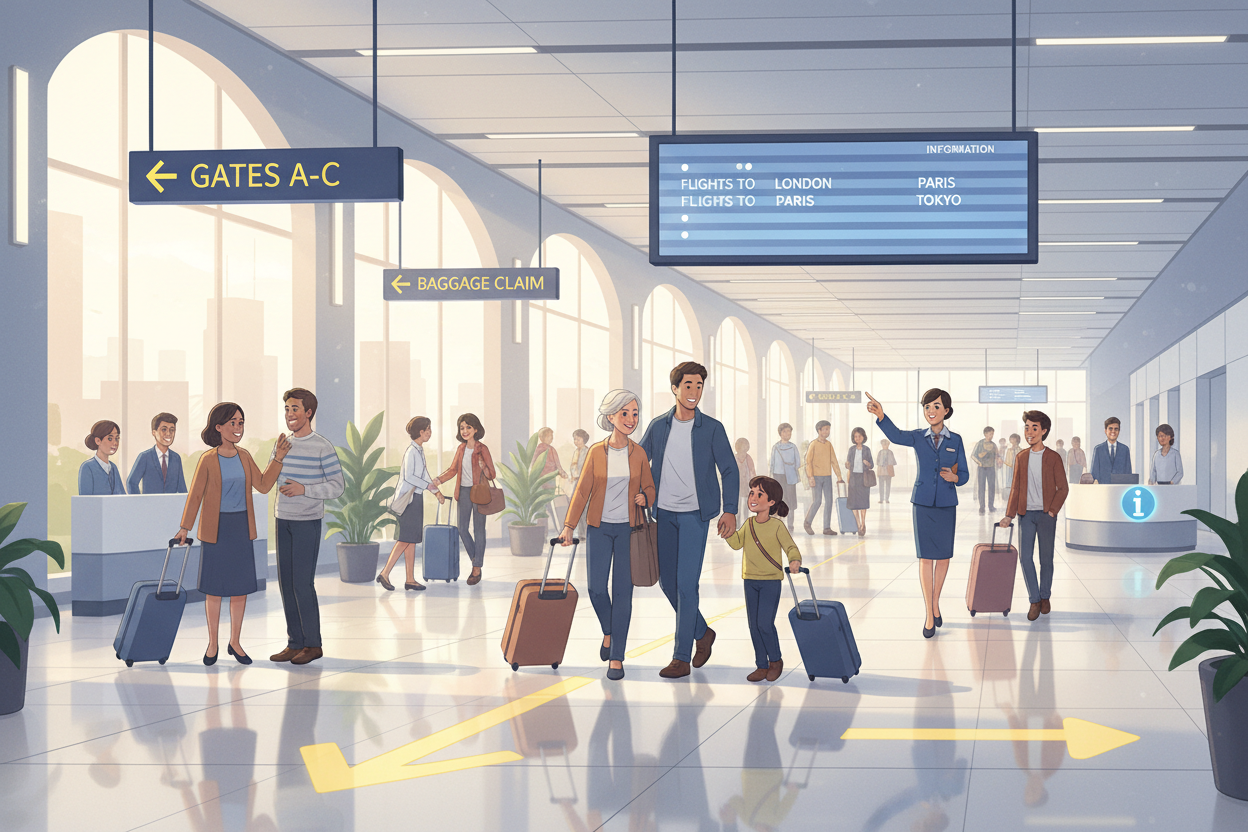
Consider arriving earlier than the standard recommendations. While most travelers are advised to arrive two hours early for domestic flights, giving yourself an extra 30-60 minutes provides a comfortable buffer for unexpected delays or longer processing times.
Transportation and Arrival Strategies
Getting to the airport shouldn’t add unnecessary stress to your travel day. Evaluate your transportation options carefully, considering factors like cost, convenience, and physical demands.
If driving yourself, research parking options in advance. Many airports offer premium parking services closer to terminals, which might be worth the extra cost for reduced walking distances. Some airports provide shuttle services from economy lots, but these can involve waiting times and crowded conditions.
Ride-sharing services and taxis offer door-to-door convenience, though pickup areas can be confusing in busy airports. Ask the driver to drop you at the closest entrance to your airline’s check-in area. Airport shuttles from hotels often provide the most relaxed option, with designated drop-off points and assistance with luggage.
Public transportation might seem economical, but consider whether navigating subway systems or bus routes with luggage aligns with your comfort level and physical capabilities.
Mastering the Check-In Process
Even with online check-in completed, you might need to visit the airline counter for baggage drop-off or special requests. Understanding the check-in area layout helps you choose the most efficient approach.
Look for dedicated senior or premium passenger lines, which some airlines offer for travelers over 65. These lines typically move faster and provide more personalized assistance. Don’t hesitate to ask airline staff for guidance – they’re trained to help and often appreciate passengers who ask questions rather than struggling silently.
If you need to check bags, organize your identification and boarding pass before approaching the counter. Keep essential items like medications, important documents, and valuables in your carry-on bag. Consider packing a change of clothes in your carry-on in case checked luggage gets delayed.
Self-service kiosks can be efficient for simple transactions like printing boarding passes or checking bags, but don’t feel pressured to use them if you prefer human interaction. Airline staff can always assist with kiosk operations if needed.
Navigating Security Checkpoints with Confidence
Security checkpoints often create the most anxiety for travelers, but understanding the process and preparing accordingly makes the experience much smoother.
Dress strategically for security screening. Wear slip-on shoes that are easy to remove and put back on. Avoid belts with large metal buckles, excessive jewelry, or clothing with metal elements. Keep your liquids bag easily accessible in your carry-on for quick removal.
Take advantage of TSA PreCheck if you travel frequently. This program allows travelers over 75 to keep shoes and light jackets on during screening, significantly speeding up the process. The application involves a background check and fingerprinting, but the convenience for regular travelers is substantial.
Organize your carry-on items before reaching the security line. Place electronics larger than a cell phone in easily accessible pockets or compartments. Remove laptops and tablets from bags unless you have a TSA-approved laptop bag.
Don’t rush through the security process. Take your time removing items, and don’t hesitate to ask TSA agents for clarification if you’re unsure about any requirements. They’re accustomed to helping travelers of all ages and experience levels.
Terminal Navigation and Gate Location
Once through security, the real navigation begins. Large airports can feel like small cities, but several strategies help you move efficiently to your gate.
Check departure boards immediately after security to confirm your gate number and departure time. Gates can change, and staying informed prevents last-minute rushes across the terminal. Note the walking time to your gate – some airports indicate this on departure boards or terminal maps.
Most airports provide moving walkways, elevators, and shuttle trains between terminals. Don’t hesitate to use these amenities to conserve energy for your flight. If you have mobility concerns, ask about wheelchair assistance when booking your ticket or upon arrival at the airport.
Identify restrooms, restaurants, and seating areas near your gate. Airports can be overwhelming, but breaking your journey into smaller segments – security to restroom, restroom to gate, gate to boarding – makes navigation more manageable.
Consider downloading your airport’s mobile app, which often includes real-time maps, walking directions, and information about amenities. These apps can be particularly helpful in unfamiliar airports.
Making the Most of Airport Amenities
Modern airports offer numerous amenities designed to make your wait more comfortable. Learning about these services can transform a potentially stressful layover into a pleasant break.
Many airports now feature quiet zones or meditation spaces where you can relax away from crowds. These areas often include comfortable seating and charging stations for electronic devices. Some airports even offer sleeping pods or rest areas for extended layovers.
Airport lounges aren’t just for business travelers. Many offer day passes for reasonable fees, providing comfortable seating, complimentary snacks and beverages, and quieter environments. Some credit cards include lounge access as a benefit, so check your card’s perks before traveling.
Take advantage of airport services like luggage storage if you have a long layover and want to explore the local area. Many airports also offer shower facilities, which can be refreshing during extended travel days.
Charging stations are crucial for keeping devices powered throughout your journey. Arrive at your gate early to secure seats near power outlets, or look for dedicated charging areas throughout the terminal.
Special Assistance and Accessibility Services
Airports are required to provide assistance for travelers with mobility, vision, or hearing impairments, but you don’t need a formal disability to request help. Many services are available simply to make travel more comfortable for senior passengers.
Wheelchair assistance can be requested when booking your ticket or upon arrival at the airport. This service includes help from curb to gate, through security, and during boarding. Even if you don’t typically use a wheelchair, airport distances can be substantial, and this assistance can preserve your energy for your destination.
Priority boarding is often available for passengers over 65, allowing you to board early and settle in without crowds. This extra time can be valuable for organizing carry-on items and getting comfortable before takeoff.
If you have hearing difficulties, inform airline staff who can provide visual boarding announcements or escort you to the gate when it’s time to board. Many airports also offer assistive listening devices for announcements.
Don’t hesitate to ask for help with heavy carry-on bags or navigating unfamiliar areas. Airport staff and fellow travelers are often willing to assist, and asking for help is much better than struggling and potentially injuring yourself.
Managing Travel Documents and Important Items
Keeping track of essential documents and items requires organization and planning, especially in busy airport environments.
Create a travel document organizer with separate sections for identification, boarding passes, insurance information, and emergency contacts. Keep this organizer easily accessible but secure throughout your journey. Consider making copies of important documents and storing them separately from originals.
Organize your medications carefully, keeping prescription bottles in their original containers with clear labels. Pack a few extra days’ worth of medication in your carry-on bag in case of travel delays. If you take multiple medications, consider using a pill organizer labeled with days and times.
Keep emergency contact information easily accessible, including family members, your doctor, and your travel insurance company. Store this information both digitally and on paper in case your phone battery dies or you lose access to electronic devices.
Consider wearing a medical alert bracelet if you have serious health conditions. This provides crucial information to medical personnel if you’re unable to communicate during an emergency.
Conclusion
Airport navigation doesn’t have to be a source of stress or anxiety. With proper planning, awareness of available services, and a willingness to ask for help when needed, you can move through airports confidently and comfortably. Remember that airport staff are there to assist you, and most fellow travelers are understanding and helpful when approached politely.
The key to successful airport navigation lies in preparation, patience, and flexibility. Allow extra time for each step of your journey, stay informed about your flight status, and don’t hesitate to use the many services designed to make travel more accessible and enjoyable.
Your travel experiences should be about the destination and the journey, not about stress and confusion in airports. By implementing these strategies, you’ll be well-equipped to handle whatever challenges airports might present, leaving you free to focus on the excitement of your upcoming adventure.
Leave a Comment