
Italy’s New Tourism Taxes 2026: What Travelers Need to Budget For
Planning your dream Italian vacation just got a little more complex. As one of the world’s most beloved travel destinations, Italy is implementing new tourism taxes starting in 2026 that will affect millions of visitors annually. Whether you’re dreaming of gondola rides in Venice, exploring ancient Roman ruins, or savoring authentic pasta in Tuscany, understanding these upcoming changes is crucial for your travel budget.
The Italian government’s decision to introduce these additional fees isn’t just about generating revenue – it’s part of a broader strategy to manage overtourism and preserve the country’s precious cultural heritage for future generations. Let’s dive into everything you need to know about these new tourism taxes and how they’ll impact your Italian adventure.
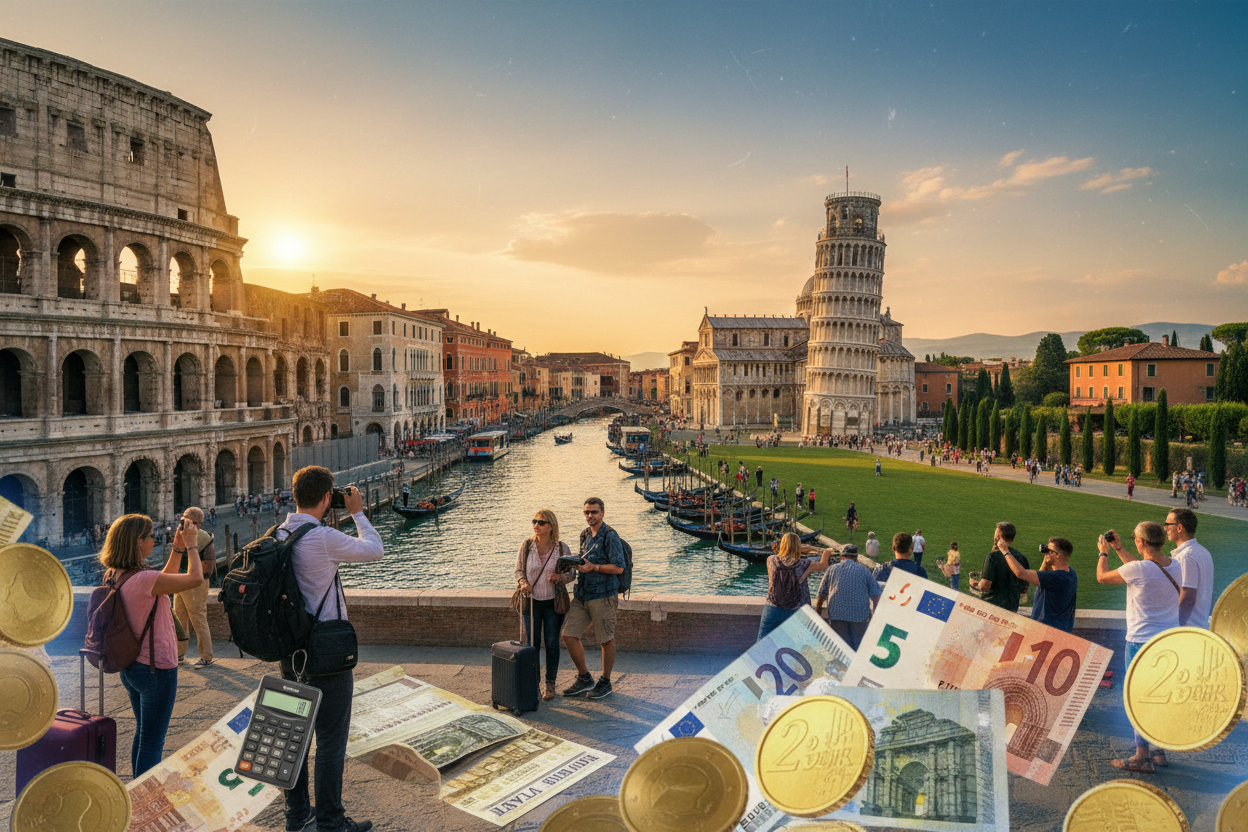
Understanding Italy’s Tourism Tax Landscape
Italy isn’t new to tourism taxes. Many Italian cities already impose local tourist taxes, known as “tassa di soggiorno,” which vary significantly from one destination to another. Currently, these fees range from 1 to 7 euros per person per night, depending on the city and type of accommodation.
However, the 2026 changes represent a more comprehensive approach. The new system will standardize certain aspects while introducing additional fees that extend beyond simple overnight stays. This shift reflects Italy’s growing concern about the environmental and social impact of mass tourism on its historic cities and natural landscapes.

The timing isn’t coincidental either. Italy has been grappling with overtourism for years, particularly in hotspots like Venice, Florence, and the Amalfi Coast. The pandemic provided a brief respite, but tourist numbers have surged back to pre-2020 levels, putting renewed pressure on infrastructure and local communities.
Breakdown of New Tourism Fees for 2026
Starting in 2026, travelers to Italy will encounter several new types of tourism taxes. The most significant addition is the “heritage preservation fee,” which will apply to visits to major archaeological sites, museums, and UNESCO World Heritage locations. This fee is expected to range from 3 to 10 euros per person, depending on the significance and popularity of the site.
Additionally, popular coastal destinations will implement a “marine protection tax” during peak season months (June through September). This fee, estimated at 2 to 5 euros per day, applies to all visitors staying within 5 kilometers of the coastline and aims to fund marine conservation efforts and beach maintenance.
Urban centers with populations over 100,000 will also see increases in their existing tourist taxes. Cities like Rome, Milan, and Naples are expected to raise their nightly fees by 1 to 3 euros per person. Meanwhile, smaller historic towns may introduce new taxes for the first time, typically ranging from 1 to 2 euros per night.
Transportation hubs aren’t exempt from these changes either. Major airports and train stations will implement a “mobility infrastructure fee” of approximately 2 euros per departure, similar to systems already in place in other European countries.
City-Specific Tax Changes Across Italy
Venice, already famous for its day-tripper fee introduced in 2024, will expand its taxation system significantly. The city plans to increase its overnight tourist tax from the current 5 euros to 8 euros per night during peak season. More notably, the day-tripper fee will become year-round rather than seasonal, though rates will vary from 3 euros in low season to 10 euros during peak periods.
Rome is taking a different approach, focusing on archaeological site access. The Eternal City will introduce a “Roman Heritage Pass” system, where tourists pay a daily fee of 15 euros that covers access to major sites like the Colosseum, Roman Forum, and Palatine Hill, plus public transportation. While this might seem steep, it could actually save money for visitors planning to see multiple attractions.
Florence will implement one of the most comprehensive systems, combining increased overnight taxes (rising to 6 euros per night) with new fees for day visitors to the historic center. Anyone entering the UNESCO-protected area without an overnight reservation will pay 5 euros during peak hours (10 AM to 6 PM) and 3 euros during off-peak times.
The Amalfi Coast presents a unique case, with individual towns along the coastline coordinating their efforts. Positano, Amalfi, and Ravello will implement a unified “coastal experience fee” of 4 euros per day for all visitors, whether staying overnight or visiting for the day. This fee includes access to public beaches and coastal walking paths.
Impact on Different Types of Travelers
Budget travelers will feel the impact of these new taxes most acutely. For someone planning a week-long backpacking trip through Italy, the additional costs could easily add 50 to 100 euros to their total expenses. This demographic, which often relies on hostels and day trips to multiple cities, will need to factor these fees into their already tight budgets.
Family travelers face a different challenge. While children under 12 are typically exempt from tourism taxes, families with teenagers will see costs multiply quickly. A family of four visiting Rome, Florence, and Venice for ten days could expect to pay an additional 200 to 300 euros in various tourism taxes.
Luxury travelers, while less price-sensitive, aren’t immune to these changes. High-end hotels in major cities are already discussing whether to absorb these costs or pass them directly to guests. Some premium properties are considering creating “all-inclusive cultural packages” that bundle accommodation with tax payments and exclusive access to attractions.
Business travelers represent an interesting case, as many of these new taxes specifically target leisure tourism. However, business visitors staying in tourist-heavy areas or extending their trips for leisure purposes will still encounter these fees. Companies may need to adjust their travel expense policies accordingly.
Exemptions and Discounts Available
Italy’s new tourism tax system includes several exemptions and discount programs designed to encourage responsible tourism and support specific demographics. Students with valid international student IDs will receive 50% discounts on most tourism taxes, though they’ll still need to pay the full marine protection tax in coastal areas.
Residents of EU countries over 65 years old qualify for reduced rates on heritage preservation fees, paying approximately 30% less than the standard rate. This discount recognizes the cultural exchange value of senior tourism while acknowledging fixed income constraints.
Extended stay visitors – those remaining in the same location for more than seven consecutive nights – will see their daily tourism taxes decrease after the first week. This tiered system encourages longer stays, which typically have less environmental impact per day than short visits.
Shoulder season travel will offer the most significant savings. Visitors traveling between November and March (excluding holiday periods) will pay reduced rates on most taxes, sometimes as much as 40% less than peak season prices. This pricing strategy aims to distribute tourist flows more evenly throughout the year.
How to Budget and Plan for These Additional Costs
Smart travelers should start incorporating these costs into their trip planning immediately, even for 2026 travel. Creating a separate “tax and fees” budget category can help prevent unpleasant surprises. As a general rule, budget an additional 10 to 15 euros per person per day for tourism taxes when visiting major Italian destinations.
Booking strategies will become more important than ever. Many hotels and tour operators are already developing packages that include estimated tax payments, allowing travelers to pay upfront and avoid dealing with multiple small transactions during their trip. While these packages might include a small markup, they offer convenience and budget certainty.
Consider adjusting your itinerary to minimize tax exposure. Instead of visiting multiple cities for short periods, focus on fewer destinations for longer stays to take advantage of extended stay discounts. This approach often leads to richer cultural experiences anyway.
Payment methods matter too. Many tourism taxes must be paid in cash, so ensure you have sufficient euros on hand. Some cities are developing mobile apps for tax payment, but cash remains the most widely accepted method.
Comparing Italy’s Approach to Other European Destinations
Italy’s new tourism tax structure aligns with broader European trends toward sustainable tourism management. Barcelona recently increased its tourist tax to 4 euros per night and introduced additional fees for cruise ship passengers. Amsterdam has raised its tourist tax to 12.5% of the room rate, one of the highest in Europe.
France takes a different approach, with Paris focusing on short-term rental regulations rather than visitor fees, though the city does maintain a modest tourist tax. Germany’s system varies by state, with Bavaria implementing some of the country’s highest tourism taxes to protect Alpine environments.
What sets Italy apart is the comprehensive nature of its 2026 reforms. Rather than piecemeal city-by-city approaches, Italy is creating a more unified national framework while still allowing local flexibility. This could serve as a model for other countries struggling with overtourism.
The revenue generation aspect is significant too. Italy expects these new taxes to generate over 500 million euros annually, funds that will be dedicated to heritage preservation, infrastructure improvement, and sustainable tourism development.
Preparing for Your Italian Adventure in 2026 and Beyond
Italy’s new tourism taxes represent a significant shift in how the country manages its relationship with visitors. While these additional costs might seem daunting at first glance, they’re part of a larger effort to ensure that Italy’s incredible cultural and natural heritage remains accessible for generations to come.
The key to navigating these changes successfully lies in preparation and understanding. By budgeting appropriately, taking advantage of available discounts, and adjusting travel patterns to align with the new system, travelers can continue to enjoy everything Italy has to offer while contributing to its preservation.
Remember that these taxes serve a purpose beyond revenue generation. They’re tools for managing visitor flows, protecting fragile environments, and ensuring that tourism benefits local communities rather than overwhelming them. When viewed in this context, the additional costs become an investment in the sustainability of one of the world’s most treasured destinations.
Start planning now, budget wisely, and prepare for an Italian adventure that’s not just memorable for you, but sustainable for Italy’s future. The country’s timeless beauty, rich culture, and warm hospitality remain unchanged – you’ll just be paying a bit more to help preserve them for everyone who follows in your footsteps.
Book Now!
Call to action to book now.
Leave a Comment