The Ultimate European Grand Tour: Modern Planning for Classic Routes
There’s something utterly romantic about the idea of a European Grand Tour. Once reserved for wealthy young aristocrats in the 18th and 19th centuries, this transformative journey through Europe’s cultural capitals has evolved into an accessible adventure for modern travelers. Today’s grand tour combines the timeless allure of classical routes with contemporary conveniences, digital planning tools, and sustainable travel options that make this dream trip more achievable than ever before.
Whether you’re a recent graduate seeking cultural enrichment, a seasoned traveler looking to tick off bucket list destinations, or someone planning the ultimate European adventure, understanding how to craft your own modern grand tour can turn months of travel into a life-changing experience. Let’s explore how to plan this epic journey while honoring its historical roots and embracing today’s travel innovations.
Understanding the Historical Grand Tour Legacy
The original Grand Tour wasn’t just a vacation—it was considered an essential part of a young person’s education. Starting in the 17th century, wealthy Europeans would embark on extensive journeys lasting anywhere from several months to several years, visiting key cultural centers across the continent. The classic route typically began in London, wound through Paris, crossed the Alps into Italy, and included extended stays in Florence, Rome, and Venice.
These travelers weren’t just sightseeing; they were collecting art, learning languages, studying architecture, and forming connections that would last a lifetime. The Grand Tour shaped European culture, influenced artistic movements, and created a template for cultural exchange that resonates today. Understanding this heritage helps modern travelers appreciate why certain cities and routes remain so compelling centuries later.
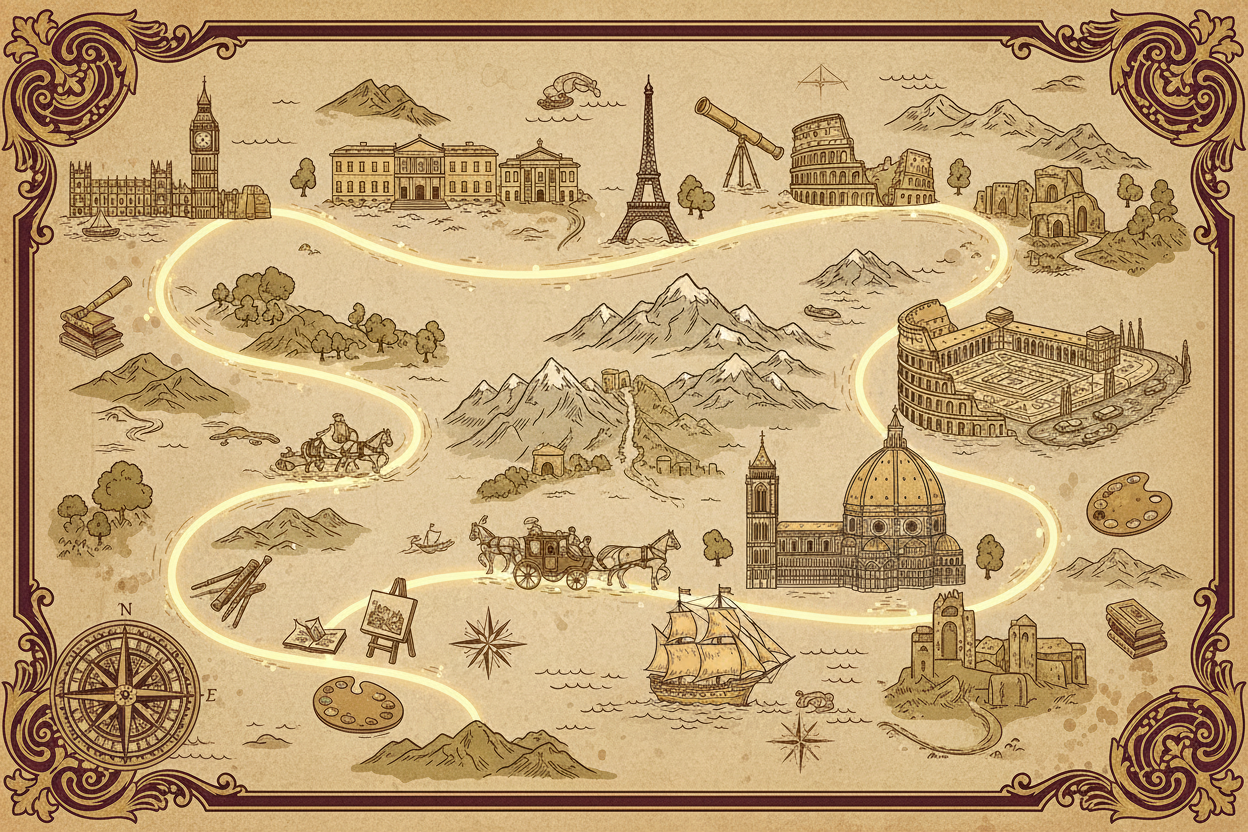
Today’s version maintains the spirit of cultural immersion and personal growth while adapting to contemporary travel realities. Instead of traveling by horse-drawn carriage for months, we can hop on high-speed trains, budget airlines, or even plan epic road trips that cover the same ground in weeks rather than years.
Essential Destinations for Your Modern Grand Tour
While your personal interests should ultimately guide your itinerary, certain destinations have earned their place on the grand tour circuit through centuries of cultural significance. London remains an excellent starting point, offering world-class museums, theater, and that perfect English-speaking launch pad for continental adventures.
Paris deserves at least a week of your time. Beyond the obvious attractions like the Louvre and Eiffel Tower, spend time wandering neighborhoods like Montmartre and the Marais, where you’ll discover the authentic Parisian lifestyle that captivated grand tourists centuries ago. The city’s café culture, architectural marvels, and artistic heritage make it an indispensable stop.
The journey through the Alps to Italy recreates one of the most dramatic and transformative portions of the original grand tour. Whether you choose the scenic train route through Switzerland or drive through mountain passes, this transition from Northern to Southern Europe remains as breathtaking today as it was for 18th-century travelers.
Florence, Rome, and Venice form the holy trinity of Italian grand tour destinations. Florence offers Renaissance art and architecture in a compact, walkable setting. Rome provides layers of history from ancient ruins to Vatican treasures. Venice delivers unique architecture and romantic canals that have inspired travelers for generations. Each city requires different pacing—Florence can be absorbed in 3-4 days, Rome demands at least a week, and Venice rewards slow exploration over 2-3 days.
Modern Transportation Options and Routes
Today’s grand tour benefits enormously from Europe’s excellent transportation infrastructure. The Eurail Pass system allows flexible train travel across multiple countries, making it possible to follow historical routes while enjoying modern comfort and speed. High-speed trains connect major cities in hours rather than days, but consider mixing in slower regional trains for scenic routes through the Alps or along coastlines.
Budget airlines have revolutionized European travel, making it possible to cover vast distances quickly and affordably. However, factor in airport time and city-to-airport transfers when comparing with train travel. For routes like London to Paris or Paris to Rome, trains often prove more convenient despite longer journey times.
Road trips offer ultimate flexibility and access to smaller towns and countryside that grand tourists of old would have experienced. Modern rental car services, GPS navigation, and excellent highway systems make driving between countries straightforward. Consider a hybrid approach: fly or train between distant cities, then rent cars for regional exploration.
River cruises along the Rhine, Danube, or through French wine regions provide a luxurious nod to the leisurely pace of historical grand tours. These options work particularly well for travelers who want cultural immersion without constant packing and unpacking.
Digital Planning Tools and Modern Resources
Contemporary grand tour planning benefits from digital tools that would have amazed historical travelers. Apps like Rome2Rio help compare transportation options across multiple modes and countries. Google Maps allows detailed route planning and offline access for areas with limited connectivity. TripAdvisor and similar platforms provide real-time reviews and recommendations from fellow travelers.
Accommodation booking platforms like Booking.com and Airbnb offer everything from budget hostels to luxury apartments, often with flexible cancellation policies that accommodate changing itineraries. Consider mixing accommodation types: stay in historic hotels in major cities, try local guesthouses in smaller towns, and book apartments for longer stays where you want to live like locals.
Language learning apps like Duolingo or Babbel can help you pick up basics in multiple languages before departure. While English is widely spoken in tourist areas, knowing even simple phrases in local languages enhances cultural connections and shows respect for local customs.
Digital banking and payment apps eliminate much of the currency exchange hassle that plagued earlier travelers. Notify your banks of travel plans, research foreign transaction fees, and consider getting cards specifically designed for international travel.
Budget Planning for Extended European Travel
Modern grand tours can accommodate various budgets through strategic planning and flexible choices. Accommodation typically represents the largest expense, so consider alternatives to hotels. Hostels aren’t just for young backpackers—many offer private rooms and excellent locations. Apartment rentals become cost-effective for stays longer than 3-4 nights, especially when you factor in savings from cooking some meals.
Transportation costs vary dramatically based on booking timing and flexibility. Train passes offer convenience but aren’t always the cheapest option. Budget airlines can be incredibly affordable if you book in advance and travel with minimal luggage. Consider the total cost including baggage fees, airport transfers, and time value when comparing options.
Food expenses can be managed through market visits, grocery shopping, and strategic restaurant choices. Lunch menus are often significantly cheaper than dinner at the same establishments. Street food and local markets provide authentic experiences at fraction of restaurant costs. However, don’t skip signature dining experiences entirely—they’re part of cultural immersion.
Museum passes and city tourism cards often provide significant savings plus skip-the-line access. Research these options for each major destination, as they vary widely in value depending on your interests and planned activities.
Cultural Immersion and Authentic Experiences
The heart of any grand tour lies in cultural immersion rather than superficial sightseeing. Stay in neighborhoods where locals live rather than tourist districts when possible. Shop at local markets, attend cultural events, and seek out experiences that connect you with contemporary European life alongside historical attractions.
Language exchange meetups, cooking classes, and local walking tours led by residents provide deeper cultural insights than standard tourist activities. Many cities offer free walking tours that provide excellent orientation and local perspectives, though tips are expected and appreciated.
Consider timing your visit to coincide with local festivals, seasonal events, or cultural celebrations. These experiences often provide more memorable moments than famous landmarks and offer opportunities to interact with locals in natural settings.
Document your journey through journaling, photography, or blogging. Historical grand tourists kept detailed journals that became treasured family records. Your digital documentation serves the same purpose while potentially inspiring others to undertake their own cultural adventures.
Sustainable Travel Practices for Modern Tourists
Today’s grand tourists have opportunities to travel more sustainably than ever before. Train travel produces significantly lower carbon emissions than flying, making overland routes an environmentally conscious choice. When flights are necessary, consider carbon offset programs and choose direct routes when possible.
Support local economies by staying in locally-owned accommodations, eating at family restaurants, and purchasing souvenirs from local artisans rather than international chains. This approach provides more authentic experiences while ensuring your travel spending benefits local communities.
Pack light and choose versatile clothing suitable for multiple climates and occasions. European cities are generally very walkable, and heavy luggage becomes a significant burden when navigating stairs, cobblestone streets, and public transportation.
Respect local customs, dress codes, and environmental regulations. Research tipping customs, appropriate behavior in religious sites, and local etiquette to ensure you’re a respectful visitor who contributes positively to the places you visit.
Conclusion
The modern European Grand Tour represents the perfect fusion of historical tradition and contemporary convenience. While today’s travelers can cover the same routes in weeks rather than months, the core purpose remains unchanged: cultural enrichment, personal growth, and the creation of lasting memories through immersive travel experiences.
Success lies in balancing efficient modern planning with the unhurried spirit of discovery that made the original Grand Tour so transformative. Use digital tools to handle logistics, but leave room for spontaneous discoveries and genuine cultural connections. Whether you have three weeks or three months, the key is approaching your journey with curiosity, respect, and openness to the life-changing experiences that await along Europe’s most storied routes.
Your grand tour doesn’t need to replicate historical itineraries exactly—it should reflect your interests, budget, and travel style while honoring the spirit of cultural exploration that has drawn travelers to Europe for centuries. Start planning your ultimate European adventure today, and prepare for a journey that will expand your worldview and create memories to last a lifetime.
Leave a Comment