
Hidden Italy: 2026’s Best Kept Travel Secrets Revealed
While millions of travelers flock to Rome’s Colosseum and Venice’s canals each year, Italy harbors countless hidden gems waiting to be discovered. As we look ahead to 2026, savvy travelers are seeking authentic experiences beyond the well-trodden tourist paths. From medieval villages perched on clifftops to pristine beaches known only to locals, these secret destinations offer the true essence of Italian culture without the overwhelming crowds.
The beauty of exploring hidden Italy lies not just in the destinations themselves, but in the journey of discovery. These lesser-known places allow you to experience Italy as Italians do – sipping espresso in village squares where everyone knows each other’s names, stumbling upon family-run trattorias that have served the same recipes for generations, and witnessing traditions that have remained unchanged for centuries.
Castelluccio di Norcia: Umbria’s Floating Village
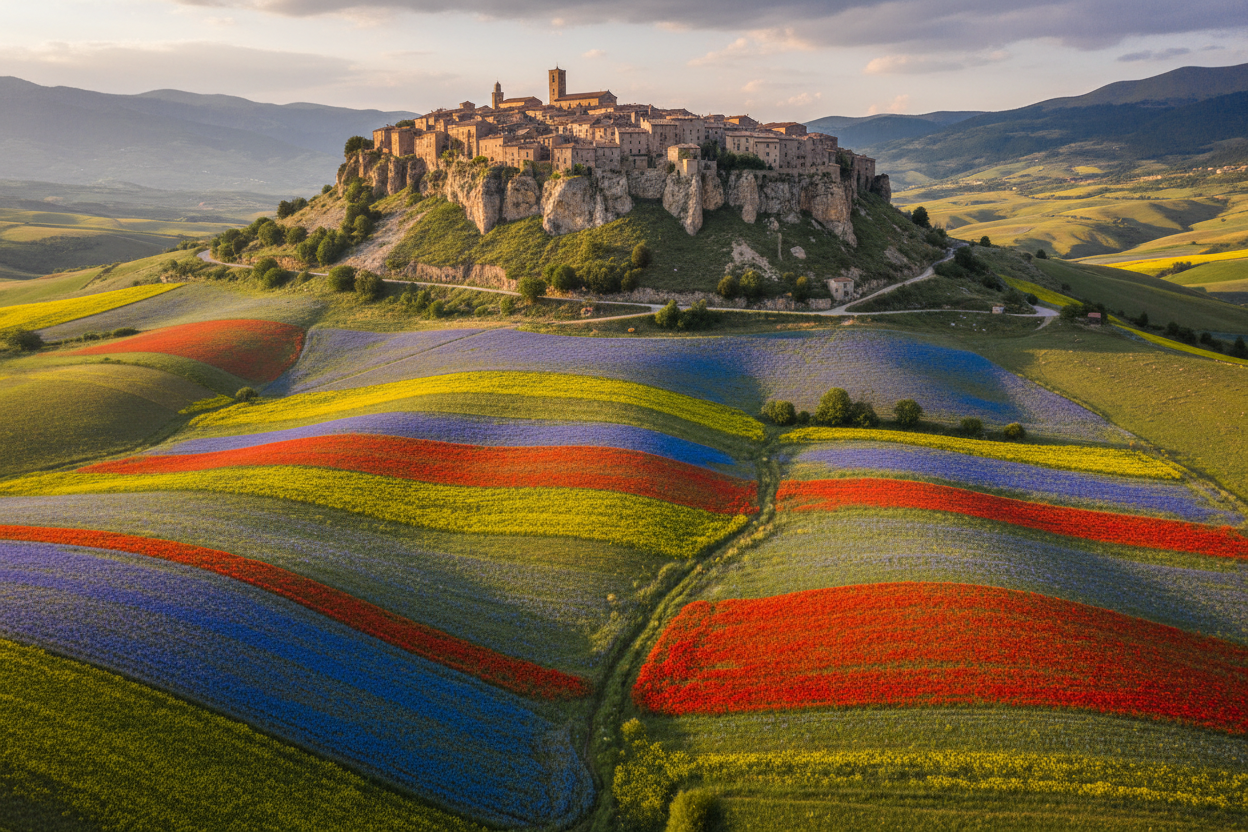
Nestled high in the Sibillini Mountains at 1,452 meters above sea level, Castelluccio di Norcia feels like a village suspended between earth and sky. This tiny hamlet in Umbria becomes a pilgrimage site for photographers and nature lovers during late spring and early summer when the surrounding Piano Grande transforms into a spectacular carpet of wildflowers.
The village itself consists of just a handful of stone houses and a small church, but its isolation is precisely what makes it magical. Local shepherds still graze their flocks on the ancient plains, and the famous Castelluccio lentils – considered among Italy’s finest – grow in the mineral-rich soil. The area suffered significant damage during the 2016 earthquakes, but careful restoration efforts have preserved its authentic character while improving accessibility for visitors.
For the best experience, visit during the flowering season from late May to early July. The drive up the winding mountain roads is an adventure in itself, offering breathtaking views of the Umbrian countryside. Pack layers, as temperatures can drop significantly even in summer at this altitude.
Procida: The Colorful Island Time Forgot
While Capri and Ischia attract international attention, their smaller neighbor Procida remains refreshingly authentic. This volcanic island in the Bay of Naples was Italy’s Capital of Culture in 2022, yet it has managed to retain its fishing village charm without succumbing to mass tourism.
The island’s signature pastel-colored houses cascade down to small harbors where fishermen still mend their nets each morning. Terra Murata, the island’s ancient citadel, offers panoramic views across the bay, while the medieval Abbey of San Michele Arcangelo houses remarkable frescoes and a library containing ancient manuscripts.
Procida’s beaches are another well-kept secret. Chiaia Beach, accessible by foot or small boat, features dark volcanic sand and crystal-clear waters. The beach at Pozzo Vecchio remains largely undeveloped, offering a glimpse of how Mediterranean coastlines looked before tourism transformed them.
The island’s culinary scene focuses on fresh seafood and local lemons. Try the traditional “insalata di limoni” – a refreshing lemon salad that perfectly captures Procida’s essence. The best time to visit is late spring or early fall when the weather is pleasant, and the island belongs primarily to locals.
Val d’Orcia’s Hidden Villages: Beyond Pienza and Montalcino
The Val d’Orcia region in southern Tuscany is famous for its rolling hills and cypress-lined roads, but most visitors only scratch the surface by visiting well-known towns like Pienza and Montalcino. Venture deeper into this UNESCO World Heritage landscape to discover villages that seem frozen in time.
Castiglione d’Orcia, perched on a hilltop overlooking the valley, offers stunning views without the tourist buses. The village’s Rocca d’Orcia fortress provides a perfect vantage point for sunset photography, while the nearby Bagni San Filippo thermal springs offer a natural spa experience surrounded by travertine formations.
San Quirico d’Orcia charms visitors with its perfectly preserved medieval walls and the remarkable Collegiate Church of Saints Quirico and Giulitta, featuring intricate Romanesque portals. The nearby Horti Leonini gardens, designed in the 16th century, provide a peaceful retreat with geometric hedges and ancient oak trees.
These villages offer authentic agriturismo experiences where you can participate in olive harvests, learn traditional cooking techniques, and taste wines that never make it beyond the local market. The key is staying overnight rather than just passing through – evening light transforms the landscape into pure poetry, and morning mists create an almost mystical atmosphere.
Matera’s Sassi: Ancient Cave Dwellings Reborn
While Matera gained international recognition as the 2019 European Capital of Culture, many travelers still overlook this extraordinary city in Basilicata. The ancient Sassi districts – cave dwellings carved into limestone cliffs – represent one of the world’s oldest continuously inhabited settlements, dating back over 9,000 years.
The transformation of Matera from poverty-stricken slum to UNESCO World Heritage site is remarkable. Today, many caves have been converted into boutique hotels, restaurants, and artisan workshops while maintaining their historical integrity. Staying in a cave hotel offers a unique experience – thick stone walls naturally regulate temperature, creating cool retreats in summer and cozy shelters in winter.
Explore the rock churches scattered throughout the ravine, featuring Byzantine frescoes that survived centuries of abandonment. The Church of Santa Maria de Idris, carved entirely from rock, contains some of the best-preserved medieval paintings in southern Italy.
Matera’s culinary scene reflects its ancient heritage. Local specialties include “pane di Matera” – bread baked in wood-fired ovens using traditional methods – and “crapiata,” a hearty legume soup that sustained cave dwellers for generations. The city’s restaurants increasingly focus on rediscovered ancient grains and forgotten vegetables once cultivated in the surrounding countryside.
Cinque Terre’s Secret Sixth Village: Campiglia
Everyone knows about the five famous villages of Cinque Terre, but few discover Campiglia, often called the “secret sixth village.” This tiny hamlet sits high above the coastal trail, connected to Corniglia by an ancient mule path that offers some of the most spectacular views in Liguria.
Campiglia consists of just a few dozen stone houses clustered around a small church, but its terraced vineyards produce exceptional wine, and its position provides unparalleled panoramas of the Mediterranean coastline. The village nearly became a ghost town in the mid-20th century, but dedicated locals have preserved its agricultural traditions and restored many buildings using traditional techniques.
The hike to Campiglia takes about 45 minutes from Corniglia, following ancient terraced paths through vineyards and olive groves. The trail is steep but well-maintained, passing through landscapes that have remained virtually unchanged for centuries. At the top, a small osteria serves local wine and simple dishes made from ingredients grown in the surrounding terraces.
This hidden gem offers everything that draws people to Cinque Terre – dramatic coastal scenery, ancient agricultural traditions, and authentic Italian village life – without the overwhelming crowds that can diminish the experience in the more famous villages below.
Planning Your Hidden Italy Adventure
Discovering Italy’s secret places requires different planning than typical tourist destinations. Many of these locations have limited accommodation options, so booking well in advance is essential, especially during peak seasons. Consider staying in nearby larger towns and making day trips if accommodation in the villages themselves is unavailable.
Transportation to hidden destinations often involves rental cars or local buses that may run infrequently. Research transportation options thoroughly and always have backup plans. Many of Italy’s most beautiful secret places are accessible only by foot, so pack appropriate hiking gear and comfortable walking shoes.
Learning basic Italian phrases enhances the experience significantly in these off-the-beaten-path locations where English may not be widely spoken. Locals appreciate visitors who make an effort to communicate in Italian, and these interactions often lead to the most memorable travel experiences.
Respect for local customs and traditions is particularly important in small communities where tourism is still relatively new. Follow local guidelines, support small businesses, and remember that you’re a guest in communities where people live and work year-round.
Embracing Italy’s Authentic Soul
Italy’s hidden treasures offer something that crowded tourist destinations cannot – the opportunity to experience authentic Italian life as it has existed for generations. These secret places remind us why we travel in the first place: to discover, to connect, and to see the world through different eyes.
As 2026 approaches, these destinations may not remain hidden forever. Tourism patterns are constantly evolving, and social media has a way of transforming secret spots into must-see destinations overnight. However, by traveling thoughtfully and respectfully, we can help ensure that these special places retain their authentic character for future generations to discover and appreciate.
The real magic of hidden Italy lies not just in the destinations themselves, but in the journey of discovery – the unexpected encounters, the stories shared over simple meals, and the moments of wonder that occur when you stumble upon something truly extraordinary. These experiences remind us that Italy’s greatest treasures aren’t always found in guidebooks, but in the hearts and traditions of the people who call these remarkable places home.
Book Now!
Call to action to book now.
Leave a Comment