European Christmas Markets: A Cruise Specialist’s Insider Guide
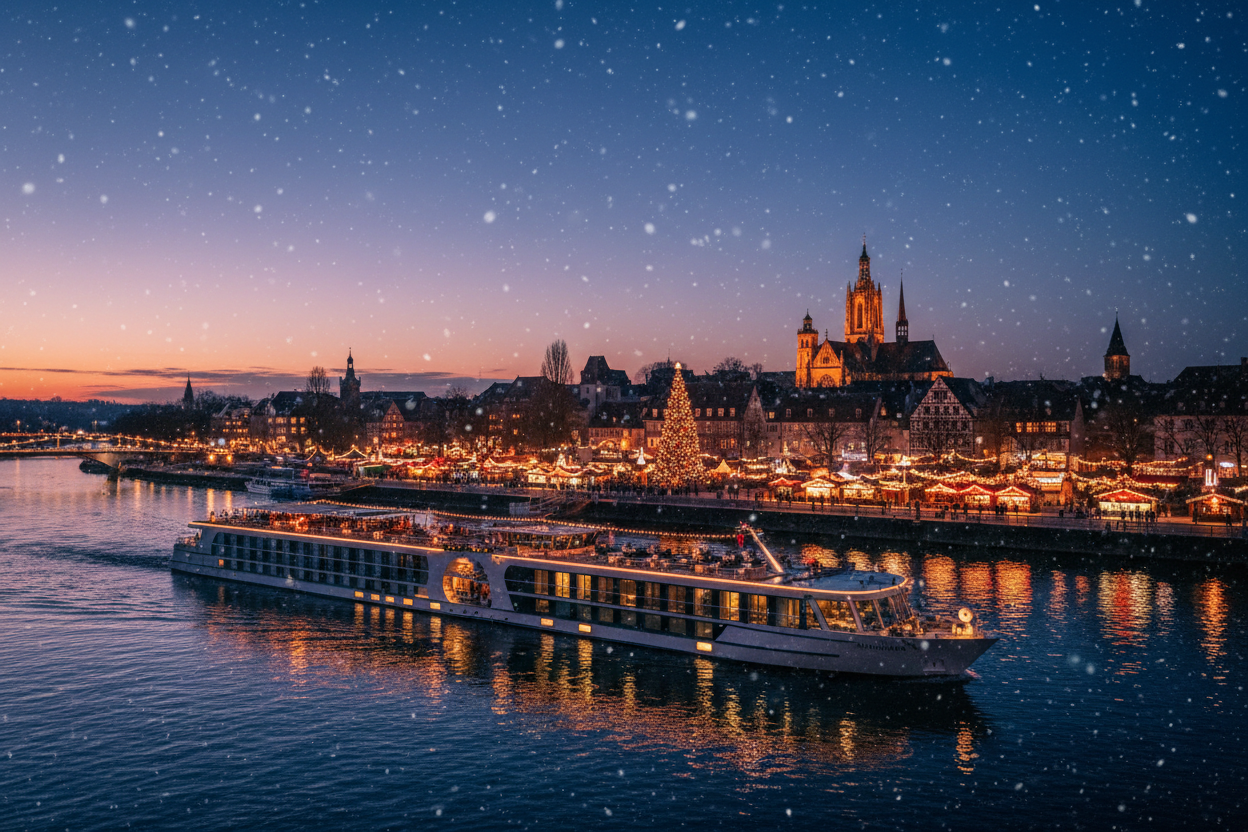
As someone who has spent over a decade organizing river cruises through Europe’s most enchanting Christmas markets, I can tell you there’s something absolutely magical about experiencing these festive wonderlands from the deck of a ship. The gentle motion of the river, the twinkling lights reflecting off the water, and the anticipation of stepping into centuries-old traditions – it’s a combination that never gets old, no matter how many times I’ve witnessed it.
European Christmas markets have been captivating visitors for generations, but experiencing them via cruise offers a unique perspective that most travelers never consider. You’re not just visiting these markets; you’re living among them, waking up to the scent of mulled wine and roasted chestnuts, and falling asleep to the soft glow of market lights dancing on your cabin window.
Why Choose a Christmas Market Cruise Over Traditional Tours
After years of helping travelers plan their perfect European Christmas market experience, I’ve learned that cruises offer distinct advantages that land-based tours simply can’t match. First and foremost, you unpack once. While other tourists are dragging luggage from hotel to hotel, you’re settling into your floating home base, watching the scenery change outside your window.
The timing aspect is crucial too. Most Christmas market cruises are strategically planned to arrive at each destination during optimal hours – usually late afternoon or early evening when the markets come alive with lights and energy. You’ll avoid the morning setup chaos and experience each market at its most atmospheric moment.

From a practical standpoint, river cruise ships can dock remarkably close to city centers. I’ve watched guests step off their ship in Cologne and be browsing handcrafted ornaments within a five-minute walk. Try getting that convenience with a traditional tour bus.
The Rhine River Route: Germany’s Christmas Market Highway
The Rhine River serves as Germany’s unofficial Christmas market highway, connecting some of the country’s most spectacular seasonal celebrations. Starting in Amsterdam and winding through Germany, this route offers an incredible diversity of market experiences.
Cologne’s market, spread across multiple locations throughout the city, represents the perfect introduction to German Christmas traditions. The market at the cathedral is breathtaking – imagine Gothic spires towering over wooden stalls selling everything from hand-blown glass ornaments to traditional stollen. What many visitors don’t realize is that Cologne actually hosts seven different Christmas markets, each with its own character and specialties.
Koblenz offers a more intimate experience, where the market feels like a neighborhood celebration rather than a tourist attraction. The local vendors here have been perfecting their crafts for generations, and you’ll find unique items that simply don’t exist at larger, more commercial markets.
Rudesheim am Rhein transforms into a fairytale village during Christmas season. The narrow cobblestone streets lined with half-timbered houses create the perfect backdrop for one of Germany’s most photogenic Christmas markets. The Drosselgasse, famous for its wine taverns, becomes even more magical with Christmas decorations.
Danube River Delights: From Germany to Eastern Europe
The Danube Christmas market cruise route offers something completely different – a journey through multiple countries and cultures, each putting their own spin on Christmas traditions. This route typically includes stops in Germany, Austria, Slovakia, and Hungary, providing a fascinating comparison of how different cultures celebrate the season.
Passau, Germany, known as the “City of Three Rivers,” hosts a market that feels authentically local. The vendors know each other by name, and you’ll often see families who’ve been coming to the same stalls for decades. The cathedral’s Christmas concerts add an extra layer of magic to evening visits.
Vienna’s Schonbrunn Palace Christmas Market is pure imperial elegance. Shopping for handcrafted gifts in the shadow of a Habsburg palace while sipping Austrian gluhwein creates memories that last a lifetime. The quality of craftsmanship here is exceptional – these aren’t mass-produced souvenirs but genuine artisan creations.
Budapest’s Christmas markets offer an Eastern European perspective that many Western travelers haven’t experienced. The thermal baths remain open during winter, so you can warm up after market browsing with a relaxing soak – an experience unique to this destination.
Hidden Gems: Lesser-Known Christmas Market Destinations
While everyone knows about the famous markets in major cities, some of my most memorable experiences have been at smaller, lesser-known destinations that river cruises can access. These hidden gems offer authentic experiences without the overwhelming crowds.
Bamberg, Germany, feels like stepping into a medieval Christmas card. The entire old town is a UNESCO World Heritage site, and during Christmas season, it transforms into something almost surreal. The market here focuses heavily on local crafts and regional foods – you won’t find mass-produced items, but you will discover unique treasures.
Wurzburg combines Christmas market charm with incredible wine culture. The Franconian wines served at the market stalls offer a different experience from the typical gluhwein, and the fortress overlooking the city provides spectacular views of the market lights below.
Melk, Austria, might be small, but its Christmas market, set against the backdrop of the famous Melk Abbey, creates an incredibly atmospheric experience. The monks from the abbey often participate in the market activities, adding a spiritual dimension that’s quite moving.
Maximizing Your Christmas Market Cruise Experience
Over the years, I’ve developed strategies to help travelers make the most of their Christmas market cruise experience. Timing is everything – most markets operate from late November through December 23rd, but the sweet spot is typically the first two weeks of December when decorations are fresh and crowds are manageable.
Pack strategically. Comfortable walking shoes are non-negotiable, and layers are essential since you’ll be moving between outdoor markets and heated indoor spaces. Don’t forget a good camera – the lighting at these markets, especially during the golden hour, creates incredible photography opportunities.
Budget for experiences, not just souvenirs. Yes, the handcrafted ornaments and local delicacies are tempting, but the real value lies in experiences like attending a Christmas concert in a medieval church or taking a guided tour of a castle decorated for the holidays.
Engage with local vendors. Many speak English and love sharing stories about their crafts and traditions. These conversations often lead to the most meaningful moments of the trip and sometimes to special items not displayed for general sale.
Culinary Adventures at Christmas Markets
Food is an integral part of the Christmas market experience, and each region offers distinct specialties that reflect local culture and traditions. The variety goes far beyond the ubiquitous bratwurst and pretzels that many people expect.
German markets excel at hearty, warming foods perfect for cold weather. Reibekuchen (potato pancakes) served with applesauce or smoked salmon provide comfort food at its finest. The lebkuchen (gingerbread) varies dramatically by region – Nuremberg’s version is protected by law and tastes nothing like what you might expect from grocery store gingerbread.
Austrian markets showcase their pastry expertise with incredible strudels, sachertorte, and unique Christmas cookies that are works of art. The hot chocolate in Vienna is legendary – thick, rich, and often topped with real whipped cream.
Hungarian markets introduce flavors that might be unfamiliar to Western palates but are absolutely delicious. Langos topped with sour cream and cheese, or chimney cake (kurtoskalacs) dusted with cinnamon and sugar, provide sweet adventures for adventurous eaters.
Shopping Smart: What to Buy and What to Skip
After watching countless travelers navigate Christmas market shopping, I’ve learned to distinguish between worthwhile purchases and tourist traps. The key is understanding what each region does best and focusing your shopping accordingly.
German markets excel at wooden crafts, particularly from the Erzgebirge region. Nutcrackers, smoking men, and Christmas pyramids from this area are genuine artisan pieces that will last generations. However, be wary of mass-produced versions – authentic pieces will have maker’s marks and higher price points that reflect their quality.
Austrian markets offer exceptional textiles and clothing. Traditional dirndls and lederhosen might seem touristy, but high-quality versions are actually practical and beautiful. The wool goods – scarves, hats, and sweaters – use local materials and traditional techniques.
What to skip? Mass-produced ornaments that you can find anywhere, overpriced mulled wine mugs (unless you genuinely love them), and any “traditional” items made in China. Focus on items that are genuinely local and handmade.
Planning Your Perfect Christmas Market Cruise
The planning process for a Christmas market cruise requires more consideration than a typical river cruise. Peak season means higher prices and limited availability, so booking early is essential – I typically recommend securing reservations by February for the following December.
Cabin selection matters more during Christmas market season because you’ll likely spend more time in your room enjoying the festive atmosphere outside your window. River-view cabins on the upper decks provide the best experience, especially when passing illuminated cities at night.
Consider extending your cruise with pre or post-cruise stays. Many cruise lines offer extensions in cities like Amsterdam, Vienna, or Budapest, allowing you to explore beyond the Christmas markets and experience these destinations more thoroughly.
Weather contingencies are crucial. December weather in Central Europe can be unpredictable, and low water levels occasionally affect river cruise itineraries. Travel insurance and flexible booking policies become more important during this season.
Conclusion
European Christmas market cruises offer an unparalleled way to experience the magic of European holiday traditions. The combination of convenience, atmosphere, and cultural immersion creates memories that far exceed typical vacation experiences. From the moment you step aboard your floating hotel to the final evening watching Christmas lights reflect off the river, every aspect of the journey contributes to something truly special.
Whether you choose the Rhine route through Germany’s Christmas market heartland or the Danube journey through multiple countries and cultures, you’re embarking on more than just a vacation – you’re participating in centuries-old traditions that continue to bring joy and wonder to millions of people each year. The markets will close after Christmas, the decorations will be packed away, but the memories of experiencing European Christmas magic from the deck of a river cruise ship will last a lifetime.
As someone who has witnessed the transformation that these cruises create in travelers – the wonder in their eyes, the excitement in their voices, the reluctance to leave – I can confidently say that a European Christmas market cruise isn’t just a trip; it’s an experience that changes how you think about travel, tradition, and the magic that still exists in our modern world.
Leave a Comment