
Italy Travel Planning: Northern vs Southern Regions Comparison
Planning a trip to Italy can feel overwhelming when faced with choosing between the country’s distinctly different regions. Should you explore the sophisticated cities and Alpine landscapes of the north, or immerse yourself in the sun-soaked traditions and ancient history of the south? This comprehensive comparison will help you decide which Italian adventure suits your travel style, budget, and interests.
Italy’s regional diversity is one of its greatest treasures. The northern regions offer a completely different experience from their southern counterparts, each with unique cultural identities, culinary traditions, and landscapes that have been shaped by centuries of varied influences. Understanding these differences will transform your Italian journey from a simple vacation into a meaningful exploration of one of Europe’s most culturally rich countries.
Cultural Differences and Regional Identity
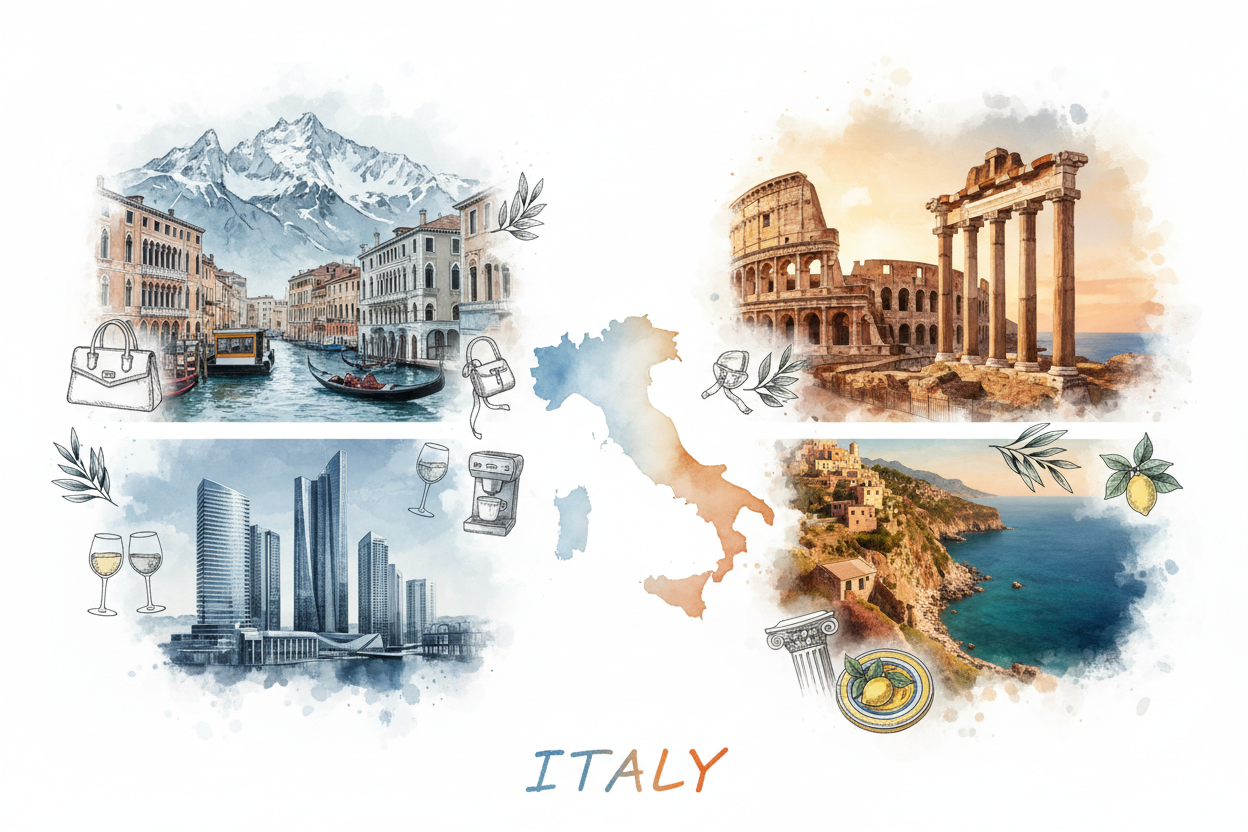
Northern Italy pulses with a distinctly European rhythm that feels closer to Switzerland or Austria than to stereotypical Mediterranean Italy. Cities like Milan, Turin, and Venice showcase centuries of trade connections with Northern Europe, resulting in a culture that values punctuality, efficiency, and modern innovation. The architecture reflects this influence, with Gothic cathedrals, Art Nouveau buildings, and sleek contemporary designs dominating city skylines.
Southern Italy, conversely, embraces a more relaxed Mediterranean lifestyle where family gatherings extend late into the evening and afternoon siestas remain sacred. The pace of life slows noticeably as you travel south of Rome, with locals prioritizing relationships and traditions over strict schedules. Ancient Greek and Arab influences are visible everywhere, from the Byzantine mosaics in Ravenna to the Norman architecture in Sicily.
The language differences are immediately apparent to visitors. Northern Italians often speak with regional dialects influenced by French or German, and many are multilingual due to business connections across Europe. In contrast, southern dialects maintain stronger connections to ancient Italian roots, with some regions preserving Greek or Albanian linguistic elements from historical migrations.
Climate and Best Times to Visit
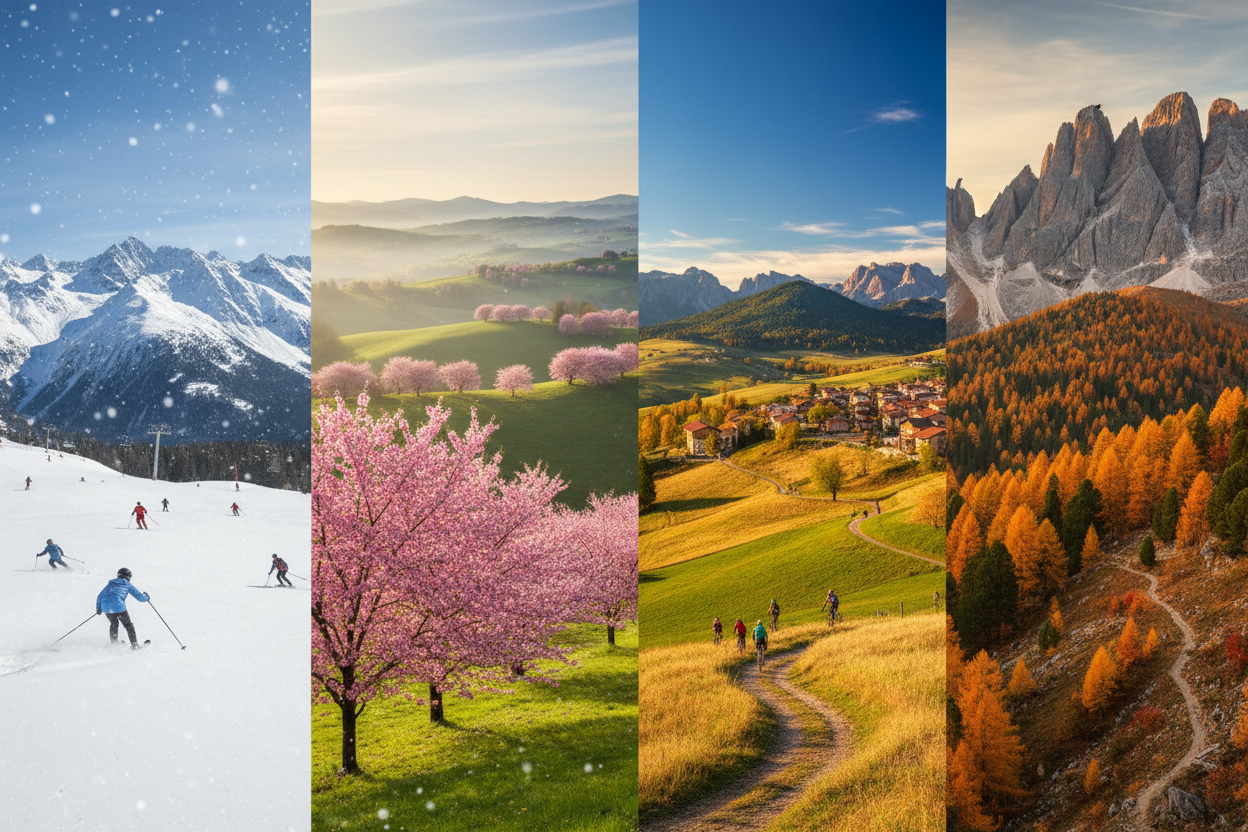
Northern Italy experiences a continental climate with distinct seasons that dramatically transform the landscape throughout the year. Winters can be surprisingly cold, especially in the Alpine regions where snow creates perfect conditions for skiing and winter sports. Spring arrives with spectacular blooms across the Po Valley, while summers are warm but rarely oppressive, making it ideal for exploring cities and hiking in the Dolomites.
The southern regions bask in a Mediterranean climate that attracts sun-seekers year-round. Summers can be intensely hot, particularly in inland areas of Sicily and Calabria, where temperatures often exceed 35°C (95°F). However, coastal breezes provide relief, and the extended swimming season lasts from May through October. Winters are mild and perfect for sightseeing, though some coastal businesses may close during the quieter months.
For northern Italy, the sweet spot for visiting falls between April and October, with July and August being peak tourist season. Southern Italy offers more flexibility, with spring and fall providing the most comfortable temperatures for extensive sightseeing, while summer is perfect for beach lovers who don’t mind the heat.
Cuisine and Food Culture
Italian cuisine varies dramatically between regions, and the north-south divide creates two entirely different culinary worlds. Northern Italian cooking relies heavily on butter, cream, and cheese, with dishes featuring rich risottos, hearty polentas, and delicate filled pastas like tortellini and ravioli. The proximity to the Alps means game meats, mushrooms, and truffles feature prominently, while the Po Valley contributes world-renowned Parmigiano Reggiano and Gorgonzola cheeses.
Southern Italian cuisine celebrates the Mediterranean trinity of olive oil, tomatoes, and fresh herbs. Pasta dishes are typically simpler but more intensely flavored, featuring ingredients like anchovies, capers, and sun-dried tomatoes. The southern seas provide abundant seafood, from Sicily’s swordfish to Campania’s mozzarella di bufala, while the volcanic soil of regions like Campania produces some of Italy’s most flavorful vegetables.
Wine culture differs significantly as well. Northern regions like Piedmont and Veneto produce elegant, complex wines including Barolo, Barbaresco, and Amarone that pair beautifully with the region’s rich cuisine. Southern wines have historically been underestimated but are experiencing a renaissance, with volcanic soils producing unique varieties like Sicily’s Nero d’Avola and Campania’s Aglianico.
Top Attractions and Must-See Destinations
Northern Italy boasts some of the world’s most recognizable destinations. Venice captivates visitors with its unique canal system and Byzantine architecture, while Milan serves as Italy’s fashion and design capital. The Italian Lakes region offers stunning Alpine scenery, and cities like Florence and Bologna showcase Renaissance art and medieval architecture. The Cinque Terre provides dramatic coastal hiking, and the Dolomites offer world-class skiing and mountaineering.
Southern Italy’s attractions center around ancient history and natural beauty. Rome, straddling the north-south divide, contains more historical sites than most entire countries. The Amalfi Coast delivers breathtaking coastal scenery, while Sicily offers Greek temples, active volcanoes, and diverse landscapes ranging from beaches to mountains. Naples provides authentic street food culture and serves as the gateway to Pompeii and Mount Vesuvius.
Art lovers will find the north dominated by Renaissance masters, with Florence’s Uffizi and Venice’s Doge’s Palace containing world-famous collections. The south offers different artistic treasures, including ancient Roman frescoes in Pompeii, Byzantine mosaics in Ravenna, and Baroque architecture throughout Naples and Sicily.
Transportation and Getting Around
Northern Italy benefits from excellent transportation infrastructure that makes getting around efficient and comfortable. High-speed trains connect major cities in under three hours, while regional trains provide reliable service to smaller towns. The road network is well-maintained, making car rentals practical for exploring the countryside, lakes, and mountain regions.
Southern Italy’s transportation system requires more patience and flexibility. While major cities are connected by high-speed rail, regional connections can be slower and less frequent. Buses often provide better access to coastal towns and rural areas than trains. Renting a car becomes almost essential for exploring places like Sicily or the interior of Calabria, though driving in cities like Naples requires considerable confidence.
Flight connections also favor the north, with Milan’s airports offering more international routes than southern hubs. However, budget airlines increasingly serve southern destinations, making places like Bari, Catania, and Palermo more accessible for international travelers.
Budget Considerations and Cost Comparison
Northern Italy generally requires a larger travel budget, particularly in major cities and tourist destinations. Milan ranks among Europe’s most expensive cities, with hotel rates and restaurant prices reflecting its status as an international business center. Venice commands premium prices due to its unique setting and limited accommodation options, while even smaller northern towns often cost more than their southern counterparts.
Southern Italy offers significantly better value for money, especially outside major tourist areas. Accommodation costs can be 30-50% lower than comparable northern options, and meals at local restaurants provide generous portions at reasonable prices. Street food culture in cities like Naples offers delicious, authentic meals for just a few euros.
However, budget considerations extend beyond daily expenses. Northern Italy’s better transportation infrastructure can actually save money by reducing travel time and the need for expensive domestic flights. Southern Italy might require additional transportation costs for reaching remote destinations, but the overall lower cost of living typically compensates for these expenses.
Accommodation Options and Local Experiences
Northern Italy offers diverse accommodation options ranging from luxury hotels in converted palaces to boutique properties in historic city centers. Agriturismo (farm stays) in Tuscany and the Veneto provide authentic rural experiences, while Alpine lodges offer access to mountain activities. Business-oriented cities like Milan provide excellent conference facilities and modern amenities.
Southern accommodation often emphasizes character over luxury, with many properties occupying historic buildings or offering stunning coastal views. Sicily’s boutique hotels frequently feature restored palazzos, while the Amalfi Coast provides romantic clifftop retreats. Beach resorts cater to sun-seekers, and rural properties offer glimpses into traditional southern Italian life.
Local experiences differ markedly between regions. Northern Italy excels in organized tours, cooking classes, and cultural activities with English-speaking guides. Southern experiences tend to be more spontaneous and family-oriented, from joining local festivals to sharing meals with Italian families who may speak limited English but communicate through food and warmth.
Making Your Decision: Which Region Suits You Best?
Choose northern Italy if you prefer efficient travel, diverse cultural attractions, and don’t mind paying premium prices for convenience. It’s ideal for first-time visitors who want to see famous sites, art lovers interested in Renaissance culture, and travelers who appreciate good transportation links and international amenities. The north also suits visitors with limited time who want to maximize their sightseeing opportunities.
Southern Italy appeals to travelers seeking authentic experiences, budget-conscious visitors, and those who prefer a slower pace of travel. It’s perfect for food enthusiasts wanting to explore regional cuisines, history buffs interested in ancient civilizations, and beach lovers looking for less crowded coastal areas. The south rewards patient travelers willing to embrace spontaneity and language barriers.
Many experienced Italy travelers recommend combining both regions in longer trips, starting with the efficient north to cover major attractions before slowing down to savor the south’s relaxed atmosphere. This approach provides a complete Italian experience while accommodating different travel styles within a single journey.
Ultimately, both northern and southern Italy offer unforgettable experiences that showcase different facets of Italian culture. Your choice should reflect your personal travel style, budget, and interests. Whether you’re drawn to the sophisticated cities and Alpine beauty of the north or the ancient history and Mediterranean charm of the south, Italy promises memories that will last a lifetime. Consider your priorities, embrace the regional differences, and prepare for an adventure that will likely leave you planning your return before you’ve even departed.
Leave a Comment