The Art of Slow Travel: Why River Cruises Are Gaining Popularity
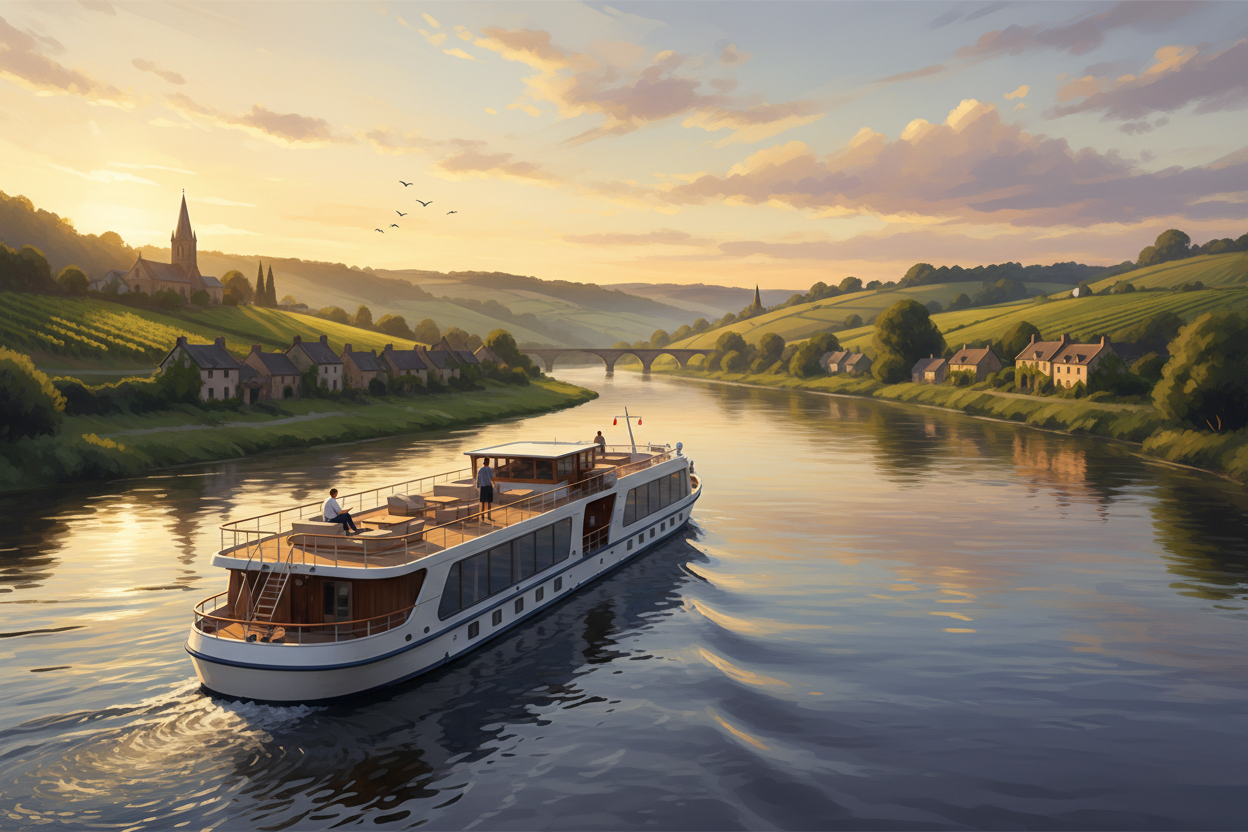
In our fast-paced world where everything seems to move at lightning speed, a quiet revolution is taking place in the travel industry. More and more travelers are discovering the profound joy of slowing down, and river cruises have emerged as the perfect antidote to hurried vacation schedules. Unlike their ocean-going counterparts that race between distant ports, river cruises offer something increasingly precious: time to truly experience a destination.
The concept of slow travel isn’t entirely new, but it’s experiencing a remarkable renaissance. People are trading packed itineraries for meaningful connections, choosing depth over breadth, and prioritizing experiences that nourish the soul rather than simply checking boxes on a bucket list. River cruises embody this philosophy perfectly, offering travelers the chance to meander through landscapes and cultures at a pace that allows for genuine discovery.
Understanding the Slow Travel Movement
Slow travel represents a fundamental shift in how we approach exploration. Rather than cramming multiple destinations into a single trip, slow travelers choose to spend extended time in fewer places. This approach allows for deeper cultural immersion, more authentic local interactions, and a genuine understanding of the places visited.
The movement gained momentum as travelers began to recognize that rushing from one tourist attraction to another often left them feeling exhausted rather than enriched. Many found themselves returning home needing a vacation from their vacation. River cruises naturally align with slow travel principles because the journey itself becomes part of the destination experience.
When you’re floating gently down the Rhine or drifting along the Mekong Delta, there’s no rushing involved. The pace is dictated by the river’s flow and the rhythm of life along its banks. This natural cadence creates space for reflection, conversation, and the kind of serendipitous moments that make travel truly memorable.
The Unique Appeal of River Cruising
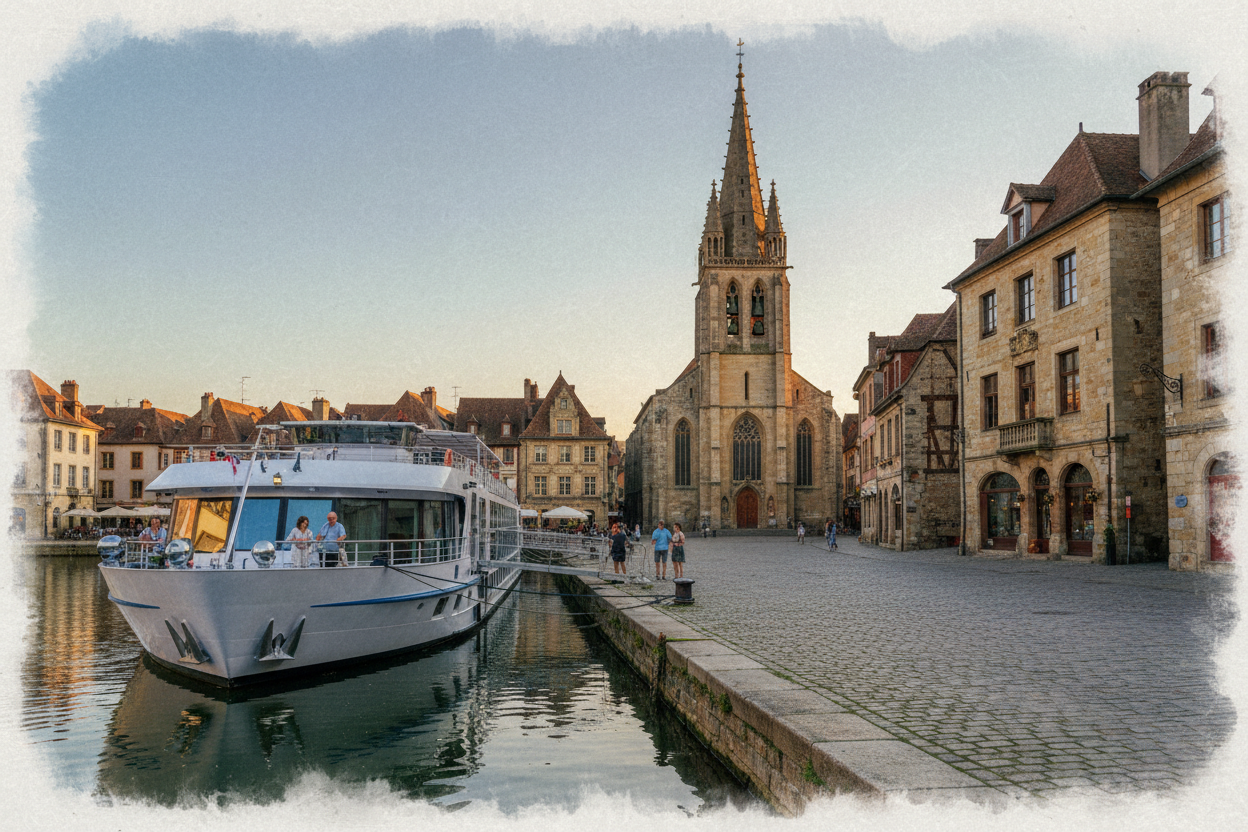
River cruises offer something that no other form of travel can replicate: the ability to glide silently into the heart of a destination. While ocean cruises dock at busy commercial ports often miles from city centers, river vessels pull right up to town squares and historic districts. You might wake up to church bells ringing across a medieval German village or fall asleep to the gentle lapping of water against ancient stone embankments in France.
The intimate scale of river ships creates a completely different atmosphere than massive ocean vessels. With typically 100 to 200 passengers rather than thousands, river cruises foster a sense of community among travelers. You’ll likely recognize fellow passengers by the second day and may form lasting friendships by journey’s end. The crew members know your name and preferences, creating a personalized experience that feels more like staying at a boutique hotel than traveling on a cruise ship.
Perhaps most importantly, river cruises eliminate the stress of constant packing and unpacking. Your floating hotel moves with you, allowing you to settle in and truly relax while still experiencing multiple destinations. It’s like having a magic carpet that transports you effortlessly from one fascinating place to another while you sleep.
Destinations That Define River Cruise Excellence
Europe remains the crown jewel of river cruising, with the Rhine, Danube, and Seine rivers offering some of the world’s most scenic and culturally rich waterways. The Rhine carries travelers through fairy-tale landscapes dotted with castles, vineyards, and charming villages that seem frozen in time. A Danube cruise might take you from Germany’s Black Forest through Austria’s musical heritage to Hungary’s thermal baths and beyond to the dramatic landscapes of Romania.
But river cruising extends far beyond European waters. The Mekong River in Southeast Asia provides an entirely different experience, offering glimpses into traditional floating markets, ancient temples, and rural communities that have remained largely unchanged for generations. The Nile in Egypt combines the wonder of ancient civilizations with the timeless rhythm of river life that has sustained communities for millennia.
American rivers are experiencing their own renaissance, with Mississippi River cruises offering deep dives into American history, music, and cuisine. From the jazz clubs of New Orleans to the antebellum architecture of Natchez, these journeys provide perspectives on American culture that you simply can’t get from a highway or airplane window.
The Wellness Benefits of Slow River Travel
There’s something inherently therapeutic about water, and river cruising maximizes this natural wellness benefit. The gentle motion of the ship, the ever-changing scenery, and the absence of rigid schedules create an environment conducive to relaxation and mental restoration. Many travelers report that they sleep better on river cruises than they have in years, lulled by the subtle movement and the absence of urban noise.
The slower pace also allows for more mindful travel experiences. Instead of rushing through museums or historical sites, you have time to truly absorb what you’re seeing. You can sit in a riverside cafe and watch local life unfold, engage in longer conversations with guides and locals, or simply enjoy uninterrupted time for reading and reflection as the landscape drifts by.
River cruises also tend to attract like-minded travelers who value quality over quantity in their travel experiences. This creates opportunities for meaningful connections and conversations that can be as enriching as the destinations themselves. Many passengers report that the friendships formed on river cruises become one of their most treasured travel memories.
Culinary Adventures on European Waterways
Food plays a central role in the river cruise experience, and it’s here that the slow travel philosophy truly shines. Rather than generic international cuisine, river cruise dining focuses on regional specialties that reflect the local culture and traditions of each destination. You might enjoy fresh-caught fish from the very river you’re traveling on, paired with wines from vineyards visible from your cabin window.
Many river cruise lines now offer cooking classes and market tours that allow passengers to engage directly with local food traditions. Imagine learning to make authentic Austrian strudel from a local baker in Vienna, or discovering the secrets of French wine-making while cruising through Burgundy. These hands-on experiences create lasting memories and skills that travelers can take home with them.
The unhurried dining schedule on river cruises also allows for proper appreciation of meals. There’s time to savor each course, enjoy wine pairings, and engage in conversation with fellow travelers. Meals become social events that strengthen the sense of community aboard the ship while providing insight into the culinary heritage of each region visited.
Sustainable Tourism and Environmental Consciousness
River cruising aligns naturally with sustainable tourism principles, making it an attractive option for environmentally conscious travelers. The smaller scale of river ships means a significantly lower environmental impact compared to massive ocean vessels. Many modern river cruise ships are designed with eco-friendly technologies, including advanced wastewater treatment systems and energy-efficient engines.
The slow travel aspect of river cruising also supports local economies more effectively than traditional tourism. Extended stays in smaller ports mean more opportunities for passengers to shop at local markets, dine at family-owned restaurants, and purchase authentic crafts directly from artisans. This economic impact is distributed across multiple small communities rather than concentrated in major tourist hubs.
River cruises also tend to visit destinations during shoulder seasons, helping to reduce overtourism in popular areas while providing economic benefits to local communities year-round. This approach supports the long-term sustainability of destinations and ensures that future generations can continue to enjoy these remarkable places.
Planning Your First River Cruise Experience
For those considering their first river cruise, timing can significantly impact the experience. Spring and fall often provide the most comfortable weather and the most beautiful scenery, with spring bringing blooming landscapes and fall offering spectacular foliage. However, each season has its unique charms, from Christmas markets in winter to summer festivals and longer daylight hours.
Choosing the right itinerary depends largely on personal interests. History enthusiasts might gravitate toward routes that include multiple UNESCO World Heritage sites, while wine lovers might prefer journeys through famous wine regions. Cultural immersion seekers might choose exotic destinations like the Mekong or Nile, while first-time river cruisers often find European routes provide the perfect introduction to this style of travel.
It’s worth noting that river cruises attract travelers of all ages, though the demographic tends to skew toward mature travelers who have the time and resources to appreciate the slower pace and higher-quality experiences that river cruising offers. However, many cruise lines now offer family-friendly departures and multi-generational travel options.
The Future of Slow Travel and River Cruising
As more travelers discover the benefits of slow travel, river cruising continues to evolve and expand. New routes are being developed on rivers worldwide, from the Ganges in India to the Columbia in the Pacific Northwest. Cruise lines are also investing in smaller, more luxurious vessels that can access even more intimate waterways and ports.
Technology is being integrated thoughtfully to enhance rather than dominate the experience. Enhanced shore excursion options, including active adventures like cycling and hiking, are attracting younger demographics while maintaining the core appeal of unhurried exploration. Cultural immersion programs are becoming more sophisticated, offering deeper engagement with local communities and traditions.
The post-pandemic travel landscape has also reinforced many of the values that river cruising embodies. Travelers increasingly prioritize meaningful experiences over mere sightseeing, seek smaller group sizes for more personalized attention, and value the peace of mind that comes with well-organized, all-inclusive travel experiences.
River cruising represents more than just a vacation option; it’s a philosophy of travel that prioritizes connection, contemplation, and genuine discovery. In a world that often feels increasingly disconnected and hurried, the gentle rhythm of river travel offers something profoundly valuable: the time and space to truly experience the world around us. As more travelers discover this art of slow travel, river cruising continues to gain popularity not as a trend, but as a return to what travel was always meant to be – a journey of discovery that enriches the soul as much as it broadens the mind.
Leave a Comment