
How to Choose Between Mediterranean and Northern European Cruises: Your Complete Guide to European Sailing Adventures
Standing at the crossroads of cruise planning, you might find yourself torn between two spectacular European destinations: the sun-drenched Mediterranean with its ancient history and azure waters, or the dramatic Northern European coastlines with their breathtaking fjords and medieval cities. Both regions offer incredible experiences, but they’re as different as chalk and cheese.
I’ve sailed through both regions multiple times, and I can tell you that choosing between Mediterranean and Northern European cruises isn’t just about picking a destination – it’s about selecting an entirely different vacation personality. The Mediterranean whispers promises of lazy afternoons in Greek tavernas and sunset strolls through Italian piazzas, while Northern Europe beckons with the raw beauty of Norwegian fjords and the fairy-tale charm of Baltic capitals.
Your choice will shape everything from what you pack to the memories you’ll treasure for years to come. Let’s dive into the key factors that will help you make the perfect decision for your European cruise adventure.
Climate and Weather: Sun-Soaked vs. Crisp and Cool
The weather difference between these two cruise regions is like comparing a warm Mediterranean embrace to a refreshing Nordic handshake. Mediterranean cruises typically run from April through October, with peak season bringing temperatures that dance between 75-85°F (24-29°C). The summer months can get quite toasty, especially in July and August when temperatures in ports like Barcelona or Rome might push into the 90s.
Northern European cruises, on the other hand, operate primarily from May through September, with temperatures ranging from a comfortable 60-70°F (15-21°C). Don’t let the cooler temperatures fool you though – there’s something magical about exploring Bergen’s colorful houses under a crisp blue sky or watching the midnight sun paint the Norwegian fjords in golden hues.
If you’re someone who wilts in extreme heat or prefers to explore destinations without breaking a sweat, Northern Europe might be your sweet spot. However, if you’re dreaming of poolside relaxation and warm evening strolls along ancient harbors, the Mediterranean calls your name.
Cultural Experiences: Ancient Civilizations vs. Medieval Marvels
The cultural tapestry of each region tells vastly different stories. Mediterranean cruises immerse you in the cradle of Western civilization, where you can walk through 2,000-year-old Roman ruins in the morning and explore Byzantine churches in the afternoon. The ports here breathe history – from the Acropolis in Athens to the Vatican in Rome, from Gaudi’s architectural fantasies in Barcelona to the romantic canals of Venice.
Northern European cruises offer a different kind of historical journey. You’ll discover Viking heritage in Norway, experience the fairy-tale atmosphere of Copenhagen’s Nyhavn, and marvel at the preserved medieval architecture of Tallinn’s Old Town. The region’s maritime history comes alive as you sail past dramatic coastlines that have witnessed centuries of seafaring adventures.
The pace of cultural exploration differs too. Mediterranean ports often buzz with energy and crowds, especially during peak season. Northern European destinations tend to offer a more contemplative cultural experience, with smaller crowds and a slower, more thoughtful pace of discovery.
Scenic Beauty: Coastal Charm vs. Natural Grandeur
Both regions will leave you reaching for your camera, but for entirely different reasons. The Mediterranean serves up postcard-perfect coastal scenes: whitewashed villages clinging to cliffsides in Santorini, the glamorous French Riviera stretching along turquoise waters, and the dramatic Amalfi Coast winding its way through lemon groves and ancient fishing villages.
Northern European cruising, however, delivers nature’s grand theater. The Norwegian fjords alone are worth the trip – imagine gliding through Geirangerfjord while waterfalls cascade from heights that make you dizzy just looking up. The Baltic Sea reveals hidden gems like Stockholm’s archipelago, with over 50,000 islands and skerries creating a maritime maze of incredible beauty.
If Instagram-worthy sunset shots and glamorous coastal scenes make your heart sing, the Mediterranean delivers in spades. But if you’re moved by raw natural beauty and landscapes that make you feel wonderfully small in the best possible way, Northern Europe will take your breath away.
Cuisine and Dining: Mediterranean Flavors vs. Nordic Delights
Food lovers, this might be the deciding factor for you. Mediterranean cruises offer access to some of the world’s most beloved cuisines. Picture yourself savoring fresh pasta in Italy, indulging in tapas in Spain, or enjoying mezze platters in Greece. The region’s emphasis on fresh seafood, olive oil, wine, and sun-ripened produce creates a culinary journey that’s both familiar and exciting.
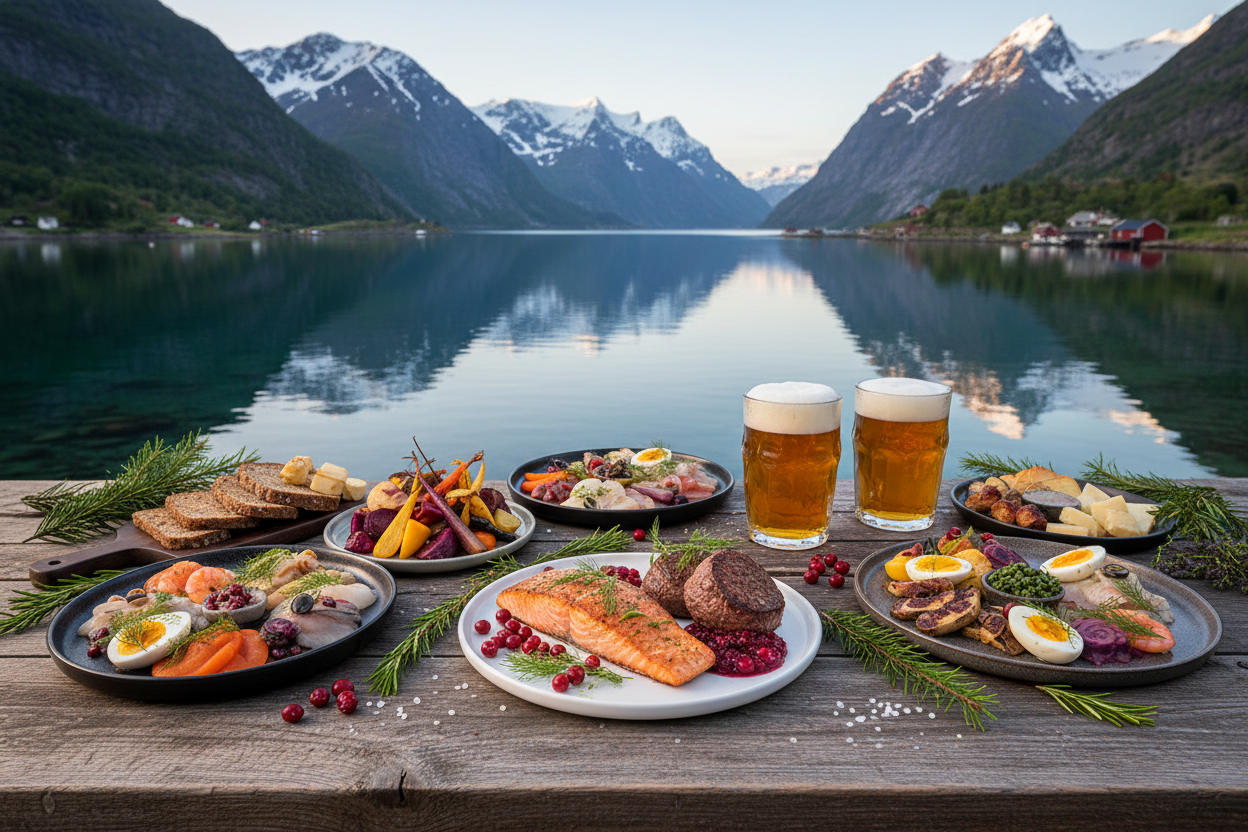
Northern European cuisine has undergone a renaissance in recent years, and cruise passengers are reaping the benefits. You’ll discover the New Nordic movement’s emphasis on local, seasonal ingredients, sample incredible seafood from pristine waters, and experience unique flavors like reindeer in Norway or traditional smörgåsbord in Sweden. The region’s craft beer scene is also exceptional, offering tastings you won’t find elsewhere.
While Mediterranean cuisine might feel more accessible to many palates, Northern European dining offers adventure and discovery. Both regions excel at showcasing local specialties, but your personal taste preferences might tip the scales one way or another.
Activities and Excursions: Relaxation vs. Adventure
The activity profiles of these two cruise regions cater to different vacation styles. Mediterranean cruises often blend cultural sightseeing with relaxation opportunities. You might spend the morning exploring ancient ruins, enjoy a leisurely lunch at a seaside taverna, and return to the ship for an afternoon by the pool. Shore excursions frequently include wine tastings, cooking classes, and guided tours of historical sites.
Northern European cruises lean more heavily toward adventure and active exploration. Excursions might include hiking to viewpoints overlooking fjords, kayaking through pristine waters, or taking scenic train rides through dramatic landscapes. The region’s emphasis on outdoor activities means you’ll likely return to your cabin each evening feeling both exhilarated and satisfyingly tired.
Consider your vacation style: are you seeking a balance of culture and relaxation, or are you energized by active adventures and natural wonders? Your answer will point you in the right direction.
Cruise Duration and Itinerary Options
Mediterranean cruises offer incredible flexibility, with options ranging from quick 4-day getaways to comprehensive 14-day odysseys. The region’s compact geography means you can experience multiple countries in a single week, making it perfect for first-time European visitors or those with limited vacation time. Popular itineraries might include Western Mediterranean routes covering Spain, France, and Italy, or Eastern Mediterranean cruises exploring Greece, Turkey, and Croatia.
Northern European cruises typically require more time to fully appreciate the region’s offerings. While 7-day cruises exist, 10-14 day itineraries are more common and allow for proper exploration of fjords, Baltic capitals, and the British Isles. The longer sailing distances between ports mean more sea days, which can be perfect for those who enjoy the onboard cruise experience.
If you’re working with a tight schedule, the Mediterranean’s shorter cruise options might work better. However, if you have the luxury of time and want to truly immerse yourself in a region, Northern Europe’s longer itineraries offer incredible value.
Budget Considerations: Value and Seasonal Pricing
Budget plays a crucial role in cruise selection, and both regions offer different value propositions. Mediterranean cruises generally have a longer season, creating more pricing opportunities throughout the year. Shoulder seasons (April-May and September-October) often provide excellent value with pleasant weather and smaller crowds.
Northern European cruises, with their shorter season, can command premium pricing during peak months (June-August). However, the longer itineraries often provide better per-day value, and the included scenic cruising through fjords offers entertainment value that’s hard to quantify.
Shore excursion costs vary significantly between regions. Mediterranean ports often have excellent public transportation and walkable city centers, potentially reducing excursion expenses. Northern European destinations might require more structured tours to reach the best viewpoints and natural attractions, potentially increasing your excursion budget.
Making Your Final Decision
After sailing both regions extensively, I’ve learned that the “right” choice depends entirely on what speaks to your travel soul. Ask yourself these key questions: Do you prefer warm weather and ancient history, or cool climates and natural wonders? Are you seeking relaxation with cultural enrichment, or adventure with scenic beauty? Do you have a week or two weeks to dedicate to your cruise?
Consider also that this doesn’t have to be a once-in-a-lifetime decision. Many cruise enthusiasts find themselves returning to Europe repeatedly, eventually experiencing both regions. Each offers such distinct experiences that they complement rather than compete with each other.
The Mediterranean will seduce you with its warmth, history, and joie de vivre, while Northern Europe will inspire you with its dramatic beauty and cultural depth. Both regions offer transformative travel experiences that will leave you planning your return voyage before you’ve even disembarked.
Whatever you choose, you’re embarking on an incredible European adventure that will create memories to last a lifetime. The only wrong choice is not choosing at all.
Leave a Comment