
Packing for Italy’s Four Seasons: What to Bring When
Italy beckons travelers year-round with its rich history, stunning landscapes, and world-renowned cuisine. But here’s the thing about packing for the Boot – what works in Sicily might leave you shivering in the Dolomites, and that perfect summer outfit could be completely wrong for a rainy Roman autumn. After countless trips across Italy’s diverse regions and seasons, I’ve learned that successful packing isn’t just about checking the weather forecast; it’s about understanding Italy’s unique seasonal personality and regional variations.
Whether you’re dreaming of spring blooms in Tuscany, summer beaches along the Amalfi Coast, autumn harvests in Piedmont, or winter skiing in the Alps, this comprehensive packing guide will ensure you’re prepared for whatever Italian adventure awaits. Let’s dive into the seasonal essentials that will keep you comfortable, stylish, and ready to embrace la bella vita.
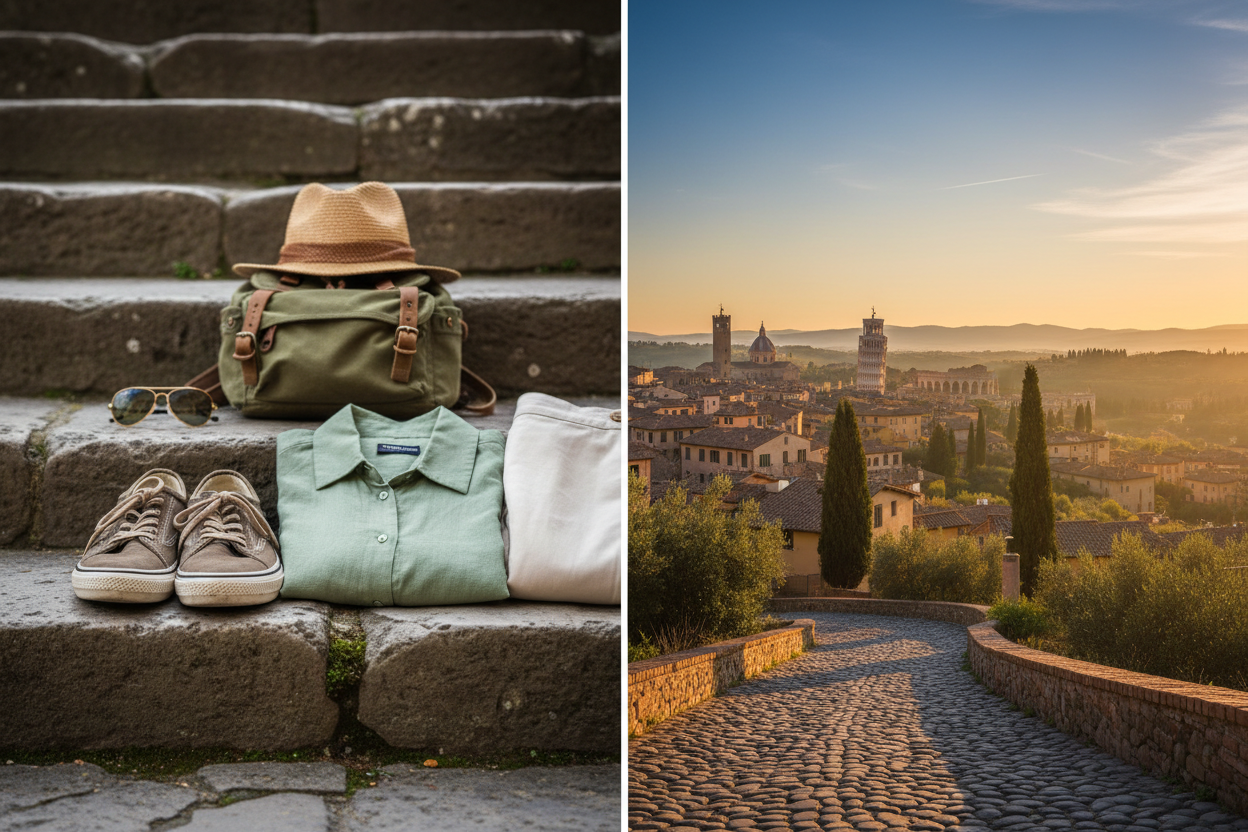
Understanding Italy’s Climate Zones
Before we jump into seasonal packing lists, it’s crucial to understand that Italy isn’t just one climate zone. The country stretches nearly 1,200 kilometers from north to south, creating distinct regional weather patterns that can dramatically affect your packing decisions.
Northern Italy, including cities like Milan, Venice, and Turin, experiences a continental climate with hot summers and cold, sometimes snowy winters. The Italian Riviera and coastal areas enjoy a Mediterranean climate with mild winters and warm, dry summers. Central Italy, encompassing Rome, Florence, and the hill towns of Tuscany and Umbria, sits somewhere in between with moderate temperatures year-round but distinct seasonal variations.
Southern Italy and the islands of Sicily and Sardinia bask in a true Mediterranean climate where winters are mild and wet, while summers can be intensely hot and dry. These regional differences mean that your February packing list for Venice will look vastly different from what you’d need in Palermo during the same month.
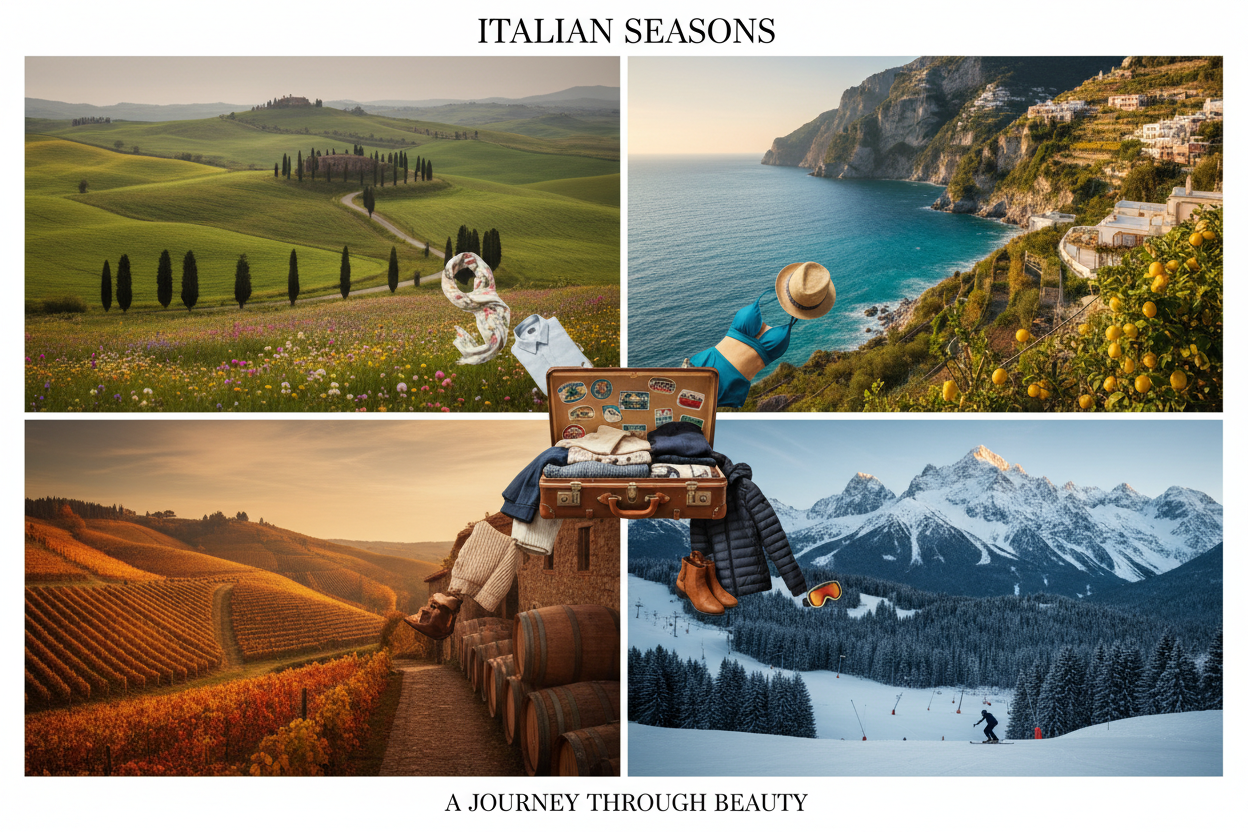
Spring Packing Essentials (March-May)
Spring in Italy is absolutely magical, but it’s also the most unpredictable season for weather. March can still feel quite wintry, especially in the north, while May often gives you a preview of summer’s warmth. The key to spring packing success lies in layering and versatility.
Start with a solid foundation of comfortable walking shoes – and I cannot stress this enough. Italian cities are made for walking, with cobblestone streets that can be unforgiving to inappropriate footwear. Pack waterproof walking shoes or boots, as spring showers are common and streets can be wet and slippery.
Your clothing strategy should revolve around the layering system. Bring lightweight long-sleeved shirts that you can wear alone on warmer days or layer under sweaters when temperatures drop. A medium-weight cardigan or pullover sweater is essential, as evenings can be surprisingly cool even when days are pleasant.
Don’t forget a waterproof jacket or trench coat. Spring rains in Italy can be sudden and heavy, and you’ll want protection that doesn’t take up too much luggage space. A compact umbrella is also wise, though many travelers find that a good rain jacket with a hood suffices for most situations.
For bottoms, pack a mix of long pants and perhaps one pair of lighter pants or jeans for warmer days. Avoid shorts in early spring, as they’re often too cold and can look out of place in more formal Italian settings.
Summer Packing Must-Haves (June-August)
Summer in Italy means serious heat, especially in central and southern regions where temperatures regularly soar above 35°C (95°F). However, it also means long, glorious days perfect for exploring ancient ruins, lounging on beaches, and enjoying endless aperitivos.
Lightweight, breathable fabrics become your best friend during Italian summers. Cotton and linen are ideal choices, though wrinkle-resistant blends can be practical for travelers who prefer low-maintenance clothing. Pack plenty of short-sleeved shirts, tank tops, and at least one or two sundresses if that’s your style.
Comfortable walking sandals are essential, but make sure they provide adequate support for long days of sightseeing. Many Italian attractions involve significant walking on uneven surfaces, so flip-flops won’t cut it for serious exploration. Consider bringing both sandals for daytime and slightly dressier shoes for evening dining.
Sun protection cannot be overstated. A wide-brimmed hat not only protects your face and neck but also helps you stay cooler during midday heat. High-SPF sunscreen is crucial, though you can easily purchase it in Italy if you prefer not to pack it.
While days are hot, evenings can sometimes cool down, especially in northern regions or at higher elevations. Pack a light cardigan or thin long-sleeved shirt for air-conditioned restaurants or cooler evening strolls. Many upscale restaurants and churches also have dress codes that require covered shoulders and longer pants or skirts.
Swimming gear is obviously important if you’re planning beach time, but remember that many Italian beaches are pebbled rather than sandy, so water shoes might be appreciated. Also, beach umbrellas and chairs often cost extra at Italian beach clubs, so consider packing a small beach towel and perhaps a portable shade solution.
Autumn Comfort Clothing (September-November)
Autumn might just be the perfect time to visit Italy. The summer crowds have thinned, temperatures are comfortable for walking, and the harvest season brings incredible food and wine experiences. However, autumn weather can be quite variable, making strategic packing essential.
September often feels like an extension of summer, especially in southern Italy, so pack accordingly with lightweight clothing and sun protection. However, October and November can bring significant temperature drops and increased rainfall, particularly in northern regions.
Your autumn packing strategy should include a good selection of medium-weight layers. Long-sleeved shirts, lightweight sweaters, and a warm cardigan will serve you well as temperatures fluctuate throughout the day. Jeans or comfortable pants become more practical than the lighter fabrics you’d choose for summer travel.
A waterproof jacket becomes increasingly important as autumn progresses. October and November can bring heavy rains, especially to northern and central Italy. Choose something that’s both waterproof and warm enough to serve as your primary outer layer during cooler weather.
Footwear should prioritize comfort and water resistance. Waterproof walking shoes or ankle boots are ideal, as they’ll keep your feet dry during rain showers while providing the support needed for extensive walking. Avoid suede or other materials that don’t handle moisture well.
Don’t forget accessories like scarves and light gloves for later autumn travel, especially if you’re visiting northern regions or planning to spend time in the mountains. These items take up minimal luggage space but can make a significant difference in your comfort level.
Winter Warmth Strategies (December-February)
Winter in Italy varies dramatically by region, from mild and rainy in the south to cold and snowy in the north. Your packing approach should depend heavily on your specific destinations and planned activities.
If you’re visiting northern Italy or planning mountain activities, serious cold-weather gear is essential. A warm, waterproof coat is your most important item – choose something that can handle both rain and snow. Layering becomes crucial, so pack thermal underwear, warm sweaters, and insulating mid-layers.
Waterproof, insulated boots are non-negotiable for winter travel in northern Italy. Streets can be icy, wet, and slushy, making proper footwear a safety issue as well as a comfort consideration. Many travelers underestimate how cold stone and marble floors can feel in Italian churches and museums during winter months.
For southern Italy and the islands, winter packing can be much lighter, though you’ll still want warm layers for cooler evenings and rainy days. A medium-weight coat, warm sweaters, and waterproof shoes will usually suffice, though always check specific weather forecasts before finalizing your packing decisions.
Winter accessories like hats, scarves, and gloves are essential for northern travel and wise additions for any Italian winter trip. These items are also great for adjusting your warmth level as you move between heated indoor spaces and cold outdoor environments.
Year-Round Italian Travel Essentials
Regardless of when you visit Italy, certain items should always make it into your luggage. Comfortable walking shoes appropriate for the season top this list – Italian cities demand significant walking, often on uneven surfaces that can be challenging for inappropriate footwear.
A small daypack or crossbody bag is invaluable for carrying daily essentials while keeping your hands free and your belongings secure. Choose something that can fit a water bottle, camera, wallet, and perhaps a light layer for changing weather conditions.
Power adapters and portable chargers are essential in our connected world. Italy uses Type F and Type L plugs, so ensure you have the appropriate adapters for your devices. A portable battery pack can be a lifesaver during long days of sightseeing when outlets aren’t readily available.
Basic medications and a small first-aid kit are wise additions to any travel packing list. While Italy has excellent pharmacies, having your preferred pain relievers, stomach remedies, and any prescription medications readily available can prevent minor issues from disrupting your travel plans.
Regional Considerations and Special Circumstances
Different regions of Italy may require specific packing considerations beyond general seasonal guidelines. If you’re planning to visit churches and religious sites, modest clothing is required – this means covered shoulders and knees regardless of the weather. Pack a lightweight scarf or shawl that can quickly cover bare shoulders when needed.
Mountain regions like the Dolomites or areas around Lake Como can be significantly cooler than surrounding lowlands, even in summer. If your itinerary includes high-altitude destinations, pack additional warm layers regardless of the season.
Coastal areas and islands may require specific items like reef-safe sunscreen, water shoes for rocky beaches, and lightweight cover-ups for moving between beach and town areas. Many Italian coastal towns have dress codes that prohibit beachwear in commercial areas.
Business travelers or those planning to dine at upscale restaurants should pack at least one dressy outfit. Italians generally dress more formally than many other cultures, and having appropriate attire for nice restaurants or business meetings is important.
Conclusion
Packing for Italy successfully requires understanding both the seasonal weather patterns and the cultural expectations of this style-conscious country. The key lies in choosing versatile pieces that can be layered and mixed to handle changing conditions while ensuring you feel confident and comfortable in any setting.
Remember that Italy’s diverse geography means weather can vary significantly within the same season depending on your location. Always check specific regional forecasts before finalizing your packing decisions, and don’t be afraid to pack an extra layer – it’s better to have options than to be caught unprepared.
Most importantly, pack with the understanding that Italy is a country meant to be explored on foot. Comfortable, appropriate footwear and clothing that allows for extensive walking will serve you far better than the most fashionable outfit that leaves you uncomfortable after a few hours of sightseeing. With thoughtful packing that considers both weather and cultural norms, you’ll be free to focus on what really matters – soaking up all the incredible experiences that Italy has to offer, no matter what season brings you to this magnificent country.
Book Now!
Call to action to book now.
Leave a Comment