
Planning a Stress-Free European Adventure: A Step-by-Step Guide
Picture this: you’re sipping espresso at a charming café in Rome, watching the world go by without a care in the world. No frantic searches for accommodation, no confusion about train schedules, and no budget surprises. This dream European vacation is absolutely achievable with proper planning. Having helped dozens of travelers craft their perfect European getaways, I’ve learned that the secret to a stress-free adventure lies in methodical preparation and smart decision-making.
Europe offers an incredible tapestry of cultures, cuisines, and experiences, but navigating multiple countries with different languages, currencies, and customs can feel overwhelming. The good news? With the right approach, you can transform potential travel headaches into smooth sailing. This comprehensive guide will walk you through every essential step, from initial dreaming to final boarding pass, ensuring your European adventure becomes the trip of a lifetime rather than a source of stress.
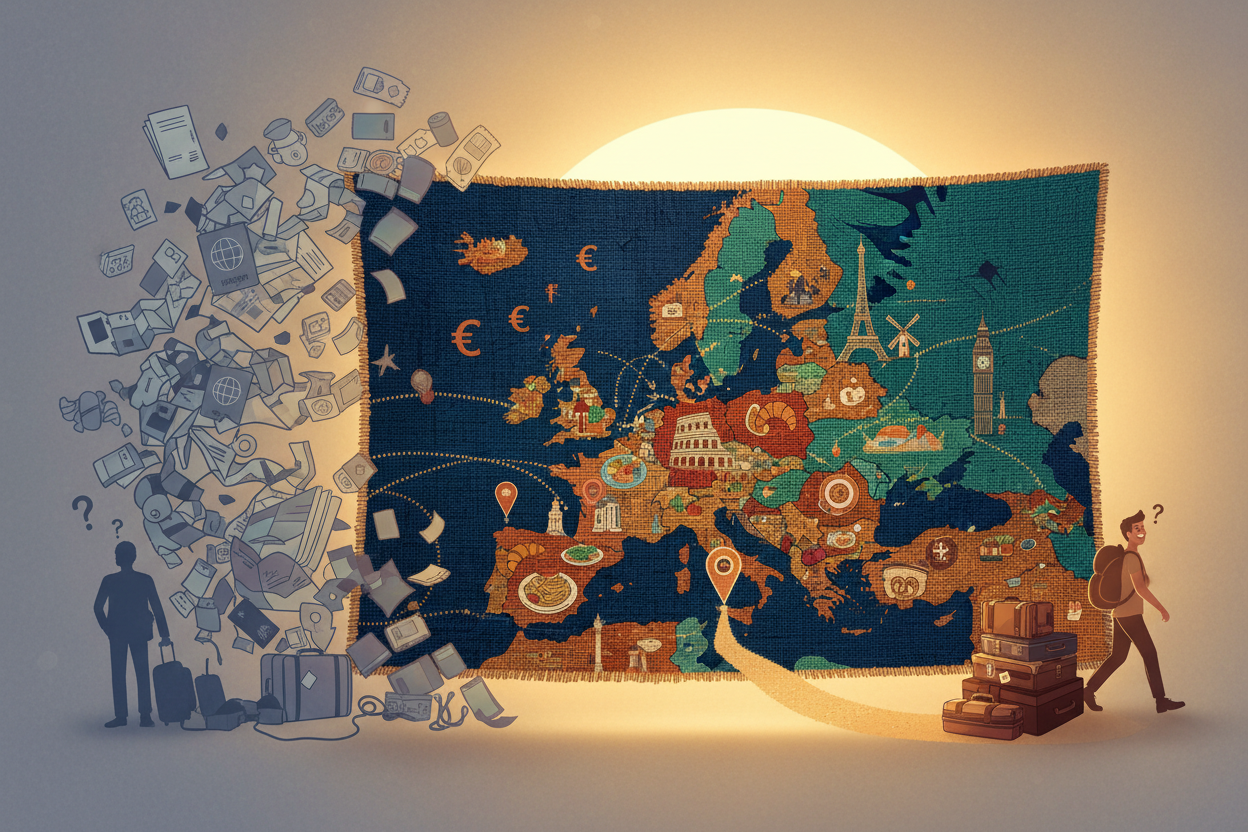
Setting Your European Travel Goals and Budget
Before diving into logistics, take time to define what you want from your European adventure. Are you drawn to the romantic canals of Venice, the vibrant nightlife of Berlin, or the historic charm of Prague? Your travel style preferences will shape every subsequent decision.
Start by creating a realistic budget that covers all aspects of your trip. A good rule of thumb for mid-range European travel is $100-150 per day per person, including accommodation, meals, transportation, and activities. However, costs vary dramatically between regions – Eastern European countries like Poland and Hungary offer excellent value, while Scandinavia and Switzerland command premium prices.
Consider your travel timeline carefully. Peak summer months bring warm weather and long daylight hours but also crowds and inflated prices. Shoulder seasons (April-May and September-October) often provide the perfect balance of pleasant weather and manageable crowds. Winter travel can be magical, especially for Christmas markets, but factor in shorter days and potential weather disruptions.
Choosing Your European Destinations Wisely
The temptation to visit every European capital in two weeks is understandable but often leads to exhaustion rather than enjoyment. Instead, focus on creating a logical route that minimizes travel time and maximizes experiences.
For first-time European travelers, consider the classic Western Europe circuit: London, Paris, Amsterdam, and Rome form an excellent foundation. These cities offer world-class attractions, efficient transportation connections, and tourist-friendly infrastructure. More adventurous travelers might explore the emerging destinations of Eastern Europe or the stunning natural beauty of Scandinavia.
Geographic clustering is key to efficient travel planning. Group nearby destinations together – combine Germany with Austria and Czech Republic, or pair Spain with Portugal. This approach reduces transportation costs and allows deeper cultural immersion rather than constant movement between drastically different regions.
Research visa requirements early in your planning process. Most European Union countries participate in the Schengen Agreement, allowing 90-day visa-free travel for many nationalities. However, the United Kingdom, Ireland, and several Balkan countries have separate requirements that could affect your itinerary.
Mastering European Transportation Options
European transportation networks are among the world’s most efficient, but understanding your options is crucial for stress-free travel. The continent’s extensive rail system often provides the most convenient city-to-city transportation, especially for distances under 500 miles.
Eurail passes can offer significant savings for multi-country travel, but they’re not automatically the best choice. Calculate point-to-point ticket costs for your specific itinerary before purchasing a pass. High-speed trains like France’s TGV or Spain’s AVE require seat reservations even with a pass, sometimes for additional fees.
Budget airlines have revolutionized European travel, making flights between distant cities surprisingly affordable. However, factor in airport transfer times and baggage restrictions when comparing flight costs to train travel. Airlines like Ryanair and EasyJet offer rock-bottom fares but charge for everything from seat selection to carry-on bags.
For ultimate flexibility, car rental opens up rural regions and smaller towns often inaccessible by public transport. European roads are generally excellent, but be prepared for different driving customs, congestion charges in major cities, and potentially expensive parking. International driving permits are required in most countries and must be obtained before departure.
Securing Accommodation That Suits Your Style
European accommodation ranges from luxury palaces to budget hostels, with options to suit every traveler’s needs and budget. Booking platforms like Booking.com and Airbnb have simplified the search process, but understanding local accommodation styles enhances your experience.
Hotels in Europe often prioritize location and character over room size compared to their American counterparts. A small room in central Paris or Rome provides better value than a larger suburban hotel requiring lengthy commutes to attractions. Look for properties within walking distance of public transportation or major sights.
Vacation rentals through Airbnb or VRBO offer excellent value for longer stays or group travel. Apartments with kitchens allow budget-conscious travelers to prepare some meals, while providing authentic neighborhood experiences away from tourist crowds. Read reviews carefully and communicate with hosts before arrival to ensure smooth check-ins.
For budget travelers, European hostels have evolved far beyond basic dormitories. Many now offer private rooms, modern facilities, and social atmospheres perfect for meeting fellow travelers. Hostel networks like Generator and MEININGER provide consistent quality across multiple cities.
Book accommodation early for popular destinations and peak travel periods. Summer availability in cities like Barcelona or Amsterdam disappears months in advance, while last-minute bookings often mean settling for inferior locations or paying premium prices.
Essential Documentation and Travel Preparations
Proper documentation prevents countless travel headaches and ensures smooth border crossings throughout Europe. Your passport should be valid for at least six months beyond your planned departure date, with several blank pages for entry stamps.
Travel insurance isn’t just recommended – it’s essential for European travel. Comprehensive policies cover medical emergencies, trip cancellations, and lost luggage. European healthcare is generally excellent but can be expensive for non-residents. Policies starting around $50 for short trips provide invaluable peace of mind.
Notify your bank and credit card companies about travel plans to prevent fraud alerts from blocking transactions abroad. Consider cards with no foreign transaction fees and research ATM networks available in your destination countries. Cash remains important in many European establishments, especially smaller businesses and markets.
Create digital copies of important documents – passport, driver’s license, insurance policies, and reservation confirmations. Store these in cloud storage accessible from any device. Physical copies should be packed separately from originals as backup documentation.
European electrical outlets use different plugs and voltages than many other regions. Universal adapters handle plug compatibility, but check if your devices require voltage converters. Most modern electronics automatically adjust to European 220V power, but older devices might need additional equipment.
Packing Smart for European Adventures
Successful European packing balances preparation with practicality. Europe’s excellent shopping infrastructure means you can purchase forgotten items, so focus on essentials rather than overpacking for every possible scenario.
Weather variability requires layered clothing strategies regardless of season. Even summer European weather can turn cool and rainy unexpectedly. Pack lightweight, versatile pieces that mix and match easily. Comfortable walking shoes are absolutely critical – European cities involve extensive walking on varied surfaces from cobblestones to marble steps.
Luggage choice significantly impacts travel comfort. Rolling suitcases work well for hotel-based trips with minimal walking, while backpacks offer better mobility for hostel travel or multiple daily moves. Consider luggage weight limits for budget airlines, which can be surprisingly restrictive.
European laundry facilities are widely available, allowing longer trips with smaller wardrobes. Pack enough clothing for one week maximum, planning to wash regularly. Quick-dry fabrics and wrinkle-resistant materials simplify maintenance during travel.
Creating Flexible Daily Itineraries
The best European itineraries balance must-see attractions with spontaneous discoveries. Over-scheduling creates stress and prevents the serendipitous encounters that make travel memorable. Plan one or two major activities per day, leaving time for wandering and unexpected opportunities.
Research attraction opening hours, admission costs, and advance booking requirements before arrival. Popular sites like the Louvre, Sagrada Familia, or Anne Frank House often require timed entry tickets purchased weeks in advance. Skip-the-line tickets for major attractions save valuable vacation time, especially during peak seasons.
Build rest time into your schedule. European cities offer wonderful café cultures perfect for people-watching and recharging between activities. These breaks often become trip highlights, providing authentic local experiences away from tourist crowds.
Consider purchasing city tourism cards that combine public transportation with attraction admissions. Cities like Paris, Amsterdam, and Vienna offer excellent value cards for intensive sightseeing. However, calculate actual usage before purchasing – casual travelers might find individual tickets more economical.
Embracing European Culture and Etiquette
Understanding basic European customs enhances your travel experience and helps avoid unintentional cultural missteps. While Europe is generally tourist-friendly, showing respect for local customs creates more positive interactions.
Dining customs vary significantly across Europe but generally involve longer, more leisurely meals than many travelers expect. Restaurants often don’t seat guests until entire parties arrive, and service follows European pacing rather than rushing customers through meals. Tipping practices range from rounding up bills in Germany to 10-15% in restaurants across most countries.
Learn basic greetings and polite phrases in local languages. Even simple “hello,” “please,” and “thank you” demonstrate respect and often result in warmer receptions from locals. Translation apps provide backup for more complex communications.
Dress codes tend to be more formal than casual American standards, especially for dining and cultural attractions. Many European churches require covered shoulders and long pants for entry. Comfortable walking shoes are essential, but consider bringing one pair of dressier shoes for evenings out.
Conclusion
Planning a stress-free European adventure requires attention to detail, but the investment in preparation pays dividends throughout your journey. By following this step-by-step approach – from setting realistic budgets to understanding local customs – you’re creating the foundation for an incredible travel experience.
Remember that flexibility remains key even with thorough planning. Weather changes, transportation delays, and unexpected discoveries are part of travel’s charm. Your detailed preparation provides the confidence to handle surprises gracefully while ensuring you don’t miss the experiences that drew you to Europe in the first place.
The memories you’ll create wandering through medieval streets, savoring regional cuisines, and connecting with diverse cultures will last a lifetime. Start planning your European adventure today, and soon you’ll be living those café moments you’ve been dreaming about. Europe awaits, and with proper preparation, your stress-free adventure is closer than you think.
Leave a Comment