
Italy 2026 Travel Forecast: New Attractions and Updated Guidelines
Italy continues to captivate travelers with its timeless charm, rich history, and unparalleled culinary experiences. As we look ahead to 2026, the boot-shaped peninsula is preparing to unveil exciting new attractions while implementing updated travel guidelines that will enhance your Italian adventure. Whether you’re planning your first visit to Rome or returning to explore hidden gems in Tuscany, understanding what’s coming in 2026 will help you make the most of your Italian journey.
The Italian tourism landscape is evolving rapidly, with significant infrastructure improvements, innovative cultural experiences, and modernized visitor management systems on the horizon. From groundbreaking museum expansions to sustainable tourism initiatives, Italy is positioning itself as a forward-thinking destination that respects its heritage while embracing the future.
Major New Attractions Opening in 2026
Italy’s commitment to preserving and showcasing its cultural treasures is evident in the ambitious projects set to debut in 2026. The most anticipated opening is the expansion of the Vatican Museums, which will include a new contemporary art wing featuring works by Italian artists from the 20th and 21st centuries. This addition promises to bridge the gap between Italy’s classical heritage and its modern artistic contributions.
In Milan, the city is preparing to unveil the Porta Nuova Cultural District, a state-of-the-art complex that will house interactive exhibitions about Italian design, fashion, and innovation. This multimedia experience will allow visitors to immerse themselves in the stories behind Italy’s most iconic brands and designers, making it a must-visit destination for culture enthusiasts and fashion lovers alike.
Venice is also getting a remarkable addition with the opening of the Venetian Maritime Heritage Center on the island of San Giorgio Maggiore. This new attraction will celebrate Venice’s historical role as a maritime powerhouse through immersive exhibits, restored historical vessels, and panoramic views of the lagoon. The center aims to educate visitors about Venice’s trading empire while offering a fresh perspective on the city’s relationship with the sea.
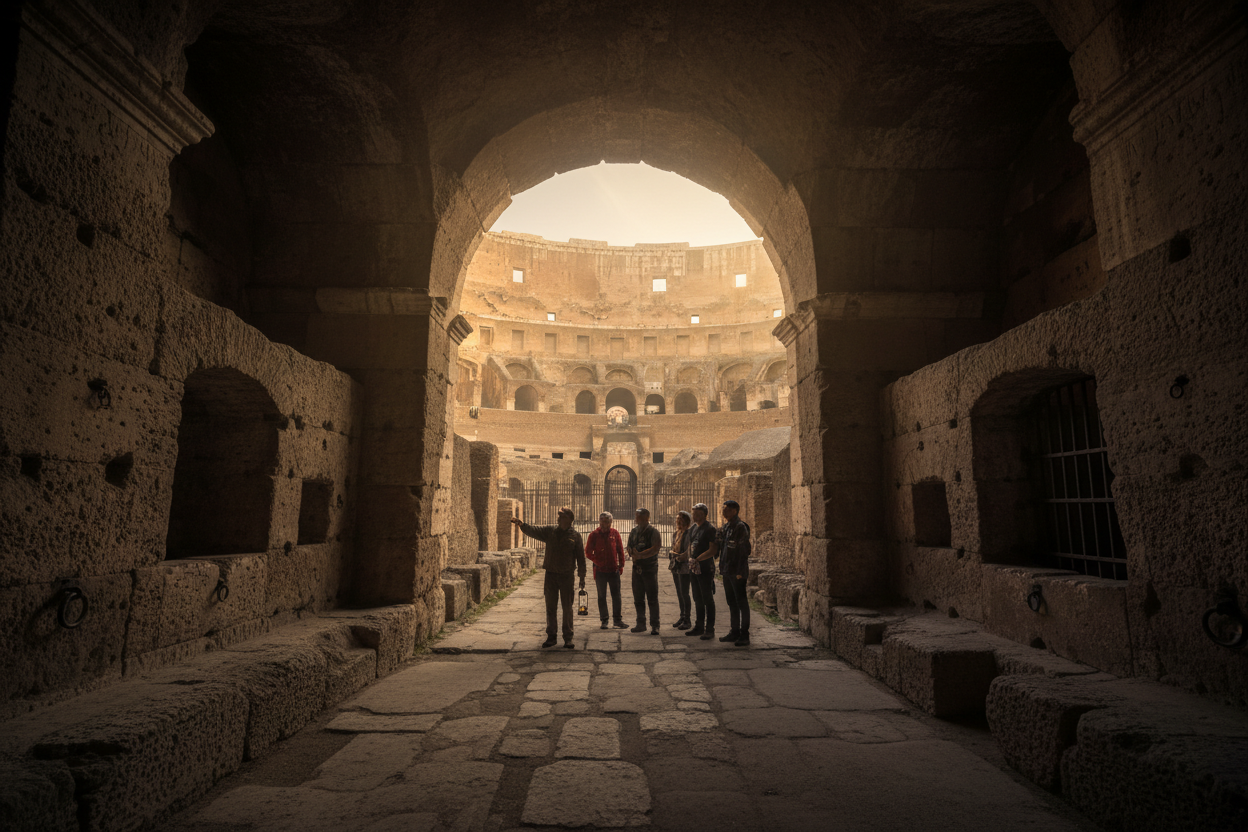
Rome continues to surprise with the scheduled opening of underground tours beneath the Colosseum, revealing previously inaccessible chambers and tunnels. These new guided experiences will take visitors through the hypogeum, the underground network where gladiators and animals were housed before entering the arena. Advanced booking will be essential, as these intimate tours will be limited to small groups to preserve the archaeological integrity of the site.
Updated Entry Requirements and Documentation
Traveling to Italy in 2026 will require attention to updated entry requirements that reflect the country’s commitment to security and sustainability. The European Travel Information and Authorization System (ETIAS) will be fully operational, requiring non-EU citizens to obtain authorization before arrival. This digital system is designed to streamline border crossings while enhancing security measures.
The ETIAS application process is straightforward and can be completed online within minutes. Travelers will need a valid passport, email address, and credit card for the small processing fee. The authorization is valid for three years or until passport expiration, whichever comes first. It’s recommended to apply at least 72 hours before departure, though most applications are processed within minutes.
Italy is also implementing a new digital tourist tax system in major cities. Instead of paying at hotels upon checkout, visitors will pre-register online and pay digitally before arrival. This system aims to reduce administrative burdens on accommodations while providing tourists with transparent pricing upfront. The tax varies by city and accommodation type, with Rome and Venice typically having higher rates than smaller destinations.
Health documentation requirements have been simplified, with Italy adopting the EU Digital Health Certificate system permanently. This means travelers should be prepared to show proof of vaccination, recent negative tests, or recovery certificates through the standardized digital platform, depending on current health guidelines and country of origin.
Transportation Infrastructure Improvements
Italy’s transportation network is receiving significant upgrades that will make traveling between cities faster and more comfortable. The high-speed rail expansion project will connect Naples to Bari by 2026, reducing travel time to just over two hours and opening up southeastern Italy to more convenient exploration. This new route will make it easier for travelers to experience the authentic charm of Puglia and its stunning coastline.
Airport improvements are equally impressive, with Rome’s Fiumicino Airport completing its new Terminal 5, specifically designed to handle increased tourist traffic efficiently. The terminal features advanced baggage systems, expanded retail and dining options, and improved connectivity to Rome’s city center through the Leonardo Express train service.
Milan Malpensa Airport is also undergoing expansion, with a new international arrivals hall that promises to reduce waiting times and improve the overall passenger experience. These improvements are particularly significant given Milan’s role as a gateway to northern Italy’s lakes region and the Italian Alps.
Urban transportation in major cities is becoming more sustainable and tourist-friendly. Florence is expanding its electric bus network, while Venice is introducing new water taxi routes that connect previously underserved areas of the lagoon. Rome’s metro system is adding new stations that will improve access to archaeological sites and reduce overcrowding at popular tourist destinations.
Sustainable Tourism Initiatives
Italy is pioneering sustainable tourism practices that will reshape how visitors experience the country’s treasures. The “Slow Tourism Italy” initiative encourages travelers to spend more time in fewer places, promoting deeper cultural immersion while reducing environmental impact. This program includes partnerships with local businesses, guided experiences with resident experts, and accommodations that meet strict sustainability criteria.
Venice is implementing a revolutionary reservation system for day visitors, designed to manage crowd levels and preserve the city’s delicate ecosystem. Starting in 2026, day visitors during peak periods will need to book time slots in advance and pay an entrance fee that varies based on demand. This system aims to distribute tourist flows more evenly throughout the day and encourage longer stays that benefit local businesses.
The Cinque Terre National Park is introducing a comprehensive visitor management system that includes timed entry to popular hiking trails and beaches. This approach protects the fragile coastal environment while ensuring that visitors can enjoy these spectacular landscapes without overwhelming crowds. Advanced booking through the official park website will be mandatory for access to the most popular trails.
Italy is also promoting lesser-known destinations through the “Hidden Italy” campaign, highlighting authentic experiences in smaller towns and rural areas. This initiative includes improved infrastructure in off-the-beaten-path locations, cultural events that showcase local traditions, and accommodations that reflect regional character. Travelers who participate in these programs often discover that Italy’s most memorable experiences happen away from the crowds.
Digital Innovation and Smart Tourism
The integration of technology into Italy’s tourism sector is transforming how visitors plan and experience their trips. The new “Italia Smart” mobile app will serve as a comprehensive travel companion, offering real-time information about attractions, transportation, and local events. The app includes augmented reality features that provide historical context when visitors point their phones at monuments and landmarks.
Museums across Italy are adopting advanced booking systems that allow visitors to reserve specific time slots and select preferred tour languages. The Vatican Museums, Uffizi Gallery, and other major attractions are implementing dynamic pricing that encourages visits during off-peak hours. These systems not only improve visitor experience but also help preserve artworks by controlling crowd levels.
Contactless payment systems are becoming standard throughout Italy, from street vendors in Rome to mountain refuges in the Dolomites. This modernization makes transactions smoother for international visitors while supporting local businesses in transitioning to digital payment methods.
Virtual reality experiences are being introduced at key archaeological sites, allowing visitors to see ancient Rome, Pompeii, and other historical locations as they appeared in their prime. These immersive technologies complement traditional tours and provide context that enhances understanding of Italy’s rich history.
Regional Highlights and Emerging Destinations
While Rome, Florence, and Venice remain essential stops on any Italian itinerary, 2026 presents opportunities to explore emerging destinations that offer authentic experiences without overwhelming crowds. The Marche region is gaining recognition for its medieval hilltop towns, pristine beaches, and exceptional cuisine. Urbino, a UNESCO World Heritage site, is expanding its cultural offerings with new exhibitions and restored Renaissance palaces.
Basilicata, in southern Italy, is emerging as a destination for travelers seeking dramatic landscapes and ancient traditions. Matera’s famous cave dwellings continue to attract visitors, while the region’s national parks offer hiking opportunities through some of Italy’s most pristine wilderness areas. New accommodations and improved transportation links are making Basilicata more accessible while maintaining its authentic character.
The Italian Lakes region is expanding beyond Como and Garda to showcase smaller lakes like Orta and Iseo. These destinations offer the same stunning Alpine scenery and elegant villas but with fewer crowds and more opportunities for intimate experiences. New hiking trails and cultural routes connect these lakes, creating multi-day itineraries that showcase northern Italy’s natural beauty.
Sicily is positioning itself as a year-round destination, promoting its mild winters and spring wildflower season as alternatives to traditional summer visits. The island’s archaeological sites, active volcanoes, and diverse landscapes offer experiences that rival mainland attractions while providing distinctly Sicilian cultural encounters.
Practical Tips for 2026 Travel Planning
Successfully navigating Italy in 2026 requires strategic planning that accounts for new systems and increased demand. Booking accommodations and major attractions well in advance is more important than ever, particularly during peak seasons and special events. Many properties are implementing minimum stay requirements during high-demand periods, so flexibility in travel dates can lead to better availability and pricing.
Travel insurance has become increasingly important, with policies that cover trip cancellations, health emergencies, and travel disruptions. Italy’s weather patterns are becoming less predictable, and having comprehensive coverage provides peace of mind when dealing with unexpected changes to travel plans.
Learning basic Italian phrases enhances every interaction and demonstrates respect for local culture. While English is widely spoken in tourist areas, making an effort to communicate in Italian often leads to warmer welcomes and insider recommendations from locals.
Packing considerations for 2026 should include comfortable walking shoes suitable for cobblestone streets, layers for variable weather, and a portable phone charger for using digital tools and apps. Many Italian cities have limited public restroom facilities, so carrying tissues and hand sanitizer remains practical.
Conclusion
Italy in 2026 promises to be more accessible, sustainable, and technologically advanced while maintaining the authentic charm that has attracted travelers for centuries. The new attractions, updated guidelines, and infrastructure improvements demonstrate Italy’s commitment to providing exceptional experiences while preserving its cultural and natural heritage for future generations.
Whether you’re drawn to cutting-edge museums in Milan, underground chambers in Rome, or emerging destinations in southern Italy, 2026 offers unprecedented opportunities to experience the country’s treasures. The key to a successful Italian adventure lies in embracing both the traditional and the innovative, allowing technology to enhance rather than replace authentic cultural encounters.
As Italy continues to evolve as a destination, travelers who stay informed about new developments and plan accordingly will discover that the country’s magic remains as compelling as ever. The combination of ancient wonders and modern conveniences creates an environment where every visitor can find their perfect Italian experience, whether seeking art, adventure, cuisine, or simply the joy of discovering something new around every corner.
Book Now!
Call to action to book now.
Leave a Comment