
Ultimate Italy Travel Tips 2026: Everything You Need to Know for Your Dream Vacation
Italy continues to captivate travelers with its intoxicating blend of ancient history, world-class cuisine, stunning landscapes, and vibrant culture. As we look ahead to 2026, planning your Italian adventure has never been more exciting or accessible. Whether you’re dreaming of sipping wine in Tuscany’s rolling hills, exploring Rome’s timeless monuments, or cruising along the Amalfi Coast’s dramatic coastline, this comprehensive guide will help you navigate every aspect of your Italian getaway.
From understanding the latest travel requirements to discovering hidden gems that locals cherish, we’ll walk you through everything you need to create an unforgettable Italian experience. Let’s dive into the essential tips that will transform your dream vacation into reality.
Essential Travel Documents and Requirements for Italy 2026
Before you start packing your bags, getting your paperwork in order is crucial for a smooth Italian adventure. For most travelers from the United States, Canada, Australia, and the UK, a valid passport is all you need for stays up to 90 days within a 180-day period. However, always check the latest requirements as policies can change.
The European Travel Information and Authorization System (ETIAS) is expected to be fully operational by 2026. This electronic travel authorization will be mandatory for visa-exempt travelers and costs approximately 7 euros. The application process is straightforward and can be completed online, typically taking just a few minutes.
Make sure your passport has at least six months of validity remaining from your planned departure date. It’s also wise to carry photocopies of important documents and store digital copies in cloud storage as backup. Consider purchasing comprehensive travel insurance that covers medical emergencies, trip cancellations, and lost luggage.
Best Time to Visit Italy: Seasonal Insights and Weather Patterns
Timing your Italian vacation can make the difference between a good trip and an extraordinary one. Italy’s Mediterranean climate offers distinct seasons, each with unique advantages and considerations.
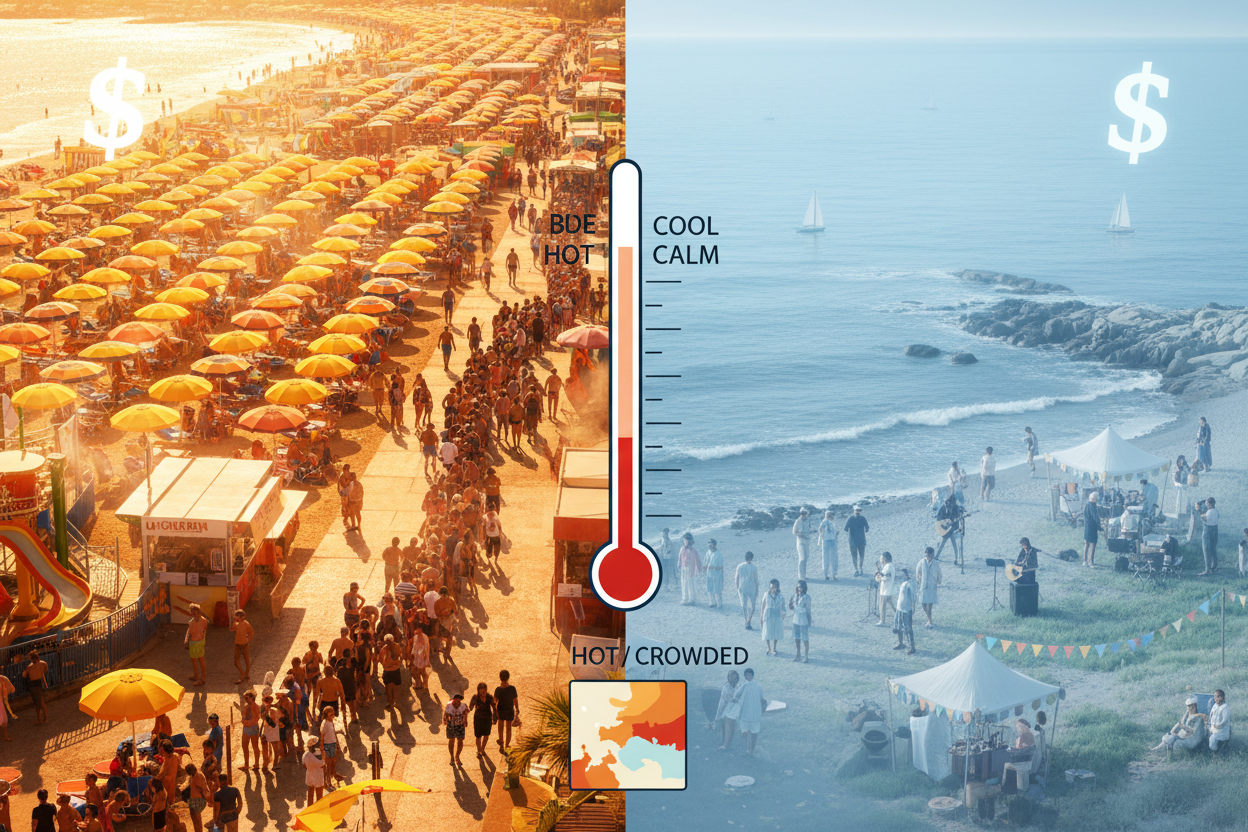
Spring (April to June) remains the sweet spot for many travelers. The weather is pleasantly warm, flowers bloom across the countryside, and tourist crowds are manageable. This season is perfect for exploring cities like Florence and Rome without the sweltering summer heat. Temperatures typically range from 60-75°F, making it ideal for walking tours and outdoor dining.
Summer (July to August) brings peak tourist season along with intense heat, especially in southern regions. While this means longer days and vibrant outdoor festivals, it also means higher prices and crowded attractions. If you must travel during summer, consider focusing on northern regions or coastal areas where sea breezes provide relief.
Fall (September to November) offers another excellent window, particularly September and October. The weather remains warm, harvest season brings spectacular food experiences, and the summer crowds begin to thin out. This is arguably the best time for food lovers and wine enthusiasts.
Winter (December to March) transforms Italy into a different kind of magical destination. While some coastal attractions may close, cities like Rome, Florence, and Venice take on a romantic, intimate atmosphere. Plus, you’ll enjoy significantly lower prices and authentic local experiences.
Transportation Mastery: Getting Around Italy Like a Pro
Italy’s transportation network is extensive and efficient, offering multiple ways to explore the country. Understanding your options will help you maximize your time and budget.
The Italian railway system is your best friend for intercity travel. High-speed trains like Frecciarossa connect major cities in remarkable time – Rome to Milan in just three hours. Book tickets in advance through Trenitalia or Italo for the best prices, and consider a rail pass if you’re planning multiple train journeys.
For exploring smaller towns and rural areas, renting a car provides unmatched flexibility. However, driving in Italian cities can be challenging due to limited parking and ZTL (Limited Traffic Zones) that restrict vehicle access. If you do rent a car, stick to highways and countryside exploration, then use public transport within cities.
Local transportation varies by city but generally includes buses, metros, and trams. Rome and Milan have comprehensive metro systems, while cities like Florence rely more on buses. Purchase day passes or multi-day cards for convenience and savings. In Venice, vaporettos (water buses) are your primary transportation method.
Don’t overlook walking as a primary mode of transportation. Italian city centers are compact and pedestrian-friendly, and you’ll discover countless hidden gems simply by wandering through ancient streets and charming piazzas.
Accommodation Strategies: From Budget Hostels to Luxury Hotels
Italy offers accommodation options for every budget and travel style, from charming agriturismos in the countryside to luxury hotels in historic palazzos. The key is matching your choice to your priorities and itinerary.
For budget-conscious travelers, hostels in major cities provide clean, safe accommodation with opportunities to meet fellow travelers. Many Italian hostels occupy historic buildings, adding character to your stay. Alternatively, consider affittacamere (room rentals) or bed and breakfasts for a more local experience at reasonable prices.
Mid-range travelers should explore boutique hotels and converted monasteries or palaces. These properties often feature unique architecture and personalized service that chain hotels can’t match. Agriturismos – working farms that offer accommodation – provide authentic rural experiences with home-cooked meals and wine tastings.
Luxury seekers will find Italy’s historic hotels unparalleled. From Venetian palaces overlooking the Grand Canal to Tuscan villas surrounded by vineyards, these properties offer unforgettable experiences. Book well in advance, especially for peak season and special properties.
Location matters more than amenities in most Italian cities. Choose accommodations within walking distance of major attractions or near reliable public transportation. In Rome, staying near a metro station saves time and energy. In Venice, consider proximity to vaporetto stops.
Culinary Adventures: Navigating Italy’s Food Scene
Italian cuisine extends far beyond pizza and pasta, though you’ll certainly enjoy exceptional versions of both. Each region boasts distinct culinary traditions, ingredients, and specialties that reflect local history and geography.
Understanding Italian dining culture enhances your experience significantly. Breakfast is typically light – a cappuccino and cornetto (croissant) at a bar counter. Lunch runs from 12:30 to 2:30 PM, while dinner doesn’t start until 7:30 PM or later. Many restaurants close between meals, so plan accordingly.
Regional specialties deserve exploration. In Rome, try carbonara, amatriciana, and supplì. Florence is famous for bistecca alla fiorentina and ribollita. Venice offers fresh seafood and risotto, while Naples serves the world’s best pizza. Don’t miss trying local wines – Italian regions produce distinctive varieties that pair perfectly with regional dishes.
Embrace the aperitivo culture, especially in northern cities like Milan and Turin. This pre-dinner ritual involves drinks and small plates, often with generous buffets included in the price of your cocktail. It’s a perfect way to experience local social life and try various foods.
For authentic experiences, seek out trattorias and osterias – family-run establishments that focus on traditional recipes and local ingredients. Avoid restaurants with multilingual menus near major tourist attractions, as these often prioritize convenience over quality.
Cultural Etiquette and Local Customs
Understanding Italian social norms and customs will enrich your interactions with locals and demonstrate respect for the culture you’re visiting.
Italians are generally warm and expressive, but they also value politeness and proper behavior. Always greet people with “Buongiorno” (good morning) or “Buonasera” (good evening), and use “per favore” (please) and “grazie” (thank you) liberally. Learning basic Italian phrases shows respect and often results in warmer interactions.
Dress codes matter, especially when visiting religious sites. Shoulders and knees must be covered in churches, and some require long pants. Many Italians dress more formally than typical American tourists, so consider packing nicer clothes for dinners and evening activities.
Tipping culture differs from North America. In restaurants, a small tip (5-10%) is appreciated but not mandatory, especially if a service charge is included. Round up taxi fares and leave small change for hotel staff and tour guides.
Respect local rhythms, particularly the afternoon riposo when many shops close for several hours. This tradition is stronger in southern regions and smaller towns. Use this time for leisurely lunches, museum visits, or rest.
Money Matters: Budgeting and Payment Methods
Italy uses the Euro, and understanding local payment customs and budgeting strategies will help you manage expenses effectively.
Cash remains important in Italy, especially for small purchases, markets, and some restaurants. Many establishments have minimum amounts for card payments, typically 10-15 euros. Withdraw cash from bank ATMs for the best exchange rates, and notify your bank of travel plans to avoid card blocks.
Contactless payments are increasingly accepted, and major credit cards work in most hotels, restaurants, and shops. However, American Express has limited acceptance compared to Visa and Mastercard.
Budget approximately 100-150 euros per day for mid-range travel, including accommodation, meals, transportation, and attractions. This can vary significantly based on your choices – a simple lunch at a local trattoria might cost 15 euros, while dinner at a high-end restaurant could easily exceed 100 euros per person.
Look for city tourist cards that combine transportation and museum entries for savings. Many cities offer these multi-day passes that can significantly reduce costs if you plan to visit multiple attractions.
Top Destinations and Hidden Gems
While Rome, Florence, and Venice rightfully earn their fame, Italy’s true magic often lies in lesser-known destinations that offer authentic experiences without overwhelming crowds.
Beyond the classic triumvirate, consider exploring the Cinque Terre’s dramatic coastal villages, though be prepared for crowds during peak season. The Dolomites offer spectacular mountain scenery and excellent hiking, while Puglia in the south provides stunning beaches, unique trulli houses, and excellent cuisine at lower prices than northern regions.
Hidden gems worth discovering include Matera in Basilicata, famous for its ancient cave dwellings and UNESCO World Heritage status. The medieval town of San Gimignano in Tuscany offers tower-studded skylines and excellent wine tasting. Lake Como provides Alpine beauty with elegant villas, while the island of Procida near Naples offers authentic Italian island life without Capri’s crowds and prices.
Consider timing visits to popular destinations strategically. Early morning or late afternoon visits to major attractions often mean smaller crowds and better lighting for photographs. Many museums offer evening hours during summer months, providing unique experiences.
Technology and Communication Tips
Staying connected during your Italian adventure requires some planning, but modern technology makes it easier than ever to navigate, communicate, and share your experiences.
Most US and Canadian cell phone plans now include international options, but verify costs before traveling. European SIM cards or international data plans often provide better value for extended stays. Italy has excellent 4G and 5G coverage in cities and tourist areas.
Download offline maps and translation apps before arriving. Google Translate’s camera feature can translate menus and signs in real-time, while offline maps ensure you won’t get lost even without data connection.
Free WiFi is widely available in hotels, restaurants, and public spaces, though connection quality varies. Many cities offer free public WiFi in central areas and tourist zones.
Consider downloading transportation apps like Trenitalia for train schedules and tickets, or local transit apps for city-specific public transportation information.
Making Your Italian Dream Come True
Italy offers experiences that linger in memory long after you return home – the taste of fresh pasta in a Roman trattoria, the golden light over Tuscan vineyards, the sound of gondoliers singing in Venetian canals, or the warmth of local hospitality in a small mountain village.
Success lies not just in seeing famous sights, but in embracing the Italian approach to life. Take time for long meals, engage with locals, wander without specific destinations, and remain open to unexpected discoveries. The best Italian experiences often happen when you least expect them – a chance conversation with a shopkeeper, stumbling upon a local festival, or finding the perfect gelato in an unmarked shop.
Remember that travel challenges are part of the adventure. Missed trains, language barriers, and cultural differences become stories you’ll treasure later. Approach your Italian journey with curiosity, patience, and enthusiasm, and you’ll create memories that will inspire future adventures and deepen your appreciation for this remarkable country.
Your Italian dream vacation awaits, filled with art, history, incredible food, stunning landscapes, and the incomparable Italian zest for life. With proper planning and an open heart, 2026 could be the year you fall in love with Italy forever.
Book Now!
Call to action to book now.
Leave a Comment